
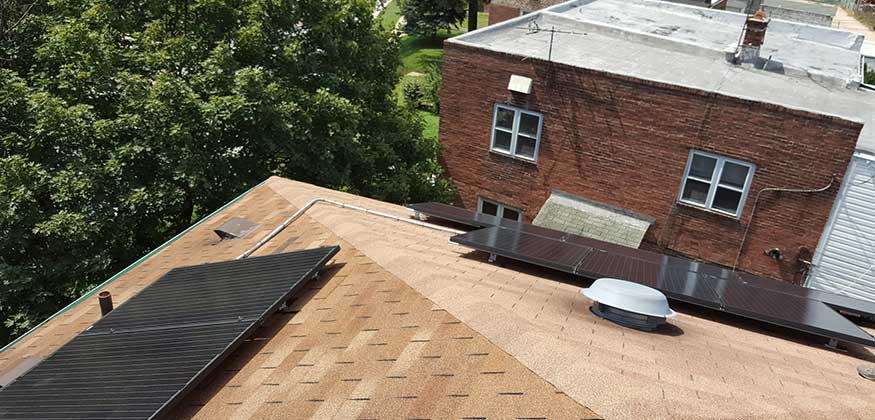
Residential solar systems generally operate with limited routine attention, but “low maintenance” should not mean “never checked.” Monitoring helps homeowners recognize changes, catch communication problems, and know when professional service may be appropriate.
Daily solar production naturally rises and falls with weather, seasons, shade, and household conditions. A cloudy winter day should not be compared with a clear summer day. The goal is not to react to every dip; it is to understand normal patterns and investigate meaningful, persistent changes.
Here is a practical maintenance and monitoring approach for solar owners across the Mid-Atlantic.
Learn What Your Monitoring System Shows
Most modern solar installations include an online portal or mobile application. Depending on the equipment, monitoring may display whole-system production, individual panel performance, battery status, home consumption, or electricity exported to the grid.
Common measurements include:
- Current power in kilowatts
- Daily energy production in kilowatt-hours
- Monthly and annual production
- Inverter or device status
- Battery charge level
- Home energy consumption
- Grid imports and exports
Not every installation measures every category. Consumption and battery data often require additional hardware. Ask your installer what your system is designed to report.
Power and energy are not the same
Power is the system’s output at a particular moment. Energy is the total production accumulated over a period of time. A brief power reading can change when a cloud passes, while daily energy provides a broader view.
For performance checks, compare similar periods and conditions. Monthly or annual patterns are usually more informative than repeatedly refreshing a real-time screen.
Know What Normal Production Looks Like
Solar production is not constant. Several normal factors can cause visible changes.
Weather
Clouds, rain, haze, and snow reduce available sunlight. Bright but cool days can produce differently from hot days. A single low day during poor weather usually is not evidence of a system problem.
Seasons
Day length and the sun’s position change throughout the year. Trees and nearby structures may also cast different shadows by season. Mid-Atlantic systems commonly show a seasonal production curve rather than identical monthly output.
Temperature
Solar panels need sunlight, but high panel temperatures can affect instantaneous output. The clearest, hottest day is not necessarily the day with the highest peak power.
Shade and debris
Leaves, growing trees, snow, pollen, or other material may temporarily affect production. The impact depends on coverage, panel layout, and equipment design.
Normal equipment behavior
Inverters and monitoring devices may update at intervals. The portal can also experience delays even while the array continues producing electricity. An app showing no current data does not always mean the solar equipment has stopped.
Create a Simple Monitoring Routine
You do not need to watch production every day. A consistent, light-touch routine is more useful.
Every month
- Confirm that the monitoring portal is receiving data.
- Look for alerts or equipment error messages.
- Compare production with the same period in previous years if available.
- Consider major weather differences before drawing conclusions.
- Review the utility bill for unusual changes in grid consumption.
A few times each year
From the ground, visually check for obvious panel damage, heavy debris, animal activity, or new shade. Do not climb onto the roof. Binoculars or a safe ground-level view may help.
Check whether trees have grown enough to create new shading. Confirm that inverter and battery areas remain accessible and free from stored items that violate manufacturer clearance requirements.
After severe weather
Strong wind, hail, heavy snow, lightning, or falling branches may justify an additional check. Look for monitoring alerts and visible damage from a safe location. If you see loose wiring, broken equipment, roof damage, smoke, or signs of water intrusion, keep away and contact a qualified professional.
Compare Performance the Right Way
A common mistake is comparing one month’s production with the previous month without accounting for season or weather. Instead, use several reference points:
- The same month in a prior year
- The installer’s original annual estimate
- Recent weather conditions
- Changes in shade or roof surroundings
- Equipment alerts or inverter status
- Whether monitoring data is complete
Even year-over-year comparisons require context. One year may be sunnier, snowier, or cloudier than another. Household electricity use can also change, affecting the utility bill even when solar production is normal.
Production is different from bill savings
Monitoring reports what the system generates. Your electric bill reflects grid purchases, exports, billing rules, fixed charges, and household consumption.
A higher bill does not automatically indicate low solar production. You may have used more electricity because of extreme temperatures, a new electric vehicle, guests, a pool, or added appliances. Review production and consumption separately before concluding that the system has a fault.
Warning Signs That Deserve Attention
Contact your installer or a qualified solar service provider when you notice:
- A persistent error code or fault light
- No production during sunny daytime hours
- A sudden, sustained decline without a weather explanation
- Repeated inverter shutdowns
- Missing monitoring data that basic internet checks do not resolve
- Visible broken glass or damaged mounting components
- Loose or exposed wiring
- Water intrusion near electrical equipment
- Unusual sounds, odors, heat, or discoloration
- A battery that repeatedly fails to charge or provide expected backup operation
If there is smoke, fire, arcing, or an immediate electrical hazard, move to a safe location and contact emergency services. Do not touch solar electrical equipment or attempt an improvised repair.
Does a Solar Array Need Cleaning?
Rain often removes ordinary dust from tilted panels, but cleaning needs vary by site. Heavy pollen, bird droppings, leaves, nearby construction dust, or low panel tilt can contribute to buildup.
Before scheduling cleaning, determine whether there is evidence of a meaningful performance issue. Unnecessary roof access can create safety risks and potentially damage panels, wiring, roofing, or attachments.
If cleaning appears necessary:
- Follow the equipment manufacturer’s current guidance.
- Avoid abrasive tools and harsh chemicals.
- Do not use pressure-washing methods unless specifically approved.
- Do not walk on panels.
- Hire an insured professional for roof-mounted equipment.
- Ask whether turning off any equipment is required.
Solar panels can produce electricity whenever exposed to light. Homeowners should not open electrical enclosures or disconnect wiring.
Coordinate Solar and Roof Maintenance
Roofers, chimney contractors, painters, and tree crews should know that solar equipment is present before starting work. Panels and wiring may need protection, shutdown, removal, or reinstallation depending on the project.
Use qualified solar professionals for removal and replacement. Document the array before other work begins and ask how the project could affect workmanship or equipment warranty coverage.
For tree trimming, focus on safety and long-term shade management. Do not remove healthy trees solely based on a quick assumption that more sunlight will always justify the cost. A solar professional can model whether a shading change would materially affect production.
Keep Useful System Records
Good records make future troubleshooting easier. Store digital and paper copies of:
- Signed installation agreement
- Final system design
- Equipment model and serial numbers
- Permits and inspection documents
- Utility interconnection approval
- Manufacturer warranty documents
- Workmanship coverage
- Monitoring login information
- Service invoices and correspondence
- Roof work or tree-trimming records
If you sell the property, organized records can also help the next owner understand the system and initiate any required account or warranty transfers. Confirm current transfer procedures with the relevant providers.
Plan for Equipment Service and Replacement
Solar panels, inverters, batteries, communication devices, and electrical components do not all age in the same way. Service needs depend on equipment type, environment, installation quality, and operating conditions.
Do not assume a warranty covers every labor, shipping, access, or replacement expense. Review the current manufacturer and installer documents for your specific system. If an original installer is unavailable, look for an experienced service company that can identify the equipment and assess compatibility before replacing parts.
Solar Maintenance FAQ
Should I inspect my solar panels from the roof?
No. Roof access creates fall and electrical risks. Perform only safe, ground-level observations and hire a qualified professional when closer inspection is needed.
Why does my monitoring app show zero production?
It could be nighttime, a communication interruption, an internet issue, a portal delay, or an equipment fault. Check for alerts and follow approved troubleshooting steps. Contact a professional if daytime production remains absent.
Does snow need to be removed from panels?
Usually, homeowners should avoid roof access or tools that could damage equipment. Snow may slide or melt naturally, but conditions vary. Follow manufacturer guidance and consult a professional if there is a specific concern.
How often should a solar system receive professional maintenance?
There is no universal schedule for every system. Equipment instructions, site conditions, local environment, alerts, and visible changes should guide service. Ask your installer for a system-specific plan.
Get Help With Solar Performance and Service
Monitoring is most valuable when you know what is normal and have an experienced team to call when something changes. Renewable Energy Corporation has served homeowners and businesses across the Mid-Atlantic since 2007. Our team can help evaluate performance concerns, maintenance needs, monitoring issues, and options for existing solar systems.
Contact Renewable Energy Corporation to discuss your system or request a professional solar assessment. If you are considering a new installation, we can also prepare a property-specific estimate and explain how monitoring will help you track performance over time.
Recent Comments