
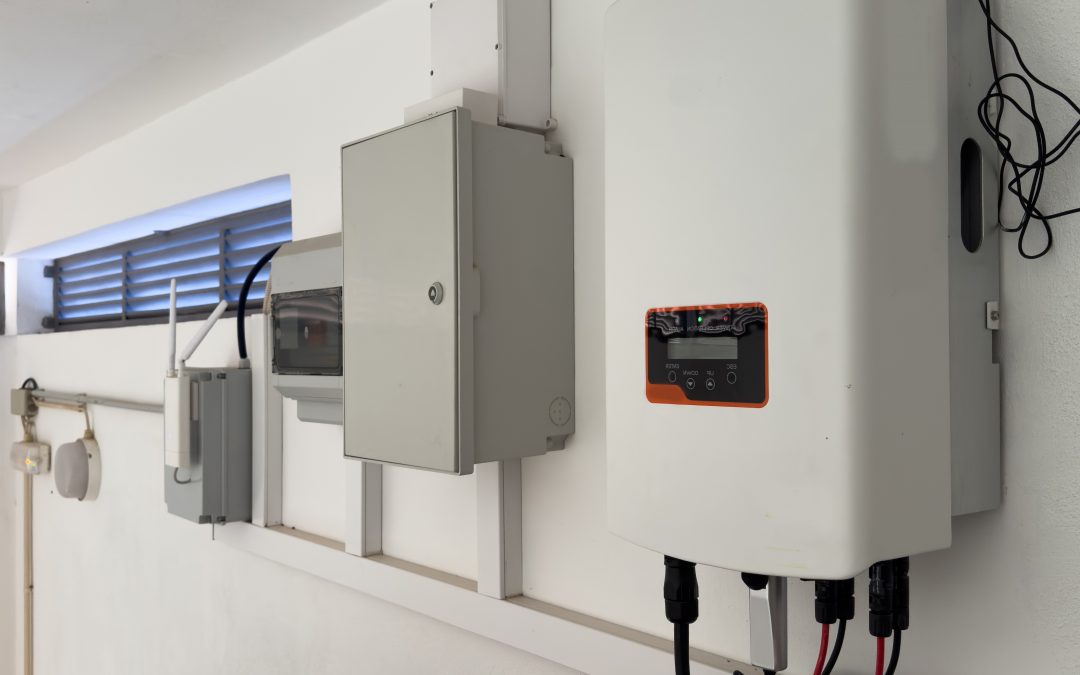
A solar battery can keep selected parts of a home operating when the electric grid goes down, but its capabilities depend on how the system is designed. Some batteries support only a few essential circuits. Others can serve a larger portion of the home, subject to power and energy limits.
Understanding those limits is important before buying. “Backup power” does not automatically mean every appliance can run normally for an unlimited time. A useful design starts with the devices you need, how much power they draw, and how long you want to operate them.
Solar Alone Usually Does Not Power a Home During an Outage
Many homeowners are surprised to learn that a standard grid-connected solar system typically shuts down when the grid fails. This safety function helps prevent electricity from flowing onto utility lines while crews may be working.
A properly designed solar-plus-storage system can disconnect from the grid and form a protected backup system. The battery supplies power to designated loads, and solar may recharge the battery when sunlight and system conditions allow.
Exact behavior depends on the inverter, battery, electrical configuration, weather, and equipment settings. Ask your installer to demonstrate what happens when an outage begins and how the system returns to normal afterward.
Power and Energy Are Different
Battery comparisons often include both power and energy ratings. They answer different questions.
- Power describes how much electricity the battery can deliver at one time.
- Energy describes how much electricity the battery can store and provide over time.
A battery may have enough stored energy to operate a refrigerator for many hours but not enough output power to start several large appliances at once. Likewise, a battery with strong output can be depleted quickly if it serves heavy loads continuously.
Usable capacity, operating limits, equipment efficiency, temperature, battery settings, and reserve levels can all affect real-world runtime. Published ratings should be reviewed alongside the complete system design.
Identify Your Critical Loads
Critical loads are the circuits you want available during an outage. The list differs from one household to another.
Common priorities include:
- Refrigerator and freezer
- Well pump
- Sump pump
- Internet modem and router
- Selected lights and outlets
- Medical or accessibility equipment
- Garage door opener
- Security system
- Phone and laptop charging
- Gas heating controls and fans
Homes in rural parts of Maryland, Virginia, Pennsylvania, and Delaware may rely on electric well pumps. Other properties may prioritize sump pumps during severe storms. Washington, DC-area households might focus on refrigeration, communications, and work-from-home equipment.
Make a list based on safety and daily needs rather than trying to back up everything automatically.
Consider startup demand
Motors and compressors can require a brief surge of power when starting. Refrigerators, pumps, air conditioners, and some heating equipment may draw more at startup than during normal operation.
Your installer should review both continuous demand and surge demand. Appliance labels can help, but field measurements or manufacturer specifications may be needed for an accurate design.
Essential-Load Backup vs. Whole-Home Backup
An essential-load system routes selected circuits to a protected panel or uses compatible controls to manage them. This approach can provide practical resilience while limiting battery size and cost.
Whole-home backup is a broader design goal. It may require multiple batteries, load-management equipment, electrical upgrades, or changes in household behavior during an outage. Even a system connected to the main service has limits.
Large electric loads can include:
- Central air conditioning
- Electric resistance heating
- Electric water heating
- Clothes dryers
- Ovens and cooktops
- Pool or spa equipment
- Electric vehicle charging
That does not mean these loads can never be supported. It means they require careful design. In some homes, smart controls can temporarily turn off lower-priority appliances to keep demand within the system’s limits.
When comparing proposals, ask the installer to define “whole-home.” The phrase should be supported by an actual load calculation and a clear explanation of operating limits.
How Long Will a Battery Last in an Outage?
There is no honest universal runtime answer. Duration depends on:
- Available battery capacity
- Number and size of active loads
- Appliance cycling
- Battery reserve settings
- Solar production during the outage
- Weather and season
- System losses
- Household behavior
A battery serving a few lights, a refrigerator, and internet equipment may last much longer than one running pumps, cooling, and cooking appliances. Cloudy winter weather also provides a different recharge opportunity than a clear summer day.
Ask for an outage-use estimate based on your proposed loads. It should show assumptions rather than promise a fixed number of hours.
Can Solar Recharge the Battery During an Outage?
In many compatible solar-plus-storage systems, solar can recharge the battery while the home is disconnected from the grid. However, recharge performance is not guaranteed every day.
Solar output can be reduced by:
- Clouds, rain, or snow
- Short winter days
- Shade
- Debris or snow cover
- System power limits
- A battery that is already full
- Household loads consuming production as it is generated
System controls must balance solar production, battery charging, and household use. If solar output exceeds what the home and battery can accept, the system may reduce production temporarily.
During an extended outage, conserve energy even if solar recharging is available. Use high-demand devices during strong daylight when appropriate, avoid unnecessary loads, and monitor the battery level.
Battery Backup for Common Mid-Atlantic Outages
The Mid-Atlantic can experience thunderstorms, high winds, ice, heavy rain, coastal weather, falling trees, and equipment failures. Outages may be brief or may continue while damaged infrastructure is repaired.
Battery backup can be especially useful for:
- Homes with frequent short interruptions
- Properties that depend on well or sump pumps
- Households with essential medical devices
- Home offices needing internet and device power
- Customers who want quiet backup without routine generator operation
- Businesses protecting communications or selected equipment
Battery systems still require realistic emergency planning. Keep flashlights, charging banks, food, water, and other appropriate supplies available. Follow local emergency guidance, especially during severe weather.
Should You Add a Battery Now or Later?
A battery can be installed with solar or added to some existing systems. Installing both together may simplify design and electrical planning. Adding storage later can preserve flexibility, but compatibility is not automatic.
If you may want a battery in the future, ask about:
- Inverter and battery compatibility
- Available wall or floor space
- Indoor or outdoor placement requirements
- Electrical panel capacity
- Communications and internet needs
- Expansion options
- Permit and utility requirements
Do not rely only on the phrase “battery ready.” Ask what equipment could be added, what other components would be required, and whether current manufacturers support the proposed configuration.
Placement, Permits, and Safety
Battery placement must follow manufacturer instructions and applicable electrical, fire, building, and local permitting requirements. The correct location depends on the equipment and property.
An installer may need to consider:
- Clearance around equipment
- Temperature exposure
- Flood or water risk
- Vehicle impact protection
- Access for service
- Distance from doors, windows, and living spaces
- Utility and local inspection requirements
Rules and approved equipment can change. Confirm current requirements with the authority having jurisdiction, utility, and installer before finalizing the design.
Questions to Ask Before Buying
Use these questions when reviewing a battery proposal:
- Which circuits will receive backup power?
- What loads cannot operate together?
- What are the usable energy and output limits?
- Can the solar array recharge the battery during an outage?
- What runtime assumptions were used?
- Can capacity be expanded later?
- How will I monitor and control the system?
- What happens if internet service is unavailable?
- Who provides service and warranty support?
- Are permits, inspections, and utility applications included?
Confirm current product and warranty terms in the manufacturer’s documentation. Avoid proposals that guarantee outage duration without considering your actual energy use.
Frequently Asked Questions
Will a battery eliminate my electric bill?
Not necessarily. A battery shifts stored electricity and provides backup capability; it does not create energy. Bills depend on solar production, household use, utility rules, rate structure, and fixed charges.
Can one battery run central air conditioning?
Possibly, but not in every system. Air-conditioning startup and operating demand must fit within the battery and inverter limits. Additional equipment or multiple batteries may be needed.
Is a battery the same as a generator?
No. A battery stores electricity and operates without fuel at the home. A generator creates electricity from a fuel source. Runtime, maintenance, noise, refueling, and load capability differ.
Can I add storage to existing solar panels?
Often, but compatibility, electrical design, available space, permits, and project economics must be evaluated first.
Build a Backup Plan Around Your Priorities
The right battery system is not necessarily the largest one. It is the system designed around the circuits your household or business actually needs, with limitations explained before installation.
Renewable Energy Corporation has installed solar in the Mid-Atlantic since 2007. Our team can assess your electrical loads, review solar and storage options, and explain how a proposed system would operate during an outage. Contact Renewable Energy Corporation to request a solar battery consultation and a site-specific estimate.
Recent Comments