
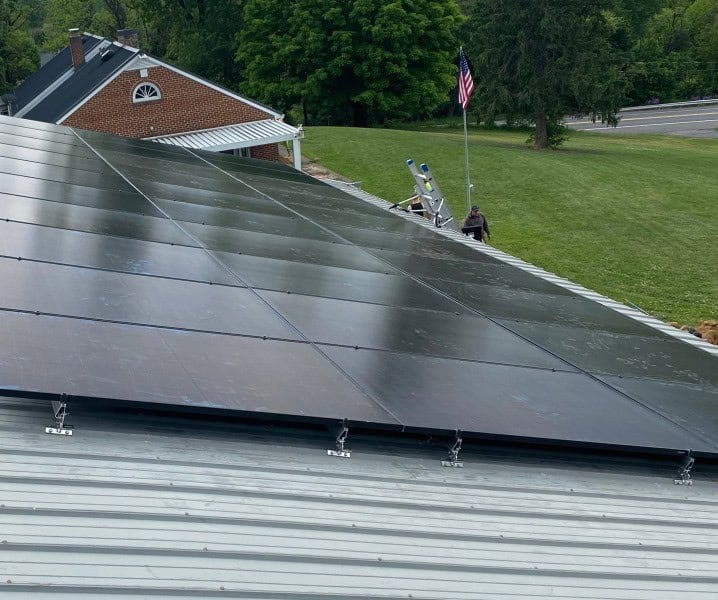
Early fall is a useful time to check a home solar system. Summer storms may have dropped branches or debris, trees may have grown enough to create new shade, and colder months will soon bring shorter days, leaves, rain, ice, or snow across the Mid-Atlantic.
Solar generally requires limited routine maintenance because it has no fuel to refill and few moving parts. Still, basic monitoring and safe visual checks can help homeowners notice changes before they become larger concerns.
This checklist applies to many residential systems in Maryland, Virginia, Pennsylvania, Delaware, Washington, DC, and nearby communities. Always follow the equipment manufacturer’s instructions and the installer’s guidance for your specific system.
1. Review Your Solar Monitoring
Start with the monitoring platform provided with your system. Depending on the equipment, it may show total production, daily or monthly trends, individual panel data, battery status, and system alerts.
Look for:
- Recent error messages
- Unexpected gaps in production
- A major drop compared with similar periods
- One panel or section performing differently
- Inverter or communications warnings
- A battery that is not following expected settings
Avoid judging performance from one cloudy day. Solar production naturally changes with weather, season, temperature, and daylight hours. A better approach is to review trends and compare similar conditions.
Monitoring data can be incomplete
A blank screen does not always mean the panels stopped producing. The monitoring device may have lost internet access even while the solar equipment continues to operate.
If data disappears, check whether your home internet service, router, or monitoring connection recently changed. Follow approved reconnection instructions or call your service provider. Do not open electrical equipment to troubleshoot communications.
2. Compare Production With Reasonable Expectations
Fall production is often lower than peak spring or summer production because days become shorter and the sun’s position changes. Weather can also vary significantly from one year to another.
When evaluating performance, consider:
- Recent cloud cover
- Seasonal daylight changes
- New tree growth or shade
- Snow or debris on the array
- Household power interruptions
- Monitoring downtime
- Equipment alerts
Your electric bill alone is not a complete solar performance report. A higher bill may result from increased household consumption even when the system is working normally. Review solar production and electricity use separately when possible.
If the system shows a sustained, unexplained decline, contact a qualified solar service team. Provide screenshots, alert messages, and the approximate date the issue began.
3. Perform a Safe Ground-Level Visual Check
Walk around the property and look at the array from the ground. Binoculars or a camera with zoom may help. Homeowners should not climb onto a roof to inspect panels.
Watch for visible concerns such as:
- Fallen branches
- Large collections of leaves
- Panels that appear shifted or damaged
- Loose material near the array
- Animal nesting activity
- Discolored areas or obvious broken glass
- Hanging wires or conduit
- Damage near ground-mounted equipment
Do not touch damaged panels, exposed wiring, inverters, disconnects, or other electrical components. Solar equipment can remain energized in daylight even if a breaker has been turned off. Keep people away from the area and contact a professional.
Check after severe weather
High winds, hail, and falling trees can affect roofs and exterior equipment. Most storms do not require a service visit, but a visible concern, system alert, roof leak, or sudden production change deserves attention.
If there is an immediate electrical hazard, follow emergency guidance and contact the appropriate emergency service or utility. Notify your solar service provider and insurer when relevant.
4. Manage Leaves Without Taking Risks
Leaves may collect along the lower edge of an array or in roof valleys. They can hold moisture, interfere with roof drainage, and create habitat for pests. Most loose leaves will move naturally, but persistent buildup may need professional attention.
Do not use a ladder, pressure washer, roof rake, metal tool, or garden hose from an unsafe position. Walking on panels can damage equipment and create a serious fall hazard.
A qualified professional can determine whether cleaning is necessary and use methods appropriate for the panel and roofing materials. Aggressive cleaning can scratch glass, damage wiring, disturb roof attachments, or affect manufacturer requirements.
5. Look for New Shade
Trees grow gradually, so shade changes can be easy to miss. A branch that did not affect the array at installation may now shade several panels during part of the day.
Observe the roof at different times if it is safe to do so from the ground. Compare the current view with older photographs or system production patterns.
Before trimming trees:
- Identify whether the tree is on your property
- Check local rules or community restrictions
- Consider tree health and long-term growth
- Hire a qualified tree professional for elevated work
- Keep workers and equipment away from electrical lines
Do not remove healthy trees solely on the basis of a quick assumption. A solar professional can help determine whether shade is materially affecting output and whether trimming, system changes, or no action is appropriate.
6. Check Roof Drainage and Exterior Areas
Solar panels do not replace normal roof care. Gutters, downspouts, flashing, and roof drainage should continue to function as intended.
From the ground, look for overflowing gutters, blocked downspouts, sagging sections, or water staining. Leaves can accumulate quickly in Mid-Atlantic fall weather, especially near wooded properties.
If gutter or roof work is needed, tell the contractor that the property has solar. Workers should avoid leaning ladders on panels, stepping on modules, disturbing wiring, or moving attachments without authorization.
If your roof leaks, do not assume the solar array is the source. Leaks can result from roofing age, flashing, vents, chimneys, storm damage, or other conditions. A coordinated inspection by qualified roofing and solar professionals may be needed.
7. Prepare for Snow and Ice
Maryland, Pennsylvania, Delaware, Virginia, and Washington, DC receive different amounts of winter weather, but any property may experience snow or ice.
Panels are smooth and often shed snow as conditions warm. Production will be limited while panels are covered, then resume as the snow moves or melts. Homeowners generally should not climb onto a snowy roof or attempt to scrape panels.
Avoid:
- Chipping ice from panel glass
- Applying salt or chemicals
- Pouring hot water onto cold panels
- Using hard-bristled tools
- Standing below areas where snow may slide
Sliding snow can fall from an array suddenly. Keep walkways, vehicles, outdoor equipment, and people away from likely shedding areas when practical. Ask a professional whether snow-management features are appropriate for vulnerable locations.
8. Review Battery Settings and Backup Priorities
If the system includes battery storage, fall is a good time to revisit backup plans. Open the approved app or control interface and confirm that the battery appears online.
Review:
- Backup reserve settings
- Current operating mode
- Essential circuits
- Recent alerts
- Internet or cellular connection
- Household outage priorities
Do not change settings you do not understand. Some operating modes affect when the battery charges or discharges, and utility program requirements may apply. Contact the installer before making major changes.
Test procedures vary by manufacturer and system design. Do not simulate an outage by operating breakers or disconnects unless a qualified provider has given you explicit instructions.
9. Keep Inverters and Batteries Accessible
Vegetation, stored belongings, or seasonal decorations should not block solar equipment. Maintain required clearances around inverters, batteries, disconnects, and electrical panels according to manufacturer and code requirements.
Check that equipment is not exposed to new sources of water, impact, excessive dust, or pest activity. Never cover an inverter or battery to protect it from cold weather. Covering equipment may restrict ventilation or create a hazard.
If labels have become damaged or unreadable, ask a qualified solar professional whether replacement labels are needed.
10. Update Your System Records
Good records simplify future service, roof work, warranty questions, and home sales. Keep digital or paper copies of:
- Installation contract
- Final system design
- Equipment model and serial information
- Permit and inspection documents
- Utility permission-to-operate notice
- Manufacturer warranty documents
- Financing or ownership documents
- Installer contact information
- Service history
Save monitoring login information securely and update contact details if the system ownership changes. Do not post serial numbers, account details, or full utility documents publicly.
When Should You Call a Solar Professional?
Request professional help if you notice:
- Persistent production loss without a clear weather cause
- Repeated inverter or battery alerts
- Broken glass or visible equipment damage
- Exposed, loose, or hanging wiring
- Water intrusion near solar equipment
- Animal damage or nesting under panels
- Roof work requiring array removal
- A monitoring outage you cannot resolve
Avoid hiring an unqualified handyman for electrical or rooftop solar repairs. Proper diagnosis may require manufacturer knowledge, electrical licensing, fall protection, and familiarity with the original system design.
Frequently Asked Questions
Do solar panels need annual cleaning?
Not always. Rain often removes ordinary dust, and unnecessary cleaning can create safety and equipment risks. Cleaning needs depend on pollen, leaves, bird activity, nearby construction, roof angle, and manufacturer guidance.
Should I remove snow from my panels?
Usually, homeowner roof access is not worth the risk. Snow often sheds or melts naturally. Contact a professional if persistent snow creates a specific safety or performance concern.
How often should I check monitoring?
A quick review every few weeks and after major storms can help identify alerts. Automated notifications are useful, but they should not replace occasional review.
Can I inspect wiring myself?
You can look for obvious damage from a safe distance, but do not touch, open, disconnect, or repair solar electrical equipment. Contact a qualified professional.
Schedule Solar Service Before Winter
A few safe checks can help you enter winter with a clearer picture of your system’s condition. Focus on monitoring, ground-level observations, drainage, shade, and updated records. Leave rooftop and electrical work to trained professionals.
Renewable Energy Corporation has served Mid-Atlantic solar customers since 2007. Whether you need help understanding an alert, evaluating performance, planning roof work, or discussing an existing system, contact Renewable Energy Corporation to request professional solar service or a system evaluation.
Recent Comments