
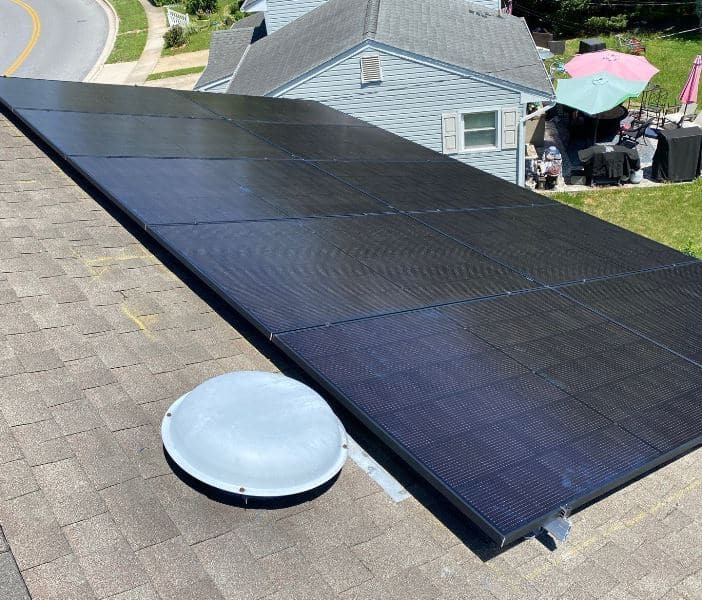
Solar can reduce how much electricity a Maryland homeowner needs to buy from the utility, but the financial value is different for every property. Electricity use, roof exposure, equipment choices, utility policies, and payment method all affect the result.
That is why a trustworthy solar estimate should be based on your home—not a broad promise about how much the average household might save. Before comparing proposals, gather your electricity history and learn which assumptions deserve the closest attention.
This guide explains how to evaluate potential solar savings in Maryland without relying on guesswork or guaranteed outcomes.
Start With Your Maryland Electricity Use
A solar contractor needs more than your most recent electric bill. Maryland homes can have large seasonal changes caused by air conditioning, electric heat, pool equipment, holiday use, or changing household routines.
Gather at least 12 months of electricity bills if possible. Focus on the number of kilowatt-hours used each month rather than only the dollar amount. Your bill includes charges and adjustments that a solar array may not eliminate.
Think about future energy needs
Past electricity use is the starting point, but it may not represent the years ahead. Tell your solar consultant if you expect to add:
- An electric vehicle
- A heat pump or electric water heater
- A finished basement or home addition
- A pool, hot tub, or workshop
- More people working from home
- Battery storage
A planned efficiency project may lower future use, while electrification could increase it. A thoughtful design considers both possibilities instead of automatically filling every available section of roof.
Understand What Determines Solar Production
Two Maryland homes with similar electric bills may need different system designs. A qualified installer should evaluate the physical property and model expected production using site-specific information.
Important factors include:
- Roof direction and pitch
- Shade from trees, chimneys, and nearby buildings
- Available roof area
- Roof age and condition
- Local weather patterns
- Panel and inverter specifications
- Electrical service and interconnection requirements
Maryland’s mix of older neighborhoods, wooded lots, rowhomes, suburban developments, and rural properties makes an individual assessment especially important. A roof that receives strong midday sun may support a productive array, while substantial shade can change the design or economics.
Ask how production was estimated
A proposal should explain the expected annual production and the assumptions behind it. Ask whether the estimate reflects shade, roof orientation, equipment losses, and normal performance changes over time.
Production forecasts are estimates, not guarantees of weather or future utility bills. However, a clear methodology makes it easier to compare proposals on equal terms.
Separate Bill Reduction From Total Financial Value
Solar savings are often described as the difference between staying with utility electricity and producing part of your power on-site. That comparison requires several assumptions, including future electricity prices and system performance.
Review these parts of an estimate carefully:
- Current utility costs: Confirm that the proposal uses information from your actual bill.
- Solar production: Check the projected kilowatt-hours, not just the system’s rated size.
- Remaining utility charges: Solar customers may still receive utility bills and pay fixed or usage-based charges.
- Payment costs: Include loan interest, fees, cash cost, or lease payments as applicable.
- Maintenance and equipment assumptions: Understand what is included and who is responsible.
- Future rate assumptions: Be cautious when a proposal relies on aggressive utility-price increases.
A lower electric bill does not automatically mean the lowest total cost. Compare the complete financial picture over a realistic ownership period.
Review Maryland Incentives and Utility Rules Carefully
Solar incentives and compensation policies can influence value, but they can also change. Eligibility may depend on system ownership, installation date, tax liability, equipment, utility territory, or application procedures.
Depending on current programs and eligibility, Maryland homeowners may want to investigate:
- Federal tax incentives
- State or local clean-energy programs
- Renewable energy certificate opportunities
- Property-related tax treatment
- Utility interconnection and billing rules
- County, municipal, or nonprofit programs
Do not treat an incentive as automatic until you verify the requirements. Confirm current details with the relevant government agency, utility, program administrator, and a qualified tax professional. A solar installer can explain the process but should not substitute for personalized tax or legal advice.
Understand net metering and billing
The way exported solar electricity is credited can materially affect a project. Rules may vary by utility and can evolve. Ask your utility or installer to explain:
- How excess generation is measured
- How credits appear on the bill
- Whether credits carry forward
- Which charges remain after going solar
- Whether system-size limits or application deadlines apply
Confirm current terms directly with your electric utility before making a decision.
Compare Solar Payment Options
Homeowners commonly consider a cash purchase, solar loan, lease, or power purchase agreement where available. No single option is best for every household.
Cash purchase
Paying cash avoids financing interest and may offer a straightforward path to ownership. The tradeoff is a larger upfront expense that could otherwise serve another financial priority.
Solar loan
A loan can spread the cost over time. Compare the annual percentage rate, term, dealer or origination fees, prepayment rules, and total amount paid—not only the monthly payment.
Some loan structures assume that the homeowner will make a later payment related to an anticipated tax benefit. Tax benefits are not guaranteed for every household, so understand what happens if you cannot or choose not to make that payment.
Lease or power purchase agreement
Third-party ownership may reduce upfront cost, but the contract can affect long-term payments, equipment ownership, home sales, and incentive eligibility. Read transfer, escalator, maintenance, and end-of-term provisions closely.
Look Beyond the Lowest Price
A residential solar system is expected to operate for many years. Installation quality and post-installation support matter alongside initial cost.
When comparing Maryland solar companies, ask about:
- Licensing and insurance
- Experience with your utility and local permitting office
- Roof-attachment and flashing methods
- Equipment selection and compatibility
- Workmanship and manufacturer warranty documentation
- Monitoring setup and homeowner training
- Service procedures after installation
- Who performs the actual installation work
Renewable Energy Corporation has served Mid-Atlantic property owners since 2007. That regional experience can be valuable when navigating local roofs, permitting departments, utility applications, and weather conditions.
Questions to Ask Before Signing
Use the same questions with every contractor:
- What system size are you recommending, and why?
- How much annual electricity is the system expected to produce?
- What shade and roof assumptions are included?
- Which parts of my utility bill are likely to remain?
- Are incentives included in the price illustration?
- Who is responsible for incentive applications?
- What happens if my roof needs repairs?
- What financing fees are built into the proposal?
- How will I monitor performance?
- Who should I contact if the system needs service?
Written answers make proposals easier to evaluate and reduce misunderstandings.
Maryland Solar Savings FAQ
Will solar eliminate my Maryland electric bill?
Not necessarily. Most grid-connected homeowners continue receiving a utility bill. Solar may offset a portion of electricity purchases, but fixed charges, seasonal usage, system size, weather, and utility rules affect the amount due.
Is a south-facing roof required?
No. South-facing roofs often receive favorable exposure, but east- and west-facing sections can also work. Shade, pitch, roof condition, and household usage patterns should be evaluated together.
Should I replace my roof before installing solar?
If the roof is near the end of its useful life, completing roof work first may prevent later removal and reinstallation expenses. A roofing professional and solar contractor can help assess timing.
How long does a Maryland installation take?
The timeline depends on design, permitting, equipment, inspections, utility approval, and property conditions. Ask for a realistic project sequence rather than relying on a single installation date.
Request a Property-Specific Maryland Solar Estimate
The best way to understand solar savings is to evaluate your electricity history, roof, goals, and payment preferences together. Renewable Energy Corporation provides practical solar guidance for Maryland homeowners and has served the region as a family-owned company since 2007.
Contact Renewable Energy Corporation to request a personalized estimate and learn whether solar is a sensible fit for your Maryland home.
Recent Comments