
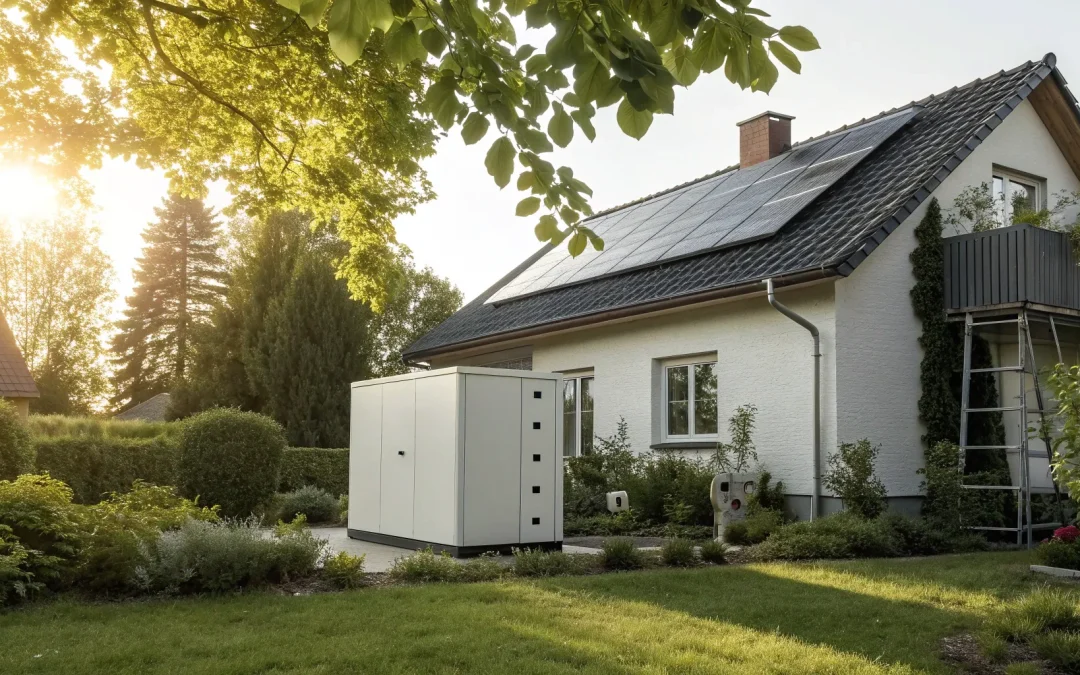
You’ve seen your utility bills climb, and you know there has to be a smarter way to power your home. Solar panels are a fantastic solution for generating free, clean energy during the day, but what happens after sunset? Instead of buying expensive electricity from the grid every evening, you could be using power you already created. A solar battery system makes this possible by storing your excess solar energy for later use. It’s a strategic investment that maximizes the value of your solar panels, significantly lowers your monthly bills, and gives you more control over your home’s finances.
Key Takeaways
- Gain Backup Power and Lower Your Bills: A solar battery stores your unused solar energy, creating a reliable backup source for power outages and allowing you to use your own clean power during peak evening hours to reduce utility costs.
- Make a Smart Investment by Checking the Specs: Look beyond the price tag and focus on what matters for long-term performance. A quality battery will have a warranty of at least 10 years, key safety certifications (like UL ratings), and the right capacity for your home’s needs.
- Rely on a Professional for a Seamless Process: Proper installation is crucial for safety and efficiency. A certified installer will handle everything from sizing your system and securing permits to ensuring it works perfectly with your existing solar panels and the grid.
What Is a Solar Battery System?
Think of a solar battery as a personal energy savings account for your home. When your solar panels are working hard on a sunny day, they often produce more electricity than your home needs at that moment. Instead of sending all that extra power back to the grid, a solar panel battery backup system stores it for you. This stored energy becomes your private reserve, ready to use whenever you need it—like at night, on a cloudy day, or even during a power outage. This simple addition transforms your solar panel setup from just a power generator into a complete home energy solution, giving you peace of mind and greater energy independence.
Having a solar battery gives you a powerful sense of security and control over your home’s energy. You’re no longer completely dependent on the utility company’s schedule or fluctuating prices. It’s about making your solar investment work for you around the clock, ensuring you have a reliable source of clean energy no matter what’s happening outside. When the neighborhood goes dark during a storm, your lights can stay on, your refrigerator keeps running, and you can keep your devices charged. It’s this reliability that makes a battery system so valuable. It puts you in the driver’s seat, allowing you to use your own clean, stored energy to reduce your reliance on the grid and protect your family from unexpected outages.
How Does a Solar Battery Work?
The process is pretty straightforward and happens automatically behind the scenes. During the day, your solar panels capture sunlight and convert it into electricity that first powers your home’s appliances and lights. If the panels generate more power than you’re using, the surplus energy is directed to your solar battery to charge it up. Once the battery is full, any additional excess power can then be sent back to the grid. Later, when the sun goes down or if there’s a grid outage, your home automatically starts drawing power from the battery instead of from the utility company. It’s a seamless transition that keeps your life running smoothly.
What Are the Different Types of Solar Batteries?
When you start looking at solar batteries, you’ll find a few different technologies, but the most common and recommended type for homes today is the lithium-ion battery. These are the same kind of batteries that power smartphones and electric vehicles, and for good reason. They are known for being compact, holding a lot of energy, lasting a long time, and requiring virtually no maintenance. At Renewable Energy Corporation, we partner with industry leaders like Enphase to provide high-quality, reliable battery solutions that offer excellent performance and longevity, ensuring you get the most out of your solar system for years to come.
Key Features to Look For
When choosing a battery, a few key features can help you make a confident decision. First, always check for safety certifications. Look for ratings like UL1973 and UL9540A, which mean the battery has passed rigorous testing for safety and reliability. Next, consider the warranty. A good solar battery is a long-term investment, so you’ll want a strong warranty to protect it—many top brands offer coverage for 10 years or more. Finally, think about capacity (how much energy it can store) and power rating (how much electricity it can provide at once). We can help you figure out the right size for your home’s specific needs.
Why Invest in a Solar Battery?
Pairing your solar panels with a battery might seem like an extra step, but it’s the key to getting the most out of your system. Think of it as your personal energy reserve, giving you more control, security, and savings. A solar battery stores the excess electricity your panels generate during the day instead of sending it all back to the grid. This stored power becomes available whenever you need it—at night, on a cloudy day, or during a power outage. It’s a strategic investment that transforms your relationship with energy, turning your home into a more resilient and self-sufficient hub. By capturing and storing your own clean power, you’re not just reducing your reliance on the utility company; you’re building a smarter, more efficient home. This technology is becoming a cornerstone of modern home energy management, offering practical solutions to everyday problems like high electricity bills and grid instability. Let’s look at the biggest reasons why homeowners are adding batteries to their solar setups.
Gain Energy Independence with Backup Power
Power outages are more than just an inconvenience; they can disrupt your life, from spoiled food to a lack of heating or cooling. A solar panel battery backup system provides a reliable source of energy when the grid goes down. While your neighbors are searching for flashlights, your home can continue running smoothly. This is especially reassuring during the Mid-Atlantic’s unpredictable weather, from summer thunderstorms to winter ice storms. By storing your own solar energy, you create a safety net that keeps your lights on, your refrigerator cold, and your essential devices charged. It’s the ultimate peace of mind, giving you true energy independence no matter what’s happening outside.
Lower Your Monthly Utility Bills
One of the most compelling reasons to add a battery is the potential for significant savings. Without a battery, any excess solar power you generate is sent back to the grid. With a battery, you can store that free, clean energy and use it yourself during the evening when your panels aren’t producing. This is particularly valuable if your utility company has “time-of-use” rates, charging more for electricity during peak hours (usually in the late afternoon and evening). By drawing from your battery instead of the grid during these expensive periods, you can dramatically lower your monthly utility bills. You’re essentially using your own stored sunshine to power your home, maximizing the financial benefits of your solar investment.
Reduce Your Carbon Footprint
Choosing solar is already a fantastic step toward a more sustainable lifestyle, but adding a battery takes your green commitment even further. When you use stored solar energy at night, you’re avoiding electricity from the grid, which is often generated by burning fossil fuels. This means you’re powering your home with 100% clean, renewable energy around the clock. By maximizing your self-consumption of solar power, you directly reduce your household’s carbon footprint and reliance on traditional power plants. It’s a powerful way to contribute to a healthier planet, and it aligns with our company mission to empower homeowners with sustainable technology.
Integrate with Your Smart Home
Modern solar batteries are more than just power storage; they are sophisticated pieces of technology that can integrate seamlessly with your smart home. Many systems come with user-friendly apps that allow you to monitor your energy production, storage levels, and consumption in real-time, right from your smartphone. You can see exactly how much power your panels are generating and make informed decisions about your energy use. This level of control and data puts you in the driver’s seat, turning your home into an efficient, intelligent energy ecosystem. As homes become more connected, a solar battery is a forward-thinking addition that keeps you on the cutting edge of home technology.
Increase Your Home’s Value
A solar energy system is a significant upgrade to your property, and adding a battery makes it even more attractive to potential buyers. Homes equipped with both solar panels and battery storage are increasingly seen as more valuable and desirable on the market. This feature signals energy independence, lower utility costs, and resilience against power outages—all major selling points. Investing in a solar battery isn’t just an expense; it’s an investment in your property’s long-term value. If you’re curious about what this investment could look like for your home, you can always get a free solar estimate to explore the possibilities.
How to Choose the Right Solar Battery
Once you’ve decided to add a battery to your solar system, the next step is picking the right one. With so many options on the market, it can feel a little daunting, but it really comes down to matching a battery’s features to your home’s specific needs. Think of it like finding the perfect appliance for your kitchen—you want something that fits the space, handles your family’s demands, and gives you peace of mind.
To find the best solar panel battery backup for your home, you’ll want to look at a few key factors. We’ll walk through the most important considerations, from the technology inside the battery to the warranty that protects your investment. This will help you feel confident when you talk with an installer and ensure you get a system that delivers reliable power for years to come.
Compare Battery Chemistry and Technology
It might sound technical, but the chemistry inside a solar battery is what determines its performance, safety, and lifespan. The most common and trusted technology on the market today is Lithium Iron Phosphate, often called LiFePO4. These batteries are known for being incredibly stable and safe, which is a top priority when you’re installing one in your home. They also last a long time, handling thousands of charge and discharge cycles without losing much capacity. While other chemistries exist, LiFePO4 has become the industry standard for residential use because it offers the best combination of safety and longevity.
Calculate Your Capacity and Power Needs
Next, you’ll need to figure out how much energy storage you actually need. This comes down to two key measurements: capacity and power. Capacity, measured in kilowatt-hours (kWh), is how much energy the battery can store. Power, measured in kilowatts (kW), is how much electricity it can deliver at one time. Think of it this way: capacity is the size of your water tank, while power is how fast you can get water out of the tap. To accurately determine your needs, we’ll help you look at your typical energy use and what appliances you want to run during an outage. Getting a free solar estimate is the best way to get these calculations just right.
Look for Key Safety Features and Certifications
Safety is not something to compromise on. Reputable solar batteries go through extensive testing to ensure they operate safely in your home. When you’re comparing models, look for key safety certifications from Underwriters Laboratories (UL). Specifically, you’ll want to see certifications like UL1973, which tests the battery cells and units, and UL9540A, which is a large-scale fire safety test. These labels mean the battery has met strict, internationally recognized standards for safety and performance. It’s a clear sign that the manufacturer has prioritized your family’s well-being and the protection of your home.
Understand Your Warranty Coverage
A solar battery is a significant investment, so you want to know it’s protected. A strong warranty shows that the manufacturer stands behind its product. Look for a warranty that lasts at least 10 years. Beyond the length, check the details. A good warranty will also guarantee a certain level of capacity after a specific number of years or charging cycles. This ensures your battery will still hold a useful amount of charge a decade from now. Reading the warranty gives you a clear picture of the battery’s expected lifespan and the manufacturer’s commitment to quality.
Ensure Compatibility with Your Solar System
Finally, your new battery needs to work seamlessly with your solar panels. Whether you’re adding a battery to an existing system or installing everything at once, compatibility is key. Most modern batteries are designed to be flexible. For example, AC-coupled systems are a great option for retrofitting because they can be easily added to an existing solar panel installation with minimal changes. A professional installer will assess your current setup—including your inverter and panels—to recommend a battery that integrates perfectly, ensuring your entire system operates efficiently and effectively from day one.
What Does a Solar Battery Cost?
Let’s talk about the numbers. Investing in a solar battery is a significant decision for your home, and understanding the cost is a major part of the process. The price tag isn’t just a single number; it’s a combination of the equipment, installation, and the long-term value you get in return. While the initial investment might seem high, it’s important to look at the complete picture. The final cost depends on your specific energy needs, the size of the system you choose, and the incentives available in your area.
Think of it less as a simple purchase and more as a long-term investment in your home’s energy future. A solar panel battery backup system gives you energy independence, protects you from outages, and can lower your monthly utility bills for years to come. We’ll break down the different factors that contribute to the overall cost so you can get a clear idea of what to expect and how to find a solution that fits your budget and your goals.
Breaking Down the Initial Investment
The primary cost driver for a solar battery is its capacity, measured in kilowatt-hours (kWh). This tells you how much energy the battery can store. A smaller battery designed to power just a few essential appliances during an outage will naturally cost less than a larger system that can run most of your home for an extended period. Prices can range from around $20,000 to over $60,000 for a complete system that includes both solar panels and battery storage. The brand and technology of the battery also play a role. At Renewable Energy Corporation, we can help you assess your energy usage to determine the right size and model for your home.
Factoring in Installation
The price you’re quoted for a solar battery system isn’t just for the battery itself. The total cost includes all the necessary components, such as the inverter, wiring, and monitoring software, as well as the professional installation. Proper installation is critical for the safety and performance of your system, which is why it’s a job best left to certified experts. When you receive a free solar estimate from us, it will be a comprehensive quote that covers all equipment and labor, so you won’t have to worry about hidden fees or buying parts separately. We handle everything from design to commissioning.
Finding Available Incentives and Tax Credits
Here’s the good news: you likely won’t have to pay the full sticker price. Several government incentives can significantly reduce the cost of a solar battery. The most notable is the federal Residential Clean Energy Credit, which allows you to deduct a percentage of the cost of your solar equipment, including the battery, from your federal taxes. On top of that, many states and even local utility companies offer their own rebates and programs. You can explore what’s available in your area by checking the Database of State Incentives for Renewables & Efficiency (DSIRE), a great resource for homeowners.
Calculating Your Long-Term Return on Investment
A solar battery starts paying you back from day one. The most direct financial return comes from lowering your monthly electricity bills. You can store the excess solar energy your panels produce during the day and use it at night instead of buying power from the grid. If your utility has time-of-use rates, you can avoid paying high prices during peak evening hours. Beyond bill savings, a battery provides priceless peace of mind during power outages and can even increase your home’s resale value. These long-term benefits make a solar battery a smart financial move for many homeowners.
Debunking Common Solar Battery Myths
When you’re exploring a new technology for your home, it’s easy to get tangled up in misinformation. Solar batteries are a fantastic investment, but myths can create confusion and hesitation. Let’s clear the air and look at the facts behind some of the most common misconceptions about home battery storage. Understanding the truth will help you feel confident as you move toward a more resilient and independent energy future.
Myth #1: It Powers Your Whole House Indefinitely
One of the biggest myths is that a single solar battery can power your entire home for days on end during an outage. While a battery provides incredible peace of mind, it has a specific capacity. It’s not an infinite power source. The reality is that a solar panel battery backup is designed to run your essential appliances—like your refrigerator, lights, and medical devices—when the grid goes down. During your consultation, we’ll work with you to understand your family’s critical power needs. This helps us design a system that keeps your most important circuits running for a specified time, so you’re never left completely in the dark.
Myth #2: They Require Constant Maintenance
The idea of installing another complex piece of equipment that needs constant tinkering is enough to deter any busy homeowner. Fortunately, modern solar batteries are designed to be incredibly low-maintenance. Unlike old-school batteries that required regular checks and fluid top-offs, today’s systems are largely self-sufficient. They are built with advanced technology and durable materials that operate quietly and efficiently in the background. You can easily monitor their performance through a simple app on your phone, but you won’t need to add “battery maintenance” to your weekend to-do list. You can learn more about the high-quality, reliable products we use on our FAQ page.
Myth #3: You’ll Replace It in a Few Years
It’s understandable to worry about the lifespan of a significant home investment. Some people believe that solar batteries wear out quickly, needing replacement every few years. This couldn’t be further from the truth. Today’s solar batteries are built to last. Most leading models come with warranties that guarantee performance for 10 years or more, and they are engineered to handle daily charging and discharging cycles for thousands of cycles. Think of it as a long-term asset for your home, much like a new roof or HVAC system. It’s a durable piece of infrastructure that provides lasting benefits for years to come.
Myth #4: They Don’t Work in Bad Weather
This myth often stems from a misunderstanding of how solar panels and batteries work together. People assume that if it’s cloudy or stormy, their battery will be useless. In fact, this is precisely when a battery shines. Your solar panels charge the battery on sunny days, storing that excess energy for later. When a storm rolls in and knocks out the power, your battery kicks in to supply your home with the energy it saved. It’s your personal energy reserve, ready to go when you need it most, regardless of the weather outside. Your battery ensures you have power even when your panels aren’t actively generating it.
Myth #5: One Size Fits All
Shopping for a solar battery isn’t like buying an appliance off the shelf. Every home and family has unique energy needs, and a battery system must be tailored to match. A common misconception is that any battery can be paired with any solar panel array. In reality, a successful system requires careful planning to ensure all components are compatible and correctly sized for your electricity usage. This is why a professional consultation is so important. We analyze your energy bills and discuss your goals to recommend a system that’s just right for you. Ready to find your perfect fit? You can start with a free solar estimate.
What to Expect During Installation and Setup
Getting a solar battery installed might sound like a huge project, but it’s a surprisingly smooth process when you work with an experienced team. From the first home visit to the moment your system powers on, every step is carefully planned to make sure your setup is safe, efficient, and perfectly suited to your needs. The best part? A professional installer handles all the technical details, paperwork, and coordination, so you can relax and look forward to a lower energy bill.
The journey starts with a detailed look at your home’s energy use and ends with a fully integrated system that connects seamlessly to your solar panels and the local grid. We’ll walk you through what happens at each stage, so you know exactly what’s going on. Think of your installation team as your guide, managing everything from site assessments and permits to the final connection. Our goal is to make your transition to clean, reliable backup power as simple as possible.
Your Professional Site Assessment
Before any equipment is ordered, the first step is a professional site assessment. This isn’t just a quick look around; it’s a thorough evaluation of your home’s energy profile and physical layout. An expert will analyze your past utility bills to understand your household’s consumption patterns and determine how much energy you need to generate and store. They’ll also inspect your roof and electrical panel to find the optimal placement for your new solar panel battery backup system. This crucial step ensures your system is designed to deliver the best possible performance and savings for your specific situation.
The Importance of a Professional Installer
While DIY projects can be tempting, solar battery installation is a job best left to certified professionals. These systems involve high-voltage electricity and require a deep understanding of electrical wiring, local building codes, and safety protocols. A professional installer has the training and expertise to handle the complexities of the job, ensuring every component is set up correctly and efficiently. By working with a trusted, family-run company, you can have peace of mind knowing your system is installed safely and built to last, protecting both your home and your investment.
Handling Permits and Regulations
Navigating the world of permits and local regulations can be a headache, but the good news is you don’t have to. A key part of the professional installation process is managing all the necessary paperwork. Your installer will handle obtaining the required permits from your local jurisdiction and ensure your system complies with all building and electrical codes. They also coordinate with your utility company for the final inspection and approval. This service saves you time and prevents potential delays, making the entire process feel effortless from your end.
Key Components of Your System
Your solar battery system is more than just the battery itself. It’s a collection of smart components working together to store and manage your energy. The main players include the battery, which stores the excess power your solar panels generate, and a solar panel inverter, which acts as the brain of the operation. The inverter converts the DC electricity from your panels and battery into the AC electricity your home uses. A battery management system (BMS) is also included to protect the battery by monitoring its performance and preventing overcharging or draining.
Connecting to the Grid
The final step is connecting your new solar battery system to the electrical grid. This connection is what allows your home to seamlessly switch between solar power, battery power, and grid power. When your panels produce more energy than you can use or store, the system can send that excess power back to the grid, potentially earning you credits on your utility bill. Your professional installer will manage the entire interconnection process with your utility company, ensuring all their requirements are met for a safe and compliant connection.
A Look at Top Solar Battery Brands
Meet the Leading Manufacturers
When you start exploring solar batteries, you’ll see a few names pop up again and again. Brands like LG and Enphase have built strong reputations for producing reliable, high-performing energy storage solutions. As Maryland’s oldest family-run solar firm, we’ve seen which brands stand the test of time, which is why we partner with industry leaders like Enphase. While other manufacturers also offer quality products, the key is choosing a brand with a proven track record and solid warranty support. Working with an experienced installer ensures you get a quality product that fits your home’s specific needs.
Compare Popular Models and Features
Not all batteries are created equal, and the technology inside makes a big difference. Many top models use a chemistry called LiFePO4, or Lithium Iron Phosphate. It sounds technical, but it just means the battery is exceptionally safe, stable, and built to last. Beyond chemistry, consider practical features. Some batteries are designed for indoor installation in a garage or basement, while others are built with weatherproof enclosures for the outdoors. Thinking about where your solar panel battery backup will live is an important step in choosing the right model.
How Their Performance Stacks Up
Performance comes down to two things: how much energy the battery stores and how long it lasts. Most solar batteries have a lifespan of 5 to 15 years, but with proper care, some can run for 20 years or more. Lithium-based batteries are popular because they hold a lot of energy in a compact space, are highly efficient, and require very little maintenance. This means you can count on your battery to be ready when you need it, whether during a power outage or just to power your home after sunset.
A Guide to Price Points
The cost of a solar battery varies based on its capacity, brand, and technology. A single battery can range from a few thousand dollars to over $7,000. For a complete system with solar panels, a kit with a 10 kWh battery might start around $22,000. The final price depends on your home’s energy use and how much backup power you want. The best way to understand the cost for your situation is to get a personalized quote. We can walk you through the options and help you find a solution that fits your budget and energy goals.
Get the Most from Your Solar Battery
Investing in a solar battery is a fantastic step toward energy independence and savings. But just like any major home upgrade, you’ll get the best results by knowing how to use it effectively. With a few simple habits, you can maximize your battery’s performance, extend its lifespan, and ensure you’re getting every bit of value from your solar energy system. Think of it as learning the features of a new car—a little knowledge goes a long way in making the ride smoother for years to come.
Manage Your Energy Use Wisely
A solar battery gives you a steady, reliable source of energy, which is a game-changer during power outages or when utility rates spike. To make the most of it, get familiar with your home’s energy consumption patterns. Try running large appliances like your dishwasher or washing machine during the day when your solar panels are actively generating power. This allows the excess energy to charge your battery instead of being used up immediately. By storing that solar power, you can use it during the evening or on cloudy days, reducing your reliance on the grid when electricity is most expensive.
Monitor Your System’s Performance
Your solar panel battery backup system will come with a monitoring app for your phone or computer, and it’s your best friend for optimizing performance. Make it a habit to check the app periodically. It gives you a real-time look at how much energy your panels are producing, how much your battery is storing, and what your home is consuming. This data is incredibly empowering, helping you make smarter decisions about when to use energy. It’s also the quickest way to spot any potential issues, ensuring your system is always running at its peak.
Follow Maintenance Best Practices
Modern solar batteries are designed to be durable and low-maintenance, often lasting between 5 and 15 years. With proper care, some can even last 20 years or more. While they don’t require constant attention, it’s wise to follow the manufacturer’s guidelines, which usually involve keeping the unit clean and clear of debris. During your professional installation, we’ll walk you through any specific maintenance needs. We also only use high-quality batteries that meet important safety standards and come with a long-term warranty, giving you peace of mind that your investment is well-protected.
Future-Proof Your Investment
Adding a battery to your solar installation isn’t just about today; it’s about preparing for the future. The demand for solar-plus-storage systems is growing rapidly as more homeowners seek energy resilience. A battery system not only increases your property value but also sets you up for future energy needs. As you add more electric devices to your home, like a solar EV charger, your battery will be there to help manage the increased load without straining your connection to the grid. It’s a smart, forward-thinking move that solidifies your home’s energy independence for years to come.
Related Articles
- Storing energy for your home with solar power batteries
- Battery Backup for Solar Panels – Worth It?
- Maximize Solar Panels with a Home Battery Backup
- How Top Solar Battery Tech Can Maximize Energy Independence?
- The Benefits of Solar Energy for Your Home
Frequently Asked Questions
How long can a solar battery actually power my home during an outage? This really depends on the size of your battery and which appliances you choose to run. A typical setup is designed to power your essential items—like the refrigerator, lights, Wi-Fi, and a few outlets—for several hours or even through the night. The goal isn’t to run your entire house as usual, but to provide a reliable safety net that keeps your most important circuits online until the grid is restored.
I already have solar panels. Is adding a battery really necessary? While solar panels alone are great for reducing your daytime energy costs, they don’t provide power when the sun isn’t shining or during a grid outage. Adding a battery is what gives you true energy independence. It allows you to store your own clean energy to use at night, protecting you from power failures and helping you avoid buying electricity from the utility company during their most expensive peak hours.
Can I add a battery to my solar panel system later on? Yes, you absolutely can. Many homeowners choose to add storage after their initial solar panel installation. This process is often called retrofitting, and modern battery systems are designed to integrate seamlessly with existing solar arrays. A professional installer can assess your current setup and recommend a compatible battery that will work perfectly with the equipment you already have.
What happens if my battery runs out of power during a long outage? This is where the partnership between your panels and battery truly shines. If you use up all your stored energy overnight during an extended outage, your solar panels will get right back to work the next morning. As soon as the sun is up, they will start generating power for your home again, and any excess energy they produce will begin recharging your battery for the following night.
With the high initial cost, how do I know if a battery is a good financial decision for me? It’s important to look at the complete financial picture, not just the initial price. When you account for the generous federal tax credit, potential state incentives, and the long-term savings on your monthly utility bills, the investment becomes much more manageable. A battery also adds significant value and security to your home, providing peace of mind that is truly priceless.
Recent Comments