
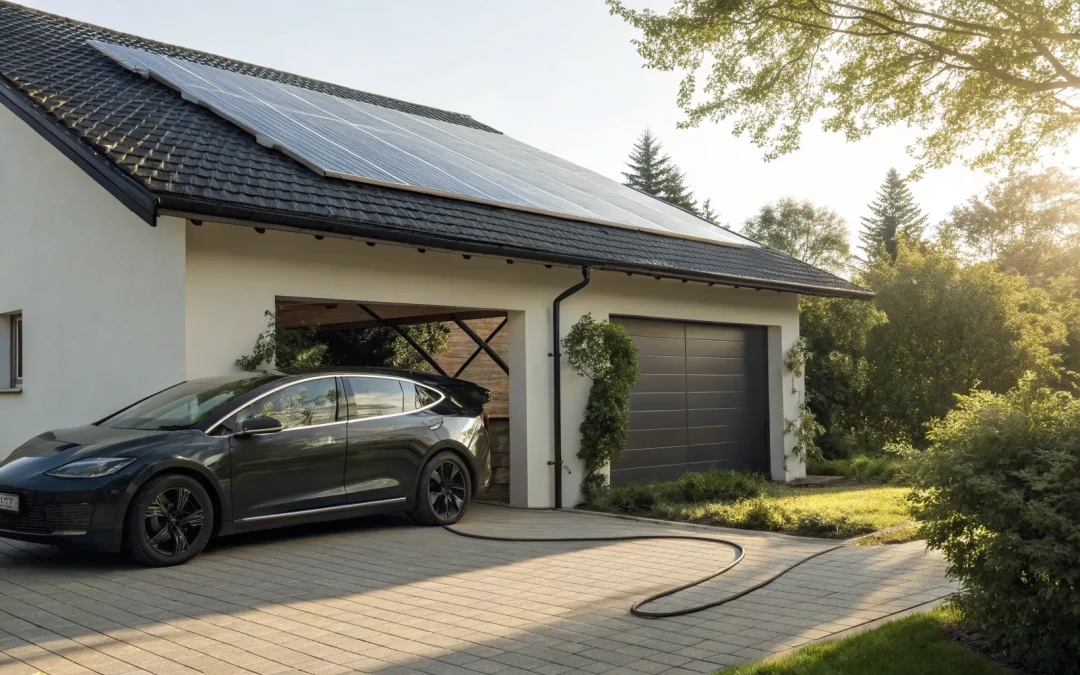
You have solar panels on your roof and an electric car in your driveway. The next logical question is, how do you connect the two? The answer is a solar-powered EV charger, a smart device that turns your home into a personal, clean-energy fueling station. It might sound complex, but the concept is quite simple: prioritize the free, abundant energy from the sun to charge your vehicle before ever pulling power from the grid. This guide is designed to demystify the process. We’ll cover the essential components, what to expect during installation, and the smart features that help you maximize your solar energy usage.
Key Takeaways
- Prioritize Solar Power for Your EV: A smart solar EV charger works with your home’s solar panels to intelligently fuel your car with the clean energy you produce, only drawing from the grid when necessary.
- Leverage Incentives for a Faster Payback: The initial investment is made more affordable by a 30% federal tax credit and other local rebates, which shortens the time it takes for your energy savings to pay for the system.
- Pair with a Battery for 24/7 Solar Charging: For complete energy independence, add a solar battery to your system. This allows you to store excess solar energy generated during the day and use it to charge your car overnight or during an outage.
What Is a Solar-Powered EV Charger?
If you own an electric vehicle, you already know the joy of skipping the gas station. A solar-powered EV charger takes that feeling to the next level. Simply put, it’s a system that uses the clean energy generated by your home’s solar panels to charge your car. Instead of pulling power from the grid—which might be generated by fossil fuels—you’re fueling your vehicle directly with sunlight. This setup makes your EV truly zero-emission and gives you complete energy independence. It’s a smart, sustainable way to power both your home and your ride.
How It Works
The process is more straightforward than you might think. It all starts with the sun. Your rooftop solar panel installation captures sunlight and converts it into direct current (DC) electricity. Since your home and EV charger use alternating current (AC) electricity, this DC power first flows to an inverter. The inverter is the brain of the operation, converting the electricity into the usable AC form. From there, the power is sent to your home’s electrical panel, ready to be used by your appliances and, of course, your EV charger. You just plug in your car as usual, but now you’re fueling it with sunshine.
Key Components
A solar EV charging system has three main parts working together. First are the solar panels themselves, doing the heavy lifting of capturing solar energy. Next is the inverter, which, as we covered, converts that energy into a usable format. Finally, there’s the Solar EV Charger itself. This device looks and functions much like a standard wall charger but often includes smart technology. These smart controls are designed to monitor the energy flow from your solar panels, helping you prioritize charging your vehicle with the free, clean energy you’re generating before pulling from the grid.
Types of Charging Systems
Solar EV chargers come in different levels, mainly defined by their charging speed. A Level 1 charger is the slowest option and can often use a standard wall outlet, providing about 2 to 5 miles of range per hour of charging. It’s a decent choice for plug-in hybrids or if you don’t drive much. For most all-electric vehicles, a Level 2 charger is the way to go. These systems are much faster, delivering anywhere from 10 to 60 miles of range per hour. The right system for you depends on your car’s battery size, your daily commute, and your charging habits.
How It Connects to Your Home Solar System
One common question is whether solar panels connect directly to the EV charger. The answer is no—they integrate with your entire home’s electrical system. The electricity from your solar panels flows through a solar panel inverter first. This device is essential for converting the DC power from the panels into the AC power your home uses. Once converted, that solar energy is available throughout your house. Your EV charger, just like your refrigerator or television, draws from this central pool of power. This setup ensures that your solar energy can be used efficiently for your car, your home, or both.
What to Look for in a Solar EV Charger
Choosing the right solar EV charger feels a lot like picking the right car—the best one for you depends on your lifestyle, habits, and home. Not all chargers are built the same, and the features can vary quite a bit. When you’re ready to invest in a solar EV charger, you’ll want to look for a model that not only powers up your vehicle efficiently but also integrates smoothly with your home’s solar energy system. Let’s walk through the key features to keep an eye on so you can make a choice you’ll be happy with for years to come.
Charging Speed and Power
One of the first things you’ll want to consider is how quickly a charger can power up your car. This is determined by its power output, measured in kilowatts (kW). Most home chargers are Level 2, which are significantly faster than a standard wall outlet. A higher kW rating means a faster charge, but it’s important to match the charger’s capacity with what your home’s electrical panel and solar array can support. We can help you figure out the perfect balance to ensure you get a reliable, speedy charge without overloading your system.
Smart Energy Management
This is where solar EV charging gets really exciting. A “smart” charger can communicate with your solar panel system to make intelligent decisions about when to charge your car. These chargers can automatically adjust the charging speed based on how much solar energy you’re producing in real time. You can program it to only use the excess solar power your home isn’t using, which means you’re fueling your car with pure sunshine. This maximizes your savings and ensures you’re getting the most out of your solar investment, which is one of the biggest benefits of going solar.
Pairing with Battery Storage
If you want true energy independence, pairing your solar EV charger with a home battery is the way to go. A solar panel battery backup system stores the extra solar energy your panels generate during the day. This means you can come home from work and charge your EV overnight using the clean energy you stored earlier, even when the sun isn’t shining. It gives you the ultimate flexibility to power your car with solar energy 24/7, further reducing your reliance on the grid and protecting you from fluctuating utility rates.
Weather Resistance and Durability
Your EV charger will likely be installed outdoors, so it needs to be tough enough to handle everything the Mid-Atlantic weather throws at it—from humid summers to icy winters. Look for chargers with a NEMA 3R or NEMA 4 rating. These ratings certify that the enclosure is designed to protect the internal components from rain, sleet, snow, and dust. A durable, weather-resistant charger ensures reliable performance and a longer lifespan. As a family-run business with deep roots in Maryland, we only install equipment we know can withstand our local climate.
App and Mobile Monitoring
The best smart chargers come with a user-friendly mobile app that puts you in complete control. From your phone, you can start or stop a charging session, schedule charging for off-peak hours, and monitor your energy consumption. The app can show you exactly how much of your charge is coming from your solar panels versus the grid, giving you a clear picture of your savings and environmental impact. This level of control and insight makes managing your home energy usage simple and convenient.
Safety Features and Certifications
An EV charger handles a significant amount of electricity, so safety is non-negotiable. Always choose a charger that is UL or ETL certified, which means it has been rigorously tested for safety by an independent laboratory. Just as important is professional installation. A certified electrician will ensure your charger is installed correctly, meets all local electrical codes, and operates safely. This protects your home, your vehicle, and your warranty. If you have questions, feel free to contact our team for expert advice.
Breaking Down the Costs and Benefits
Thinking about a solar EV charger involves looking at both the initial investment and the long-term payoff. It’s a smart move for your wallet and the planet, but it helps to see the numbers laid out clearly. From the price of the equipment to the tax credits you can claim and the money you’ll save on electricity, every piece of the puzzle matters. Let’s walk through what you can expect to spend and, more importantly, what you can expect to gain. This isn’t just about buying a new piece of tech; it’s about investing in a more sustainable and cost-effective way to power your life.
Upfront Costs: Equipment and Installation
Let’s talk about the initial investment. Installing a Level 2 solar EV charger at home typically ranges from about $900 to $2,000. This price tag covers everything you need to get started: the charging unit itself, the professional labor to install it safely, all the necessary electrical materials, and any required permits. While it’s a significant purchase, think of it as a one-time cost that unlocks years of savings. When you get a quote, make sure it breaks down these expenses so you know exactly what you’re paying for. This transparency is key to feeling confident in your investment.
Tax Credits and Incentives You Can Use
Here’s some great news: you don’t have to cover the full installation cost on your own. The federal government offers a tax credit that can cover 30% of the total cost of purchasing and installing your charger, up to $1,000. This incentive can significantly reduce your initial out-of-pocket expense. On top of that, many states and local utility companies offer their own rebates and incentives for homeowners who install EV chargers. Exploring these financial benefits can make your switch to solar-powered charging even more affordable and accessible right from the start.
How You’ll Save on Energy Bills
This is where the investment really starts to pay off. By charging your electric vehicle with power generated from your own solar panels, you’re using free, clean energy from the sun. This means you can drastically cut down on what you pay your utility company for electricity, especially if you typically charge your car overnight. Instead of paying fluctuating grid prices to power your car, you’ll be fueling up for free. Over months and years, these savings add up substantially, turning your driveway into your personal, cost-effective fueling station. Get a free solar estimate to see what your potential savings could look like.
Reducing Your Carbon Footprint
Driving an electric vehicle is already a big step toward a greener lifestyle, but charging it with solar power takes your commitment to the next level. When you power your EV with electricity from the grid, its environmental impact depends on how that energy was generated—which often involves fossil fuels. By using your own solar panels, you ensure your car runs on 100% renewable energy. This closes the loop on clean transportation, making every drive a truly zero-emission trip. You’re not just saving money; you’re actively reducing your household’s carbon footprint and contributing to a healthier planet.
Calculating Your Return on Investment
So, when will your solar EV charger pay for itself? Your return on investment depends on a few factors: your initial cost after tax credits, how much you drive, and your local electricity rates. By combining the money you save on gasoline with the savings on your utility bills, you can calculate how long it will take to recoup the installation cost. For most homeowners, the long-term financial benefits are clear. A solar EV charger is more than just a convenience; it’s a powerful financial tool that adds value to your home and provides predictable energy costs for years to come.
Common Questions and Considerations
Thinking about adding a solar EV charger to your home brings up a few practical questions. From weather to system compatibility, let’s walk through the key things to consider so you can feel confident in your decision.
How Weather Affects Performance
It’s a common question: “What happens on a cloudy day?” While your solar panels produce the most energy in direct sunlight, they still generate power on overcast days, just less of it. Your solar EV charging system is connected to the grid, so if your panels aren’t producing enough electricity to meet your car’s needs, your charger will automatically draw power from your utility. This means you’ll never have to worry about being unable to charge your car. The system seamlessly switches between solar and grid power, always prioritizing the free energy from the sun first.
Finding the Right Space
Your solar installer will help you figure out the best placement for both your solar panels and your EV charger. The panels need a spot with plenty of direct sunlight, which is usually your roof. The charger itself is typically installed in a convenient location like your garage or driveway, close to where you park your car. The type of charger you choose—whether it’s a slower Level 1 or a faster Level 2—can also influence the installation plan. A professional site assessment will confirm the ideal setup for your specific property and charging needs.
Grid Connection Options
A solar EV charger doesn’t connect directly to your solar panels. Instead, it’s integrated into your home’s overall electrical system. The energy flows from your solar panels to a solar panel inverter, which converts the DC electricity into the AC electricity your home and charger use. This setup allows your charger to pull power from your solar array when the sun is shining or from the grid when it’s not. This flexibility ensures you can always charge your vehicle, day or night, rain or shine, while maximizing your use of clean solar energy.
Ensuring System Compatibility
Just like any home appliance, you want to make sure your new charger works perfectly with your electric vehicle. Most modern EV chargers are designed with a universal connector (the J1772) that’s compatible with all non-Tesla EVs, and Tesla vehicles can use a simple adapter. The more important factor is the charging speed. You’ll want to choose a solar EV charger with a capacity that matches what your car can handle to ensure efficient charging. We can help you review your vehicle’s specifications to recommend the best-fit charger for your setup.
Managing Power Generation
Modern solar EV chargers come with smart features that help you make the most of your solar production. These smart chargers can monitor your home’s energy usage and your solar panels’ output in real time. You can often set them to charge only when there’s excess solar power available, preventing you from pulling expensive electricity from the grid. This intelligent management means you’re truly fueling your car with the sun, which is the whole point! It gives you control over how and when your car charges, helping you lower your energy bills even further.
Adding a Battery for Backup
Pairing your solar panels and EV charger with a solar panel battery backup system is the ultimate step toward energy independence. A battery stores the excess solar energy your panels produce during the day. This allows you to charge your EV at night or during a power outage using your own stored solar power. Without a battery, you’d have to rely on the grid for any overnight charging. Adding a battery means you can power your car with clean energy 24/7, giving you peace of mind and maximizing the return on your solar investment.
What to Expect During Installation and Maintenance
Getting a solar EV charger installed is an exciting step, and knowing what the process looks like can make it feel even more seamless. From the first look at your property to keeping your system in top shape, here’s a breakdown of what happens. We handle the technical details so you can focus on the benefits of clean, convenient charging.
The Initial Site Assessment
Before any work begins, a professional needs to evaluate your home. This isn’t just a quick glance—it’s a thorough assessment to ensure a safe and effective installation. A licensed electrician will examine your home’s electrical panel and wiring to see if any upgrades are needed to handle the new charger. They’ll also help you pinpoint the best location for the charger, considering factors like your parking spot, the distance to the electrical panel, and how it will connect to your solar array. This first step is all about creating a custom plan that works perfectly for your home. The process starts when you schedule a free solar estimate with our team.
What Happens on Installation Day
On installation day, our certified electricians get to work making your home charging station a reality. Because EV chargers handle a continuous high-amperage load, professional installation isn’t just recommended—it’s essential for safety, meeting local codes, and protecting your warranty. The team will run the necessary wiring from your electrical panel to the charger’s location, mount the unit securely, and make all the final connections. We take care of everything, ensuring the entire setup is clean, secure, and ready to power your vehicle. Our goal is to make the installation of your solar EV charger as smooth and non-disruptive as possible.
Testing Your New System
Once the physical installation is complete, we don’t just pack up and leave. The final and most important step is to test everything thoroughly. Our technicians will power up the charger, check all connections, and run diagnostics to confirm it’s operating correctly and safely. We’ll then walk you through how to use your new charger, from plugging it into your car to understanding any smart features or monitoring apps. We want you to feel completely comfortable and confident with your new system. This entire process, from start to finish, typically takes just a few hours, depending on your home’s specific electrical setup.
Simple Maintenance to Keep It Running
One of the best things about a solar EV charger is how little maintenance it requires. To keep it running efficiently, just perform a few simple checks. Regularly inspect the charging cable and connector for any signs of wear or damage. It’s also a good idea to keep the unit clean by wiping it down with a damp cloth to remove dust and debris, especially if it’s installed outdoors. These small steps can help ensure a long and reliable lifespan for your charger. For more specific care instructions, you can always check our FAQ page or your user manual.
Basic Troubleshooting Tips
If you ever run into an issue with your charger, there are a couple of quick things you can check before calling for help. First, make sure all connections are secure, both at the wall and to your vehicle. Next, check your home’s circuit breaker to see if it has tripped. Sometimes, a simple reset is all that’s needed. Your charger’s user manual will also have a troubleshooting section for common problems. If these basic steps don’t solve the issue, it’s best to let a professional take a look. You can always contact us for support, and our team will be happy to help diagnose and fix the problem.
Related Articles
- Solar EV Charger – Renewable Energy Corporation
- Drive into a Brighter Future with Solar EV Charging
- Charge Your EV at Home Using Free Solar Energy
- Charge Your EV at Home with Solar Panels- QA Session
- Tesla Electric Car Charging and Renewable Solar Power
Frequently Asked Questions
Can I get a solar EV charger if I don’t have solar panels yet? Yes, you can absolutely install a standalone EV charger now and connect it to the grid. However, installing solar panels and a charger at the same time is often the most efficient and cost-effective path. When you bundle the projects, you can take advantage of incentives for the entire system and start fueling your car with free solar energy from day one.
What happens if I need to charge my car at night or on a cloudy day? Your solar EV charging system is designed for flexibility. Since it’s connected to both your solar panels and the utility grid, it will automatically pull power from the grid when your panels aren’t producing enough energy. This means you can always count on a full charge, day or night. The system is smart enough to prioritize using your free solar power first whenever it’s available.
Do I need to upgrade my home’s electrical panel to install a Level 2 charger? This depends on your home’s current electrical capacity. Many homes, especially newer ones, have panels that can handle the additional load of a Level 2 charger without a problem. For some older homes, an upgrade might be necessary to ensure everything runs safely and efficiently. As part of our initial site assessment, our electricians will inspect your panel and determine exactly what your home needs.
How much will I actually save by charging my EV with solar? Your specific savings will depend on factors like how much you drive, your car’s efficiency, and your local utility rates. By powering your car with energy you generate yourself, you are replacing a variable, often expensive, cost with a free, predictable resource. Most homeowners find that the savings on both electricity and gasoline add up quickly, making it a strong financial investment over time.
Can I still use my solar EV charger during a power outage? A standard grid-tied solar system and charger will shut down during a power outage for safety. However, if you pair your system with a solar battery backup, you can create your own personal power reserve. This stored solar energy can be used to charge your car and run your home’s essential appliances even when the grid is down, giving you complete energy independence.
Recent Comments