
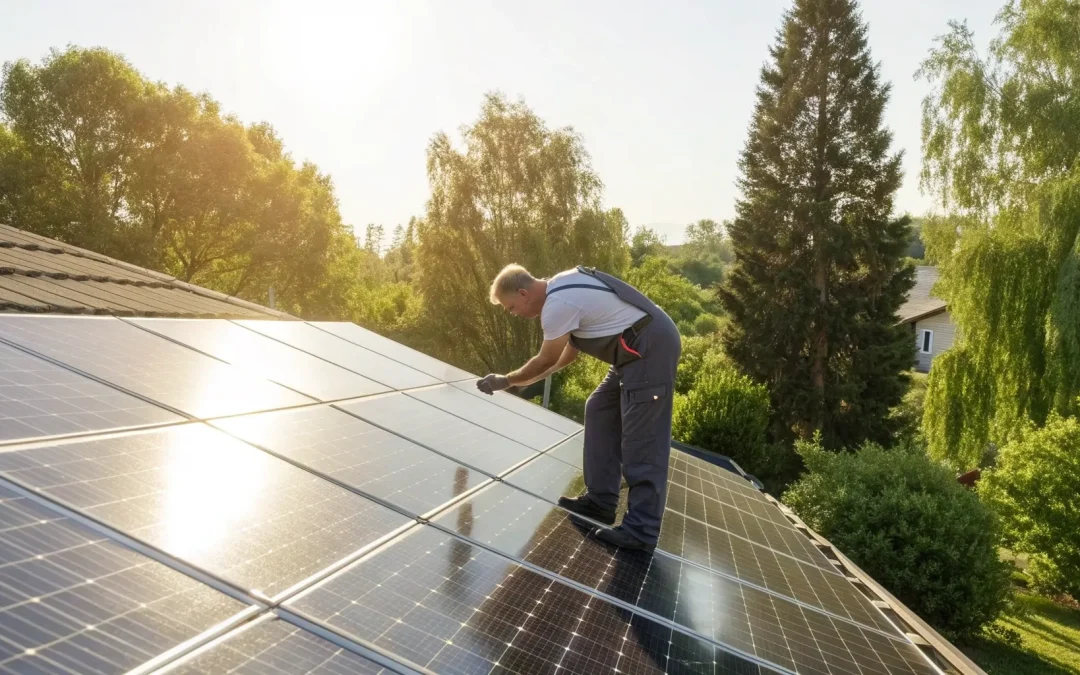
You made a significant investment in your home’s future when you decided to go solar. Like any major home system, from your HVAC to your roof, it deserves professional care to keep it running efficiently for decades. While solar panels are designed for longevity, issues can occasionally arise. When they do, you want to be sure the job is handled correctly to protect your warranty and ensure your family’s safety. Calling a qualified solar repair service isn’t just about fixing a problem; it’s about safeguarding the value and performance of your entire system. We’ll explore the signs that indicate you need a professional, what a typical repair process looks like, and how to find a certified expert you can trust with your home’s energy production.
Key Takeaways
- Monitor your system’s performance regularly: Your monitoring app and monthly utility bills are the best indicators of a problem. A sudden drop in energy production or a spike in your bill is a clear sign it’s time to call for a professional inspection.
- Leave electrical repairs to the experts: Your solar system is a high-voltage power source. For your safety and to protect your warranty, never attempt to fix wiring, inverters, or panels yourself—always contact a certified technician for these issues.
- Keep your warranty info handy and vet your pros: Organize your manufacturer and installer warranty documents so you know what’s covered. If you need a repair, choose a certified, insured, and licensed company to ensure quality work and protect your investment.
Why Do Solar Panels Need Professional Repair?
Your solar panels are built tough, designed to withstand the elements for decades. But just like any other major home system, they aren’t completely invincible. Over time, issues can arise from severe weather, component aging, or even problems with the initial setup. While solar energy systems are wonderfully low-maintenance, they are also complex electrical systems. When something goes wrong, calling a professional isn’t just about getting a quick fix—it’s about protecting your investment, ensuring your system runs efficiently, and keeping your home safe. Attempting to diagnose or fix electrical issues yourself can be dangerous and may void your warranty. A certified technician has the right tools and training to safely identify and resolve the problem, getting your system back to generating clean energy for your home.
Weather, Debris, and Physical Damage
Solar panels are engineered to be durable, but they can still take a hit from Mother Nature. A severe hailstorm, a fallen tree branch, or even animals can cause cracks, scratches, or other physical damage to the glass surface. While a small crack might not seem like a big deal, it can let moisture seep into the panel, leading to corrosion and a significant drop in performance over time. Debris buildup from storms can also block sunlight or hide underlying damage. If you notice any visible changes to your panels after a storm, it’s wise to schedule an inspection. A professional can assess the severity of the damage and determine if a simple repair or a full panel replacement is needed to keep your system running at its best.
Poor Installation and Faulty Parts
The long-term health of your solar system starts with a high-quality solar panel installation. If the initial setup was rushed or handled by an inexperienced team, problems can surface months or even years later. Issues like improper wiring, loose racking, or poor panel placement can reduce energy production and create serious safety hazards. Sometimes, the problem isn’t the installation but a faulty component. A defective inverter or a bad connection can bring your whole system to a halt. As Maryland’s oldest family-run solar firm, we’ve seen how crucial expert installation is for preventing future headaches. A professional technician can trace the source of the problem, whether it’s a workmanship issue or a malfunctioning part, and make the right repairs.
How Age Affects Performance
Just like other electronics, solar panels experience a gradual decline in efficiency as they get older. This is a normal process called degradation, and reputable manufacturers provide warranties that guarantee a certain level of output for 25 years or more. However, if you notice a sudden or steep drop in your energy production, it could signal a problem beyond normal aging. One or more panels might be failing prematurely, or another component could be wearing out. A professional can run diagnostics to measure your system’s performance against its expected output. This helps determine if the decline is normal or if a specific part needs to be repaired or replaced to restore your system’s efficiency.
Common System Malfunctions
Your solar energy system is more than just the panels on your roof. It’s an interconnected network of components, and a problem with any one of them can affect the entire system. One of the most common points of failure is the solar panel inverter, the device that converts the DC electricity from your panels into the AC electricity your home uses. Other frequent issues include faulty wiring, monitoring system errors that prevent you from tracking your production, or problems with your battery backup. These are complex electrical issues that require specialized knowledge to diagnose and fix safely. A qualified solar repair technician can quickly identify the root cause and perform the necessary repairs to get you back up and running.
How to Spot a Problem with Your Solar System
Your solar panel system is built to be durable, but it’s not completely invincible. Since your panels are on the roof, you might not notice a problem right away. The good news is that most solar systems give off clear warning signs when something isn’t right. Knowing what to look for is the first step in keeping your system running smoothly and protecting your investment. From a higher-than-usual energy bill to alerts on your monitoring app, these clues can help you catch minor issues before they become major headaches.
Signs of Lower Energy Output
One of the first and most obvious signs of a problem is an unexpected spike in your monthly utility bill. If your energy habits haven’t changed but your bill is creeping up, it’s a strong indicator that your panels aren’t producing as much electricity as they should. This drop in performance can be caused by a number of things, from dirty panels to more complex issues like a failing solar panel inverter or faulty wiring. Take a look at your bills from the same time last year to see if there’s a significant difference. A consistent increase suggests it’s time to investigate further.
What Physical Damage Looks Like
You don’t need to climb on your roof to check for physical damage. A quick visual inspection from the ground with a pair of binoculars can tell you a lot. Look for any obvious cracks, chips, or discoloration on the panels. Severe weather, falling tree branches, or even strong winds can sometimes cause damage, including tiny microcracks that are hard to see but can still affect performance. If you notice anything that looks out of place, like loose racking or debris piled on top of the panels, it’s worth noting. Catching physical damage early can prevent water intrusion and more significant electrical problems down the line.
What Your Monitoring System Is Telling You
Your solar monitoring app is your system’s personal health tracker. Make it a habit to check in on it at least once a week. This software shows you exactly how much energy your panels are generating in real-time. A sudden, unexplained drop in production is a clear red flag that something is wrong. Many monitoring systems will also display specific error codes or alerts that can help diagnose the problem, whether it’s an issue with a single panel or the entire system. This information is incredibly helpful when you contact a professional for service, as it gives them a head start on figuring out the solution.
When to Call for an Emergency Repair
While a dip in energy production is cause for concern, some issues require immediate attention. If you see exposed wiring, notice significant water leaking near your inverter, or hear buzzing or popping sounds coming from any of your solar equipment, it’s time to call for an emergency repair. These can be signs of serious electrical hazards that put your home and family at risk. Don’t try to diagnose or fix these problems yourself. Shut down your system if you know how to do so safely, and contact a certified solar technician right away to ensure the issue is handled correctly and safely.
What Does a Solar Repair Service Fix?
When your solar system isn’t working correctly, it can feel overwhelming. You know something is wrong, but where do you even start? That’s where a professional solar repair service comes in. Their job is to diagnose and resolve issues anywhere in your system, from the panels on your roof to the wiring in your walls. Think of them as detectives for your home’s energy production.
A qualified technician doesn’t just look at the obvious problem. They assess the health of your entire setup to ensure every component works together seamlessly. Common solar problems can range from a sudden drop in energy output to a complete system shutdown, and the cause isn’t always easy to spot. A repair service has the specialized tools and expertise to safely identify the root of the issue, whether it’s a faulty part, physical damage, or a connection problem. They handle everything from minor tweaks and cleaning to major component replacements, getting your system back online and producing the clean energy you count on.
Repairing or Replacing Panels
Your solar panels are built to be durable, but they aren’t invincible. Severe weather, falling tree limbs, or even animals can cause cracks, scratches, or other physical damage. When you call a repair service, a technician will carefully inspect each panel to determine the extent of the problem. Sometimes, a minor issue can be repaired, but significant damage often means the panel needs to be replaced to restore your system’s efficiency and safety. A professional can source the right replacement and ensure your new solar panel installation integrates perfectly with your existing array, protecting your investment for years to come.
Troubleshooting Your Inverter
The inverter is the hardworking brain of your solar system, converting the direct current (DC) energy from your panels into alternating current (AC) that your home can use. Because it’s such a complex piece of equipment, it can sometimes be the source of system failures. If your monitoring system shows an error code or your energy production suddenly drops, the inverter is one of the first things a technician will check. They can run diagnostics to identify hardware malfunctions or software glitches and determine if your solar panel inverters need a simple reset, a repair, or a full replacement.
Solving Wiring and Connection Issues
Your solar energy system relies on a complex network of wiring to carry power from your panels to your home. Over time, connections can loosen, or critters might decide to chew on the protective casing, creating a serious safety risk. Damaged wiring is a clear fire hazard that requires immediate attention from a professional. A solar repair technician will meticulously inspect all wiring and connections for signs of wear, corrosion, or damage. They can tighten loose fittings, replace damaged wires, and ensure your entire system is secure and up to code, preventing potential power loss and keeping your home safe.
Maintaining Your Battery Backup
If you have a solar battery, you know how valuable it is for keeping the lights on during an outage. Just like the other parts of your system, your battery needs occasional attention to perform its best. A solar repair service can troubleshoot issues with your solar panel battery backup, whether it’s not holding a charge or failing to communicate with the rest of your system. Technicians are trained to work with leading brands like Enphase, ensuring they can diagnose monitoring errors, check connections, and keep your energy storage system ready for when you need it most.
Professional Cleaning Services
It’s easy to forget that a simple layer of dirt, pollen, or bird droppings on your solar panels can reduce their energy output. While you might be tempted to hose them down yourself, getting on the roof can be dangerous, and using the wrong cleaning methods could scratch the glass. A professional cleaning service is a safe and effective way to restore your panels’ efficiency. Technicians use the proper equipment and techniques to gently remove buildup without causing damage. Regular cleanings are a small investment that helps you get the maximum benefits from your solar panels all year long.
What Do Solar Repairs Cost?
Talking about repair costs can feel a little stressful, but knowing what to expect makes the process much smoother. The price of a solar repair isn’t one-size-fits-all; it depends on what needs fixing, the complexity of the job, and what your warranty covers. Think of it like car maintenance—a simple fix is much different from a major component replacement. Most homeowners find that solar repairs are infrequent, especially with a quality installation, but it’s smart to have a general idea of potential costs.
The good news is that many common issues are relatively minor. The final bill will be a combination of the cost for new parts and the labor required to get your system back to peak performance. On average, you can expect a typical solar panel repair to fall somewhere between $400 and $1,000. We’ll break down the different factors that contribute to that cost so you can feel prepared and confident when you need to call in a professional. Understanding these elements helps you see the value in a solid warranty and a proactive maintenance plan, which can save you a lot of money and headaches down the road.
The Cost of Replacing Parts
When a part of your solar system fails, the replacement cost is often the biggest piece of the repair bill. The price varies widely depending on the component. For example, replacing a single damaged solar panel is less expensive than replacing a malfunctioning inverter, which is the brain of your system. Some of the most common parts that may need attention over the years include the solar panel inverters that convert DC power to usable AC power for your home. The average cost to fix a solar panel issue can range from a few hundred to over a thousand dollars, depending on the specific part and its availability.
Factoring in Labor and Service Fees
Beyond the cost of the parts, you also have to account for the technician’s time and expertise. Most solar companies charge a service fee just to come to your home and diagnose the problem, which typically runs between $200 and $300. From there, the hourly labor rate for the actual repair work is usually $150 or more. This is where having a trusted, local repair service pays off. An experienced technician can identify and fix the problem efficiently, which keeps those hourly labor costs from adding up.
How Your Warranty Can Help
Your warranty is your best friend when it comes to managing repair costs. Most solar panel systems come with a few different warranties: one for the panels themselves, one for the inverter, and one from your installer that covers their workmanship. Manufacturer warranties usually cover the cost of a faulty part, but it’s important to know that they often don’t cover the labor to install it. That’s why a strong installer warranty is so valuable. Be sure to read through your paperwork to understand exactly what is covered, for how long, and what the process is for filing a claim.
Emergency vs. Scheduled Repair Costs
Not all repairs are created equal. A scheduled maintenance check is very different from an emergency call after a major storm. Common issues that might require a service call include inverter failures, sudden drops in power production, or visible damage to your panels. If your system shuts down completely or you see exposed wiring, that’s an emergency. While emergency services can sometimes come with a higher price tag due to the urgency, addressing the problem quickly is crucial for safety and preventing further damage to your system, including your solar panel battery backup.
The Value of a Maintenance Plan
The best way to control repair costs is to prevent major issues from happening in the first place. A proactive maintenance plan is an investment in your system’s health and longevity. Regular inspections can catch small problems—like loose wiring or debris buildup—before they turn into costly failures. As experts note, routine cleaning and timely repairs not only enhance the efficiency of your system but also ensure you’re getting the most out of your investment. Think of it as a check-up for your home’s hardest-working feature. If you’re interested in a plan, you can always contact us to learn more.
How to Choose a Solar Repair Company
When your solar system needs a fix, you want a team you can trust to get the job done right. Your solar panels are a major investment, and the quality of a repair can directly impact their performance and lifespan. But finding the right company can feel like a challenge, especially if your original installer isn’t available. The key is to look for a provider with proven expertise, a solid reputation, and a commitment to customer service. Think of it as hiring any other skilled professional to work on your home—you want someone who is qualified, insured, and transparent.
A great solar repair company won’t just fix the immediate problem; they’ll also help you understand what went wrong and how to prevent future issues. They should be able to work with various types of equipment, from solar panel inverters to battery backup systems. Taking a little time to vet your options will give you peace of mind and ensure your system gets back to generating clean energy for your home as quickly as possible.
Look for Key Certifications (Like NABCEP)
Before you let anyone work on your solar system, check their credentials. Certifications are a clear indicator that a technician has met high industry standards for knowledge and skill. The most respected credential in the solar world is from the North American Board of Certified Energy Practitioners (NABCEP). The NABCEP PV Installation Professional certification is widely considered the gold standard, proving a professional has comprehensive training and experience. Asking a company if their technicians are NABCEP-certified is a simple first step to ensure you’re dealing with a true expert who is serious about their craft.
Verify Insurance and Licensing
This step is non-negotiable. A legitimate solar repair company must have proper licensing and insurance, including general liability and worker’s compensation. This protects you, the homeowner, from any liability in case of an accident or damage to your property during the repair. A professional company will gladly provide you with proof of their insurance and license numbers. If a company hesitates or can’t produce these documents, consider it a major red flag. Proper insurance is a sign of a stable, professional business that takes responsibility for its work and its team.
Check Their Service and Response Times
When your solar system is down, every day of lost production costs you money. That’s why a company’s responsiveness is so important. Look for a local company with a reputation for prompt service. You can gauge this by reading online reviews or simply by how quickly they respond to your initial inquiry. Ask them about their typical timeline for diagnosing a problem and completing a repair. A company that offers proactive care and clear communication can help you avoid expensive problems down the road and get your system running efficiently again without unnecessary delays.
Key Questions to Ask Before You Hire
To find the best fit, you need to ask the right questions. Being prepared for your initial conversation can help you quickly assess a company’s experience and professionalism.
Here are a few key questions to get you started:
- How many years have you been specifically doing solar repairs?
- Do you have experience with my brand of solar panels and inverter?
- What kind of warranty do you offer on your repair work and any new parts?
- Can you provide a detailed, itemized quote for the repair?
A trustworthy company will be able to answer these questions clearly and confidently. You can also check their website for an FAQ page, which often addresses these common concerns.
Red Flags to Watch Out For
Just as important as knowing what to look for is knowing what to avoid. Steer clear of any company that uses high-pressure sales tactics, like telling you an offer is only good for today. Be wary of anyone who shows up at your door unsolicited or gives vague answers to your questions. An unusually low bid might also be a warning sign, as it could indicate the use of subpar parts or inexperienced labor. Finally, be cautious of grand promises. While solar panels offer incredible benefits, a contractor who guarantees you’ll completely eliminate your electricity bill might not be giving you the full picture.
DIY vs. Professional Solar Repairs
When it comes to maintaining your solar panel system, knowing what you can handle yourself and when to call for backup is key. While some minor upkeep is perfectly safe for homeowners, most repairs involve high-voltage electricity and working at heights. Attempting complex repairs on your own can be dangerous and could even void your system’s warranty. Let’s break down which tasks are safe for you to tackle and which ones require a professional touch.
Why Safety Comes First
Your safety is the top priority. Solar systems produce significant electricity, and working on a roof is risky. Professionals use specialized safety gear to prevent falls and electrical shocks. Never try to fix loose wires, troubleshoot shorts, or open your inverter—these tasks are extremely hazardous without proper training. A technician knows how to safely diagnose problems without putting you or your home at risk. If you’re ever unsure, it’s always best to contact a certified expert.
Simple Maintenance You Can Do Yourself
You can play an active role in keeping your system in top shape. The most important task is a regular visual inspection from the ground. Look for debris like leaves or branches covering the panels. Gentle cleaning is another great DIY task. About twice a year, use a soft brush and a garden hose to wash away dust and pollen. This simple step helps your panels operate at peak efficiency and is a great way to stay on top of your investment.
When to Leave It to the Pros
It’s crucial to recognize when a problem is beyond a simple cleaning. Call a professional if you notice a significant, unexplained drop in energy output. Any error codes or warning lights on your solar panel inverters are a clear sign to get an expert opinion. If you see cracked panels, loose wiring, or signs of water damage, don’t attempt a fix yourself. A certified technician has the right tools to pinpoint the cause and perform the repair correctly.
Your Preventive Maintenance Checklist
Preventive maintenance is the best way to avoid costly repairs. This simple checklist can help you catch potential issues early.
- Monthly Visual Check: From the ground, scan your panels for dirt, debris, or visible damage.
- Monitor Your Performance: Check your system’s monitoring app regularly for any sudden dips in energy production.
- Semi-Annual Cleaning: Gently wash your panels once or twice a year to clear away grime.
- Annual Professional Inspection: Consider a yearly professional inspection to check wiring, connections, and overall system health.
How to Protect Your Solar Investment
Going solar is a significant and smart decision for your home. To ensure you get the most out of it for years to come, a little proactive care goes a long way. Protecting your solar investment isn’t complicated; it’s about establishing a few good habits that keep your system running efficiently and extend its lifespan. Think of it as simple upkeep that safeguards your energy savings and gives you continued peace of mind.
Schedule Regular Inspections
One of the best things you can do for your solar panel system is to schedule regular professional inspections. While you can and should give your panels a visual check from the ground for any obvious debris or dirt, a professional technician can spot issues you can’t see. During an inspection, a certified expert will check for things like loose racking, damaged wiring, and signs of wear on the components.
They’ll also test the electrical system to confirm everything is functioning safely and at peak performance. Catching a small issue early, like a cracked panel or a faulty connection, prevents it from turning into a major, costly repair. We recommend having your system professionally inspected at least once a year to keep it in top shape. You can contact us to set up a routine check-up with our team.
Keep an Eye on Your System’s Performance
Modern solar energy systems make it incredibly easy to track your energy production. Most come with a monitoring app that lets you see how much power your panels are generating in real time. Make it a habit to check your app weekly or bi-weekly. You’ll quickly get a feel for what’s normal for your system during different seasons and weather conditions.
If you notice a sudden or significant drop in energy output that you can’t explain, it’s a clear signal that something might be wrong. It could be an issue with a single panel or a problem with the solar panel inverters that convert solar energy into usable electricity for your home. Addressing these performance dips quickly ensures you continue to get the energy savings you expect.
Keep Your Paperwork Organized
When you had your solar panels installed, you likely received a stack of documents. It’s a great idea to keep all of this paperwork—including your contract, warranty information for the panels and inverter, and any maintenance records—in one organized place. A dedicated folder, either physical or digital, works perfectly.
Having these documents handy is incredibly helpful if you ever need to file a warranty claim. Remember that warranties often cover the cost of faulty parts but may not cover the labor for the repair. Knowing the specifics of your coverage can save you from unexpected expenses. If you have questions about your warranty, our FAQ page is a great resource.
Tips to Maximize Your System’s Output
Beyond inspections and monitoring, a few simple actions can help your system produce as much clean energy as possible. First, keep your panels clean. While rain often does a decent job, removing any accumulated dust, pollen, or bird droppings will help them capture more sunlight. Also, be mindful of your landscaping. Trim back any tree branches that have grown and started to cast shadows on your panels, as shade is a major cause of reduced output.
By combining regular cleaning, professional inspections, and timely repairs, you’ll enhance your system’s efficiency and longevity. A well-maintained system not only saves you more money but also maximizes the environmental benefits of solar energy.
Understanding Your Solar Warranty
Your solar energy system is a significant investment, and like any major home upgrade, it comes with warranties to protect you. Understanding these guarantees is key to having peace of mind for years to come. Typically, your system is covered by two main types of warranties: one from the manufacturer of the equipment and another from the company that installed it. Knowing the difference will help you figure out who to call and what to expect if an issue ever pops up. It’s always a good idea to keep your warranty documents in a safe, accessible place alongside your original contract.
What the Manufacturer Warranty Covers
The manufacturer’s warranty covers the physical equipment itself—your solar panels, inverters, and racking. These warranties protect you against defects, premature wear, and equipment failures. For example, a panel might have a 25-year performance warranty, guaranteeing it will produce a certain percentage of its original output after two decades. While these warranties are great for covering faulty parts, they often don’t pay for the labor needed to diagnose the problem or install the replacement. That’s why we partner with industry leaders like QCELLS and Enphase, who not only provide top-tier products like reliable solar panel inverters but also stand firmly behind them with comprehensive coverage.
What Your Installer’s Guarantee Includes
This is where your installation company’s promise comes into play. An installer’s guarantee, or workmanship warranty, covers the quality of the installation itself. This is crucial because a poorly installed system can lead to roof leaks, electrical problems, or underperformance, even with the best equipment. A strong workmanship warranty should cover the labor costs to fix any issues that arise from the installation process. As Maryland’s oldest family-run solar firm, we take pride in our work and provide a guarantee that reflects our commitment to quality. This ensures that if a problem is traced back to our workmanship, we’ll be there to make it right.
Does Homeowners Insurance Cover Solar Panels?
In many cases, yes. Homeowners insurance often covers solar panels since they are considered a permanent fixture of your home. Your policy might cover damage from events like bad weather, falling trees, or fires. However, coverage isn’t automatic, and every policy is different. It’s essential to call your insurance agent before your solar panel installation to discuss adding your system to your policy. They can tell you exactly what’s covered and whether you need to adjust your coverage limits to fully protect your investment. Taking this simple step ensures you won’t be caught off guard by unexpected repair costs from a covered event.
How to File a Warranty Claim
If you suspect something is wrong with your solar system, the first step is simple: contact your original solar installer. Even if you think it’s an equipment issue, your installer is your primary point of contact. They have the expertise to diagnose the problem correctly. When you call, be ready to describe the issue you’re seeing, whether it’s a drop in energy production or a notification from your monitoring app. Your installer will assess the situation and determine if the problem stems from the equipment or the installation. From there, they will manage the warranty claim process for you, working directly with the manufacturer if needed to secure a replacement part and schedule the repair.
Related Articles
- Maintaining Solar system installations for efficiency
- Solar Panel Malfunctions: A Troubleshooting Guide
- Maintenance: the Hidden Aspect of Solar Panel Performance
- Solar Panel Maintenance Checklist You Should Follow
- Solar power system maintenance tips you can’t miss
Frequently Asked Questions
My energy bill suddenly went up. Does that mean my solar panels are broken? An unexpected spike in your utility bill is definitely a sign that your system isn’t performing at its best, but it doesn’t automatically mean a part is broken. The cause could be as simple as a layer of dirt or pollen blocking sunlight, or it could be related to a component like your inverter. The first step is to check your solar monitoring app for any alerts or a noticeable drop in production. If everything looks normal there but your bill is still high, it’s a good time to schedule a professional inspection to diagnose the root cause.
How often should I have my solar panels professionally inspected? While solar panels are wonderfully low-maintenance, we recommend a professional inspection about once a year. Think of it as a wellness check-up for your home’s energy system. A technician can spot subtle issues you might not see from the ground, like loose wiring or minor damage, and ensure every component is working safely and efficiently. This proactive step is one of the best ways to prevent small problems from turning into more expensive repairs down the road.
Can I clean my solar panels myself? Yes, you can handle light cleaning yourself, and it’s a great way to keep your system efficient. If you can safely reach them, a simple rinse with a garden hose is often enough to wash away dust and pollen. However, for stubborn grime or if your roof is steep or hard to access, it’s always safer to call a professional service. They have the right equipment to do the job safely without risking damage to your panels or yourself.
What’s the difference between my installer’s warranty and the manufacturer’s warranty? This is a great question because it can be confusing. The manufacturer’s warranty covers the physical equipment, like the solar panels and the inverter, against defects. If a part fails prematurely, this warranty typically covers the cost of the replacement part. Your installer’s warranty, often called a workmanship warranty, covers the quality of the installation itself. This protects you from issues like roof leaks or faulty wiring caused by the installation process and usually covers the labor costs for those specific repairs.
My original solar installer is no longer in business. Can you still repair my system? Absolutely. It’s a situation many homeowners face, and a reputable, experienced solar company can service and repair systems they didn’t originally install. Our technicians are trained to work with a wide variety of equipment from leading brands. We can diagnose the problem, source the correct parts, and handle any necessary warranty claims with the manufacturer on your behalf to get your system back up and running.
Recent Comments