
So, you’re thinking about solar panels and have one big question: what’s the catch? Specifically, what will it cost to maintain them over the next 25 years? It’s a fair question, and you deserve a clear answer. The truth is, the costs are minimal and predictable. Most homeowners budget for a simple annual check-up that includes cleaning and inspection. To truly grasp the value, it helps to think small—not in thousands of dollars, but in pennies. The solar panel maintenance cost per kWh is typically just one or two cents, a tiny investment to ensure your system keeps producing clean, free energy for your home.
Key Takeaways
- Budgeting for upkeep is simple and low-cost: Expect to spend a few hundred dollars a year for professional service, a minor investment that ensures your system continues to generate maximum power and savings.
- A little upkeep protects your long-term savings: Regular cleaning and inspections prevent energy loss from buildup, extend the lifespan of your equipment, and ensure you get the best possible return on your solar investment for decades.
- Know when to call a professional: While you can monitor your system’s output and perform simple, ground-level cleaning, always leave roof work and electrical inspections to trained experts to protect yourself and your warranty.
How Much Does Solar Panel Maintenance Really Cost?
When you invest in a solar energy system, you’re making a long-term commitment to lower energy bills and a smaller carbon footprint. But like any major home upgrade, it needs a little upkeep to perform at its best. The good news is that solar panels are incredibly durable and require minimal maintenance, and the costs are much lower than you might think.
Let’s break down the numbers so you can see just how affordable it is to keep your system running smoothly for years to come.
A Look at Annual Expenses
For most homeowners, annual solar panel maintenance costs fall somewhere between $150 and $500. This range typically covers professional cleaning and a basic inspection to make sure everything is in working order. Think of it as a yearly check-up for your energy system.
On average, you can plan for about $31 for every kilowatt (kW) of solar power you have installed. A simple cleaning service might be on the lower end of that $150-$500 spectrum, while a more comprehensive inspection could be higher. For most residential systems, the cost is a small price to pay to protect your investment and ensure you’re getting all the benefits of solar energy.
How Costs Vary by System Size
It makes sense that the size of your solar panel system will influence your maintenance costs—more panels simply take more time to clean and inspect. For example, a standard 6kW home system might only require a budget of around $200 each year for upkeep.
While a larger or more complex solar panel installation may have a higher total maintenance cost, the price per panel or per kilowatt remains consistently low. This makes your annual budget predictable and easy to manage, no matter the size of your array. It’s a scalable expense that grows with your system, but it never gets out of hand.
The Price Per Kilowatt
Here’s where the value of solar maintenance really becomes clear. When you spread the cost over the entire lifespan of your system, professional upkeep adds only about two to five cents to the cost of each kilowatt-hour (kWh) of electricity your panels produce. A kWh is the same unit of energy you see on your utility bill.
When you compare that tiny amount to what you’d otherwise pay your utility company, it’s easy to see why maintenance is such a smart move. It’s a small, strategic investment to ensure your system continues to generate maximum power, keeping your energy bills low for decades. Properly maintained equipment, like your solar panel inverters, is key to achieving that long-term performance.
What’s the Maintenance Cost Per kWh?
When you think about the cost of solar, it’s easy to focus on the initial installation. But what about the long run? The good news is that solar panel maintenance is incredibly affordable, especially when you break it down by the amount of energy your system produces. This measurement, the cost per kilowatt-hour (kWh), gives you a clear picture of your long-term expenses.
Think of it this way: for every kilowatt-hour of clean energy your panels generate, a tiny fraction of a cent goes toward their upkeep. Over the life of your system, maintenance typically adds only about $0.02 to $0.05 per kWh to your cost. Compared to the price you pay for electricity from the utility company, this is a very small number. This minimal expense ensures your system runs efficiently for decades, protecting your investment and keeping your energy savings on track. It’s less of a cost and more of a smart strategy to maximize the benefits of solar energy.
How Upkeep Affects Your Energy Output
A little bit of care goes a long way in keeping your solar panels working at their best. The primary goal of maintenance is to ensure nothing is blocking the sun from reaching the solar cells. Things like dirt, dust, pollen, and bird droppings can accumulate over time, and this buildup can significantly reduce your system’s energy production—by up to 30% in some cases.
Regular upkeep ensures your panels stay clean and clear, allowing them to absorb the maximum amount of sunlight. This directly translates to more clean energy for your home and more predictable utility bills. Proper care is what helps your solar panel installation continue to be a high-performing asset for years to come, giving you peace of mind and consistent energy savings.
Factors in Lifetime System Performance
Solar panels are built to be durable, but like any technology, their performance changes slightly over time. Panels experience a very slow, natural decline in efficiency called degradation, which is usually about 0.5% per year. This means that even after 20 years, your panels should still produce over 90% of their original power.
However, consistent maintenance can make a big difference. Well-maintained panels can still operate at up to 95% of their original capacity after two decades. By keeping your panels clean and having them inspected for any potential issues, you help slow down this degradation process. This ensures your system generates as much power as possible throughout its entire lifespan, protecting your long-term return on investment.
A Quick Cost Comparison: $0.01–$0.04 Per kWh
Let’s put the numbers into perspective. The lifetime maintenance cost for a residential solar system generally falls between $0.01 and $0.04 per kWh. Now, compare that to the average price of electricity from the grid in the Mid-Atlantic region, which can be 15 cents per kWh or more. The cost of maintaining your solar panels is just a tiny fraction of what you’d pay for traditional electricity.
This small, ongoing investment in upkeep is one of the smartest financial decisions you can make as a solar owner. It protects your system, maximizes your energy production, and ensures you continue to save money for years. If you’re curious about what your total costs and savings could look like, getting a free solar estimate is a great next step.
What Factors Change Your Maintenance Costs?
Your neighbor’s solar maintenance bill might look completely different from yours. That’s because costs aren’t universal—they depend on a few key variables specific to your home and system. Let’s break down what influences your long-term expenses so you know exactly what to expect.
Your Location and Local Weather
Where you live plays a big role. Here in the Mid-Atlantic, we see it all: heavy spring pollen, autumn leaves, and winter snow. While a good rainstorm can handle light dust, significant buildup from these seasonal events can temporarily reduce your system’s output. Homes in areas with more trees or dust may require more frequent cleanings than those in clearer, open spaces. This is why a one-size-fits-all maintenance plan doesn’t really work; it has to be tailored to your environment.
Your System’s Size and Accessibility
The size and placement of your array are major cost factors. A larger system with more panels will naturally cost more to clean and inspect than a smaller one. More importantly, accessibility matters. A crew can service a ground-mounted system or panels on a low-pitch, single-story roof much faster and more safely than panels on a steep, three-story roof. Difficult access often means higher labor costs, something to consider during the initial solar panel installation design phase.
Environmental Factors like Debris and Dirt
Beyond general weather, specific environmental factors can impact performance. Things like bird droppings, sticky pollen, or nearby construction dust can create stubborn grime that rain can’t wash away. This isn’t just about looks; a significant layer of dirt can reduce your panel’s energy production by up to 30%. Regular inspections and cleanings prevent this buildup from chipping away at your energy savings over time, ensuring your system operates at its peak potential.
Planning for Inverter Replacement
Your solar panels are built to last 25 years or more, but the inverter is a different story. Think of it as the hardest-working part of your system, converting energy for your home to use. Because of this, most solar panel inverters have a lifespan of 10 to 15 years. Planning for this replacement is a key part of long-term solar ownership. A new string inverter might cost between $1,500 and $3,000, while microinverters are replaced individually at a lower cost per unit. It’s a predictable expense you can budget for down the road.
Breaking Down Cleaning and Inspection Costs
When you think about solar panel maintenance, two key tasks come to mind: cleaning and inspections. While your panels are built to be durable, a little proactive care goes a long way in keeping them efficient. Let’s break down what you can expect to budget for these services so you can plan accordingly and keep your system running smoothly for years to come.
How Much for a Professional Cleaning?
Think of professional cleaning as a spa day for your solar panels. It gets rid of the grime, pollen, and bird droppings that rain alone can’t wash away. For a professional service, you can expect to pay between $150 and $330 per visit. Depending on how dusty or pollen-heavy your area is, most homes in the Mid-Atlantic need this done two to four times a year. Annually, that puts the budget somewhere between $300 and $1,320. While that might sound like a lot, it ensures your panels are capturing as much sunlight as possible, protecting your energy production and savings.
What to Budget for Annual Inspections
An annual inspection is like a yearly check-up for your solar energy system. It’s a crucial step to catch any potential issues before they become bigger problems. A professional will check for cracks, ensure all connections are tight, and verify your inverters are working correctly. A typical inspection costs about $150 to $300. Many solar companies also offer yearly maintenance plans that bundle inspections with cleanings for a flat fee, often in the $200 to $400 range. It’s always a good idea to ask about maintenance packages to see if you can save on combined services.
Should You DIY or Hire a Pro?
It can be tempting to save a few dollars and handle maintenance yourself, but it’s important to weigh the pros and cons. For light dust, a simple rinse with a garden hose from the ground is usually safe and effective. However, when it comes to deep cleaning or getting on the roof, it’s best to call a professional. Climbing on a roof is risky, and you’re dealing with a sophisticated electrical system. Hiring trusted professionals not only keeps you safe but also ensures the job is done correctly without accidentally damaging the panels or voiding your warranty.
How to Lower Your Solar Maintenance Costs
While solar panels are wonderfully low-maintenance, a little proactive care can make a big difference in their performance and your long-term savings. Think of it like regular upkeep for your car—a few simple checks can prevent bigger headaches down the road. Taking these small steps helps ensure your system produces the maximum amount of clean energy for years to come. Here are a few practical ways to keep your maintenance costs down and your energy output high.
Try Safe DIY Cleaning
For many homeowners, cleaning solar panels is a surprisingly simple task. If your panels are on the ground or a low-angled, easily accessible roof, you can often handle the job yourself with a standard garden hose and a soft-bristled brush. A gentle rinse is usually enough to wash away dust and pollen that can accumulate over time. However, safety should always be your top priority. If your panels are on a steep or high roof, or if you notice any issues with wiring, it’s best to contact a professional. Never risk a fall or attempt electrical work without proper training.
Monitor Your System’s Performance
One of the best ways to keep maintenance costs low is to catch problems early. Modern solar systems make this easy. Many systems, especially those with advanced solar panel inverters, come with user-friendly monitoring apps for your phone or computer. Take a few minutes each month to check your system’s energy production. If you notice a sudden or significant drop in output that isn’t related to cloudy weather, it could be an early sign of an issue. This proactive approach allows you to address minor problems, like a single malfunctioning panel or loose connection, before they turn into larger, more expensive repairs.
Practice Seasonal Upkeep
A little seasonal attention can go a long way in keeping your solar panels working efficiently. Here’s a simple checklist to follow throughout the year:
- Spring: Gently rinse away pollen after the trees have bloomed. It’s also a good time to trim back any new tree branches that might cast shadows on your panels.
- Summer: During long, dry spells, a quick rinse can clear off dust. Keep an eye out for any birds or pests trying to nest under your panels.
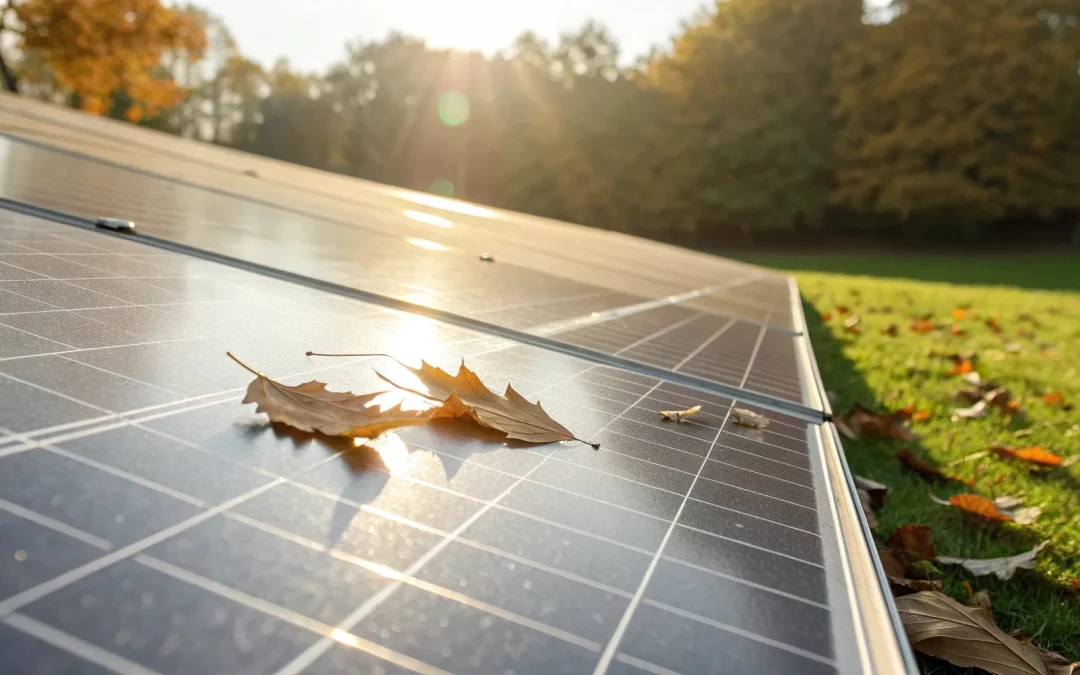
- Fall: Clear away fallen leaves and debris that can cover your panels and block sunlight, especially after a windy day.
- Winter: After a heavy snowfall, use a soft-headed roof rake or brush to gently remove snow. Avoid using metal tools or hot water, as they can damage the panels.
Ask About Maintenance Packages
If you prefer a more hands-off approach, ask your solar installer about their maintenance packages. Many companies offer annual or semi-annual service plans that bundle key services like professional cleaning, thorough inspections, and performance checks. These plans provide peace of mind, ensuring an expert is regularly checking your system for potential issues. While there’s an upfront cost, it can often be more affordable than paying for individual service calls. It’s a great way to budget for upkeep and ensure your investment continues to deliver the many benefits of solar energy without any surprises.
4 Common Myths About Solar Panel Maintenance
When you’re thinking about switching to solar, you want to know exactly what you’re signing up for—especially when it comes to upkeep. There’s a lot of chatter out there about solar panel maintenance, and it’s easy to get tangled up in misinformation. Let’s clear the air and look at what taking care of a solar energy system really involves by tackling four of the most common myths.
Myth #1: “Solar panels are completely maintenance-free.”
While it’s true that solar panels are incredibly durable and designed to be low-maintenance, they aren’t entirely “set it and forget it.” Many homeowners report paying little to nothing for upkeep in the first few years. However, thinking they need zero attention is a stretch. Occasional cleaning and inspections are key to making sure your system performs at its best for its entire 25+ year lifespan. Think of it like owning a car—you don’t fix it every day, but you do take it for a check-up to keep it running smoothly. A well-maintained solar panel installation is an efficient one.
Myth #2: “The maintenance costs are too high.”
This is a big one that holds people back, but the numbers tell a different story. The reality is that maintaining your solar panels costs very little. Over the lifetime of your system, upkeep typically adds only about $0.01 to $0.04 for every kilowatt-hour (kWh) of electricity your panels produce. When you compare that tiny cost to the significant savings on your utility bills, it’s clear that maintenance is a small, worthwhile investment. It’s a minor expense that protects your system and ensures you continue to enjoy the financial benefits of solar energy for decades.
Myth #3: “My warranty will cover all repairs.”
Warranties are a fantastic safety net, but they don’t cover everything under the sun. It’s important to read the fine print. Most solar warranties are separated into a few categories: a product warranty for defects (10-25 years), a performance warranty for energy output (25 years), and an installation or workmanship warranty (5-10 years). Your solar panel inverters, a critical component of your system, often have their own separate warranty of 10-15 years. Always check if labor costs are included, as some warranties only cover the replacement part, not the work to install it.
Myth #4: “You have to clean them all the time.”
If you’re picturing yourself on the roof with a bucket and sponge every weekend, you can relax. While clean panels are more efficient, they don’t need constant cleaning. For most homes, a professional cleaning 2-4 times a year is plenty to keep them free of dirt, pollen, and debris that can block sunlight. Here in the Mid-Atlantic, seasonal rain helps wash away a lot of the daily buildup. A professional cleaning can cost between $150 and $330, but it ensures the job is done safely and thoroughly, keeping your system in peak condition. You can find more answers to questions like this on our FAQ page.
When Is It Time to Call a Professional?
While light cleaning and monitoring are manageable for most homeowners, some situations absolutely require a professional touch. Knowing how to spot the difference is key to protecting your investment and, more importantly, yourself. Think of it like any other major home system—sometimes a quick fix is fine, but other times you need an expert to diagnose the problem correctly and safely. If you’re ever in doubt, making the call is always the smartest move.
Warning Signs You Shouldn’t Ignore
Pay close attention to your system’s output. Most monitoring apps make this easy, but a good rule of thumb is to call for a check-up if your electricity production drops by 5% or more without a clear reason, like a string of cloudy days. You should also look for physical signs of trouble. This includes things like cracked or discolored panels, loose racking, or exposed wiring. If your system’s monitoring app sends you an alert or error code, don’t ignore it. These are early warnings that something needs attention, and addressing them quickly can prevent a small issue from becoming a bigger, more expensive problem. Our team can help you understand what these common issues mean.
Why You Should Put Safety First
This is one area where DIY can be genuinely dangerous. Getting on your roof always carries a risk of falling, and professionals have the proper safety equipment, like harnesses and ladders, to do the job securely. Beyond the height, you’re also dealing with a high-voltage electrical system. Attempting to fix wiring or electrical components without proper training can lead to severe injury or damage to your system and home. Our experienced technicians are trained to handle these components safely, ensuring that any maintenance or repair work is done correctly and to code. Your safety is the top priority, and some jobs are best left to the pros.
Noticing a Drop in Performance
One of the most obvious signs that your panels need a professional look is a sudden spike in your utility bill. If you find yourself pulling more power from the grid than usual and your bills are creeping up, it’s a strong indicator that your panels aren’t producing as much energy as they should be. Before you panic, check your monitoring software for any obvious dips in production. Compare your recent energy output to the same period last year to account for seasonal changes. If you see a consistent decline that can’t be explained by weather, it’s time to contact a professional to diagnose the issue and get your system back to peak performance.
Why Regular Maintenance Is a Smart Investment
Think of your solar panel system like a car. You wouldn’t drive it for years without an oil change or a tune-up, right? The same principle applies to your solar panels. While they are incredibly durable and require minimal upkeep, a little proactive care goes a long way. Regular maintenance isn’t just another expense; it’s a strategic investment in the performance and longevity of your system.
By scheduling routine check-ups, you ensure every component is working at its best, from the panels on your roof to the inverter that converts sunlight into usable energy. This simple step protects your initial investment, maximizes your energy savings, and gives you peace of mind. It’s about making sure the system you rely on for clean, affordable power continues to deliver for decades. Let’s look at exactly why this is such a smart move for any homeowner with solar.
Maximize Your Energy Production
The whole point of your solar panel installation is to generate as much electricity as possible. Over time, things like dust, pollen, leaves, and bird droppings can accumulate on the surface of your panels, creating a film that blocks sunlight. This reduces your system’s efficiency, meaning you produce less power and see a smaller reduction in your utility bills. Regular cleaning and inspections ensure your panels are clear and operating at peak performance. A clean system captures more sunlight, generates more electricity, and keeps your energy savings right where you want them.
Protect Your Long-Term Savings
It’s easy to look at maintenance as just another cost, but it’s more accurate to see it as a way to protect your savings. The small annual cost of professional maintenance is a tiny fraction of the money you save on electricity. In fact, it typically accounts for only 5-10% of your total energy savings. By spending a little on upkeep, you ensure your system continues to produce at a high level, safeguarding the significant financial benefits you get from going solar. It’s a small price to pay to keep your energy bills low and your return on investment high.
Extend the Life of Your System
Just like any other major home appliance, your solar energy system will last longer with proper care. Studies have shown that well-maintained systems can last up to 21% longer than neglected ones. Regular inspections can catch minor issues, like loose wiring or early signs of wear, before they become major problems. This proactive approach also slows the natural degradation rate of the panels. A neglected system can lose efficiency at a rate of 1% or more per year, while a maintained one degrades much slower, at around 0.3% annually. That difference adds up to years of extra, high-efficiency energy production.
Keep Your Warranty Valid
Your solar panels and components come with long-term warranties, which is a fantastic safety net. However, these warranties often require you to perform basic upkeep to keep them valid. Manufacturers expect you to take reasonable care of your system, and neglecting it could potentially void your coverage when you need it most. Following the recommended schedule for cleaning and professional inspections ensures you’re holding up your end of the agreement. This way, if a component fails due to a manufacturing defect, your warranty will be there to cover it. You can often find more details about this in your system’s FAQ or documentation.
Related Articles
- Maintenance: the Hidden Aspect of Solar Panel Performance
- Solar Panel Maintenance Checklist You Should Follow
- Do Solar Panels Need Maintenance? A Simple Guide
- Solar Panel Maintenance: Your Ultimate Guide
- Solar Panel Service 101: The Ultimate Guide
Frequently Asked Questions
How often do my solar panels actually need to be cleaned? For most homes in the Mid-Atlantic, a professional cleaning two to four times a year is a great schedule. Our heavy spring pollen and autumn leaves can create buildup that a simple rainstorm won’t wash away. The best indicator is your system’s performance—if you notice a dip in energy production on your monitoring app during a sunny stretch, it might be time for a cleaning.
Can’t I just let the rain wash my panels? While rain is helpful for rinsing away light surface dust, it doesn’t have the power to scrub off stubborn grime like bird droppings, caked-on pollen, or oily residue from air pollution. Think of it like your car’s windshield; rain helps, but you still need to use the wipers and fluid to get a truly clear view. A proper cleaning ensures your panels can absorb the maximum amount of sunlight.
What is the single biggest maintenance expense I should budget for? Beyond routine upkeep, the most significant cost to plan for down the road is replacing your inverter. Your solar panels are built to last for 25 years or more, but the inverter—the component that converts solar energy into usable electricity for your home—typically has a lifespan of 10 to 15 years. It’s a predictable expense that is a normal part of long-term solar ownership.
Will I void my warranty if I don’t perform regular maintenance? It’s a real risk. Most manufacturer warranties require you to take reasonable care of your equipment. If a problem arises from clear neglect, like letting debris build up for years and cause damage, the manufacturer could argue that the terms of the warranty weren’t met. Sticking to a simple maintenance schedule is the best way to protect your system and keep your coverage intact.
Is a professional maintenance plan really worth the cost? For many homeowners, the peace of mind alone makes it a smart choice. These plans often bundle services like cleaning and inspections into a predictable annual fee, which can be more affordable than paying for individual service calls. It ensures an expert is regularly checking your system for any potential issues, catching small problems before they become bigger and more expensive ones.
Recent Comments