
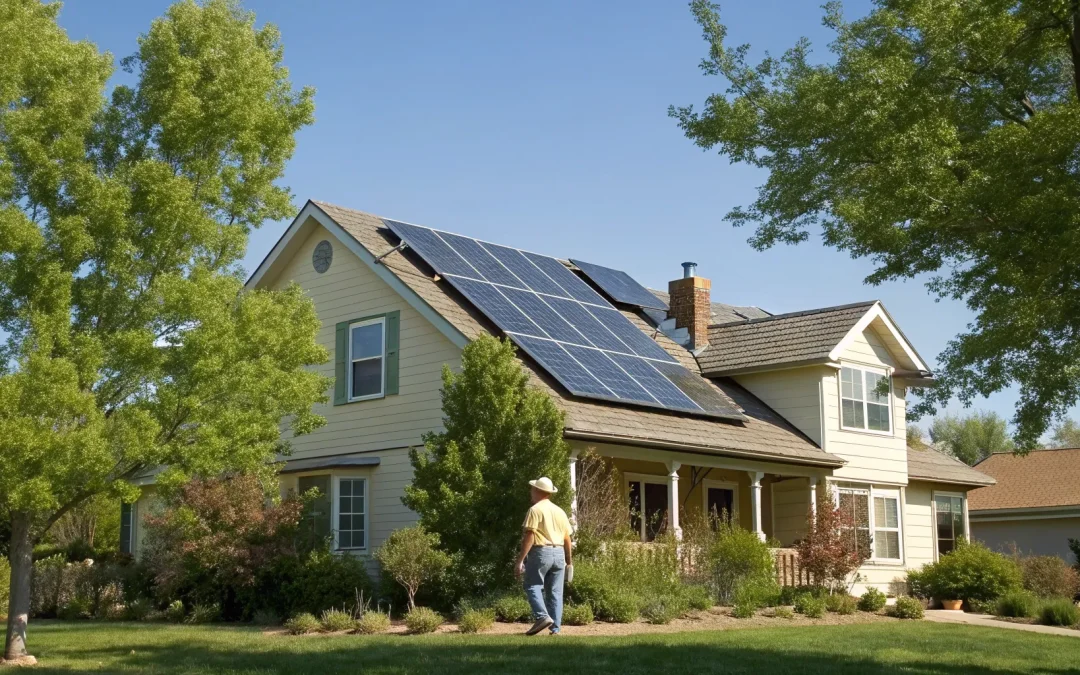
After your solar panels are installed, it’s easy to forget they’re even there. They work silently, generating clean power day after day. But what happens if you notice your electricity bill creeping up, or a storm leaves debris on your roof? Having a trusted partner for ongoing support is essential. A reliable solar panel service provider does more than just fix problems—they help you prevent them. From routine cleanings that keep your panels absorbing maximum sunlight to electrical check-ups that ensure safety, proactive maintenance is the best way to protect your home’s energy system and keep your savings on track for years to come.
Key Takeaways
- Monitor your system’s performance: Use your monitoring app to understand your system’s normal energy production. A sudden, unexplained drop is your first and best indicator that it’s time to schedule a professional inspection to keep your savings on track.
- Leave hands-on work to the professionals: While you can perform visual checks from the ground, always hire a certified technician for cleanings, electrical inspections, and repairs. This is the safest way to protect your home, your warranty, and yourself.
- Vet your provider for long-term support: Your relationship with a solar company lasts for decades, not just through installation. Choose an experienced, certified, and local provider with strong warranties to ensure you have a reliable partner for any future service needs.
What Are Solar Panel Services?
Think of solar panel services as the long-term care plan for your home’s energy system. After the initial solar panel installation, these services ensure everything runs smoothly and efficiently for decades to come. This includes routine maintenance, performance checks, cleaning, and repairs. Just like your car, your solar system benefits from regular check-ups to catch small issues before they become big problems. A good service plan protects your investment, maximizes your energy production, and gives you peace of mind knowing your system is operating at its best.
What Professional Services Include
When you hire a professional for solar services, you’re getting a comprehensive health check for your entire system. This typically starts with a thorough inspection to ensure all components are in top shape. Technicians will clean your panels to remove any dirt or debris that could be blocking sunlight and reducing efficiency. They’ll also examine all electrical components, including wiring and connections, to make sure everything is secure and functioning safely. If your system isn’t performing as expected, they can diagnose the problem and get it back to full power, helping you get the most from your solar investment.
Key Parts of Solar Maintenance
While solar panels are built to last for 25 years or more, they are just one part of a larger system. Key components like solar panel inverters, which convert solar energy into usable electricity for your home, also require attention. Regular maintenance involves visually inspecting your panels for any damage, debris, or buildup. It’s a good idea to have them professionally cleaned every year or two to maintain peak performance. A professional will also check the system’s software and electronic parts, which are often the source of performance issues, ensuring your entire setup works together seamlessly.
Should You DIY or Hire a Pro?
While you can certainly perform basic visual checks from the ground, it’s best to leave the hands-on work to a professional. Climbing on your roof is dangerous without the proper safety equipment and training. Beyond cleaning, a professional service call includes crucial electrical tests and inspections that the average homeowner can’t perform. A trained technician can spot subtle signs of wear or damage that could lead to bigger issues or even void your warranty if not addressed correctly. When in doubt, it’s always safer and more effective to contact a certified solar expert to handle the job.
Common Myths About Solar Service
One of the biggest myths about solar energy is that the panels require constant, complicated maintenance. The truth is, solar panel systems are remarkably low-maintenance. They don’t have moving parts and are designed to withstand the elements for years. However, “low-maintenance” doesn’t mean “no-maintenance.” Skipping professional check-ups can lead to a gradual decline in energy production that you might not notice right away. Investing in occasional service is a small price to pay to ensure you continue to reap the full benefits of your solar system and protect your home’s most important energy asset.
How Much Do Solar Panel Services Cost?
Thinking about the long-term costs of solar panels is a smart move. Just like any major home appliance, your solar energy system requires some upkeep to perform its best. The great news is that solar panels are built to be incredibly durable and low-maintenance. Planning for service costs is mostly about proactive care and being prepared for the occasional repair, ensuring your system generates clean energy and savings for decades. Let’s break down what you can expect to budget for.
Understanding Initial Assessment Costs
If you suspect something is wrong with your system, the first step is a professional assessment. A technician will visit your home to diagnose the issue, which can involve inspecting the panels, wiring, and inverter. Think of this as a diagnostic fee. Just getting a qualified technician to your home for an inspection typically costs between $200 and $300. This initial fee covers their time and expertise in pinpointing the exact problem. From there, they can give you a clear quote for any necessary repairs. The good news is that solar panels are extremely reliable, with a failure rate of only about 0.05%, so these calls are rare.
Budgeting for Regular Maintenance
Solar panels don’t need a lot of hands-on attention, but they aren’t completely “set it and forget it.” To keep your system running at peak efficiency, it’s a good idea to have your panels professionally cleaned and inspected every year or two. A thorough cleaning removes the dirt, pollen, and debris that can accumulate and slightly reduce power output. A basic annual maintenance plan can range from $150 to $300, often including a cleaning and a quick system check-up. Budgeting for this small, regular expense is one of the best ways to protect your larger solar investment.
Factors That Affect Repair Costs
When a repair is needed, the cost can vary quite a bit. Most common solar panel repairs fall somewhere between $400 and $1,000. The final price tag depends on a few key factors. The complexity of the issue is the biggest driver; fixing a loose wire is much less expensive than replacing a faulty solar panel inverter. The accessibility of your roof also plays a role—a steep or hard-to-reach roof may increase labor costs. It’s also important to check your warranty, as many repairs for equipment failure are covered by the manufacturer or your installer.
Breaking Down Service Plans
Many solar companies offer service plans that bundle routine maintenance and inspections for an annual fee. These plans are designed to keep your system in top shape and catch potential problems before they become serious. A typical plan includes panel cleaning, a full diagnostic check of your inverter and wiring, and an assessment of your system’s overall performance. This proactive approach provides peace of mind and ensures you’re getting the most out of your solar panels. As a family-run company with deep roots in the community, we believe in building long-term relationships to support our customers for the life of their systems. You can learn more about our commitment on our About Us page.
Finding Financing and Tax Credits
While service costs are manageable, the initial cost of a solar installation is a significant investment. Thankfully, you don’t have to pay for it all at once. Homeowners have several financing options, including solar loans, leases, and Power Purchase Agreements (PPAs), which make going solar more accessible. On top of that, valuable government incentives like the federal solar tax credit can drastically reduce the net cost of your system. These credits apply to the total cost of your system, including the panels, equipment, and even a solar panel battery backup.
Calculating Your Return on Investment
Ultimately, all costs associated with your solar panel system—from installation to maintenance—should be weighed against the return you get. Your return on investment (ROI) is measured in monthly electricity bill savings. Most homeowners see a full payback on their system in 5 to 10 years. Your specific ROI will depend on factors like the amount of direct sunlight your home receives, your local utility rates, and your system’s efficiency. A well-maintained system will produce more energy, leading to greater savings and a faster return. To get a personalized look at your potential costs and savings, the best next step is to request a free solar estimate.
Your Guide to Professional Solar Maintenance
Think of your solar panel system like a car—it’s a high-performance machine that runs best with a little proactive care. While solar panels are known for their durability and low maintenance needs, a solid maintenance plan ensures you get the most energy and value out of your investment for decades. Following a few simple steps and knowing when to call in a professional will keep your system running safely and efficiently, protecting your home and your wallet. Here’s what you need to know to stay on top of your solar maintenance.
Monitor Your System’s Performance
One of the best parts of owning a modern solar system is the ability to see exactly how much power it’s generating. Most systems come with a monitoring app that lets you track energy production from your phone or computer. We recommend checking it weekly to get a feel for what’s normal. This technology is your first line of defense; it can quickly tell you if a panel isn’t working or if overall performance has dipped. If you notice a sudden drop in output that isn’t related to a cloudy day, it’s a clear sign that it’s time to investigate or call a professional. Keeping an eye on your solar panel inverters is especially important, as they are the brains of the operation.
What a Physical Inspection Covers
While you can monitor your system daily, a thorough physical inspection by a qualified technician is recommended every few years. This is more than just a quick look. A professional will examine the panels for cracks, chips, or defects that could worsen over time. They’ll also check the mounting hardware to ensure everything is secure and weatherproofed. Most importantly, a professional service includes testing electrical components like wiring and connections to look for corrosion or damage. This proactive check can catch small issues before they become big, expensive problems and ensures your system remains safe and up to code.
Keep Your Panels Clean and Clear
Over time, your panels will collect dust, pollen, leaves, and the occasional bird dropping. While normal rainfall usually washes most of this away, a significant buildup can block sunlight and reduce your system’s efficiency. We suggest a visual check from the ground every few months. If you notice a thick layer of grime, it might be time for a cleaning. For most homes, a professional cleaning every year or two is plenty. If your roof is steep or hard to access, it’s always safest to hire a professional service rather than attempting to clean the panels yourself. A clean system is a productive system, helping you maximize the benefits of your solar installation.
Perform Electrical and Safety Checks
As a homeowner, your main job is to be aware, not to be an electrician. Take a moment to learn where your system’s main AC and DC shut-off switches are located. In the rare event of an emergency, knowing how to turn them off is crucial for safety. You should also occasionally check your inverter for any error lights or warning codes. Your installer can show you what to look for. If you see any warnings or notice frayed wires or loose connections, don’t try to fix them yourself. Electrical work is dangerous, so your first step should always be to contact a certified solar professional to handle it safely.
Know What to Do in an Emergency
Emergencies are rare, but it’s always smart to have a plan. If you experience a problem like a system shutdown, a visible crack in a panel after a storm, or a persistent error code on your inverter, the first step is to not panic. If you feel it’s necessary for safety, use the shut-off switches to power down the system. Then, call your trusted solar service provider. Avoid climbing on the roof or touching any electrical components. A professional technician has the right tools and training to diagnose and resolve the issue safely, getting your system back online without putting you or your home at risk.
Understand Your Warranty Protection
Your solar energy system is a major investment, and thankfully, it comes with strong protections. Most components, including the panels, inverters, and any solar panel battery backup systems, are covered by manufacturer warranties. These typically protect you against equipment defects for many years. It’s a good idea to review your warranty documents so you know what’s covered and for how long. Keep in mind that warranties usually don’t cover damage caused by outside forces (like a fallen tree) or labor costs for repairs. Understanding your coverage helps you know what to expect if a service call is ever needed.
When Should You Schedule Solar Panel Service?
One of the best things about solar panels is how little day-to-day attention they need. They’re built to withstand the elements and work quietly in the background for decades. But low-maintenance doesn’t mean no-maintenance. Just like your car, your solar energy system benefits from regular check-ups to ensure it’s running safely and efficiently. Knowing when to schedule service helps you protect your investment and keep the clean energy flowing.
Think of it as proactive care. A scheduled service appointment can catch small issues before they become bigger, more expensive problems. It also ensures your system is producing the maximum amount of energy possible, which keeps your utility bills low. By staying on top of a simple maintenance schedule, you can relax and enjoy all the benefits of solar energy without any surprises.
Follow a Recommended Service Schedule
While your solar panels are incredibly durable and often warrantied for 25 years or more, your system is more than just the panels. It includes critical electronic components like inverters and monitoring software that work hard every day. These parts can sometimes experience issues long before your panels do. We generally recommend having a professional inspect your entire system every one to two years. This gives a trained technician a chance to check all the electrical connections, test the hardware, and make sure everything is performing as it should. A regular check-up provides peace of mind and confirms your system is operating at its peak.
Warning Signs Your System Needs Service
Your solar system will often give you clues when something isn’t right. The most obvious sign is a sudden, unexplained spike in your electricity bill. If your usage habits haven’t changed but your bill is creeping up, your system might be underperforming. You can also check your system’s monitoring app or website for a drop in energy production that isn’t related to cloudy weather. It’s also a good idea to occasionally look at your solar panel inverter. Most inverters have a status light; a steady or flashing green light usually means everything is okay, but a red or orange light—or no light at all—signals it’s time to call for service.
How Weather Impacts Your Panels
Living in the Mid-Atlantic means your panels see everything from spring pollen and summer thunderstorms to autumn leaves and winter snow. While a good rainstorm can wash away light dust and pollen, it won’t always clear away stubborn debris like bird droppings or caked-on grime, which can reduce your system’s output. After a heavy storm with high winds or hail, it’s always wise to do a quick visual inspection from the ground. Look for any cracked panels, loose racking, or debris. A thick layer of snow will also stop energy production, but it will usually melt or slide off on its own within a day or two on a tilted roof.
Plan for Seasonal Maintenance
A great way to stay ahead of performance issues is to plan for seasonal cleaning. We recommend having your panels professionally cleaned once or twice a year to keep them working their best. An ideal time is in the late spring, after the heavy pollen season has passed, or in the late fall, once all the leaves have fallen. A clean, clear surface allows the panels to absorb the maximum amount of sunlight. While you might be tempted to do it yourself, climbing on your roof can be dangerous, and using the wrong cleaning tools or soaps can damage the panels’ anti-reflective coating. A professional service is the safest and most effective option.
When to Call for Emergency Service
Some situations require immediate attention. If you notice any visible damage to your panels, wiring, or mounting equipment after a storm, you should call for service right away. Another urgent issue is a complete system shutdown. If your inverter is off and won’t restart, or your monitoring app shows zero production on a sunny day, it’s time to bring in an expert. It’s also important to know that if you have a string inverter and it fails, your entire system will stop producing power. With microinverters, a failure will only affect a single panel. If you’re unsure what’s wrong, it’s always best to contact us for a professional diagnosis.
How to Solve Common Solar Panel Issues
Solar energy systems are designed for durability and require very little day-to-day attention. But like any important home system, knowing how to spot and solve potential issues will keep everything running smoothly for years to come. The good news is that major problems are rare, and most are easily fixed with a little know-how and professional support. Think of this as your go-to guide for troubleshooting your system and keeping your energy savings on track. By understanding the basics, you can feel confident in managing your home’s energy production and know exactly when to call for backup.
We’ll walk through how to identify common problems, what to do when you find one, and how simple preventative steps can make all the difference. This isn’t about becoming a solar technician overnight; it’s about empowering you with the knowledge to protect your investment and ensure your system performs at its best. From monitoring performance with a simple app to knowing the signs that it’s time to call a professional, a proactive approach is key. Most of the time, your system will hum along quietly in the background, but being prepared for the occasional hiccup ensures that small issues don’t turn into bigger headaches. Let’s get into the practical steps you can take to keep your solar panels working efficiently.
Identify Common System Problems
First, let’s put one common worry to rest: the solar panels themselves are incredibly resilient. With a lifespan of 25 years or more, panel failures are extremely uncommon. When issues do arise, they typically involve the supporting components of your system. This could mean a problem with your solar panel inverters, which convert DC power to the AC power your home uses, or a simple software glitch. Keep an eye on your monitoring app for any sudden drops in energy production that aren’t related to cloudy weather. Error messages or warning lights on your equipment are also clear signs that it’s time to investigate.
Find Professional Repair Solutions
If you suspect a problem with your solar system, safety should always be your top priority. While it’s helpful to know where your system’s main shut-off switches are, you should never attempt electrical repairs yourself. Your first call should always be to your original installer. They have intimate knowledge of your system’s design and components. If you’re unable to reach them or are looking for a new service provider, a certified solar professional can help. When you contact a professional, they can safely diagnose the issue, whether it’s a wiring problem or a component failure, and get your system back online.
Take Steps to Prevent Future Issues
The best way to solve a problem is to prevent it from happening in the first place. Regular care helps your solar panels last longer, stay safe, and work their best to save you money. A high-quality solar panel installation is the foundation for a trouble-free system, but a little upkeep goes a long way. Periodically check that no new trees are casting shadows on your panels and that leaves or debris haven’t piled up. Scheduling a professional inspection every few years allows a technician to check for loose connections, test components, and ensure everything is in top shape.
Optimize Your System’s Performance
To get the most out of your solar panels, they need clear access to sunlight. While rain will wash away some dust, it’s a good idea to have your panels cleaned two to four times a year. Over time, a film of pollen, dust, and bird droppings can accumulate, slightly reducing their efficiency. A professional cleaning will safely remove this buildup and allow the panels to absorb the maximum amount of sunlight possible. This simple step ensures you’re generating as much clean energy as you can, which directly impacts your utility bill savings and maximizes the benefits of your system.
Use Tools to Monitor Performance
Your solar monitoring app is one of the most powerful tools you have. Make it a habit to check your system’s production levels weekly or monthly. This will help you establish a baseline for what’s normal in different seasons. If you notice a significant and sustained drop in energy output that can’t be explained by a string of cloudy days, it’s a clear indicator that something needs a closer look. Having this data handy makes it easier for a technician to diagnose the problem quickly when you call for service. You can often find answers to common monitoring questions on a provider’s FAQ page.
How to Choose the Right Solar Service Provider
Choosing a solar provider is a major decision, and it’s worth taking the time to find a partner you can trust for the long haul. The right company won’t just install your panels; they’ll provide support for decades to come. Think of it as a long-term relationship for your home’s energy future. A provider’s experience, quality of work, and customer service are all critical indicators of their reliability. When you find a great installer, you’re not just buying a product—you’re investing in a service that offers significant long-term benefits for your home and finances. To help you make a confident choice, let’s walk through the key factors to consider when vetting potential solar installers.
Check for the Right Certifications
Certifications are more than just fancy badges; they’re proof that a company meets high industry standards for safety and skill. The most respected credential in the U.S. solar industry is from the North American Board of Certified Energy Practitioners (NABCEP). An installer with NABCEP certification has passed rigorous exams and demonstrated extensive experience in the field. Always ask a potential provider about their team’s certifications. This ensures that the people working on your roof are true professionals who are up-to-date on the latest technology and safety protocols, giving you peace of mind that the job will be done right.
Look for Experience and Expertise
When it comes to solar installation, experience matters. A company that has been in business for a long time has a proven track record of successful projects and satisfied customers. They’ve likely encountered and solved a wide range of installation challenges, from unique roof types to complex local permitting requirements. An established local provider, like a family-run solar firm, will also have deep knowledge of regional weather patterns and utility company policies. This expertise ensures your system is designed for optimal performance in your specific location and that the entire process runs smoothly from start to finish.
Confirm Their Service Area
Always choose a solar provider that operates directly in your area. A local company will have essential hands-on experience with your city or county’s specific building codes and permitting processes, which can save you from frustrating delays. They also understand the regional climate and how to best position panels to maximize sun exposure throughout the year. Furthermore, if your system ever needs service, a local team can respond much more quickly than one based several hours away. Before you get too far into the conversation, confirm that your home is well within their primary service area.
Ask About Their Response Time
Your relationship with a solar provider doesn’t end once the panels are installed. You’ll want a team that remains accessible and responsive for any future needs. Before signing a contract, ask about their customer service process and typical response times for maintenance or repair requests. Do they have a dedicated support team? What’s the best way to get in touch if you notice a drop in performance? A company that is transparent and communicative about its post-installation support is one that values its customers and stands behind its work for the long term.
Review Their Warranty Coverage
A strong warranty is one of the best indicators of a company’s confidence in its products and workmanship. Solar warranties typically come in two parts: an equipment warranty and a workmanship (or labor) warranty. The equipment warranty covers the panels, inverters, and batteries, and is provided by the manufacturer. The workmanship warranty covers issues related to the installation itself and is offered by the installer. Look for a provider that offers a comprehensive, long-term workmanship warranty. This protects your investment and shows the company is committed to high-quality installation that lasts.
Key Questions to Ask a Provider
When you’re ready to talk to potential installers, having a list of questions prepared can help you compare your options effectively. This ensures you get all the information you need to make an informed decision.
Here are a few essential questions to ask:
- What specific panel and inverter brands do you use, and why?
- Can you provide a detailed, itemized quote with no hidden fees?
- What is the estimated timeline for the entire project, from signing to activation?
- Who will be my main point of contact throughout the process?
- Can you provide references from past customers in my area?
Asking these questions will help you gauge a provider’s expertise and customer service approach. When you’re ready, you can get a free estimate to start the conversation.
How to Maximize Your Solar Investment
Going solar is a significant step toward energy independence and a smaller carbon footprint. But the journey doesn’t end with installation. To get the most out of your system for years to come, you’ll want to focus on keeping it in top shape. Proper care ensures you get the best possible return on your investment, from energy savings to increased property value. Think of it like any other major home appliance—a little attention goes a long way in protecting its value and performance.
Optimize Your System’s Efficiency
Your solar panels are built to be tough, but the system is more than just the panels. Components like software and electronics can sometimes run into trouble, which can lower your energy production. The best way to stay ahead of this is by keeping an eye on your system’s output through its monitoring app. If you notice a sudden drop in energy production that isn’t related to cloudy weather, it could signal an issue with a component like one of your solar panel inverters. Catching these small problems early ensures your system is always generating as much clean energy as possible, which translates directly into savings on your utility bill.
Extend Your Equipment’s Lifespan
With a lifespan of 25 years or more, your solar panels are a long-term asset. Regular care is the key to helping them reach and even exceed that lifespan. While you can handle simple tasks like rinsing off dust, having a professional inspect your system every five to ten years is a smart move. A professional check-up can identify and fix minor issues before they become bigger problems, ensuring your equipment stays safe and performs at its best. Protecting your initial solar panel installation investment with consistent maintenance helps you save more money over the long run and keeps your system running smoothly for decades.
Increase Your Property Value
A solar energy system is a powerful selling point that can make your home more attractive to potential buyers. A well-maintained system with a documented service history shows that you’ve taken care of your investment, giving buyers confidence in its condition and long-term performance. Since solar panels can last for 25 to 30 years, they offer lasting value. Highlighting the benefits of solar, like lower energy bills and a fixed electricity rate, can make your property stand out in a competitive market. It’s an upgrade that pays for itself and continues to add value for the next homeowner.
Reduce Your Operating Costs
The main goal of a solar panel system is to save you money on electricity. Keeping your system in peak condition is the most direct way to reduce your operating costs. When your panels are clean and all components are working correctly, you generate more power, which means you buy less from the utility company. Most homeowners see a full return on their investment within 5 to 10 years through these savings. You can further lower your reliance on the grid by adding a solar panel battery backup, which stores excess energy for you to use at night or during an outage, giving you even more control over your energy costs.
Ensure Safety and Compliance
Your solar panel system is a powerful electrical generator, so safety is paramount. As a homeowner, it’s a good idea to know where your main AC and DC shut-off switches are in case of an emergency. However, routine safety checks are best left to the pros. A professional service appointment will include inspecting all wiring and connections to make sure they are secure and up to code, preventing potential hazards like electrical shocks or fires. This not only protects your home and family but also ensures your system remains compliant with local regulations. If you ever have safety concerns, it’s always best to contact a professional right away.
Measure Your Environmental Impact
One of the best parts of owning a solar system is knowing you’re making a positive impact on the environment. A system that’s running at peak efficiency maximizes that impact. The more clean energy you produce, the more you reduce your household’s reliance on fossil fuels and lower your carbon footprint. Modern solar panels are incredibly durable and designed to withstand most weather conditions, ensuring they can consistently generate green energy. By keeping your system well-maintained, you’re doing your part to create a more sustainable future. It’s a commitment to clean energy that we share, and it’s at the core of our mission.
Related Articles
- Solar Panel Maintenance Checklist You Should Follow
- Maintenance: the Hidden Aspect of Solar Panel Performance
- Maintaining Solar system installations for efficiency
- Solar Panel Performance And Maintenance During Winter
- Solar Panel System Repair: A Complete Guide
Frequently Asked Questions
Do I really need to service my solar panels? I thought they were maintenance-free. That’s one of the biggest selling points of solar, and it’s mostly true! Solar panels are incredibly durable and don’t have moving parts, so they are very low-maintenance. However, “low-maintenance” isn’t the same as “no-maintenance.” Think of it as proactive care for a major home investment. A professional check-up every couple of years ensures all the supporting parts, like the inverter and wiring, are in top shape, which keeps your system producing the maximum amount of energy and protects its long lifespan.
How often should I have my solar system professionally inspected? For a complete system health check, we recommend scheduling a professional inspection every one to two years. This allows a technician to do more than just clean the panels; they will test electrical components, check that all the mounting hardware is secure, and verify that your system’s performance is where it should be. If you live in an area with a lot of pollen or falling leaves, you might consider having the panels professionally cleaned annually to keep them working at peak efficiency.
Can I just clean my solar panels myself with a hose? While a gentle rinse with a hose from the ground can help clear off a light layer of dust, we strongly advise against climbing on your roof to scrub the panels yourself. It’s a significant safety risk without the proper equipment. Professionals not only have the right safety gear but also use the correct tools and cleaning solutions that won’t damage the panels’ anti-reflective coating. Plus, while they’re up there, they can spot subtle issues you might miss from the ground.
What’s the clearest sign that my solar system needs professional attention? The most telling sign is an unexpected jump in your monthly electricity bill. If your energy habits haven’t changed but you’re suddenly paying more to the utility company, it’s a strong indicator that your solar system isn’t producing as much power as it should be. Another clear signal is a sudden drop in production on your system’s monitoring app on a clear, sunny day. These are your system’s ways of telling you it’s time to call for a check-up.
Are repairs for my solar panels typically covered by a warranty? Your system is protected by a few different warranties. The equipment itself, like the panels and inverter, is covered by a manufacturer’s warranty that protects against defects. Separately, your installer provides a workmanship warranty, which covers any issues related to the quality of the installation. While these warranties are great for equipment failure, they generally don’t cover issues caused by external factors, like storm damage, or routine services like cleaning. It’s always a good idea to review your documents to understand your specific coverage.
Recent Comments