
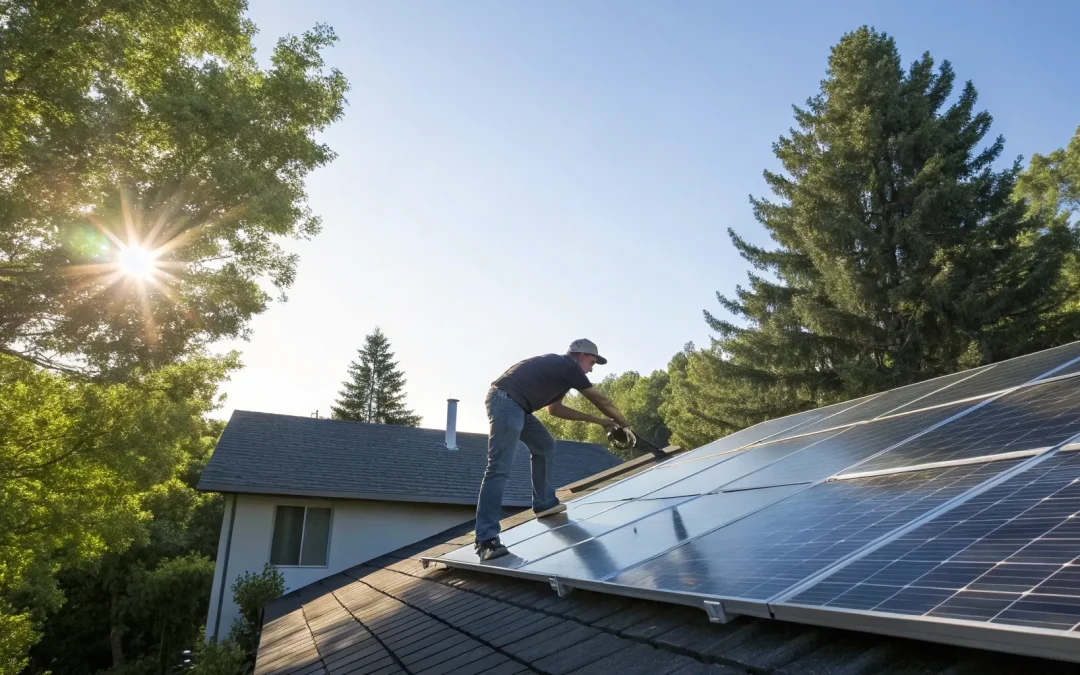
Let’s clear up a common misconception: solar panels don’t require constant, difficult upkeep. But the idea that a good rainstorm is all they’ll ever need isn’t quite right, either. The truth lies somewhere in the middle. Your system is designed for resilience, but a straightforward solar panel maintenance plan is the key to maximizing its lifespan and efficiency. By learning a few simple dos and don’ts, you can easily protect your investment, keep your warranty intact, and ensure your home is powered by clean, reliable energy without any unnecessary worry or expensive surprises down the road.
Key Takeaways
- Check Your Monitoring App Regularly: Your system’s software is the easiest way to spot a problem. A consistent drop in energy production that isn’t related to the weather is your cue to investigate further.
- Simple Cleaning Goes a Long Way: You don’t need a complicated routine. Gently washing your panels once or twice a year with a soft brush and water is enough to clear away grime and keep them absorbing maximum sunlight.
- Know When to Call a Professional: Handle the basic cleaning yourself, but leave any electrical work, damage assessment, or roof-based tasks to the experts. This protects your safety, your system, and your warranty.
Why Bother with Solar Panel Maintenance?
You’ve made a smart investment in your home by going solar, and the good news is that solar panel systems are incredibly durable and built to last for decades. They don’t have many moving parts, which means they are wonderfully low-maintenance. But low-maintenance isn’t the same as no-maintenance. Just like any other major component of your home, a little bit of care goes a long way. Giving your panels some occasional attention ensures they operate efficiently, protects your investment, and keeps you generating the maximum amount of clean energy for years to come. Think of it as simple upkeep that pays you back every time the sun shines.
Keep Your Energy Production at Its Peak
The whole point of your solar panel installation is to capture as much sunlight as possible. Over time, a thin layer of dust, pollen, leaves, and even bird droppings can build up on the surface of your panels. This grime acts like a film, blocking sunlight and reducing the amount of electricity your system can produce. Regular cleaning helps your panels absorb more sunlight, which means they generate more power for your home. The best way to know if your panels need a wash is to keep an eye on your system’s output. If you notice a dip in energy production that isn’t related to cloudy weather, it might be time for a cleaning.
Protect Your Long-Term Investment
Your solar panel system is one of the most valuable assets attached to your home. Taking simple maintenance steps is the best way to protect that value. Beyond just keeping them clean, regular check-ups can catch small issues before they become bigger, more expensive problems. It’s also worth noting that many manufacturer warranties require you to properly maintain your system. If you neglect your panels and they get damaged as a result, your warranty might not cover the repairs. A little proactive care not only keeps your system running smoothly but also ensures your long-term benefits and warranty coverage stay intact.
Common Maintenance Myths, Busted
Let’s clear up a few common misconceptions about solar panel care. First, many people think solar panels require constant, difficult maintenance. The truth is, they are designed to be resilient and typically only need cleaning once or twice a year. Another popular myth is that a good rainstorm will do the cleaning for you. While rain can certainly rinse away some loose dust, it won’t wash away stubborn grime or sticky pollen. Think of it like your car’s windshield—rain helps, but it doesn’t replace a real cleaning. By understanding what your panels actually need, you can avoid unnecessary worry and focus on a simple, effective maintenance routine.
Your Essential Maintenance Schedule
Keeping your solar panels in top shape doesn’t require a complicated plan. Just like any other major home appliance, a simple and consistent maintenance schedule will ensure they perform efficiently for years to come. By breaking it down into a few key tasks—cleaning, monitoring, and professional inspections—you can easily protect your investment and keep the clean energy flowing. Think of it as a simple routine that pays you back every month on your utility bill.
How Often to Clean Your Panels
For most homes in the Mid-Atlantic region, a good rule of thumb is to clean your solar panels twice a year. A great time to do this is in the late spring after the pollen season has passed and again in late fall to clear off any accumulated dust and leaves before winter. If you live in an area with a lot of dust, construction, or trees that drop debris, you might want to clean them more frequently, perhaps once a quarter. Often, a simple rinse with a garden hose is all it takes to wash away the grime and restore their efficiency.
Monitor Your System’s Performance
The easiest way to know if your panels need attention is to keep an eye on their energy output. Most modern solar systems come with monitoring software that lets you see how much power you’re generating in real-time. We partner with industry leaders like Enphase, whose apps make this incredibly simple. Check your system’s dashboard monthly. If you notice a significant, unexplained drop in production that isn’t related to cloudy weather, it could be a sign that your panels need cleaning or a professional check-up. Your monthly electric bill can also offer clues if you see your usage from the grid creeping up.
What a Professional Inspection Covers
While you can handle the basic cleaning and monitoring, it’s a smart move to schedule a professional inspection once a year. A trained technician can spot issues you might miss, like loose wiring, cracked panels, or problems with the mounting hardware. They’ll also perform electrical tests on key components like your solar panel inverters to ensure everything is working safely and correctly. This annual check-up provides peace of mind and helps catch small problems before they become big, expensive ones. If it’s been a while, you can always contact us to schedule a visit.
A Simple Seasonal Checklist
To stay on top of maintenance, follow this straightforward seasonal checklist. It’s an easy way to keep your system running smoothly all year long.
- Visually Inspect: Each season, take a quick look at your panels from the ground. Check for any obvious debris like leaves, branches, or bird droppings that might be blocking the sun.
- Check for Damage: Look for any visible cracks, chips, or discoloration on the panels themselves. Also, check that the mounting seems secure.
- Monitor Production: Make a habit of checking your monitoring app weekly or bi-weekly to ensure production levels are consistent with the season and weather.
- Schedule Cleaning: Stick to your semi-annual cleaning schedule to keep the panels free of dirt and grime.
Signs Your Solar Panels Need a Check-Up
Even the best solar panel systems can run into issues over time. Staying on top of your system’s health means you can catch small problems before they become big, expensive ones. Think of it like a regular health check-up for your home’s energy source. Knowing what to look for is the first step. From visible wear and tear to subtle dips in energy production, your panels will give you clues when they need attention. Here are the key signs that it’s time to schedule a professional inspection.
Look for Physical Damage
Before you do any cleaning, take a few minutes to give your panels a visual once-over from the ground. You’re looking for anything that seems out of place. Check for obvious signs of trouble like cracks, chips, or shattered glass, which can happen after a hailstorm or from falling debris. Also, keep an eye out for loose wiring, displaced panels, or corrosion on the mounting hardware. While some dirt and dust are normal, significant buildup or staining could point to a bigger issue. If you see anything that looks like damage, don’t try to fix it yourself. It’s always safest to contact a professional to assess the situation and make the necessary repairs.
Spot Performance Issues
One of the most reliable indicators of a problem is a sudden drop in energy production. Your system is designed to generate a certain amount of power under specific conditions, and a significant dip is a clear red flag. The best way to catch this is by keeping an eye on your monthly utility bills or, even better, using your system’s monitoring software. If your energy output seems lower than usual for the season and weather conditions, something might be wrong. It could be as simple as a dirty panel, but it could also signal a more complex electrical issue. Consistently tracking performance helps you understand the benefits of your system and spot trouble early.
Check for Weather Damage
Living in the Mid-Atlantic means dealing with all four seasons, from hot, humid summers to icy winters and the occasional severe storm. Extreme weather can take a toll on your solar array. After a major weather event like a hurricane, blizzard, or hailstorm, it’s a good idea to inspect your panels for damage. High winds can loosen connections, and heavy snow or ice can put stress on the panels and racking. Even prolonged periods of high heat can affect efficiency. Also, be mindful of new sources of shade, like a fast-growing tree, that could be blocking sunlight and reducing your system’s output.
Decode System Alerts
Modern solar energy systems are smart. They often come with monitoring software that not only tracks your energy production but also alerts you when something is amiss. Pay attention to any error messages or warnings from your system. Often, a drop in power isn’t a problem with the panels themselves but with the solar panel inverter, which is the component that converts DC electricity from your panels into the AC electricity your home uses. The good news is that inverter issues are often straightforward for a professional to diagnose and fix. These alerts are your system’s way of asking for help, so don’t ignore them.
How to Monitor Your Solar Panel Performance
Think of monitoring your solar panels as a regular health check-up for your home’s energy system. You don’t have to be a tech wizard to do it. Keeping an eye on your system’s output helps you catch small issues before they become big problems, ensuring you get the most out of your investment. Most modern solar installations make this incredibly easy with simple apps and clear data. By regularly checking in, you can confirm your panels are working hard to lower your utility bills and power your home with clean energy. It’s a simple habit that protects your system for years to come.
Use Your Monitoring Software
The easiest way to track your system’s health is with the monitoring software that comes with your installation. Companies like Enphase provide user-friendly apps that connect directly to your solar panel inverters and give you a real-time look at your energy production. You can see how much power your panels are generating daily, weekly, and monthly. This software is your first line of defense; it will often be the first place you notice if something is off. Getting familiar with your system’s app is the best way to establish a baseline for what normal production looks like for your home.
Read Your Energy Production Data
Once you’re comfortable with your monitoring app, start paying attention to the patterns in your energy production data. Your output will naturally fluctuate with the seasons and weather—you’ll generate more power on long, sunny summer days than on cloudy winter ones. The key is to look for unexpected and significant drops in performance. If you notice your system is suddenly producing much less power than it did during the same time last year under similar weather conditions, it could be a sign that something is wrong. This data helps you spot issues that aren’t visible to the naked eye.
Track Changes in Your Electric Bill
Your monthly electric bill is another great tool for monitoring your solar panel performance. After your solar panel installation, you should see a noticeable drop in what you owe the utility company. If your bill suddenly spikes and your household energy consumption hasn’t changed, it’s a red flag. Compare your recent bills to those from the same period in previous years. An unexplained increase could mean your panels aren’t generating as much electricity as they should be, and it might be time to investigate further or check your monitoring app for more details.
Spot the Signs of Low Efficiency
Sometimes, the cause of poor performance is right on the surface. A thick layer of dirt, dust, pollen, or fallen leaves can block sunlight and reduce your panels’ efficiency. While normal rainfall usually takes care of light dust, significant buildup can become a problem. Take a look at your panels from the ground (for safety!) every so often. If they look visibly dirty or have debris on them, it could be hindering their ability to absorb sunlight. This simple visual check can help you decide if it’s time for a cleaning to get your production numbers back up where they belong.
DIY vs. Professional Maintenance: What’s Right for You?
One of the best things about solar panels is how little upkeep they require. But low-maintenance doesn’t mean no-maintenance. Deciding whether to handle basic care yourself or call in a professional comes down to the task at hand, your comfort level, and safety. While you can certainly tackle some simple jobs to keep your system running smoothly, it’s just as important to know when to leave things to the experts. Let’s walk through what you can do yourself and when it’s time to make a call.
Safe DIY Tasks You Can Handle
For the most part, the only DIY task you’ll need to consider is cleaning. Over time, your panels can get covered in a layer of dust, pollen, leaves, or bird droppings, which can slightly reduce their efficiency. In many cases, a good rainstorm will do the job for you. If you live in a drier area or notice a stubborn film, a simple rinse with a garden hose from the ground is usually enough to wash away the grime. Think of it like washing your windows—a gentle cleaning every so often helps your solar panel installation perform its best. This simple step ensures you’re getting as much sunlight as possible.
When to Call in the Experts
While a light cleaning is manageable, you should always call a professional for anything more complex. If you spot any cracks, chips, or discoloration on the panels, don’t attempt a repair yourself. Similarly, if you’ve cleaned the panels and your energy production is still lower than expected, it could signal a deeper issue with the wiring or your solar panel inverters. It’s a good rule of thumb to have a solar expert inspect your system annually to catch any potential problems early. Professionals have the training and equipment to safely diagnose and fix issues without risking damage to your system or, more importantly, your safety. When in doubt, contact us for a professional assessment.
Tools You’ll Need for DIY Care
If you decide to clean your panels yourself, you won’t need much. The key is to be gentle. A long-handled, soft-bristled brush or a microfiber cloth on an extension pole works perfectly for removing any caked-on grime without scratching the glass. For the cleaning solution, plain water is often all you need. If you have hard water, using distilled or deionized water can prevent mineral spots from forming. A light, biodegradable soap can be used for stubborn spots, but avoid harsh chemical cleaners or abrasive powders at all costs. And never use a high-pressure washer, as it can damage the seals and the surface of the panels.
Key Safety Guidelines to Follow
Your safety should always be the top priority. Never climb on your roof to clean your solar panels unless you have the proper safety training and equipment, like a harness. Most of the time, you can clean them effectively from the ground with a hose and an extension pole. The best time to clean your panels is on a cool, overcast day or in the early morning when the panels aren’t hot. Spraying cold water on hot panels can create a thermal shock and potentially crack the glass. If you feel at all unsure about your ability to clean them safely, it’s always best to hire a professional service. It’s a small price to pay for peace of mind.
What Does Solar Panel Maintenance Cost?
One of the best things about solar panels is how little maintenance they require. But “low maintenance” doesn’t mean “no maintenance,” and it’s smart to plan for the minor costs associated with upkeep. The good news is that these costs are minimal compared to the energy savings your system provides. Your total expense will depend on whether you handle basic tasks yourself or hire a professional, the size of your system, and even your local climate.
Think of it this way: you’re making a small investment to protect a much larger one. A little bit of care ensures your panels operate at peak efficiency for decades, maximizing your return and keeping your energy bills low. Whether you’re setting aside a small budget for professional help or just buying a few tools for DIY cleaning, planning for these costs from the start keeps your system running smoothly without any surprises. It’s a simple step to guarantee you get the most out of your switch to solar energy.
The Price of Professional Service
If you prefer to leave things to the experts, you can expect an annual professional inspection to cost between $150 and $300. This isn’t just a simple cleaning. During a professional visit, a technician will conduct a thorough check of your entire system. They’ll inspect the panels for any subtle damage, ensure all connections are secure, and verify that your solar panel inverters are functioning correctly. This service gives you peace of mind that every component is working safely and efficiently. A professional inspection is a great way to catch small issues before they become bigger, more expensive problems.
Budgeting for DIY Maintenance
If you’re comfortable on a ladder and prefer the hands-on approach, the cost of DIY maintenance is significantly lower. Your main expenses will be for a few basic tools: a long-handled, soft-bristle brush, a quality squeegee, and a standard garden hose. You should plan to clean your solar panels two to four times a year, though you might do it more often if you live in an area with a lot of dust or pollen. For most cleanings, plain water is all you need. Avoid using harsh chemicals or abrasive tools, as they can damage the panels. The biggest investment for DIY care is your time, not your money.
How Your Warranty and Insurance Can Help
Did you know that routine upkeep can protect your warranty? Many solar panel warranties require you to properly maintain your system. If you neglect basic cleaning and the panels get damaged as a result, your warranty might not cover the repairs. It’s always a good idea to read through your warranty documents to understand what’s required. As a family-run company, we partner with top manufacturers like QCELLS to provide high-quality products with long-term warranties you can count on. Additionally, your homeowner’s insurance policy may cover damage from specific events like hail or falling branches, but it typically won’t cover issues that arise from a lack of maintenance.
Smart Ways to Save on Upkeep
Beyond DIY cleaning, there are other ways to keep maintenance costs down. Some homeowners opt for an Operations & Maintenance (O&M) service plan for a few hundred dollars a year. These plans often bundle inspections and cleanings, offering extra peace of mind and predictable costs. Another simple tip is to stay on top of your system’s performance monitoring. By noticing a dip in energy production early, you can address the cause—whether it’s a thick layer of dust or a technical issue—before it significantly impacts your savings. Ultimately, the most effective way to save is to keep your system clean and efficient, ensuring you reap all the benefits of solar energy.
Solar Maintenance Dos and Don’ts
Keeping your solar panels in top shape doesn’t have to be complicated. It’s mostly about establishing a few good habits and knowing what to avoid. Think of it like basic home upkeep—a little effort goes a long way in protecting your investment and ensuring you get the most out of your system. By following a few simple dos and don’ts, you can keep your panels working efficiently for years to come, saving you money and giving you peace of mind. Here’s a straightforward guide to help you get it right.
Clean Your Panels the Right Way
Do: Gently clean your panels to keep them free of dirt, dust, and pollen that can block sunlight. For most homes in our region, a good cleaning once or twice a year is plenty. If you live near a dusty road or have a lot of trees dropping pollen, you might want to do it quarterly.
Do: Use the right tools for the job. A soft brush and a squeegee with a long extension pole are your best friends here. When it comes to the cleaning solution, simple is best. Use soft water, like distilled or deionized water, to prevent mineral buildup and spots. If you need a little more cleaning power, a drop of mild, biodegradable soap is all it takes. Always rinse thoroughly to make sure no residue is left behind.
Monitor Performance Consistently
Do: Keep an eye on your system’s energy production. This is the easiest way to spot a problem before it gets serious. Most modern solar panel inverters come with monitoring software or a mobile app that shows you exactly how much power your panels are generating in real-time.
Do: Make a habit of checking your monitoring app weekly or monthly. You’re looking for consistency. While output will naturally dip on cloudy days, a sudden or prolonged drop in production on sunny days could signal an issue. Comparing your output to previous months or the same time last year can also help you spot any unusual changes. This simple check-in is your first line of defense in maintaining system health.
Avoid Common Cleaning Mistakes
Don’t: Clean your panels during the hottest part of the day. Spraying cold water on hot glass can cause thermal shock, which could lead to microcracks and damage your panels. The best time to clean is early in the morning or on an overcast day when the panels are cool.
Don’t: Use harsh chemicals or abrasive materials. Abrasive cleaners, stiff brushes, or power washers can scratch the anti-reflective coating on the glass, which will permanently reduce their efficiency. Stick to soft cloths or non-abrasive sponges. And never, ever stand or lean on your panels. They are durable, but they aren’t designed to support a person’s weight.
Protect Yourself and Your Warranty
Do: Read your warranty documents. Most manufacturers require some level of basic maintenance to keep the warranty valid. Neglecting your panels could give them a reason to deny a claim down the road. Understanding what’s covered—and what your responsibilities are—is crucial for protecting your long-term solar investment.
Don’t: Assume everything is covered. While warranties typically cover the equipment itself, they may not always cover the labor costs for a repair or replacement. By performing regular, gentle maintenance and keeping an eye on performance, you can catch small issues before they become costly problems. When in doubt, it’s always safest to call a professional for inspections or repairs.
Related Articles
- Solar Panel Maintenance Checklist You Should Follow
- Maintenance: the Hidden Aspect of Solar Panel Performance
- Maintaining Solar system installations for efficiency
- Solar Panel Performance And Maintenance During Winter
- Cleaning Solar Panels: Should You Even Bother?
Frequently Asked Questions
How often do I really need to clean my solar panels? For most homes in the Mid-Atlantic, a good cleaning twice a year is the sweet spot. A great schedule is to clean them in the late spring after the heavy pollen season ends and again in the late fall to clear away any dust and leaves. If your home is near a construction site or has a lot of tree cover, you might want to rinse them off more frequently, but there’s no need to overdo it.
Can’t I just let the rain wash my solar panels? While a good rainstorm will certainly rinse away loose dust, it doesn’t replace a proper cleaning. Think of it like your car’s windshield—rain helps, but it won’t remove stubborn grime, bird droppings, or sticky tree pollen. A dedicated cleaning ensures your panels are completely clear so they can absorb the maximum amount of sunlight.
What’s the worst that can happen if I skip maintenance altogether? The most immediate consequence is that your system will produce less energy, which means your utility bills will be higher than they should be. Over the long term, neglecting your panels could allow a small issue, like a loose connection or minor damage, to turn into a much bigger and more expensive problem. It could also put your manufacturer’s warranty at risk, so a little upkeep is a simple way to protect your investment.
How will I know if my solar panels have a problem I can’t see? Your system’s monitoring software is your best tool for this. It gives you a real-time look at your energy production, and it’s the first place you’ll likely spot an issue. If you notice a significant and unexplained drop in output that isn’t related to a string of cloudy days, it’s a clear sign that something needs a closer look from a professional.
Is it really safe for me to get on my roof to clean the panels? We strongly advise against getting on your roof unless you have professional safety training and equipment. The good news is that you almost never need to. Most of the time, you can clean your panels effectively and safely from the ground using a garden hose and a long-handled, soft-bristled brush. If you can’t reach them easily from the ground, it’s always best to call a professional service.
Recent Comments