
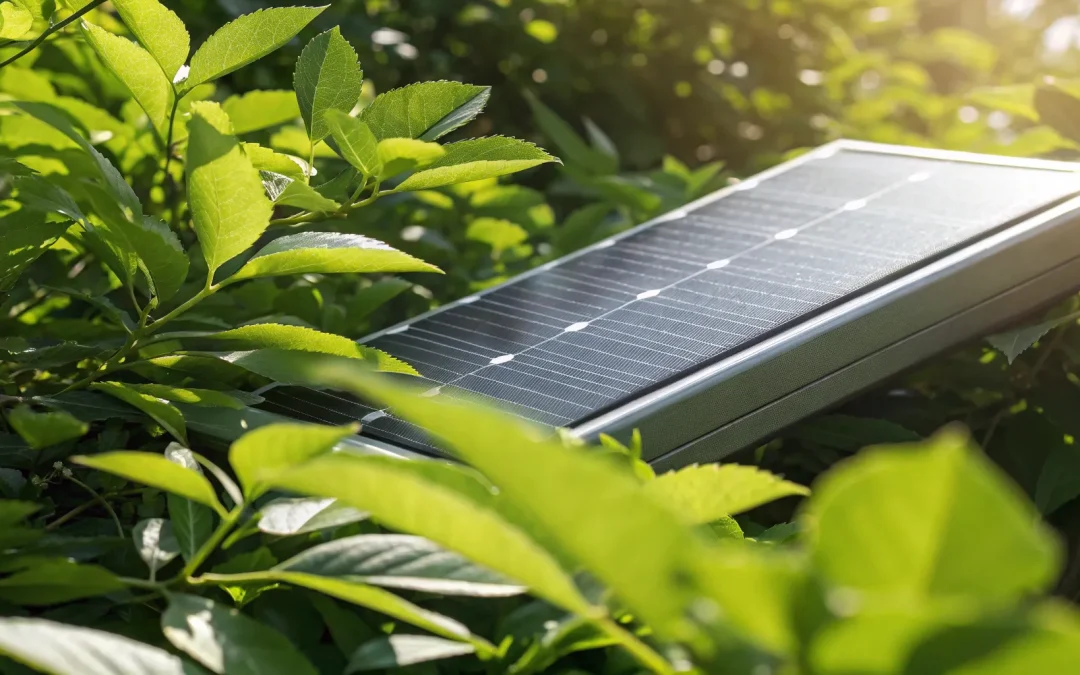
Here in the Mid-Atlantic, we know that power outages are a real concern, whether from a summer thunderstorm or a winter storm. Many homeowners are surprised to learn that for safety reasons, their grid-tied solar panels shut down during a blackout, leaving them in the dark. A solar battery is your solution for uninterrupted power. It acts as a seamless backup, automatically kicking in the moment the grid fails to keep your essential appliances running. So, what are solar batteries? They are your home’s personal power reserve, providing the security and comfort of knowing your lights will stay on and your family will be safe, no matter what’s happening outside.
Key Takeaways
- Use your own solar power 24/7: A solar battery stores the extra energy your panels generate during the day. This lets you power your home with free, clean energy at night instead of buying it from the utility company, giving you more control over your monthly bills.
- Choose the right tech for reliability: Focus on modern Lithium Iron Phosphate (LFP) batteries. They are the safest, longest-lasting option for home energy storage, ensuring your investment provides dependable power for more than a decade.
- Combine savings with security: The 30% federal tax credit and local rebates significantly lower the initial cost. Your return comes from both long-term bill savings and the invaluable peace of mind of having seamless backup power during an outage.
What Is a Solar Battery and How Does It Work?
Think of a solar battery as a personal energy bank for your home. While your solar panels are the power generators, the battery is where you save that power for later. It’s a smart addition to any solar setup, giving you more control over your energy and ensuring you have power right when you need it—even when the sun isn’t shining. But how does it actually capture and release all that energy? It all comes down to a simple, elegant cycle of charging and discharging that keeps your home running smoothly on clean, renewable power.
How Solar Batteries Store Energy
At its core, a solar panel battery backup system is designed to capture and hold onto the extra electricity your solar panels produce during peak sunlight hours. Instead of sending all that surplus energy back to the grid, your system diverts it to the battery for safekeeping. This stored energy is then ready for you to use whenever you need it most, like in the evening after the sun has set, on an overcast day, or during an unexpected power outage. It’s the key to using your own clean energy around the clock, making your home more self-sufficient and resilient.
The Charging and Discharging Cycle
The process is a straightforward flow of energy. Your solar panels generate direct current (DC) electricity. This DC power flows to your battery, where it’s stored for later. When your home needs that stored power, the battery releases it. From there, one of your system’s solar panel inverters converts the DC electricity into alternating current (AC) electricity—the standard type of power your home appliances use. This seamless conversion from stored DC power to usable AC power is what allows you to run your lights, charge your devices, and keep your refrigerator humming long after sunset.
Why Add a Battery to Your Home Solar System?
Making the switch to solar is a fantastic step toward energy independence and lower utility bills. Your panels work hard all day, converting sunlight into clean electricity for your home. But what happens when the sun goes down, or on a dark, cloudy day? Without a storage solution, you’re back to pulling expensive power from the grid. This is where a solar battery comes in, and it’s a total game-changer for homeowners.
Think of a solar panel battery backup as your personal energy reservoir. During the day, your solar panels often produce more electricity than your home needs. Instead of sending all that valuable excess power back to the utility company, a battery stores it for you. When evening rolls around and your panels are no longer producing, you can power your home with the clean energy you saved earlier.
Adding a battery completes your home’s energy system. It allows you to use more of your own solar power, gives you a critical layer of protection against grid outages, and reduces your reliance on the utility company. It’s about taking full control of your power, maximizing the return on your solar investment, and gaining the peace of mind that comes with knowing your lights will stay on, no matter what.
Use More of Your Own Solar Power
During peak sun hours, your solar panels can be incredibly productive—often generating more electricity than you can use at that moment. Without a battery, this surplus energy is sent back to the grid. A solar battery lets you capture and store this excess power for later. When the sun sets and your panels go dormant, your home can draw from the clean energy stored in your battery instead of buying it from the utility. This process, known as self-consumption, ensures you get the most value out of every kilowatt your system produces, further cutting down your monthly electricity bills and making your home more self-sufficient.
Gain Independence from the Grid
Relying on the traditional power grid means you’re subject to unpredictable rate hikes, changing policies, and peak-hour pricing. A solar battery gives you a powerful buffer against this volatility. By creating your own supply of stored energy, you have the freedom to use it whenever you want, especially during those expensive peak demand times in the evening. This gives you far more control over your energy costs and reduces your dependence on the utility company. The benefits of this independence mean a more stable and predictable energy future for your family, all powered by the sun.
Secure Your Power During Outages
One of the most important reasons to add a battery is for energy security. Many homeowners are surprised to learn that, for safety reasons, a standard grid-tied solar panel installation automatically shuts down during a blackout. This means that even with panels on your roof, you’ll be left in the dark. A solar battery solves this problem entirely. When it detects a grid failure, your battery system immediately kicks in, providing seamless backup power to your essential appliances. You can keep your refrigerator cold, your lights on, and your devices charged, ensuring your home remains a safe and comfortable space until grid power is restored.
What Are the Different Types of Solar Batteries?
When you start looking into solar batteries, you’ll quickly realize there are a few different technologies on the market. Just like with any tech, some types are older and have been replaced by more efficient, safer, and longer-lasting options. Understanding the main categories will help you see why certain batteries have become the standard for home energy storage. The right choice ensures your system is reliable, safe, and gives you the best return on your investment for years to come. Let’s walk through the most common types you’ll encounter.
Lithium Iron Phosphate (LFP)
Lithium Iron Phosphate, or LFP, batteries are the gold standard for modern home solar panel battery backup systems, and for good reason. They are widely considered the safest and most stable lithium-ion chemistry available. LFP batteries also have an impressive lifespan, often lasting for more than a decade of daily use without significant degradation. They perform well in a wide range of temperatures, making them a reliable choice for the varied Mid-Atlantic climate. On top of their performance and safety, LFP batteries are made with materials that are more ethically sourced and environmentally sound than older battery technologies, giving you even more peace of mind.
Lead-Acid Batteries
Lead-acid is an older, more traditional battery technology that has been around for over a century. While their upfront cost can be lower, they come with significant drawbacks for home solar use. The most basic type, Flooded Lead-Acid (FLA), requires regular maintenance (like adding distilled water), has a much shorter lifespan, and can only be discharged to about 50% of its capacity without causing damage. Sealed Lead-Acid (SLA) batteries are an improvement, requiring less maintenance, but they still don’t measure up to the performance or longevity of LFP batteries. For most homeowners, the long-term costs and shorter lifespan make lead-acid a less practical choice.
Saltwater and Flow Batteries
Looking toward the future, some exciting new battery technologies are on the horizon, including saltwater and flow batteries. Saltwater batteries use a saltwater electrolyte, making them incredibly safe and environmentally friendly. Flow batteries store energy in external liquid electrolyte tanks, which makes them highly scalable and great for long-duration storage. While both of these technologies hold a lot of promise, they are still in the early stages of development and are not yet widely available or cost-effective for residential use. For now, they represent the next wave of innovation in energy storage, but LFP remains the proven, go-to solution for today’s homeowners.
What Are the Real Benefits of a Solar Battery?
When you add a solar battery to your home, you’re doing more than just storing energy; you’re fundamentally changing how you power your life. Think of it as the key to unlocking the full potential of your solar panels. Instead of sending all your excess solar energy back to the grid, you can save it for when you need it most. This simple shift gives you more control over your energy consumption, greater financial savings, and a reliable source of power when the grid goes down. It’s a smart move that transforms your solar installation from just a power generator into a complete home energy solution.
The real value of a solar panel battery backup system comes from this newfound energy independence. You become less reliant on your local utility company and its fluctuating rates, giving you a buffer against unpredictable price hikes. You also get the satisfaction of running your home on clean, renewable energy that you generated right on your own rooftop, day or night. From a practical standpoint, it’s about ensuring your home remains a comfortable, powered sanctuary, no matter what’s happening with the weather or the local power lines. The benefits of solar are significant, and a battery makes them even better by putting you firmly in control of your home’s power.
Save Money on Your Electric Bill
One of the most immediate advantages of a solar battery is the impact on your monthly utility bills. Your solar panels often produce the most electricity in the middle of the day, when you might be at work and your home’s energy usage is low. A battery stores this surplus energy for you to use later in the evening when electricity rates from the utility are often at their highest. By using your own stored solar power instead of buying it from the grid, you can significantly reduce your costs. This gives you more control over your energy expenses and protects you from the unpredictability of rising utility prices. You can see how much you could save by getting a free solar estimate.
Support a Healthier Planet
Choosing to install a solar battery is also a powerful way to support a healthier environment. When you use your stored solar energy, you’re maximizing your use of clean, renewable power and minimizing your reliance on electricity generated from fossil fuels. This directly reduces your household’s carbon footprint. For homeowners in the Mid-Atlantic, this contributes to better air quality and public health across our entire region. By storing and using your own solar power, you’re taking an active role in creating a more sustainable energy future. It’s a choice that reflects a commitment to both your family and your community, something we value deeply.
Enjoy Peace of Mind with Backup Power
Here in the Mid-Atlantic, we’re no strangers to power outages from summer thunderstorms or winter storms. A solar battery provides invaluable peace of mind by acting as a seamless backup power source. When the grid goes down, a solar panel battery backup can automatically switch on, keeping your essential appliances running without interruption. This means your lights stay on, your refrigerator keeps food cold, and important devices remain powered. You won’t have to worry about being left in the dark or dealing with the noise and fumes of a traditional generator. It’s about ensuring your home remains safe, comfortable, and functional, even when the unexpected happens.
How to Choose the Right Solar Battery for Your Home
Picking the right solar battery for your home is a big decision, but it doesn’t have to be complicated. Think of it as finding the perfect match for your family’s energy needs and your home’s unique setup. The goal is to choose a battery that works seamlessly with your solar panels, provides reliable power when you need it, and offers great value for years to come. By focusing on a few key areas—capacity, lifespan, compatibility, and warranty—you can confidently select a battery that fits your home and your budget.
Determine Your Capacity and Power Needs
First, let’s talk about capacity. A battery’s capacity, measured in kilowatt-hours (kWh), is simply the amount of energy it can store. You’ll want a battery with enough capacity to cover your home’s energy use during the evening and overnight, using the power your panels generated during the day. A great starting point is to look at your past utility bills to see how much electricity you typically use. The right solar panel battery backup system should be sized to match both your energy consumption and your solar panels’ output, ensuring it can fully charge on a sunny day.
Understand Battery Lifespan and Performance
A solar battery is a long-term investment, so you want to be sure it’s built to last. One of the most important performance metrics is its “cycle life.” This tells you how many times the battery can be fully charged and then discharged before it starts to lose its ability to hold a full charge. A higher cycle life means a longer-lasting, more durable battery. As Maryland’s oldest family-run solar firm, we prioritize high-quality products with excellent performance specs, so you can trust your system will be reliable for years.
Check Compatibility with Your Solar System
Your new battery needs to communicate effectively with the rest of your solar setup. This means ensuring it works with your solar panel inverters, which are responsible for converting the solar energy into usable electricity for your home. A professional installer will handle all the technical details to make sure every component is perfectly integrated. It’s also good to know what happens when your battery is full but your panels are still producing power. In most cases, that excess energy is sent to the grid, and you can even earn credits on your utility bill.
Compare Warranties and Your Budget
While a solar battery is a significant purchase, it’s one that can save you money on electricity bills and provide a solid return over time. When comparing your options, look beyond the initial price tag and pay close attention to the warranty. A strong warranty is a sign of a quality product and will cover the battery’s performance and capacity for a set number of years or cycles. This gives you peace of mind knowing your investment is protected. The best way to understand the full picture for your home is by getting a free solar estimate that breaks down the costs and long-term savings.
What Affects a Solar Battery’s Performance?
When you invest in a solar panel battery backup, you’re looking for reliable, consistent power. But a battery’s performance isn’t just about its brand or capacity. Several key factors influence how efficiently it stores and delivers energy day in and day out. Think of it like a car—the engine size matters, but so do the road conditions, the type of fuel you use, and how well you maintain it.
Understanding these factors helps you get the most out of your system and ensures it meets your family’s needs for years to come. From the climate here in the Mid-Atlantic to the specific way your battery is connected to your solar panels, every detail plays a role. It’s not about getting bogged down in technical specs, but about making informed choices. A well-designed system considers your home’s unique environment and energy goals, ensuring your battery operates at its peak. Let’s walk through the three biggest factors that impact your solar battery’s daily performance.
Temperature and Your Environment
Just like our phones can get sluggish in the cold or overheat in the summer sun, solar batteries are sensitive to temperature. They are designed to be durable, but extreme heat or cold can reduce their efficiency and even shorten their lifespan. Most solar batteries have an ideal operating temperature range, and keeping them within that sweet spot is key. Here in Maryland and the surrounding states, we see all four seasons, so it’s important to install your battery in a protected, climate-controlled space like a garage or basement. This helps shield it from the harshest temperature swings, ensuring it can charge and discharge effectively no matter the weather outside.
DC-Coupled vs. AC-Coupled Systems
How your battery connects to your solar panels also makes a big difference. In a DC-coupled system, the energy flows directly from your solar panels to your battery in its native direct current (DC) form. This is highly efficient because the energy only needs to be converted once—from DC to alternating current (AC)—when your home is ready to use it. In an AC-coupled system, the solar energy is first converted to AC power by your solar panel inverters, and then converted back to DC to be stored in the battery. This extra step results in some energy loss. DC-coupled systems are typically used for new installations, while AC-coupling is a common way to add a battery to an existing solar array.
Smart Monitoring and Management Tools
Modern solar batteries are more than just storage tanks for electricity; they’re smart devices. High-quality systems come with sophisticated software and mobile apps that give you a real-time look at your energy production and consumption. This isn’t just for tech enthusiasts—it’s a powerful tool for optimizing your energy use. You can see exactly how much power your panels are generating, how much your battery has stored, and where that energy is going in your home. This insight allows you to make smarter decisions, like running your dishwasher when you have excess solar power, which helps you maximize your savings and get the full benefits of your investment.
What to Expect for Installation and Maintenance
Adding a major piece of equipment to your home can feel intimidating. You might be wondering about the disruption, the complexity, and what you’ll need to do to keep it running. The great news is that when it comes to solar batteries, the process is straightforward and the upkeep is minimal, especially when you have experts on your side. A professional installation is the most important step to ensuring your system performs safely and efficiently for years to come. As Maryland’s oldest family-run solar firm, we’ve refined our process to be as smooth and non-intrusive as possible. Our team handles every single detail, from the initial energy assessment and local permits to the final connection and system check. We make sure your battery integrates perfectly with your existing solar setup for maximum efficiency. Once your system is installed, you can pretty much forget about it. Modern batteries are built to be self-sufficient, giving you reliable backup power without adding a new list of chores to your weekend. Let’s break down exactly what the installation and maintenance look like.
The Professional Installation Process
Our process begins with a detailed site assessment to determine the ideal system size and configuration for your home’s unique energy needs. We take care of all the necessary permits and any electrical upgrades to ensure your home is fully prepared. On installation day, our certified technicians will mount and connect your solar panel battery backup system, a process that typically takes just four to eight hours. We integrate it seamlessly with your existing solar panels and the solar panel inverters that direct your energy flow. This guarantees that all components communicate perfectly, giving you optimal performance and a reliable power source from day one.
What Maintenance Is Actually Required?
One of the best things about today’s solar batteries is how little attention they require. These systems are designed to be largely self-sufficient, so you won’t have a long list of maintenance tasks to worry about. We suggest occasionally checking the battery’s display to monitor its charge and overall health. It’s also a good practice to keep the area around the battery clean and clear of any debris to ensure proper ventilation and prevent overheating. If you ever have questions or notice something out of the ordinary, you can find many answers on our FAQ page or simply give our team a call. For the most part, you can just relax and enjoy your energy independence.
Breaking Down Solar Battery Costs and Incentives
Let’s talk about the numbers. The cost of a solar battery is often the first thing homeowners ask about, and for good reason—it’s a significant investment in your home’s energy future. But the sticker price is only the beginning of the story. When you factor in tax credits, rebates, and the money you’ll save on electricity bills over time, the financial picture becomes much more attractive. Think of it less as a purchase and more as a long-term investment that pays you back.
The total cost depends on several factors, including the battery’s capacity, the brand you choose, and the complexity of the installation. High-quality systems from trusted partners like Enphase are designed for durability and performance, ensuring your investment is built to last. We’ll walk through how to understand the initial costs, find available incentives that can dramatically lower your out-of-pocket expense, and calculate the real, long-term savings you can expect. This way, you can make a confident decision that’s right for your budget and your home.
Understanding the Initial Investment
A home solar battery is a sophisticated piece of technology, and its price reflects that. Unlike standard batteries, solar panel battery backup systems are larger and specifically engineered to store significant amounts of energy generated by your solar panels. The main factors that influence the initial cost are the battery’s capacity (measured in kilowatt-hours, or kWh), its power rating, its chemistry, and the brand’s reputation for quality and warranty. A larger capacity means you can store more energy to power your home through the night or during an outage, but it also comes with a higher price tag. Installation costs will also play a role, as our certified technicians ensure your system is integrated safely and efficiently with your existing solar setup.
Finding Available Tax Credits and Rebates
This is where the initial investment starts to look much more manageable. The federal government offers a Residential Clean Energy Credit, which allows you to claim 30% of the cost of your solar battery system as a credit on your federal income taxes. There’s no cap on the amount, and it applies to both the equipment and installation costs. This incentive alone can reduce your net cost by thousands of dollars. On top of the federal credit, many states and local utility companies offer their own rebates and incentives. Exploring these financial benefits can further lower your upfront cost and shorten the time it takes for your system to pay for itself.
Calculating Your Long-Term Savings
A solar battery delivers value long after it’s installed. By storing your excess solar energy instead of sending it back to the grid, you can power your home with free, clean energy at night or on cloudy days, drastically reducing or even eliminating your monthly electricity bill. Over the lifetime of their systems, homeowners in the Mid-Atlantic can save tens of thousands of dollars. But the savings don’t stop there. Homes with solar energy systems have been shown to sell for 4.1% more on average than homes without them. Your battery doesn’t just save you money; it adds tangible value to your property. To see what your specific savings could look like, it’s always best to get a free estimate based on your home and energy usage.
Common Myths About Solar Batteries, Debunked
There’s a lot of chatter out there about solar batteries, and it can be tough to separate fact from fiction. If you’re considering adding energy storage to your home, you’ve probably heard a few things that gave you pause. Let’s clear the air and look at some of the most common myths so you can make a decision based on what’s real.
Myth: They’re Too Expensive to Be Worth It
This is probably the biggest hurdle for most people, and it’s completely understandable. The idea of another big-ticket item can feel daunting. But here’s the good news: thanks to major leaps in technology and more options on the market, the cost of solar batteries has dropped significantly. It’s helpful to think of it less as a cost and more as an investment in your home’s energy independence and security. A solar panel battery backup system can lower your monthly utility bills and protect you from rising energy rates. The best way to know if it fits your budget is to see the numbers for your specific home.
Myth: They Require Constant, Complicated Maintenance
The last thing any homeowner wants is another complicated appliance to look after. Luckily, modern solar batteries are designed to be incredibly low-maintenance. Forget about constant check-ups or tinkering. Today’s battery systems, like the ones from Enphase we trust, are built to last for 10 to 15 years with virtually no upkeep required from you. They work quietly in the background, storing and supplying power when you need it. You can simply enjoy the peace of mind that comes with having a reliable energy source without adding a bunch of chores to your to-do list.
Myth: You’ll Be Completely Off-Grid
It’s a common picture: you get solar panels and a battery, and you’re suddenly disconnected from the utility company, living entirely on your own power. While that’s a possibility for some, it’s not the reality for most home solar systems. A solar battery is designed to work with the grid. It stores your excess solar energy so you can use it at night or during an outage, giving you greater independence and lower bills. You’ll still be connected to the grid for backup, ensuring you have reliable power no matter what. This setup offers the best of both worlds: the benefits of solar with the reliability of the grid.
Myth: They Can Power Your Home for Weeks on End
While a solar battery provides crucial backup power, it’s important to have realistic expectations about how long it can last. A battery isn’t designed to power your entire home for weeks during a prolonged blackout. Its main job is to get you through typical power outages, which usually last for a few hours. It will keep your essential appliances running—like the refrigerator, lights, and medical devices—so you can stay safe and comfortable. The exact duration depends on the battery’s capacity and your energy usage, but its purpose is to be a reliable bridge until the grid is back online, not a permanent off-grid solution.
How a Battery Integrates with Your Existing Solar Panels
If you already have solar panels, you might be wondering how a battery fits into the picture. The good news is that adding a solar panel battery backup is a seamless way to get more value from your system. Think of it as a personal energy reserve for your home, ready to deploy whenever you need it most. It works hand-in-hand with your panels and the grid to give you more control over your power, especially when the sun goes down or a storm rolls through the Mid-Atlantic.
Instead of sending all your excess solar energy back to the utility company during peak production hours, you can save it for later. This integration turns your solar installation from a simple energy producer into a complete home energy management system. It gives you peace of mind knowing you have a reliable power source during outages and greater independence from fluctuating utility rates. A battery essentially completes your home’s energy ecosystem, ensuring you use as much of your own clean, self-generated power as possible. It’s a smart, practical upgrade that puts you firmly in control of your home’s energy future. Let’s walk through how it all connects.
Adding Storage to a Grid-Tied System
Most home solar setups are “grid-tied,” meaning they’re connected to the local utility grid. During the day, your solar panels often generate more electricity than your home needs. Without a battery, that excess power is sent back to the grid. A solar battery changes that. It stores the extra electricity your panels produce, letting you tap into that clean energy whenever you need it—like at night or during a power outage. This simple addition means you rely less on your utility company and use more of the free, clean energy you generate right on your rooftop.
How Batteries Work with Net Metering
Adding a battery doesn’t mean you lose out on the benefits of net metering. Your system is smart enough to prioritize. First, it powers your home with solar energy. Then, it stores any excess power in your battery. Once your battery is fully charged and your panels are still producing, that surplus energy is sent to the grid, and you can still earn credits from your utility company. It’s the best of both worlds: you have a reliable backup for your own use while still taking advantage of local net metering programs for any extra power you don’t need.
Maximizing Your System’s Efficiency
A solar battery does more than just store power; it works with your solar panel inverters to make sure the energy is converted efficiently for your home. Your panels produce direct current (DC) electricity, while your home runs on alternating current (AC). In a DC-coupled system, the DC power from your panels can go straight to the battery without being converted first. This is highly efficient because it involves fewer steps, meaning less energy is lost along the way. Our team will help you design a system that gets the most out of every ray of sunshine, ensuring your setup is perfectly optimized for your home.
Related Articles
- Storing energy for your home with solar power batteries
- Top 7 Solar Battery Storage Companies of 2025
- Where Do Solar Panels Store Energy? – Solar Panel Installers in Baltimore Maryland
- Solar Battery System: Your Ultimate 2025 Guide
- How Top Solar Battery Tech Can Maximize Energy Independence?
Frequently Asked Questions
How long will a solar battery actually power my home during an outage? This really depends on the size of your battery and what you choose to run. A solar battery isn’t designed to power your entire home at full blast for days on end, but it’s more than capable of getting you through typical outages. It will keep your essential appliances—like the refrigerator, lights, and internet—running for hours, ensuring your home stays safe and comfortable until the grid is back online.
Is a solar battery worth the investment if I already have net metering? That’s a great question. While net metering is a fantastic way to get credit for the extra power you send to the grid, a battery gives you a different kind of value: energy independence. Instead of selling your excess solar power back to the utility for a small credit, you can store it and use it yourself during more expensive peak hours. Plus, a battery provides backup power during an outage, which is something net metering alone can’t do.
How long do solar batteries last? A high-quality solar battery is a long-term investment in your home. Most of the modern Lithium Iron Phosphate (LFP) batteries we install are designed to last for 10 to 15 years of daily use. The best indicator of a battery’s longevity is its warranty, which guarantees its performance for a certain number of years or charge cycles, giving you confidence that your system is built to perform for the long haul.
Will I still have an electric bill if I have solar panels and a battery? For most homeowners, the goal is to dramatically reduce or even eliminate the usage portion of your electric bill, but you will likely still receive a small monthly bill from your utility. This typically covers the basic connection fee that keeps your home tied to the grid. Think of the grid as your ultimate backup, ensuring you have power in any situation, while your solar and battery system does all the heavy lifting.
What happens if my battery is full but the sun is still shining? Your solar energy system is smart enough to make sure no energy goes to waste. It works in a simple order of priority. First, the solar power your panels generate will run your home. If there’s extra power, it will be used to charge your battery. Once your battery is completely full, any additional surplus power is then sent to the grid, and you can earn credits through your utility’s net metering program.
Recent Comments