
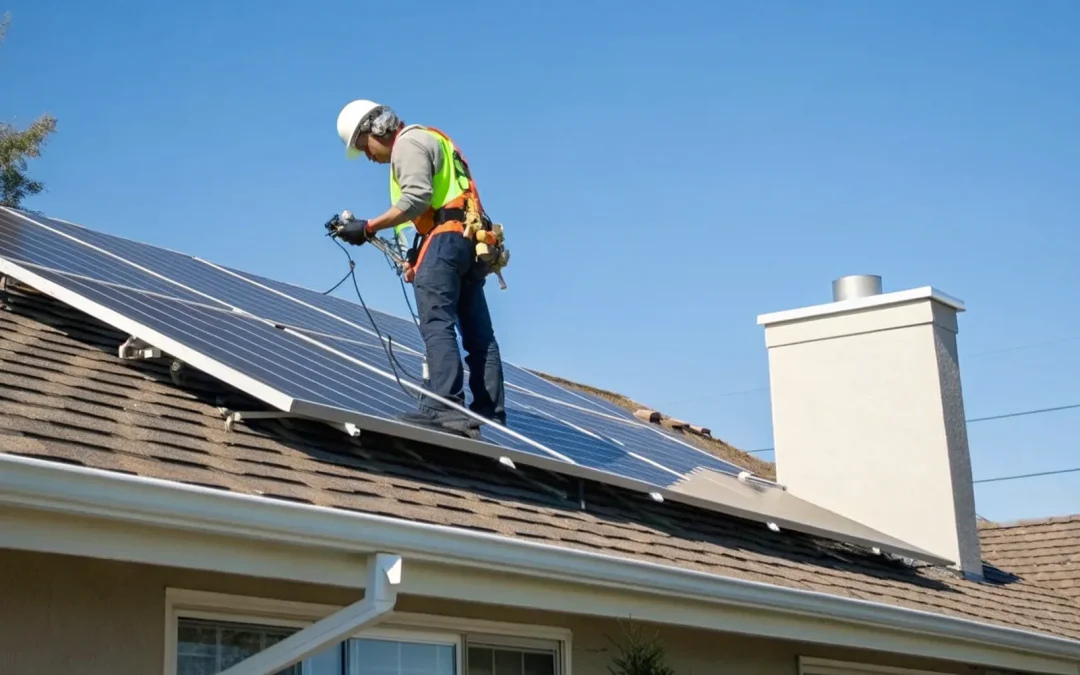
Most homeowners understand the basics of how solar panels generate power, but few know what to do when something goes wrong. If your system stops performing at its peak, who do you call? The answer is a solar repair technician, a highly trained professional with a unique mix of skills in electrical work, roofing, and advanced diagnostics. They are the go-to experts for everything from cleaning dirty panels to replacing a faulty inverter. Understanding their role is key to being a confident solar homeowner, so you know exactly who to trust to keep your system in top condition for years to come.
Key Takeaways
- Leave complex repairs to the pros: A solar technician’s expertise goes beyond simple cleaning. They are trained to safely handle the most critical parts of your system, from troubleshooting high-voltage wiring to repairing the inverter, ensuring your system runs efficiently and safely.
- Choose your technician with care: Protect your investment by verifying a technician’s credentials (like NABCEP certification), confirming they have experience with your specific equipment, and checking their insurance and customer reviews before any work begins.
- Prioritize preventive maintenance for long-term savings: A small investment in regular professional check-ups is the best way to prevent expensive repairs. This proactive approach keeps your system at peak performance, extends its lifespan, and maximizes your energy savings.
What Does a Solar Repair Technician Do?
When you invest in a solar energy system, you’re getting a durable, long-lasting power source. But like any important home system, it needs professional attention from time to time to perform at its best. That’s where a solar repair technician comes in. These skilled professionals are the go-to experts for keeping your system running safely and efficiently.
Think of them as your solar system’s doctor. They handle everything from routine check-ups and cleanings to diagnosing complex electrical issues and replacing critical components. Their work ensures you get the most out of your investment, protecting your home’s energy production for years to come. Whether it’s a sudden drop in performance or damage from a storm, a qualified technician has the tools and expertise to get your system back on track.
Panel Cleaning and Maintenance
While solar panels are impressively low-maintenance, they aren’t completely self-sufficient. Over time, a layer of dust, pollen, leaves, and other debris can accumulate on their surface, blocking sunlight and reducing their efficiency. A solar technician’s job includes professional cleaning to restore your panels to peak performance. They use the right tools and techniques to clean the glass safely without causing scratches or damage.
In the Mid-Atlantic region, a cleaning every couple of years is usually sufficient. However, if your home is surrounded by trees, you might need more frequent service to clear away fallen leaves and pine needles. A technician can assess your specific situation and recommend a maintenance schedule that keeps your solar panel installation generating maximum power.
Inverter Repairs and Replacements
The inverter is the brain of your solar energy system. It’s the essential device that converts the direct current (DC) electricity your panels produce into alternating current (AC) electricity that your home can use. If your inverter isn’t working, your entire system is down. Solar repair technicians are trained to diagnose and fix issues with these complex electronic components.
Whether it’s a software glitch, a faulty part, or a complete failure, a technician can identify the root cause of the problem. They have the expertise to perform necessary repairs or, if needed, handle a full replacement. Keeping your solar panel inverters in top condition is one of the most important parts of maintaining a healthy and productive solar system.
Wiring and Electrical Troubleshooting
A solar energy system is a sophisticated electrical setup, and working on it requires specialized knowledge to ensure safety. A key responsibility for a solar repair technician is inspecting and maintaining all the wiring and electrical connections. Over time, connections can loosen, or wiring can become damaged by weather or pests, creating potential hazards and performance issues.
Technicians are trained to troubleshoot these electrical problems, from tracking down shorts to replacing worn-out components. They ensure that every part of your system is secure, functional, and compliant with all local electrical codes. This is definitely not a DIY job—handling the electrical side of a solar system is a task best left to a professional who can guarantee the work is done safely and correctly.
System Monitoring and Diagnostics
Modern solar systems often come with monitoring software that allows you to track your energy production in real time. When you notice a dip in performance, a solar technician is the one who digs deeper to find out why. They use the data from your monitoring system, along with their own advanced diagnostic tools, to pinpoint the exact source of the trouble.
This process involves more than just looking at an app. Technicians can read complex electrical diagrams, test individual components, and interpret performance data to identify everything from a single underperforming panel to a subtle issue with the inverter. Their diagnostic skills are essential for resolving problems quickly and accurately, ensuring your system’s long-term health and productivity. You can learn more about system performance on our FAQ page.
How to Choose a Reliable Solar Repair Technician
When your solar panel system isn’t performing as it should, finding the right person for the job can feel overwhelming. Your solar array is a significant investment, and you want to be sure it’s in capable hands. The good news is that a little bit of research can go a long way in helping you find a qualified and trustworthy technician. Think of it like finding any other skilled professional for your home—you wouldn’t hire a plumber without checking their credentials, and the same standard applies here.
Choosing the right technician ensures your system is repaired correctly, safely, and efficiently, protecting its longevity and performance. A great technician not only fixes the immediate problem but also helps you understand how to keep your system running smoothly for years to come. As Maryland’s oldest family-run solar firm, we know that trust and expertise are the cornerstones of great service. Here’s a straightforward guide to help you vet potential solar repair pros and make a confident choice for your home.
Check for Certifications and Licensing
First things first, let’s talk credentials. A qualified solar technician should have formal training and certifications to prove their expertise. In the United States, the gold standard is the North American Board of Certified Energy Practitioners (NABCEP) certification. This isn’t just a piece of paper; it signifies that a technician has met rigorous standards and possesses a high level of skill in the solar industry.
Don’t hesitate to ask a potential technician or company about their team’s certifications and state licensing. A reputable professional will be proud to share their qualifications. This step ensures that the person working on your roof and electrical system knows exactly what they’re doing, following the latest safety protocols and industry best practices.
Look for Experience with Your System
Not all solar panel systems are built the same. They use different components, from the panels themselves to the inverters and battery backups. That’s why it’s so important to find a technician who has hands-on experience with your specific type of setup. If you have a QCELLS system with an Enphase solar panel inverter, you want someone who knows that technology inside and out.
When you’re speaking with a potential technician, ask about their experience with your brand of equipment. Have they worked on systems with a solar panel battery backup like yours? The more specific their experience, the more efficiently they can diagnose and resolve the issue, saving you time and money.
Confirm Insurance and Warranty Coverage
This step is all about protecting yourself and your home. Any technician working on your property should have adequate insurance, including general liability and worker’s compensation. This protects you from any liability in the unlikely event of an accident or damage to your property during the repair. Ask for proof of insurance before any work begins—a professional company will have it ready.
Equally important is the warranty on their work. A reliable technician will stand behind their repairs with a workmanship warranty. This gives you peace of mind that if the same issue pops up again within the warranty period, they’ll come back and fix it. Be sure to get the details of the warranty in writing.
Read Customer Reviews and References
What are other homeowners saying? It’s easier than ever to get a sense of a company’s reputation. Look for online reviews on Google, Yelp, and other third-party sites to see what past customers have experienced. Pay attention to comments about professionalism, timeliness, communication, and the quality of the repair work.
Beyond online reviews, don’t be afraid to ask the company for a list of references. Speaking directly with a few past customers can give you invaluable insight into what it’s like to work with them. A company with a long track record of happy clients will be more than willing to connect you with them. This feedback can be the final piece of the puzzle in making your decision.
How Much Do Solar Repairs Cost?
Thinking about potential repair costs is a smart step when you own a solar energy system. While solar panels are incredibly durable and designed to last for decades with minimal fuss, it’s wise to be prepared for the unexpected. Knowing what to expect financially can take the stress out of a potential issue. The final price tag for a repair can swing quite a bit, but understanding the key factors will give you a much clearer idea of the potential costs. From the specific part that needs fixing to the complexity of the job, several elements play a role in what you’ll pay to get your system back to peak performance.
Fortunately, most solar repairs are more affordable than homeowners might think, especially when compared to the ongoing savings the system provides. Major component failures are uncommon, and many issues are simple fixes for a qualified technician. In this section, we’ll break down what influences repair prices, look at some typical cost ranges for common problems, and explain why some repairs might cost more than others. This will help you budget accordingly and ensure you’re never caught off guard.
What Influences Repair Prices
The cost of a solar repair isn’t one-size-fits-all. The biggest factor is the type of repair needed. A minor wiring fix, for example, might only cost a few hundred dollars, typically ranging from $100 to $400. However, a more complex issue with a critical component like a solar panel inverter can be more expensive, with replacements costing anywhere from $150 to over $3,000, depending on the model. The extent of the damage also matters—a single cracked panel is much less costly to address than widespread damage from a storm. Finally, local labor rates and the accessibility of your panels can influence the final bill.
Typical Repair Cost Ranges
On average, most homeowners find that solar panel repairs cost between $400 and $1,000. While that’s a broad range, it covers many of the most common issues you might encounter. The national average hovers around $848, giving you a solid benchmark. For instance, fixing a single cracked or broken panel usually falls between $120 and $550. Addressing common wiring problems often lands within a similar range. It’s helpful to remember that catastrophic failures are rare. Most repairs are manageable and are part of the long-term maintenance of any home energy system. You can find more answers to common cost questions on our FAQ page.
Why Some Repairs Cost More
Certain repairs naturally come with a higher price tag, usually due to the complexity of the work or the cost of the parts. A complete inverter failure, for example, is one of the more expensive fixes because the inverter is a sophisticated and essential piece of equipment. Extensive damage affecting multiple panels will also cost more than an isolated issue. It’s also important to understand your warranty. While many manufacturers cover the equipment itself for many years, the warranty may not include the labor costs for the repair or replacement. This is one of the key benefits of working with an established installer who can clearly explain your warranty coverage and provide reliable service.
Common Solar Problems That Need a Pro
Solar panel systems are incredibly durable, but they aren’t immune to problems. While some minor upkeep is manageable, many issues require a trained professional. Trying to fix complex electrical components or damaged panels on your own can be dangerous and might even void your warranty. Here are the most common problems that signal it’s time to call in a pro.
Panel Damage and Performance Dips
Your panels face the elements 24/7. Over time, dirt and debris can accumulate, but a sudden dip in energy output could mean something more serious, like hidden cracks from hail or debris. A professional can safely inspect your panels up close, identify subtle damage, and perform a thorough cleaning. Experts recommend a professional check-up every few years to keep your solar panel installation in top shape. This proactive step ensures you’re getting the most out of your investment and prevents small issues from becoming big ones.
Inverter Malfunctions and Failures
Think of the inverter as your system’s command center—it converts solar energy into usable power for your home. If you notice fault codes, strange noises, or frequent shutdowns, your inverter needs attention. These are complex electronic devices, and a DIY repair is risky. A qualified technician can accurately diagnose the problem, whether it’s a simple software update or a complete hardware failure. They have the expertise to safely repair or replace solar panel inverters, getting your system back online quickly and securely.
Electrical and Wiring Issues
When it comes to electrical work, safety is non-negotiable. The wiring that connects your solar array is high-voltage, and issues like frayed cables or loose connections are serious fire hazards. A certified technician is trained to handle these components safely. They can trace faults, replace worn-out wiring, and ensure every connection is secure and weatherproof. According to the U.S. Bureau of Labor Statistics, a key part of a technician’s job is connecting panels to electrical systems and performing maintenance, a task best left to those with proper training.
Storm and Weather Damage
After a severe storm with high winds or hail, it’s smart to have your system checked out. Damage to panels or mounting hardware isn’t always visible from the ground. A professional has the safety equipment and experience to get on your roof for a close inspection. They’ll look for cracks, loose bolts, and signs of water leaks that could cause bigger problems later. This work is physically demanding and requires navigating hot, steep surfaces. Let a pro handle the risk so you can have peace of mind knowing your system is secure. Our FAQ page has more info on weather-related concerns.
What It Takes to Be a Solar Repair Technician
Ever wonder what goes on behind the scenes when a solar technician shows up at your door? While you won’t be climbing onto the roof yourself, understanding the skills and training required can give you a new appreciation for the pros who keep your system running smoothly. It also helps you know what to look for in a qualified expert. A great technician brings a specific blend of education, technical skill, and a deep commitment to safety to every job. Here’s a peek into what it takes to become a trusted solar repair professional.
Required Education and Certifications
The path to becoming a solar repair technician usually starts with a high school diploma. From there, most of the learning happens through extensive on-the-job training that can last up to a year. During this time, they learn the practical, hands-on skills needed to install, maintain, and repair solar energy systems. Some technicians also attend technical schools or community colleges to get a formal education in solar technology. This combination of classroom learning and real-world experience ensures the person working on your home’s power system has a solid grasp of the technology from the ground up.
Key Technical and Safety Skills
A top-notch solar technician needs strong problem-solving skills to diagnose and fix issues efficiently. They are experts at using specialized tools to check wiring, test components, and interpret complex electrical diagrams. Safety is also a huge part of the job. Technicians work with high-voltage equipment, often at significant heights, so they must follow strict safety protocols. Many are required to have an OSHA 10-hour safety certificate, which covers essential workplace safety practices. This focus on safety protects both the technician and your property during any repair or maintenance work.
Career Growth Opportunities
Working as a solar repair technician isn’t just a job; it’s a career with a bright future. As technicians gain experience, they have many opportunities for career advancement. Many move into supervisory or management positions where they oversee teams of other technicians. Some even go on to start their own solar installation and repair businesses. Because solar technology is constantly evolving, there’s always a demand for technicians with specialized skills, creating even more avenues for professional growth. This dynamic career path attracts dedicated professionals who are passionate about renewable energy.
Salary Expectations
The expertise of a skilled solar technician is a valuable investment, and their compensation reflects the specialized knowledge required to work with these sophisticated systems. As of May 2023, the median annual wage for solar photovoltaic installers, which includes repair technicians, was around $48,800. However, salaries can vary quite a bit based on factors like experience, location, and any additional certifications a technician holds. More experienced professionals in high-demand areas can earn more. This competitive pay helps attract and retain talented individuals in the fast-growing solar industry.
How Regular Maintenance Prevents Costly Repairs
Think of your solar panel system like your car—you wouldn’t drive it for years without an oil change, right? The same idea applies to your solar investment. While solar panels are built to be incredibly durable, a little preventive care goes a long way in stopping major headaches and expensive repairs down the road. Regular maintenance ensures your system operates at peak efficiency, meaning you get the maximum energy production and the most savings on your utility bills. A proactive approach is always better than a reactive one, protecting your system’s performance and giving you peace of mind for decades.
Sticking to a Professional Maintenance Schedule
Solar panel systems are refreshingly low-maintenance, but they aren’t completely “set it and forget it.” Over time, dust, pollen, and leaves can accumulate on your panels, reducing their ability to absorb sunlight. That’s why having a professional inspect and clean your system every few years is a smart move. A trained technician does more than just wipe down the panels; they’ll check for secure connections, inspect the wiring, and ensure your solar panel inverters are functioning correctly. This quick check-up can identify potential issues that aren’t visible from the ground, keeping your system in top-notch condition.
Early Warning Signs to Watch For
Between professional visits, there are a few things you can keep an eye on yourself. The easiest way to monitor your system’s health is through its monitoring app. If you notice a sudden drop in energy production that isn’t related to a string of cloudy days, it could be a sign that something needs attention. It’s also a good idea to do a quick visual inspection from the ground after a major storm. Look for any debris on the panels or visible damage. Catching these early warnings allows you to contact a professional for a simple fix before it becomes a bigger problem.
The Long-Term Benefits of Preventive Care
Investing a small amount in regular maintenance pays off big time in the long run. First, it maximizes your energy savings. Clean, well-maintained panels produce more electricity, which directly translates to lower utility bills. Second, it extends the lifespan of your equipment, ensuring you get the full 25- to 30-year benefit from your system. Finally, it provides invaluable peace of mind. You can rest easy knowing your system is safe, reliable, and performing at its best. Working with an established, family-run company ensures you have a trusted partner to help you protect your investment for years to come.
Find the Right Solar Pro for Your System
When your solar panels aren’t performing as they should, finding the right person for the job is your top priority. It can feel like a big task, but breaking it down into a few simple steps will help you confidently choose a qualified technician who can get your system back up and running efficiently. Think of it as protecting your investment for years to come.
Check Their Credentials and Experience
Not all electricians are solar experts. Your solar energy system is a specialized piece of technology, so you need a technician with specific training and hands-on experience. Look for professionals who are certified and have a proven track record of working on residential solar setups. It’s even better if they have experience with your specific equipment, whether it’s the brand of your panels or your solar panel inverters. An experienced pro can diagnose issues faster and more accurately, saving you time and money in the long run. Don’t be shy about asking a potential company about their team’s qualifications and the types of systems they service most often.
Prioritize Local, Reputable Companies
Hiring a local company offers some major advantages. A technician from your area will be familiar with local building codes, permitting requirements, and the specific environmental factors that can affect solar panels, like regional weather patterns. Local businesses also have a reputation to uphold in the community. A family-run solar firm that has served your area for years is more likely to be invested in providing high-quality work and excellent customer service. Plus, if you need follow-up service, they’re just a short drive away, not several states over. This local presence provides an extra layer of accountability and peace of mind.
Read Reviews and Ask for References
Before you commit, do a little homework. Check online reviews on sites like Google to see what past customers are saying. Look for consistent feedback about the company’s professionalism, communication, and the quality of their repair work. One or two negative reviews aren’t necessarily a deal-breaker, but pay attention to how the company responded. For an even clearer picture, ask the company for references from recent repair jobs. Speaking directly with a past customer can give you firsthand insight into their experience and help you feel confident in your decision.
Get a Clear Quote and Understand the Value
While cost is always a factor, the cheapest quote isn’t always the best choice. A quality repair is about long-term value, not just a low upfront price. Ask for a detailed, itemized quote that breaks down the costs for parts and labor so you know exactly what you’re paying for. A trustworthy technician will be transparent about pricing and take the time to explain the necessary repairs. If you’re unsure where to start or want a baseline, you can always request a free solar estimate to understand the potential scope and cost of your project. This ensures there are no surprises down the line.
Related Articles
Frequently Asked Questions
How often should I have my solar panel system professionally inspected? A professional inspection every couple of years is a great rule of thumb for most homes in our region. This check-up gives a technician a chance to perform a thorough cleaning and ensure all your connections are secure. However, if your home is surrounded by a lot of trees that drop leaves and pollen, you might consider a more frequent schedule to keep your system producing at its best.
Will my warranty cover the cost of solar repairs? This is a great question, and the answer depends on your specific warranties. Most solar energy systems come with two main types: a manufacturer’s warranty that covers the physical equipment like panels and inverters, and a workmanship warranty from the installer that covers the labor. We can help you review your documents to see what’s covered and handle any claims on your behalf to make the process as smooth as possible.
Can I perform any solar panel maintenance myself? While we admire a can-do spirit, we strongly advise against any DIY electrical work or getting on the roof yourself for safety reasons. The best things you can do are to keep an eye on your system’s production through its monitoring app and do a quick visual check from the ground after a storm. If you notice a significant drop in performance or see any debris on the panels, that’s the perfect time to give a professional a call.
What’s the difference between routine maintenance and a repair call? Think of routine maintenance as a proactive wellness visit for your solar system. It involves scheduled inspections, cleaning, and checking components to prevent future problems. A repair call, on the other hand, is reactive. It’s what happens when you notice an issue, like a drop in energy production or an error code on your inverter, and you need a technician to diagnose and fix a specific problem.
The company that installed my panels is out of business. Can you still help me? Absolutely. It’s an unfortunate situation that many homeowners face, and we are fully equipped to help. Our experienced technicians can service and repair systems installed by other companies. We can perform a full system diagnostic to assess its health, identify any issues, and recommend the best course of action to get it performing efficiently again.
Recent Comments