
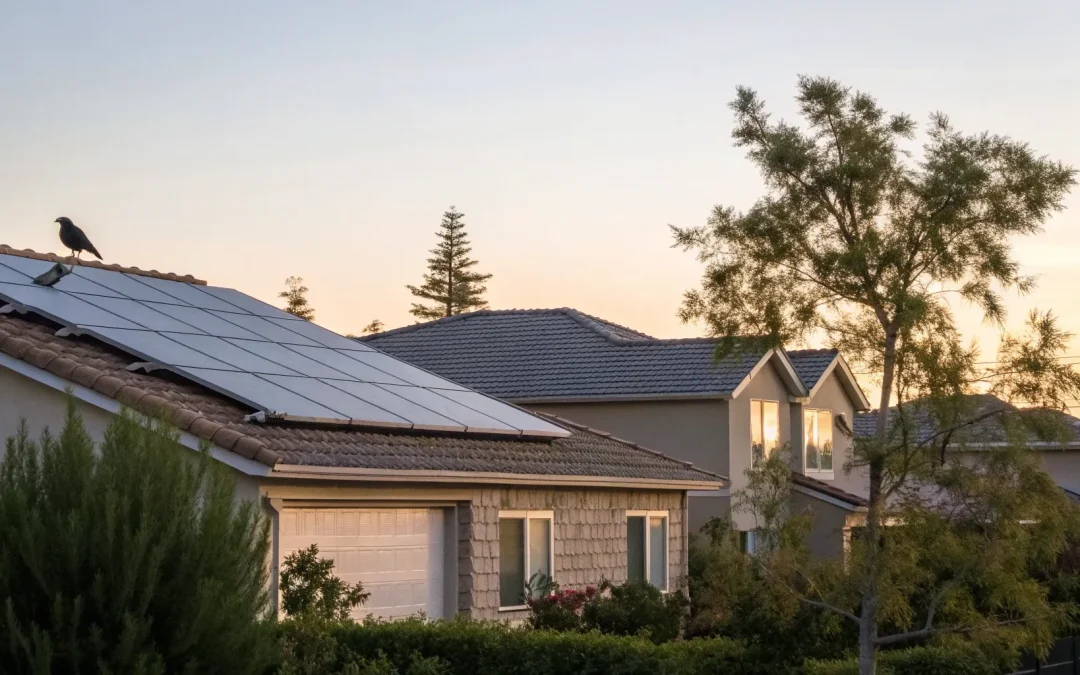
A solar energy system is one of the few home improvements that actively pays you back. While a new kitchen is great, it won’t do much to lower your monthly bills. Solar panels, on the other hand, start generating a return on your investment from the moment they’re turned on. They reduce your reliance on the grid, protect you from rising energy costs, and can even increase your home’s resale value. This article explores the powerful long-term financial benefits of going solar. We’ll break down the savings, incentives, and value-adds so you can see how quality solar panel installation services create a smarter financial future for your family.
Key Takeaways
- Vet Your Installer to Protect Your Investment: Your choice of installer is critical. Look for a licensed, certified company with a long track record, strong workmanship warranties, and positive local reviews to ensure a high-quality installation that lasts.
- Factor in Savings and Incentives to See the Real Cost: The upfront price isn’t the whole story. The 30% federal tax credit, state incentives, and flexible financing options make solar accessible, while long-term energy savings deliver a strong return on your investment.
- Embrace a Low-Maintenance, High-Value Upgrade: Modern solar systems are built to last with minimal upkeep and are professionally managed from design to activation. The long-term payoff includes lower bills, increased home value, and the security of having backup power when you need it.
What Are Your Solar Installation Options?
When you decide to go solar, you’ll find it’s not a one-size-fits-all solution. The right setup for your neighbor might not be the best fit for you, and that’s perfectly okay. Your ideal system depends on your property type, your energy goals, and how hands-on you want to be with the process. Thinking through these choices is the first step toward creating a system that truly works for your home and your budget.
Most people fall into one of two main categories: residential or commercial. A home solar system is designed to offset your family’s daily energy use, helping you save on utility bills and reduce your carbon footprint. A commercial system, on the other hand, needs to power a much larger operation and involves a different scale of planning and investment. Beyond that, you’ll also need to decide between hiring a professional team or attempting a do-it-yourself installation. Each path has its own set of considerations, from initial cost and complexity to long-term performance and peace of mind. Making the right choice here will impact everything from your system’s efficiency to your eligibility for warranties and incentives. Let’s break down what each of these options means for you.
Solar for Your Home
For most homeowners, the goal is simple: lower those monthly electricity bills and gain a little more energy independence. A residential solar panel installation is custom-designed to fit your specific roof and match your household’s energy consumption. A professional installer will analyze your energy usage, assess your roof’s sun exposure, and create a system that maximizes your return on investment. This isn’t just about panels; it’s about building a complete home energy solution. You can integrate a solar panel battery backup to keep the lights on during an outage or add a solar EV charger for your electric vehicle. It’s all about tailoring the technology to fit your lifestyle.
Solar for Your Business
While our focus is on helping homeowners, it’s worth noting that businesses can also benefit greatly from solar energy. Commercial solar installations are much larger in scale and are designed to offset the high energy demands of running a business. For a company, this is a significant capital investment that can deliver substantial long-term savings on operating costs. Choosing the right solar partner is critical, as you’re entering a relationship that can last for 25 years or more. A commercial installer handles everything from complex financing and permitting to large-scale construction and ongoing maintenance, ensuring the system performs reliably for decades.
Professional Installation vs. DIY
It can be tempting to consider a DIY solar installation to save money, but this is one project where professional expertise is invaluable. A professional installation team handles every single step, from the initial site assessment and system design to securing permits and passing final inspections. They ensure the system is installed safely, meets all electrical codes, and won’t compromise the integrity of your roof. Plus, professionals can guide you through the complexities of financing and help you claim valuable tax credits. When you work with an experienced company, you’re not just buying solar panels; you’re investing in a seamless process and the assurance that your system will perform safely and efficiently for years. Ready to see what a professional design looks like? You can get a free solar estimate to start the conversation.
How to Choose the Right Solar Installer
Choosing a solar installer is a big deal. You’re not just buying a product; you’re hiring a team to work on your home and starting a long-term relationship with a company that will support your energy system for decades. The right partner will make the process smooth and ensure your investment pays off. A great installer combines technical expertise with excellent customer service, guiding you from the initial consultation to the day you flip the switch and beyond. They should be able to answer all your questions about everything from the best type of solar panel inverters for your home to the specifics of adding a battery backup system.
Think of it like hiring any trusted contractor for a major home project. You want someone who is qualified, experienced, and stands behind their work. The solar industry has its own set of standards, so it’s important to know what to look for. By focusing on a few key areas—like credentials, track record, warranties, and local reputation—you can confidently find a company that will do the job right. This is about finding a partner you can trust to help you achieve your energy goals. A good installer won’t just sell you panels; they’ll design a custom system that fits your home’s energy needs and your budget, ensuring you get the most value from your investment for years to come.
Look for Key Certifications and Licenses
First things first, let’s talk credentials. A legitimate solar installer must have the proper licenses and insurance to work in your state. This usually includes an electrical contractor license, as solar installation is electrical work. You should also look for certifications from the North American Board of Certified Energy Practitioners (NABCEP), which is the gold standard for professionals in the renewable energy industry.
These credentials aren’t just pieces of paper; they’re proof that the team working on your roof is trained in the latest safety standards and installation techniques. Don’t be shy about asking a potential installer for proof of their licenses, insurance, and certifications. A reputable company will be happy to provide them.
Review Their Experience and Track Record
When it comes to a long-term investment like solar, experience matters. Look for a company that has been in business for at least five years. A company with a long history is more likely to have a streamlined process, skilled installation crews, and the stability to be around for the entire life of your system to honor its warranties. A strong track record shows they’ve successfully completed projects like yours and have built a sustainable business.
As Maryland’s oldest family-run solar firm, we understand that a company’s history is built on trust and quality. You can learn more about a company’s background and values on its About Us page, which often gives you a good sense of their commitment to their customers and community.
Understand the Warranty and Service Guarantees
Warranties are your safety net, so it’s crucial to understand what’s covered. There are typically two main types: a manufacturer’s warranty on the equipment (panels, inverters) and a workmanship warranty from the installer. The workmanship warranty covers issues related to the installation itself, like leaks or loose wiring.
A confident installer will stand behind their work with a strong warranty. Look for a company that offers at least a 10-year workmanship warranty, though many top-tier installers offer 25 years or more. This guarantee reflects the company’s confidence in its installation quality and gives you peace of mind that your investment is protected. Make sure you get the warranty details in writing before signing a contract.
Check Customer Reviews and Local Reputation
Online reviews are a great way to get a feel for a company’s customer service. Check out what past clients are saying on sites like Google, Yelp, and SolarReviews. Look for patterns in the feedback. Are customers consistently praising the company’s communication, professionalism, and post-installation support? While a few negative reviews are normal for any business, a pattern of unresolved issues should be a red flag.
A local company often has a reputation to uphold in the community it serves. They rely on word-of-mouth and positive experiences to grow. Reading through a company’s FAQ page can also give you insight into how they address common customer concerns and the transparency of their process.
Breaking Down the Cost of Solar Panels
Let’s talk about the numbers. The cost of a solar panel system is one of the first things homeowners want to know, and for good reason—it’s a significant investment in your home. While I can’t give you a single magic number, I can walk you through exactly what goes into the final price tag. The total cost depends on your home’s specific energy needs, the equipment you choose, and the fantastic financial incentives available to you.
Think of it less as a one-size-fits-all product and more like a custom solution designed for your home and budget. From the size of your system to the financing option you choose, you have a lot of control over the final cost. We’ll break down the key factors so you can feel confident about what you’re paying for. Plus, we’ll cover the tax credits and incentives that make going solar more affordable than ever.
Average Cost by System Size
The primary driver of your total cost is the size of the solar energy system you need, which is measured in kilowatts (kW). A larger home with higher electricity consumption will naturally require a larger system to offset its energy use, while a smaller, more energy-efficient home can get by with a smaller setup. Instead of a flat rate, the industry typically prices systems on a per-watt basis.
The best way to understand what size you’ll need is to look at your past utility bills. This gives us a clear picture of your average energy usage. From there, a solar expert can design a system tailored to your needs and provide a free solar estimate based on that custom design.
What Influences the Final Price?
Beyond system size, a few other key elements will shape your final quote. The quality of the components is a big one. High-efficiency solar panels and top-tier solar panel inverters may have a higher upfront cost, but they often provide better performance and greater long-term savings.
The installation company itself also plays a role. An experienced, certified installer with a strong local reputation and comprehensive warranties provides peace of mind that the job will be done right. While it might be tempting to go with the lowest bidder, investing in a quality installation ensures your system will be safe, reliable, and efficient for decades to come.
Your Financing Options: Cash, Loans, and Leases
You don’t have to pay for your entire solar system at once. Homeowners have several flexible financing options to choose from. Paying with cash is the most straightforward approach and means you own the system outright from day one, with no interest payments.
A solar loan is another popular choice, allowing you to finance the system and pay it off over time, much like a car loan. In many cases, the monthly loan payment is less than your old utility bill. You can also explore leases or Power Purchase Agreements (PPAs), where a third party owns the system on your roof and you pay them a fixed rate for the electricity it produces.
Find Federal Tax Credits and State Incentives
This is where the investment gets really exciting. The federal government offers a Residential Clean Energy Credit, which allows you to deduct 30% of the cost of your solar system from your federal taxes. This isn’t just a deduction from your income—it’s a dollar-for-dollar credit that directly reduces your tax bill. This credit also applies to energy storage solutions like a solar panel battery backup.
On top of that, many states offer their own incentives. Homeowners in Maryland, Virginia, Pennsylvania, and Delaware can find local grants, property tax exemptions, and other programs to lower the cost even further. Be sure to ask your solar consultant about the specific incentives available in your area.
The Solar Installation Process, Step by Step
Making the switch to solar energy is an exciting step, but it can feel like a big project. The good news is that a professional installation team handles all the heavy lifting for you. The entire process is designed to be smooth and straightforward, moving from initial conversation to a fully operational system in just a few key phases. We’ll walk you through exactly what to expect when you decide to power your home with the sun. From the first assessment to the moment you flip the switch, here’s how we get it done.
Your Initial Consultation and Home Energy Assessment
Everything starts with a simple conversation. During your initial, no-obligation consultation, our team will sit down with you to understand your energy goals. Are you looking to eliminate your electric bill, add a reliable backup power source, or charge an electric vehicle? We’ll review your past utility bills to see how much energy you use and perform a thorough assessment of your home, including your roof’s condition, orientation, and sun exposure. This first step is all about gathering information to see if solar is the right fit for you and to give you a clear picture of potential savings. You can request a free solar estimate to get this process started.
System Design and Permitting
Once we have all the necessary information, our engineers get to work designing a custom solar energy system just for your home. This isn’t a one-size-fits-all solution; we tailor the number and placement of panels to maximize energy production and meet your specific needs. We use top-tier products like QCELLS panels and Enphase solar panel inverters to ensure efficiency and reliability. At the same time, our administrative team handles all the paperwork. We manage the local permits and applications with your utility company, so you don’t have to deal with the complex logistics. We keep you updated every step of the way, ensuring you know exactly what’s happening behind the scenes.
What to Expect on Installation Day
This is where your system comes to life. Our certified and experienced crew will arrive on the scheduled day ready to complete your solar panel installation. Most residential installations take just one to three days. Our team works efficiently and professionally, securing the mounting hardware, placing the panels, and wiring the system into your home’s electrical panel. We prioritize safety and respect for your property, making sure to keep the work area clean and minimize any disruption to your daily routine. We believe you should feel comfortable with the people working on your home, which is why we’re proud to be Maryland’s oldest family-run solar firm.
The Final Inspection and Flipping the Switch
After the installation is complete, we aren’t quite finished. The system needs to pass a final inspection by your local municipality to ensure it meets all safety and code requirements. Once we get the green light, your utility company will grant Permission to Operate (PTO). This is the moment you’ve been waiting for! We’ll walk you through how to turn on your system and monitor its production. You can start generating your own clean energy with the peace of mind that comes from our long-term warranties on both products and labor. From this day forward, you’ll enjoy the many benefits of solar power, including lower energy bills and a smaller carbon footprint.
Common Solar Installation Myths, Busted
When you’re considering a big home improvement project like going solar, it’s easy to get bogged down by conflicting information. You’ve probably heard a few things that gave you pause. Let’s clear the air and tackle some of the most common myths about solar panel installation head-on.
Myth: Solar Panels Don’t Work in Cloudy Climates
It’s a common misconception that you need perfect, year-round sunshine for solar panels to be effective. The truth is, modern solar panels are incredibly efficient and can generate a significant amount of electricity even on overcast days. They are designed to capture diffuse sunlight that penetrates through clouds. Here in the Mid-Atlantic, we get a great mix of weather, and today’s solar technology is built for it. Your system will still produce power on cloudy days, ensuring you see the benefits of solar no matter the forecast. It’s not about having constant sun; it’s about having a system designed for our specific climate.
Myth: Solar Installation Will Damage My Roof
Your roof is one of the most important parts of your home, so it’s completely understandable to worry about anything that might compromise it. However, when handled by certified professionals, a solar panel installation can actually help protect your roof. We use specialized mounting hardware engineered to be watertight and secure, preserving your roof’s integrity. The panels themselves act as a shield, protecting the covered sections of your roof from harsh weather like rain, snow, and sun. A proper installation from an experienced team ensures your roof and your investment are safe for decades to come.
Myth: Solar Is Too Expensive for the Average Homeowner
While the initial investment for solar can seem high, the idea that it’s out of reach for most homeowners is outdated. The cost of solar technology has dropped dramatically over the years. Plus, generous federal tax credits, state incentives, and flexible financing options have made going solar more accessible than ever. When you factor in the long-term savings on your monthly utility bills, the system often pays for itself over time. The best way to understand the real cost for your home is to get a personalized quote. You can request a free solar estimate to see exactly how affordable it can be.
Myth: Solar Panels Need a Lot of Maintenance
Many people imagine that solar panels require constant upkeep, but they are surprisingly low-maintenance. Designed to withstand the elements for 25 years or more, they have no moving parts and are incredibly durable. For the most part, regular rainfall is enough to keep them clean and operating efficiently. We recommend an occasional inspection to ensure everything is working perfectly, but that’s about it. Plus, our high-quality products come with long-term warranties, giving you peace of mind. You can find more details about system care on our FAQ page, but rest assured, you won’t be spending your weekends performing complicated maintenance.
The Long-Term Payoff of Going Solar
Thinking about solar panels is more than just a home improvement project; it’s a long-term investment in your financial future and your family’s well-being. While the initial setup is a key part of the process, the real magic happens over the years as you start to see the returns. Unlike a kitchen remodel or a new deck, a solar installation actively works for you, generating value every single day the sun is out. The payoff isn’t just about one single thing—it’s a powerful combination of financial savings, increased property value, environmental responsibility, and greater peace of mind.
When you make the switch, you’re not just adding technology to your roof. You’re fundamentally changing your relationship with energy. Instead of simply being a consumer who pays a fluctuating bill each month, you become a producer with more control over your costs and your power supply. This shift unlocks a whole host of benefits that compound over the 25+ year lifespan of your system. From the immediate drop in your monthly utility bills to the security of having power during a blackout, the advantages of going solar are tangible and lasting. Let’s break down exactly what you can expect from this powerful home upgrade.
Lower Your Monthly Energy Bills
One of the most immediate and rewarding benefits of installing solar panels is the significant reduction in your monthly electricity bills. By generating your own clean power, you can drastically decrease how much electricity you need to pull from the main utility grid. Every sunny day means your system is hard at work, producing energy for your home and chipping away at your expenses.
This creates a buffer against the unpredictable and often rising costs of traditional energy. Instead of worrying about rate hikes, you have a consistent and reliable source of power right on your roof. In many areas, you can even earn credits for any excess energy your panels produce and send back to the grid. Getting a free solar estimate is the best way to see exactly how much you could save based on your home’s location and energy usage.
Increase Your Home’s Value
A solar panel system is an upgrade that truly pays you back. Studies have shown that homes with solar panels often sell for about 4.1% more than similar homes without them. Think of it this way: a home with built-in energy savings is incredibly attractive to potential buyers. They see a future with lower, more predictable monthly expenses, which makes your property stand out on the market.
Unlike a purely cosmetic update, a solar panel installation is a functional improvement that adds measurable value. It’s a clear signal to buyers that the home is modern, efficient, and well-maintained. This added value not only helps you when it’s time to sell but also contributes to your overall home equity from the moment the system is activated.
Reduce Your Carbon Footprint
Choosing solar is a powerful way to make a positive impact on the environment. Traditional electricity is often generated by burning fossil fuels, which releases harmful greenhouse gases into the atmosphere. Solar energy, on the other hand, is completely clean. Your panels create electricity from sunlight without producing any emissions, allowing you to run your home on a truly renewable resource.
By switching to solar, you directly reduce your household’s carbon footprint and contribute to a healthier planet for future generations. It’s a decision that aligns your financial goals with your personal values. As a family-run company, we believe in protecting our communities and our environment, and we’re proud to help homeowners like you become part of the solution. You can learn more about our commitment on our About Us page.
Gain Energy Independence with Battery Backup
Energy independence means having control over your power supply, and nothing offers that peace of mind quite like a solar system paired with battery storage. While solar panels generate power during the day, a solar panel battery backup system stores the excess energy for you to use later—at night, on cloudy days, or most importantly, during a power outage.
When the neighborhood goes dark during a storm, your lights can stay on. This ensures your family remains safe and comfortable, with essential appliances like your refrigerator, lights, and medical devices still running. It’s about more than just convenience; it’s about security. By storing your own clean energy, you become far less reliant on an aging and sometimes unreliable public grid, giving you true energy freedom.
Ready to Make the Switch to Solar?
Deciding to go solar is a big, exciting step toward energy independence. As you get ready to move forward, keeping a few key things in mind will help ensure the process is smooth and successful.
First, think about the benefits beyond just a lower bill. Solar panels allow you to use less electricity from the main power grid, giving you more control and stability. It’s a powerful feeling to generate clean energy right from your own roof. If you’re concerned about the upfront cost, you might be surprised by the flexibility available. There are several solar financing options to explore, including cash purchases, loans, and leases, making it possible to find a plan that fits your family’s budget.
The actual process is more straightforward than most people imagine. It typically starts with a free consultation to assess your home and energy needs. From there, a professional team handles the custom design and all the necessary permits. The on-site solar panel installation itself is surprisingly fast—often taking only one to three days to complete.
Finally, and most importantly, choose your solar partner wisely. The relationship shouldn’t end once the panels are installed. Look for a company that provides excellent post-sale support and stands behind their work with strong warranties. Knowing you have a reliable team to call on for years to come offers invaluable peace of mind. When you’re ready, the first step is to get a free solar estimate to see what’s possible for your home.
Related Articles
- The True Cost of a Home Solar System in 2025
- Installing Solar Panels (How to Add Solar to Your Home)
- Local Solar Companies vs. National Providers: What to Choose?
- How to Choose the Right Solar Installer? QAs Answered
- Choosing the Right Solar Power System for Your Home
Frequently Asked Questions
How long does the entire solar installation process take from start to finish? While the physical installation on your roof is surprisingly fast—usually just one to three days—the full journey from signing the contract to flipping the switch takes a bit longer. You can typically expect the entire process to take between two to four months. This timeline accounts for the important behind-the-scenes work, including custom system design, securing local permits, and getting final approval from your utility company to connect to the grid.
Should I replace my roof before getting solar panels? This is a great question, and the short answer is: it depends on the age and condition of your roof. Solar panels are built to last for 25 years or more, so you want your roof to be in good shape for that same duration. If your roof is nearing the end of its lifespan, it’s much more practical and cost-effective to replace it before we install the panels. During your initial home assessment, we’ll evaluate your roof’s condition and give you a straightforward recommendation.
Will solar panels completely eliminate my electric bill? The goal of a custom-designed solar system is to offset as much of your electricity usage as possible, and many homeowners see their bills drop dramatically. However, it’s rare for a bill to be completely zeroed out every single month. Most utility companies have small, fixed monthly fees for being connected to the grid. The great news is that your system can be designed to cover 100% of your energy consumption, meaning you’ll only be left with those minor connection charges.
What happens to my solar panels if I decide to sell my house? A solar panel system is a permanent home upgrade that adds significant value, making your property more attractive to potential buyers. When you sell, the ownership of the system simply transfers to the new homeowner, just like any other fixture. They get to enjoy the benefits of lower energy bills from day one, which is a powerful selling point that can help your home stand out on the market.
Do my solar panels work during a power outage? For safety reasons, a standard grid-tied solar system is designed to automatically shut down during a power outage. This prevents your panels from sending electricity back to the grid while utility workers are trying to fix the lines. If you want to keep your lights on when the grid goes down, you’ll need to pair your solar panels with a solar panel battery backup. This allows you to store your excess solar energy and use it to power your home independently during an outage.
Recent Comments