
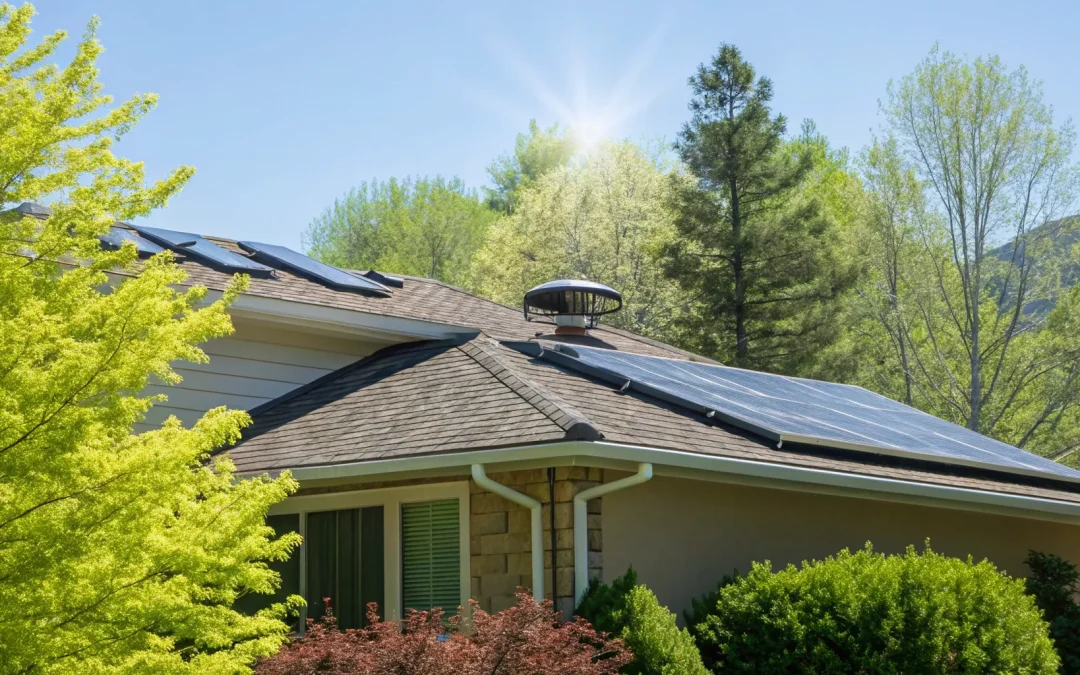
Many of us want to make our homes more environmentally friendly, but the idea of a massive solar project can feel overwhelming. The good news is that you can start making a real impact with a smaller, more accessible step. A solar exhaust fan for home use is a perfect entry point into renewable energy. It operates entirely on its own dedicated solar panel, meaning it uses zero electricity from the grid and adds nothing to your carbon footprint. By making your home naturally cooler, it also reduces your reliance on your air conditioner, further lowering your overall energy consumption and helping you build a more sustainable household.
Key Takeaways
- Lower your energy bills and cool your home naturally: A solar attic fan actively removes trapped hot air, which reduces the strain on your AC system. This leads to direct energy savings and a more comfortable temperature on your home’s upper floors without using grid electricity.
- Match the fan to your home for the best results: The right fan depends on your attic’s size, so look for a CFM rating that matches your square footage. Prioritize models made from durable, weather-resistant materials and consider smart features like a thermostat for efficient, automated operation.
- Protect your home and get a return on your investment: Beyond summer cooling, a solar fan vents moisture in the winter to prevent mold and protect your roof’s structure. The combination of energy savings, a longer roof lifespan, and available tax credits ensures the fan pays for itself over time.
What Is a Solar Exhaust Fan?
If you’ve ever ventured into your attic on a summer day, you know it can feel like an oven. That trapped, superheated air doesn’t just stay up there; it radiates down into your home, making your air conditioner work overtime and driving up your energy bills. A solar exhaust fan is a simple and effective solution to this common problem. Think of it as a smart ventilation system for your attic that runs entirely on solar power.
These fans use a small, dedicated solar panel to power a fan motor, which actively pulls hot air and moisture out of your attic. By creating constant airflow, a solar attic fan prevents heat from building up, which helps keep your entire home cooler and more comfortable. It’s an eco-friendly upgrade that works in tandem with your existing roofing and insulation to lower your cooling costs and reduce the strain on your HVAC system. The benefits extend beyond just comfort; by managing heat and moisture, these fans also help protect your roof structure and insulation from long-term damage.
How Does It Work?
The principle behind a solar exhaust fan is straightforward: get the hot air out and let cooler air in. When sunlight hits the integrated solar panel, it generates electricity to power the fan. The fan then begins to spin, pulling the sweltering, stagnant air from the highest point of your attic and pushing it outside. This process creates negative pressure inside the attic, which in turn draws cooler, fresher air from the outside in through your existing soffit or gable vents. It’s a self-sufficient cycle that runs whenever the sun is out—exactly when your attic needs ventilation the most—without costing you a penny in electricity.
The Key Components
While the concept is simple, a high-quality solar fan is made of several key parts working together. The most obvious component is the solar panel itself, which captures sunlight and converts it into energy. Many modern fans feature adjustable panels so you can tilt them to face the sun for maximum power generation. Inside the unit, you’ll find the motor and fan blades, which are designed for quiet, efficient operation. The entire system is housed in a durable, weather-resistant casing to protect it from rain, wind, and debris. Many models also include a built-in thermostat or humidistat. These smart controls automatically turn the fan on when the attic temperature or humidity reaches a certain level, ensuring it only runs when needed.
Types of Solar Fans for Your Home
Solar attic fans come in a few different styles to suit various roof types and homeowner needs. The most common is the roof-mounted fan, which is installed directly onto your roof’s surface. This type is highly effective and is a great option for most homes, especially those without existing vents in the right places. Another popular choice is the gable-mounted fan. This type is installed on the interior of your attic, behind an existing gable vent on the side of your house. It’s a more discreet option since the unit isn’t visible from the outside. For ultimate reliability, some homeowners opt for hybrid models that can run on solar power but also connect to your home’s electrical system as a backup for cloudy days. A professional can help you determine the best fit for your home’s specific layout and your ventilation goals.
Why Should You Consider a Solar Exhaust Fan?
If you’ve ever felt the heat radiating down from your ceiling on a sweltering summer day, you’ve experienced the impact of a hot attic. An attic can easily reach temperatures of 150°F or more, putting a massive strain on your air conditioning system and making your home less comfortable. A solar exhaust fan, also known as a solar attic fan, offers a simple and effective solution. It uses the sun’s power to actively pull hot, stale air out of your attic and draw in cooler air from the outside.
This constant circulation does more than just cool down your attic; it creates a ripple effect of positive changes throughout your home. By addressing the root cause of heat buildup, a solar fan helps lower your energy bills, protects your roof from damage, and makes your living spaces more enjoyable. It’s a smart, self-sufficient upgrade that works quietly behind the scenes to improve your home’s efficiency and comfort. Think of it as giving your house a way to breathe, all powered by clean, free energy from the sun. This small addition can make a big difference, not just for your wallet, but for the overall health and longevity of your home.
Lower Your Energy Bills
One of the most immediate and rewarding reasons to install a solar exhaust fan is the impact on your monthly utility bills. When your attic is scorching hot, that heat seeps into your living spaces, forcing your air conditioner to work overtime just to maintain a comfortable temperature. A solar fan tackles this problem at the source. By actively ventilating the attic, it reduces the heat load on your home, which means your AC unit doesn’t have to run as long or as hard. For a typical 1,000-square-foot home, just two solar fans can save around 460 kilowatt-hours per year. This translates to tangible savings that add up over time, making it one of the many benefits of investing in solar technology.
Keep Your Home Comfortable
Beyond the numbers on your energy bill, a solar fan makes your home a more pleasant place to be, especially during those humid Mid-Atlantic summers. By preventing extreme heat from building up in the attic, the fan helps keep the upper floors of your home significantly cooler. In fact, a solar-powered attic fan can lower attic temperatures by as much as 30–50°F. This means no more stuffy, warm bedrooms or a second floor that feels noticeably hotter than the first. The improved air circulation creates a more consistent and comfortable temperature throughout your house, allowing you to relax without constantly adjusting the thermostat.
Extend Your Roof’s Lifespan
Your roof is one of your home’s most critical and expensive components, and extreme attic heat can shorten its life. Intense, trapped heat can essentially bake your roofing materials from the inside out, causing shingles to warp, crack, and deteriorate prematurely. In the winter, trapped moisture can lead to condensation, mold, and even ice dams that damage your roof, gutters, and insulation. A solar exhaust fan helps regulate both temperature and humidity year-round. This proper ventilation protects the structural integrity of your roof deck and shingles, helping you get the most out of your investment. A healthy roof is also essential for any future solar panel installation.
Go Greener
Choosing a solar exhaust fan is also a simple step toward a more sustainable lifestyle. Since the fan runs entirely on solar power, it doesn’t draw any electricity from the grid, so it operates without adding to your home’s carbon footprint. By making your air conditioning more efficient, it also reduces your overall energy consumption. That annual savings of 460 kWh of electricity also prevents about 391 pounds of carbon dioxide from entering the atmosphere. It’s a small change that contributes to a larger positive impact, allowing you to make your home more eco-friendly while enjoying the practical benefits of a cooler, more efficient space.
What to Look For in a Solar Fan
When you start shopping for a solar attic fan, you’ll notice there are a lot of options out there. It’s more than just picking one off a shelf; the right fan for your home depends on several factors, from your attic’s size to our local Mid-Atlantic weather. Thinking through these details beforehand helps ensure you get a fan that works efficiently for years to come. Let’s walk through the key features to look for so you can make a confident choice. We’ll cover everything from the power it needs to the materials that help it last, making sure you find the perfect fit for your home’s ventilation needs.
Power and Efficiency Ratings
The whole point of a solar fan is to cool your attic efficiently using the sun’s energy. That’s where power and efficiency ratings come in. Look at the fan’s wattage—this tells you how much power its solar panel can generate. A higher wattage generally means a more powerful motor that can move more air. You’ll also see a CFM (Cubic Feet per Minute) rating, which measures how much air the fan can exhaust. A higher CFM means faster ventilation. The goal is to find a balance: a fan powerful enough for your attic without being overkill. Our team can help you understand the specs on different solar attic fans to find that sweet spot for performance and value.
The Right Size for Your Space
Solar fans aren’t one-size-fits-all. A fan that’s too small won’t be able to move enough hot air out of your attic, while one that’s too large might not be necessary. The right size depends on the square footage of your attic space. Fans typically range from around 8 to 14 inches in diameter, and choosing the correct one is crucial for effective cooling. A good rule of thumb is to have about 1 CFM for every square foot of attic floor. Don’t worry about breaking out the calculator, though. During a consultation, an expert can measure your space and recommend the ideal fan size to ensure optimal airflow and efficiency. Getting a free solar estimate is the easiest way to get a precise recommendation.
Durable, Weather-Resistant Materials
Your solar fan will be on your roof 24/7, exposed to everything from scorching summer sun to winter ice and snow. That’s why durable, weather-resistant materials are non-negotiable. Look for fans built with high-quality components like corrosion-resistant aluminum or stainless steel. This prevents rust and degradation over time. A UV-resistant coating is also important to protect the fan’s housing from sun damage, which can cause cracking and fading. Many quality fans also include a built-in wildlife guard—a mesh screen that keeps birds, squirrels, and insects from nesting inside your fan or getting into your attic. Investing in a well-built fan means you won’t have to worry about it for years to come.
Smart Features and Controls
Modern solar fans often come with smart features that make them even more effective and hands-off. One of the most useful is a built-in thermostat. This allows the fan to turn on automatically only when your attic reaches a certain temperature, so it isn’t running on cooler days when it’s not needed. Some models also include a humidistat, which senses moisture levels and activates the fan to vent damp air, helping to prevent mold and mildew growth. These automated controls ensure your fan operates at peak efficiency, running only when necessary to save energy and extend the motor’s lifespan. It’s a simple way to get smarter, more targeted ventilation without lifting a finger.
Quiet Operation
Nobody wants to trade a hot attic for a noisy roof. Luckily, you don’t have to. High-quality solar attic fans are designed for quiet operation. They use brushless motors and balanced fan blades to minimize vibrations and noise, so you likely won’t even hear it running from inside your home. This is a small but significant detail that contributes to your overall comfort. When looking at different models, it’s always a good idea to check for mentions of low-noise performance. A quiet fan does its job effectively in the background, keeping your home comfortable without creating a disturbance. It’s one of those features you’ll be thankful for every day.
How Well Do Solar Fans Perform?
It’s one thing to understand how a solar fan works, but it’s another to know if it will actually perform well for your home. You want a solution that’s reliable, effective, and worth the investment. The good news is that modern solar fans are designed to be consistent performers, working hard to keep your home comfortable and your energy bills down, no matter the weather. Let’s look at how they hold up in different conditions.
Performance in Different Weather
One of the first questions homeowners ask is, “What happens when it’s cloudy?” It’s a fair question, but you can rest easy. Solar fans don’t need a perfectly clear, sunny day to do their job. They operate using UV rays, which penetrate through cloud cover. While a fan might run a bit slower on an overcast day compared to a bright one, it will still be actively ventilating your attic. The only time it will stop working is if the solar panel gets completely covered, like by a heavy blanket of snow. For the Mid-Atlantic’s varied weather, this makes them a dependable choice.
Effectiveness Through the Seasons
A solar fan isn’t just a summer fling; it’s a year-round workhorse for your home. In the summer, its job is clear: pull scorching hot air out of your attic. This prevents that heat from radiating down into your living spaces, giving your air conditioning system a much-needed break and lowering your cooling costs. But its work doesn’t stop when the temperature drops. In the winter, a solar fan helps vent moisture that can lead to mold, mildew, and even destructive ice dams on your roof. Our high-quality solar attic fans are built to provide these benefits all year long.
Managing Attic Humidity
Your attic can be a breeding ground for problems if moisture gets trapped. Humidity from daily activities like showering and cooking rises and can get stuck in a poorly ventilated attic. This creates the perfect environment for mold and mildew to grow, which can damage your home’s structure and ruin items you have in storage. A solar fan provides consistent airflow, pulling that damp, humid air out before it can cause trouble. This simple, continuous ventilation is one of the key benefits of going solar, as it protects your home’s health and structural integrity without you having to lift a finger.
Common Myths vs. Reality
Let’s clear the air on a big myth: that solar fans are useless on cloudy days. As we’ve covered, this just isn’t true. The reality is that the solar panel on the fan is sensitive enough to capture UV rays even when the sun isn’t shining brightly. This means you get consistent ventilation day in and day out. Think of it like your skin getting sunburnt on an overcast day at the beach—the UV rays are still getting through. A solar fan harnesses that same power to keep your attic cool and dry, making it a reliable and effective solution for your home.
How to Choose the Right Solar Fan for Your Home
Picking the right solar fan feels a lot like choosing any other important feature for your home—it’s about finding the perfect fit for your specific space and needs. A fan that works wonders for a small ranch-style house might not be the best choice for a large two-story colonial. The key is to look at a few simple factors: the size of your attic, the climate you live in, and your budget. Thinking through these points will help you select a solar fan that keeps your home comfortable and your energy bills down for years to come. It’s not about finding just any fan; it’s about finding your fan. Let’s walk through the steps to make sure you get it right.
Calculate Your Size and Power Needs
First things first, you need to match the fan to your attic. Solar attic fans come in various sizes and power levels, typically measured in watts (W) and how much air they can move (CFM, or cubic feet per minute). A larger attic with more air volume will naturally require a more powerful fan to circulate air effectively. To figure out what you need, you can start with a simple calculation of your attic’s square footage. A general rule of thumb is to aim for a fan that can provide at least 1 CFM for every square foot of attic space. This ensures you’re getting enough airflow to push out that trapped hot air and make a real difference in your home’s temperature.
Consider Your Local Climate
Living in the Mid-Atlantic means we get our fair share of hot, sunny, and humid summers. This is where a solar fan really shines. The same sun that heats up your attic can power the solution to cool it down. For homeowners in Maryland, Virginia, and the surrounding areas, a solar fan is a smart move because it works hardest on the sunniest, hottest days—exactly when you need it most. It helps reduce the strain on your air conditioning system, which has to work overtime during those summer heatwaves. By actively venting hot air, a solar fan helps maintain a more stable temperature in your home and lowers humidity levels in the attic, protecting your home’s structure.
Pinpoint the Best Installation Spot
Where you place your solar fan is just as important as which one you buy. For the fan to work at its best, its built-in solar panel needs maximum sun exposure. Ideally, the fan should be installed on a south-facing part of your roof, as this direction gets the most direct sunlight throughout the day. If a south-facing placement isn’t possible, a west-facing spot is the next best option. A professional installer can help identify the optimal location on your roof to ensure the panel gets enough sun to power the fan efficiently from morning to evening. This strategic placement is key to getting the consistent, powerful ventilation your home needs.
Plan Your Budget
Solar attic fans are an investment, and it’s helpful to know what to expect. The cost can vary based on the fan’s size, power, and features. On average, you can expect the unit itself to cost between $300 and $500, with professional installation adding to the total. While there’s an upfront cost, it’s important to think about the long-term savings. A solar fan operates for free using sunlight and can lower your cooling costs by up to 30%. To get a clear idea of the total cost for your home, you can always request a free solar estimate. This will give you a personalized quote based on your home’s specific needs and the best fan for the job.
Explore Our Solar Attic Fan Options
When you’re ready to choose a specific model, it’s worth looking for one built with quality and durability in mind. You want a fan that can stand up to the elements and perform reliably for years. We’ve selected our high-performance solar attic fans because they are designed for superior energy efficiency and longevity. These fans are an excellent choice for any homeowner looking to improve their home’s comfort and reduce energy consumption. With a focus on powerful ventilation and durable construction, they provide a dependable solution for managing attic heat and helping you save money on your utility bills.
Your Guide to Installation and Maintenance
Once you’ve chosen your solar fan, the next step is getting it up and running. Proper installation and a little bit of care are all it takes to ensure your fan works efficiently for years. Here’s a straightforward guide to what you can expect.
Professional vs. DIY: Which Should You Choose?
The idea of a weekend DIY project can be tempting, and some solar fans are designed for a simpler setup. However, installing anything on your roof involves cutting a hole, ensuring a perfect seal, and working safely at a height. For most homeowners, this isn’t a typical Saturday task. A professional installation guarantees that your fan is placed correctly, sealed against leaks, and wired properly without any risk to you or your roof’s warranty. At Renewable Energy Corporation, our team handles the entire process, giving you total peace of mind that the job is done right from the start.
Positioning Your Fan for Best Results
Where you place your solar fan matters—a lot. For your fan to perform at its best, its built-in solar panel needs to soak up as much sunlight as possible. In the Mid-Atlantic region, this usually means finding a spot on your roof that faces south or southwest. This positioning ensures the panel receives direct sunlight for the longest part of the day, powering the fan when your attic needs it most. Our experienced installers are trained to identify the optimal location on your roof, taking into account your home’s orientation and any potential shade from trees or other structures.
Keeping Your Fan in Top Shape
One of the best things about solar attic fans is how little maintenance they require. Your main task is simply to keep the solar panel clean. A quick check a couple of times a year is usually all it takes. If you notice a buildup of dust, pollen, or leaves, just gently wipe the panel clean with a soft cloth and water. This helps it absorb the maximum amount of sunlight. It’s also a good idea to visually inspect the fan to make sure no debris is blocking the vents, ensuring air can flow freely.
Common Issues and Quick Fixes
A frequent question we hear is, “Will my fan still work on a cloudy day?” The answer is yes! Solar fans operate using UV rays, not just direct, bright sunlight. While the fan might run a bit slower on an overcast day compared to a bright, sunny one, it will still be working to ventilate your attic. If you ever notice your fan isn’t running at all on a sunny day, the first step is a quick check for obstructions. A stray leaf or twig could be blocking the blades. If everything looks clear, it might be time to contact a professional for a quick diagnosis.
Breaking Down the Costs and Savings
Thinking about adding a solar exhaust fan is a smart move for your home, but it’s natural to wonder about the financial side of things. Let’s walk through the costs and savings so you can see the full picture of what this investment looks like, both now and in the long run. From the initial purchase to tax credits, here’s what you can expect.
The Initial Investment
Let’s talk numbers. The first thing to consider is the upfront cost of the fans themselves. A quality solar attic fan typically runs between $300 and $500. For most homes, installing two fans is the sweet spot for effective ventilation. Think of this as the foundational investment in making your home more comfortable and energy-efficient. While it’s a key part of your budget, it’s also the first step toward long-term savings and a healthier home environment. We can help you find the right solar attic fans that fit both your home’s needs and your budget.
Professional Installation Costs
Next, you’ll want to factor in the cost of professional installation. This usually ranges from $100 to $150 per fan. While a DIY project might seem tempting, hiring a professional is a smart move. An expert ensures your fans are placed in the optimal location on your roof for maximum sun exposure and airflow. Proper installation also prevents potential issues like leaks and ensures the fan operates at peak efficiency from day one. It’s a small price for the peace of mind that comes with a job done right. You can always get a precise quote to see exactly what it would cost for your home.
Your Potential Energy Savings
Now for the fun part: the savings. A solar attic fan works to reduce the workload on your air conditioning system, and that translates directly to lower energy bills. For an average-sized home, a pair of solar fans can save you around 460 kilowatt-hours (kWh) each year. Depending on your local electricity rates, that could mean an extra $50 back in your pocket annually. While that might not sound like a fortune, these savings add up year after year. It’s one of the many overall benefits that make solar-powered solutions such a great choice for homeowners.
Calculating the Long-Term Value
It’s helpful to look at solar fans as a long-term investment in your home. The annual energy savings are just one piece of the puzzle. By keeping your attic cooler, these fans reduce the strain on your HVAC system, which can help extend its lifespan and delay costly repairs or replacements. They also protect your roof structure from moisture damage and extreme heat. When you add up the yearly energy savings and the preventative benefits, you’ll find that solar fans provide consistent value that pays for itself over time, all while making your home a more comfortable place to live.
Available Tax Credits and Incentives
Don’t forget about the financial perks that can make your investment even more affordable. The federal government offers significant tax credits for homeowners who install solar-powered systems, including attic fans. You could be eligible for a credit of up to 30% of the total cost of your project, which can substantially reduce your initial out-of-pocket expense. It’s always a good idea to check for state and local incentives as well, as many areas offer additional rebates. These clean energy tax credits make switching to solar an even smarter financial decision.
How to Get the Most From Your Solar Fan
Installing a solar attic fan is a fantastic step toward a more comfortable and energy-efficient home. But the benefits don’t stop right after installation. With a little know-how, you can make sure your fan is working at its absolute best for years to come. Think of it like tuning up a car—a few simple checks and practices will ensure you get peak performance and maximum savings. These strategies focus on everything from where the fan is placed to how it works with your home’s existing systems, helping you get the full value out of your investment.
The Importance of Proper Placement
Where you install your solar fan matters—a lot. The small solar panel that powers the fan needs as much direct sunlight as possible to generate electricity effectively. For homes in the Mid-Atlantic, this usually means placing the fan on a south-facing section of your roof, which gets the most sun throughout the day. It’s also important to position it away from areas that might be shaded by tall trees, chimneys, or other parts of your house. A professional installer will conduct a site assessment to find the perfect spot, ensuring your fan’s panel can soak up the sun and keep the motor running strong when you need it most. This strategic placement is the foundation for your fan’s long-term performance and efficiency.
Integrating with Existing Ventilation
Your solar fan is a powerful tool, but it works best as part of a team. Most attics already have passive vents, like soffit vents (under the eaves) or ridge vents, which allow air to move naturally. A solar attic fan adds an active, powerful exhaust to this system. The passive vents act as the intake, drawing cooler, fresh air into the attic, while the solar fan pulls the hot, stale air out. This combination creates a consistent, balanced airflow that is far more effective than either passive or active ventilation alone. By working together, they prevent heat and moisture buildup, protecting your home and keeping it comfortable.
Simple Tips for Better Efficiency
Once your fan is installed, a little upkeep goes a long way. The most important task is to keep the solar panel clean. Dust, pollen, and bird droppings can accumulate over time, blocking sunlight and reducing the panel’s ability to generate power. A few times a year, you can simply wipe the panel down with a soft cloth and water to keep it clear. While you’re at it, take a quick look at the fan itself to make sure no leaves, twigs, or other debris are blocking the vents. These simple steps take just a few minutes but ensure your fan can operate at full capacity, pulling the maximum amount of hot air from your attic. You can find more maintenance tips on our FAQ page.
Monitoring Your Fan’s Performance
You might wonder how you can tell if your solar fan is doing its job, especially since it runs so quietly. One of the biggest misconceptions is that solar fans need bright, direct sunshine to work. In reality, they run on UV rays, meaning they’ll still operate on overcast or cloudy days, just at a lower speed. On a sunny day, you can often feel a slight breeze near the unit or hear a gentle hum. The most telling sign, however, will be the change you feel inside your home. Your upstairs rooms will feel cooler, and your air conditioner won’t have to work as hard to maintain a comfortable temperature. These are the clear benefits that show your fan is performing perfectly.
Related Articles
- 5 Reasons To Install Solar-Powered Attic Fans On Your Home
- Solar Powered Attic Fan Installation in 6 Steps
- Solar Attic Fan 101: Everything You Need to Know
Frequently Asked Questions
Will my solar fan still work on cloudy days or in the winter? Absolutely. Solar fans are powered by UV rays, not just direct, bright sunlight. This means they will continue to run and ventilate your attic even on overcast days, though perhaps at a lower speed. In the winter, the fan plays a crucial role by venting moisture that can otherwise lead to condensation, mold, or damaging ice dams on your roof.
How many solar fans does a typical house need? The right number of fans depends on the square footage of your attic. While many average-sized homes do well with one or two fans, a larger or more complex attic space might need more for effective ventilation. The best way to know for sure is to have a professional assess your attic to recommend the ideal size and number of fans for optimal airflow.
Do I need to worry about it making a lot of noise? Not at all. High-quality solar attic fans are designed for whisper-quiet operation. They use modern brushless motors and balanced blades to minimize sound and vibration. You likely won’t even hear it running from inside your home, allowing it to keep you comfortable without creating any disturbance.
Will installing a fan on my roof cause leaks? This is a common concern, but you can rest easy. When installed by a trained professional, a solar fan will not cause leaks. The process involves using industrial-grade flashing and sealants to create a completely watertight seal around the unit, ensuring it is just as secure and protected as any other part of your roof.
Does the fan run all the time? Most modern solar fans are equipped with a self-regulating thermostat. This smart feature automatically turns the fan on only when the attic temperature reaches a preset level, typically around 85°F. This ensures the fan only operates when it’s actually needed, which helps preserve the motor’s lifespan and makes the ventilation process incredibly efficient.
Recent Comments