
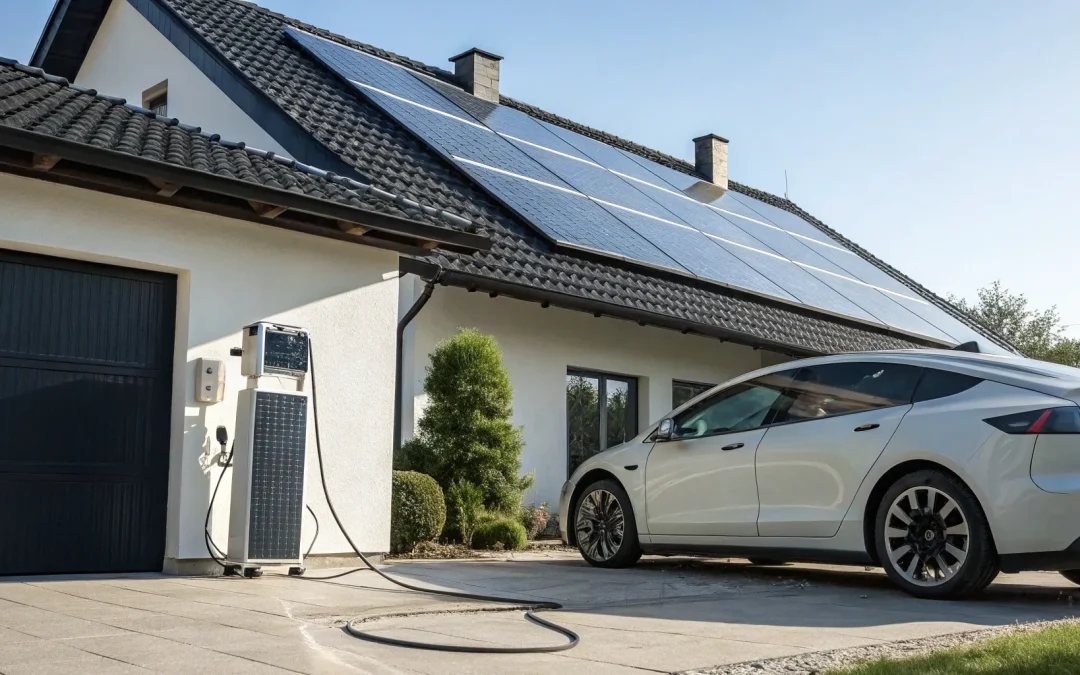
Let’s talk about two of the biggest expenses for many homeowners: their utility bill and their transportation costs. What if you could drastically reduce both at the same time? That’s the power of pairing an electric vehicle with solar panels. By installing a solar ev charging system, you’re not just adding a convenience; you’re making a powerful financial investment. You generate your own fuel, protecting yourself from unpredictable gas prices and rising electricity rates. This guide will break down how this technology works, what it costs, and how it can save you hundreds of dollars each year, putting you in complete control of your energy future.
Key Takeaways
- Generate Your Own Fuel to Save Money: Powering your EV with solar drastically cuts your transportation costs. You can save hundreds of dollars annually compared to gasoline or grid electricity by creating your own clean fuel source right at home.
- Build a Complete System for Energy Independence: A solar EV charger works best as part of an integrated system. Combining it with solar panels and a home battery allows you to store solar energy and charge your car anytime, day or night, even during a power outage.
- Partner with a Pro for a Safe and Efficient Setup: This isn’t a DIY project. A certified installer will assess your home’s electrical capacity, handle all necessary permits, and ensure your entire system is installed correctly for long-term safety and performance.
What is a Solar EV Charger?
If you own an electric vehicle or are thinking about getting one, you’ve probably considered the logistics of charging it at home. A solar EV charger takes this a step further by using the power generated from your own rooftop solar panels to fuel your car. Think of it as your personal, clean energy gas station, right in your garage. Instead of pulling electricity from the grid—which can be expensive and is often generated from fossil fuels—you use the clean, renewable energy you’re already creating.
This approach is a fantastic way to maximize your solar investment. Your panels are already working hard to power your home; using that same energy for your car just makes sense. It’s a smart, sustainable choice that aligns your driving habits with your home’s energy production. By charging your EV with solar, you can significantly cut down on both your transportation costs and your carbon footprint, making every drive a little greener. A solar EV charger essentially closes the loop on your personal energy ecosystem, giving you more control over how you power your life.
How Does It Work?
The process is more straightforward than you might think. It all starts with your solar panel installation. The panels on your roof absorb sunlight and convert it into direct current (DC) electricity. This power then flows to an inverter, which changes it to alternating current (AC) electricity—the standard type used in your home. From there, the electricity is ready to power anything, including your EV charger.
On a bright, sunny day, you can charge your car using 100% solar energy. When it’s cloudy or at night, your system can seamlessly pull power from the utility grid to make up the difference, so you’re never left without a charge. This hybrid approach ensures you always have the power you need while prioritizing the clean energy you produce first.
What Components Do You Need?
A complete solar EV charging setup has a few key parts working together. First, you need the solar panels themselves. To power a typical EV, most homes need between 8 and 12 dedicated panels, though this depends on your car and how much you drive. Next are the solar panel inverters, which are crucial for converting the sun’s energy into usable AC electricity for your home and charger.
Of course, you’ll need a Level 2 EV charger, which provides a much faster charge than a standard wall outlet. To get the most out of your system, many homeowners also add a solar panel battery backup. A battery allows you to store the excess solar energy you generate during the day and use it to charge your car overnight, giving you true energy independence.
Why Go Solar for Your EV?
Pairing your electric vehicle with solar panels is one of the smartest moves a homeowner can make. You’ve already made a great choice by switching to an EV, but where you get your electricity matters just as much. Charging your car with solar power generated right on your rooftop completes the clean energy picture. It’s about more than just being green—it’s about saving a significant amount of money and taking control of your energy future.
By installing a solar EV charger, you essentially create your own private, clean fuel station at home. This simple addition transforms your home into a self-sufficient energy hub, protecting you from fluctuating gas prices and rising utility rates. You’re not just buying a product; you’re investing in a system that pays you back every time you plug in your car. Let’s look at the three biggest reasons why powering your EV with the sun is a game-changer.
Reduce Your Carbon Footprint
Driving an EV is a fantastic step toward a cleaner lifestyle, but it’s only half the story. When you plug into a standard outlet, your car is drawing power from the grid, which often relies on burning fossil fuels. By charging with solar, you ensure your car runs on 100% renewable energy.
This simple switch dramatically cuts down your household’s carbon footprint. You’re no longer just driving a zero-emissions vehicle; you’re fueling it with zero-emissions energy. It’s a powerful way to align your daily commute with your environmental values and contribute to a healthier planet. The overall benefits of solar extend far beyond your car, creating a cleaner energy system for your entire home.
Save Money on Fuel and Electricity
Let’s talk numbers, because this is where solar EV charging really shines. Powering your car with sunshine is dramatically cheaper than paying for gasoline or even standard grid electricity. According to data from Enphase, charging an EV with solar at home can cost as little as $415 per year. Compare that to charging with grid power ($662), using public charging stations ($1,058), or buying gasoline for a traditional car ($1,260).
By generating your own fuel, you can save over $800 a year compared to buying gas. You’re essentially pre-paying for your car’s energy for decades to come, locking in a low, stable cost. As utility rates and gas prices continue to climb, your savings will only grow.
Gain Energy Independence
Relying on the grid for your car’s fuel means you’re subject to price hikes, peak-hour charges, and power outages. A solar EV charging system puts you in the driver’s seat. You generate your own clean electricity, reducing your dependence on your local utility company. This gives you predictable energy costs and a reliable source of power.
For true energy freedom, you can add a solar panel battery backup to your system. A home battery stores the excess solar energy your panels produce during the day. This allows you to charge your EV at night or keep it powered up even when the grid goes down. It’s the ultimate peace of mind, ensuring your car is always ready to go, no matter what.
What’s the Cost of a Solar EV Charger?
Let’s talk numbers. Investing in a solar EV charging system is a significant home upgrade, and it’s smart to understand the full financial picture before you begin. The total cost isn’t just about the charger itself; it includes the equipment, professional installation, and any necessary electrical work. While the initial price tag might seem high, it’s helpful to think of it as pre-paying for your car’s fuel for years to come—at a much lower, more stable price.
The good news is that this investment starts paying you back from day one. By powering your car with clean energy from your own roof, you’ll drastically cut down on what you spend on gasoline and grid electricity. Plus, with various tax credits and incentives available, the final cost can be much more manageable than you think. We’ll break down the key components of the cost so you can see how it all adds up and, more importantly, how it pays off.
Breaking Down the Initial Investment
The core of your investment is the hardware. The price for a complete solar EV charging setup can range anywhere from around $5,300 to over $30,000. This wide range depends on several factors, including the size of your solar panel system, the type of charger you choose, and whether you include a solar panel battery backup. A larger solar array will cost more upfront but will generate more power for your home and car. Similarly, a system with battery storage allows you to charge your EV at night with solar energy you captured during the day, giving you true energy independence.
Factoring in Installation and Upgrades
Beyond the equipment, you’ll need to account for installation costs. One of the biggest hurdles homeowners face is discovering their home’s electrical panel isn’t equipped to handle the added load of a Level 2 charger. If your home is older or your panel is already maxed out, an upgrade will be necessary to safely power your vehicle. The location of the charger also plays a role; installing it far from your electrical panel may require additional wiring and labor. A professional assessment is the best way to get a clear picture of these costs, which is why we always start with a free solar estimate to evaluate your home’s specific needs.
Understanding Your Long-Term Savings and Incentives
This is where the investment truly shines. By charging your EV with solar, you can save more than $800 a year compared to buying gasoline. You’re essentially creating your own clean fuel source right on your rooftop, shielding yourself from fluctuating gas prices and utility rate hikes. On top of the fuel savings, various federal, state, and local incentives can significantly reduce your initial cost. The federal solar tax credit, for example, allows you to deduct a percentage of your total system cost from your federal taxes. When you combine these incentives with the monthly savings, a solar EV charger becomes one of the smartest financial decisions a homeowner can make.
Key Features to Look For in a Solar EV Charger
When you start shopping for a solar EV charger, you’ll quickly realize they aren’t all the same. The right features can make a huge difference in your daily routine, your energy bills, and how much you get out of your solar panel system. Think of it like choosing a new car—the base model will get you there, but the right add-ons make the drive so much better. Focusing on a few key capabilities will ensure you invest in a system that’s convenient, efficient, and perfectly suited to your home and lifestyle.
Smart Charging and Load Management
Smart charging is a game-changer. Instead of just plugging in your car and letting it charge immediately, a smart charger gives you control. Through a simple app, you can schedule charging sessions to take advantage of peak solar production during the day or lower off-peak electricity rates at night. These systems also offer load management, which intelligently balances the energy demands of your home. This means you can run your air conditioning, charge your car, and use other appliances without worrying about overloading your home’s electrical circuit. It’s a complete system designed for modern energy needs.
Seamless Battery Storage Integration
What happens when you need to charge your car at night or on a cloudy day? This is where battery integration becomes essential. By connecting your solar EV charger to a home battery system, you can store the excess solar energy your panels generate during the day. This stored power can then be used to charge your EV anytime, even when the sun isn’t shining or during a power outage. Adding a solar panel battery backup gives you true energy independence, ensuring your car is always ready to go, powered by clean, reliable energy you produced yourself.
Fast Level 2 Charging
Patience is a virtue, but not when you’re waiting for your car to charge. Standard Level 1 chargers, which use a regular wall outlet, can take more than 24 hours to fully charge an EV. A Level 2 charger is the industry standard for home charging for a reason—it’s much faster. A Level 2 unit can add 25-40 miles of range to your EV in just one hour, making it practical for daily use. This speed ensures that an overnight charge is more than enough to get your battery back to 100%, giving you a full tank of clean energy every morning.
Solar Panel and Grid Compatibility
The best solar EV charging systems offer flexibility. You should look for a charger that allows you to choose your power source. On a bright, sunny day, you can set it to use 100% solar energy from your home’s solar panel installation. If you need a faster charge or it’s overcast, you can use a mix of solar and grid power. This compatibility allows you to optimize your energy usage based on your needs and the weather. The system can automatically pull from the grid when your solar production is low, ensuring you always have the power you need while maximizing your use of free, clean solar energy.
Top Solar EV Charger Brands to Consider
When you start looking at solar EV chargers, you’ll find a handful of brands that consistently lead the pack. The right choice for you depends on your existing solar setup (or plans for one), your car, and your personal preferences. Here are a few of the top names in the industry to get your search started.
Renewable Energy Corporation
While we’re not a hardware manufacturer, choosing the right installation partner is just as crucial as picking the brand of your charger. As the Mid-Atlantic’s trusted solar expert, we help you select the perfect solar EV charger for your home and lifestyle. We partner with industry-leading brands like Enphase to design and install a seamless system that integrates perfectly with your solar panels. Working with an experienced installer ensures your system is sized correctly, installed safely, and optimized to give you the most significant long-term savings.
Tesla
It’s no surprise that Tesla, a leader in the electric vehicle market, also offers robust solar and charging solutions. For homeowners already in the Tesla ecosystem, their chargers are a natural fit. Tesla’s solar panels and Solar Roofs are designed to work in harmony with their Wall Connector, creating a streamlined system for capturing solar energy and using it to power your car. Their reputation for sleek design and powerful performance makes them a popular, albeit premium, choice for those seeking an all-in-one solution from a single, well-known brand.
Enphase and ChargePoint
Enphase is a giant in the solar industry, famous for its microinverter technology. Their IQ EV Charger is a fantastic option because it integrates flawlessly with the Enphase Energy System, allowing you to monitor and manage your solar production and EV charging from a single app. This is ideal for homeowners who want total system synergy.
ChargePoint is another top contender, known for its massive public charging network. Their Home Flex charger is highly versatile and can be paired with any solar panel system. It’s a durable, powerful, and user-friendly option that’s great for anyone who wants a reliable charger from one of the most established names in the EV charging game.
Wallbox
Wallbox has made a name for itself with innovative and intelligent EV charging solutions. Their chargers, like the Pulsar Plus, are compact, powerful, and specifically designed to work with solar energy. Wallbox chargers come equipped with smart features, including Eco-Smart technology, that let you use your solar energy for charging in the most efficient way possible. If you’re focused on maximizing your self-consumption of solar power and want a charger with advanced energy management capabilities, Wallbox is an excellent brand to consider.
What to Expect During Installation
Getting a solar EV charger installed is an exciting step toward energy independence and lower fuel costs. While our team handles all the heavy lifting, it’s helpful to know what the process involves. Understanding the key steps can make the experience feel smoother and more predictable. From sorting out common myths to ensuring your home is electrically ready, a professional installation is designed to be safe, efficient, and tailored to your specific needs. We’ll walk you through the entire process, starting with a thorough site assessment and ending with a fully operational charging system powered by the sun. Let’s look at a few key parts of the installation journey so you know exactly what’s happening at your home.
Clearing Up Common Misconceptions
One of the biggest myths about solar EV charging is that you can just connect your solar panels directly to your car charger. It’s a logical thought, but the reality is a bit more complex. A complete, functional system requires a few essential components working together. Your solar panels generate direct current (DC) electricity, but your home and EV charger use alternating current (AC). A solar panel inverter is needed to make that conversion. For true energy freedom, many homeowners also add a solar panel battery backup to store excess solar energy, allowing you to charge your EV at night or on cloudy days without pulling from the grid.
Checking Your Home’s Electrical Capacity
Before any equipment is installed, it’s crucial to confirm your home’s electrical system can handle the additional load. A Level 2 EV charger is a powerful appliance, and adding one to your existing circuits requires careful planning. One of the first things a certified installer will do is evaluate your main electrical panel (your breaker box) to assess its capacity. In some cases, especially in older homes, the panel may need an upgrade to safely support both your household needs and the new charger. This assessment is a standard part of our process and ensures your entire system runs safely and reliably for years to come.
Navigating Permits and Space Requirements
Like any significant electrical project, installing a solar EV charger involves some necessary paperwork and planning. Most local municipalities require permits to ensure the work is done to code, which is a critical safety measure. This might sound like a headache, but when you partner with an experienced installer, we handle the entire permitting process for you. We also help you determine the best location for your charger, whether it’s inside your garage or on an exterior wall near your driveway. Our team ensures the placement is convenient for you and meets all safety and fire protection requirements, so you can simply look forward to plugging in.
How to Choose the Right Solar EV Charger for Your Home
Picking the right solar EV charger feels like a big decision, but it doesn’t have to be overwhelming. It really comes down to understanding your own needs and working with a team you trust. By thinking through a few key areas, you can confidently choose a setup that fits your lifestyle, your home, and your budget perfectly. Let’s walk through the three main steps to find the ideal charger for you.
Assess Your Driving and Energy Habits
Before you even look at different charger models, take a moment to think about your daily routine. How many miles do you typically drive each day? Do you take long road trips on the weekends? Understanding your driving patterns will help determine how much power you’ll need and how quickly you’ll need to charge. It’s also helpful to consider your home’s overall energy consumption. Are you a family that runs the dishwasher and laundry at night, or is your peak usage during the day? Knowing when you use the most electricity helps create a complete picture of your energy needs, ensuring your solar setup can handle both your home and your car without a hitch.
Plan Your System Size and Integration
Once you have a handle on your energy habits, the next step is to make sure your home is ready. A common hurdle is discovering that a home’s electrical panel isn’t equipped to handle the added load of an EV charger. A professional can assess your current electrical capacity to see if any upgrades are needed. You’ll also want to ensure your solar panel installation is sized correctly to generate enough power for both your household needs and your vehicle. Proper planning at this stage is crucial—it helps you avoid unexpected delays and ensures your entire system works together seamlessly from day one.
Partner with a Certified Installer
This is where everything comes together. While you can do the initial research, installing a solar EV charger is a job for a professional. A certified installer will not only handle the technical complexities but also manage the permitting process and ensure everything is up to code for a safe, efficient setup. They can look at your home, discuss your driving habits, and recommend the best charger and system size for your specific situation. Think of them as your partner in this project. When you’re ready to see what’s possible for your home, getting a free solar estimate is the best way to get personalized advice and a clear path forward.
Related Articles
- Home Solar EV Charger Installation | Renewable Energy
- Solar Powered EV Charger: A Buyer’s Guide
- Solar EV Charging Station Cost: What to Expect
Frequently Asked Questions
What happens if I need to charge my car at night or on a cloudy day? Your car will always get the charge it needs, no matter the weather or time of day. A solar EV charging system is designed to be flexible. When your panels aren’t producing enough power, your charger will automatically and seamlessly pull electricity from the utility grid. If you have a home battery, you can also charge your car using the clean solar energy you stored earlier in the day, giving you even more independence from the grid.
How many solar panels are needed to charge an EV? The exact number depends on how much you drive, the type of car you have, and how much sun your roof gets. As a general guideline, most drivers need between 8 and 12 solar panels dedicated to covering their charging needs. During your initial consultation, we’ll look at your specific driving habits and energy usage to design a system that’s perfectly sized for your home and your car.
Can I get a solar EV charger installed if I don’t have solar panels yet? Absolutely. You can install a Level 2 EV charger now and add solar panels later. This allows you to enjoy faster charging right away. However, installing them together is often more efficient and cost-effective. When we install both your solar panels and your EV charger at the same time, we can bundle the work and ensure the entire system is perfectly integrated from the start.
Will installing a solar EV charger require a big upgrade to my home’s electrical system? Not always, but it’s a possibility, especially in older homes. A Level 2 charger uses a significant amount of power, and your home’s main electrical panel needs to have enough capacity to handle it safely. As part of our process, we always perform a thorough assessment of your electrical system to see if an upgrade is necessary. We handle all the details to ensure your installation is safe and up to code.
Can I use my solar energy to power my home and charge my car at the same time? Yes, you can. Modern solar energy systems are smart and can manage your home’s entire electrical load. The system can power your appliances, lights, and EV charger simultaneously. With smart charging features, you can even prioritize where your solar power goes, such as sending it to your car during peak sun hours to ensure you’re driving on 100% clean energy.
Recent Comments