
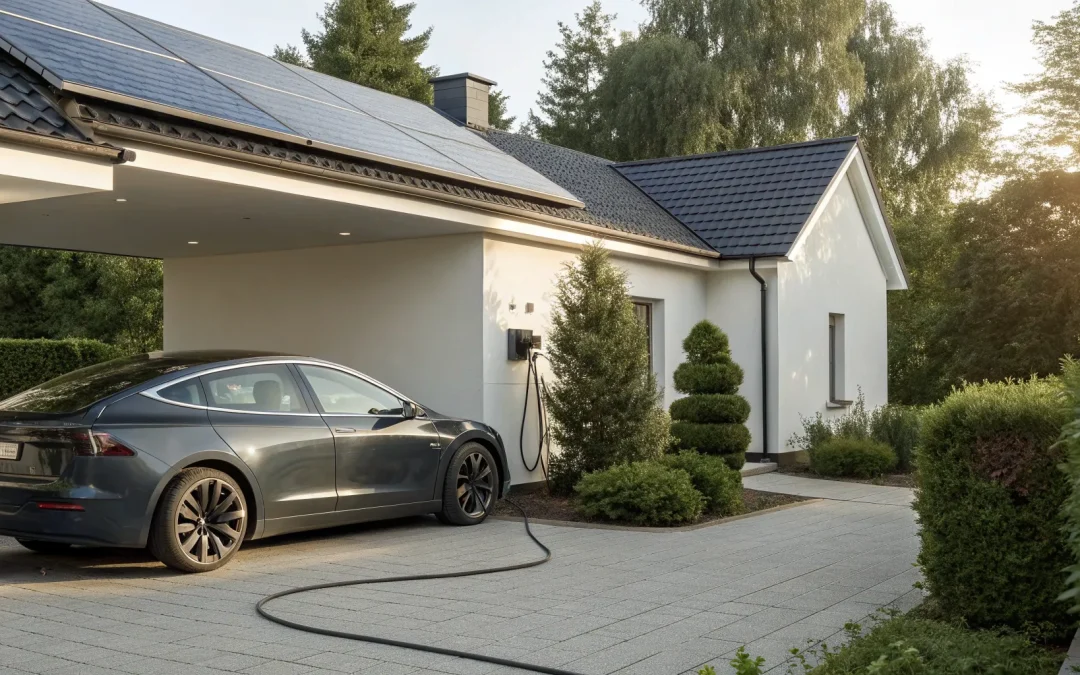
Relying on the public grid to power your car means you’re subject to price changes, peak-hour rates, and power outages. A solar EV charger gives you a new level of energy independence. It puts you in charge of your own fuel supply, creating a reliable source of power that’s disconnected from utility company issues. When you add a battery, you can store excess solar energy to charge your car overnight or keep it running when the grid goes down. This guide explains how a solar ev charger kit can make your home more resilient and give you the freedom of a personal, self-sustaining power station.
Key Takeaways
- Create Your Own Clean Fuel Source: A solar EV charger is part of a complete home energy system that uses your solar panels to power your car. Adding a battery allows you to store solar energy for overnight charging, making your transportation truly independent of the grid.
- Look Beyond the Initial Price Tag: The upfront cost is significantly reduced by federal and state incentives. Your long-term return comes from eliminating fuel costs, avoiding fluctuating utility rates, and increasing your home’s market value.
- Tailor the System to Your Lifestyle: The right charger and solar panel setup depends on your daily commute, your home’s electrical system, and your roof’s sun exposure. A professional assessment ensures your system is designed to meet your specific energy needs.
How Does a Solar EV Charger Work?
A solar EV charger uses the sun’s energy to power up your electric vehicle right at home. Instead of pulling electricity from the grid, which often relies on fossil fuels, this system generates its own clean power. It’s a straightforward and brilliant way to make your eco-friendly car even greener. The entire setup works together as a cohesive system to capture sunlight, convert it into usable energy, and deliver it directly to your car’s battery. Let’s break down exactly how each part of the system contributes to a full charge.
The Key Components in a Kit
Think of a solar EV charging system as a team where each player has a specific job. First, you have the solar panels, which are the power generators. They capture sunlight and convert it into direct current (DC) electricity. Next up is the inverter, a critical piece of equipment that changes the DC electricity into alternating current (AC) electricity—the type that powers your home and charges your car. You’ll also have the Level 2 EV charger itself, which delivers the power to your vehicle much faster than a standard wall outlet. Finally, many systems include a solar panel battery backup to store excess energy for charging your car at night or on cloudy days.
From Sunlight to a Full Charge
The process begins the moment sunlight hits your solar panels. The panels immediately start generating DC electricity, which flows to the inverter. The inverter converts this energy into usable AC power and sends it to your home’s electrical panel. From there, the electricity is directed to your solar EV charger to begin charging your vehicle. If your panels produce more energy than your car and home need, the surplus power is sent to your battery backup system for later use. This seamless flow ensures you’re always using clean, self-generated power first, reducing your reliance on the grid and saving you money on charging costs.
A Quick Look at the Installation Process
Getting a solar EV charger set up is a project for the pros, but the process is quite simple to understand. First, an expert will help you choose the best spot for your solar panels to maximize sun exposure. Next, they’ll securely mount the panels and run the wiring. The core of the installation involves connecting all the components—the panels, inverter, battery, and EV charger—into one unified system that communicates effectively. A certified electrician will handle all the wiring to ensure everything is safe and up to code. Once it’s all connected, you’ll be ready to start charging your car with the sun. You can get a free solar estimate to see what the process would look like for your home.
What Are the Benefits of a Solar EV Charger?
Pairing your electric vehicle with a solar charger is one of the smartest moves a homeowner can make. It’s not just about adding a high-tech gadget to your garage; it’s about fundamentally changing how you power your life. You get to produce your own clean fuel right at home, which comes with some incredible advantages. From significant cost savings to a smaller carbon footprint, the benefits extend far beyond simple convenience. Investing in a solar EV charger means you’re taking control of your energy costs, contributing to a healthier planet, and making your home more resilient and valuable. It’s a practical upgrade that pays you back in multiple ways for years to come.
Save Money on Electricity
The most immediate and noticeable benefit of charging your EV with solar is the impact on your wallet. Instead of buying electricity from the utility company every time you plug in, you’ll be using the free, clean energy generated on your own roof. This can dramatically lower your monthly electricity bills, especially if you tend to charge during peak hours when rates are highest. By producing your own power, you shield yourself from fluctuating energy prices and take a major step toward reducing your household expenses. It’s a straightforward way to see a return on your investment while enjoying the other benefits of solar.
Lower Your Environmental Impact
Driving an electric vehicle is a fantastic step toward reducing your carbon footprint. But when you charge that EV with electricity generated from fossil fuels, you’re still connected to the problem. A solar EV charger closes that loop. By powering your car with 100% renewable energy from the sun, you make your transportation truly emissions-free. This is one of the most significant ways you can reduce your personal environmental impact. Every mile you drive is powered by clean energy, helping to create a healthier community and planet without relying on fossil fuels.
Gain Energy Independence
A solar EV charger gives you a powerful sense of energy independence. You’re no longer completely reliant on the grid to fuel your car. This freedom protects you from rising utility costs and potential power outages. When you pair your system with a solar panel battery backup, you can store excess solar energy to charge your car overnight or even keep it powered up when the grid goes down. Imagine never having to worry about finding a public charging station during a blackout. You’ll have your own personal, reliable power source right at home.
Increase Your Property Value
A home equipped for the future is a more valuable home. Installing a solar EV charger is a forward-thinking upgrade that makes your property more attractive to potential buyers. As electric vehicles become more common, having a dedicated, solar-powered charging station is a huge selling point. It signals that your home is modern, energy-efficient, and ready for the next generation of transportation. This convenient and cost-saving feature can not only make your home sell faster but also increase its overall market value, making your solar panel installation a wise financial investment.
What Are the Top Solar EV Charger Kits?
When you start looking for a solar EV charger, you’ll find plenty of options. The best choice really comes down to your specific needs, your home’s setup, and your driving habits. Instead of just picking one off a shelf, it’s helpful to understand what makes certain kits and brands stand out. A great solar EV charging setup is more than just a plug—it’s an integrated system designed to work seamlessly with your home. We typically look for chargers that offer smart, efficient, and reliable performance, ensuring you get the most out of every ray of sunshine. Let’s walk through some of the top-tier options and what makes them our go-to recommendations.
Our Expert-Recommended Solar EV Chargers
The best solar EV charger kits are designed for flexibility. They give you the power to charge your vehicle using the clean energy your panels produce, but can also pull from the grid when you need a little extra juice. We recommend systems that intelligently manage this process for you. A high-quality solar EV charger should integrate smoothly with your solar panel system, allowing you to monitor both energy production and consumption from a single app. This puts you in complete control, helping you schedule charging during peak sun hours to maximize your savings and minimize your reliance on your utility company. It’s all about creating a smart, cohesive home energy ecosystem.
Leading Brands in the Industry
In the world of solar technology, some brands consistently lead the pack with their innovation and reliability. Companies like SolarEdge and our trusted partner, Enphase, are at the forefront of integrated home energy solutions. They offer Level 2 chargers, which charge your vehicle significantly faster than a standard wall outlet. What makes their products exceptional is how they connect with your home’s solar panel inverters. This connection allows the charger to use solar power first, only drawing from the grid when necessary. This smart technology ensures you’re always using the cheapest, cleanest energy available to power your car, making your daily commute truly green.
Popular Configurations and Storage Options
A complete solar EV charging kit typically includes the charger itself, solar panels, an inverter, and, increasingly, a battery. Adding a solar panel battery backup to your system is a game-changer. It allows you to store the excess solar energy your panels generate during the day. Then, you can use that stored power to charge your EV overnight, completely independent of the grid. This configuration gives you true energy freedom, protecting you from time-of-use electricity rates and power outages. It ensures that even when the sun isn’t shining, your car is still running on clean, self-generated power.
How Much Does a Solar EV Charger Cost?
Thinking about a solar EV charger is exciting, but let’s be real—the first question on many minds is about the price tag. The cost isn’t a single number; it’s a range that depends on creating a system that’s just right for your home and vehicle. While it’s a significant investment upfront, it’s one that pays you back over time by slashing your fuel and electricity bills. The final price is a combination of the equipment you choose, the complexity of the installation, and the valuable incentives you can claim. By understanding what goes into the total cost, you can make a smart decision that fits your budget and sets you up for years of clean, free driving.
Understanding the Price Range
The cost of a solar EV charging setup can vary widely because you’re essentially building a personal power station for your car. A basic Level 2 EV charger alone might cost a few hundred dollars, but that doesn’t include the solar part of the equation. A complete system includes the charger, solar panels, an inverter, and potentially a battery. You can find pre-packaged solar EV charging kits that bundle these components, which can range from a few thousand dollars for a small setup to much more for a system that can power your car and a significant portion of your home. The key is to think of it as a scalable system tailored to your specific energy needs.
Factors That Influence the Final Cost
Several key elements determine the final price of your solar EV charging station. The size and efficiency of your solar panel installation is the biggest factor—more panels mean more power, but also a higher initial cost. The type of EV charger you select and the complexity of its installation into your home’s electrical system also play a role. Adding a solar panel battery backup will increase the cost, but it allows you to store excess solar energy to charge your car overnight or during cloudy days, giving you true energy independence. Finally, labor and permitting fees are part of the total investment, which is why a professional quote is so important.
Find Available Incentives and Rebates
Don’t let the initial sticker price discourage you! A variety of government incentives can dramatically reduce the net cost of your solar EV charger. The most significant is the federal solar tax credit, which allows you to deduct a percentage of the total cost of your solar energy system from your federal taxes. Many states, including Maryland and Virginia, offer their own tax credits, grants, or rebates. You can explore a comprehensive database of state and local incentives to see what’s available in your area. These programs are designed to make clean energy more accessible and can save you thousands of dollars on your project.
Calculate Your Long-Term Return on Investment
A solar EV charger is an investment, and the return is measured in long-term savings. First, you’ll drastically lower or even eliminate your transportation fuel costs. Instead of paying for gasoline or electricity from the grid, you’ll be fueling your car with free energy from the sun. This can add up to substantial savings each year. Second, a solar installation is a major home upgrade that can increase your property value. To get a clear picture of your potential savings and the total system cost, the best step is to get a personalized quote. A professional can assess your home and driving habits to design a system that maximizes your return on investment.
How to Choose the Right Solar EV Charger
Picking the right solar EV charger feels like a big decision, but it doesn’t have to be complicated. It’s all about matching the technology to your car, your home, and your lifestyle. When you find the right fit, you get a seamless system that powers your vehicle with clean energy from your own roof. Thinking through a few key areas will help you select a charger that works perfectly for your setup and gives you confidence in your investment. Let’s walk through the essential steps to find the ideal
Match the Charger to Your EV’s Needs
First, consider your electric vehicle and how you use it. Most home installations use a Level 2 charger, which is much faster than a standard wall outlet and perfect for overnight charging. You’ll want to ensure the charger you choose is compatible with your car’s charging port and can deliver enough power to meet your daily driving needs. Some models, like the SolarEdge Home EV Charger, are designed to integrate directly with a home solar power system, allowing you to maximize your use of solar energy. Think about your routine—do you need a full charge every night, or just a top-off? Answering this will help you find a charger with the right speed and features.
Assess Your Home’s Electrical System and Space
Before you can install a charger, you need to know if your home is ready for it. A professional will need to look at your electrical panel to see if it can handle the additional load of a Level 2 charger. If your panel is older or already at capacity, you might need an upgrade. You also need a good spot for the charger, typically in your garage or driveway, where it’s easy to reach your car’s charging port. A complete home assessment ensures that your new solar EV charger can be installed safely and will work efficiently with your solar panels and home battery.
Plan Your Solar Panel Capacity and Placement
Your solar panels are the heart of your EV charging system, so it’s important to get their size and placement right. The number of panels you need depends on your total energy consumption—that includes your home’s regular electricity use plus the energy required to charge your car. A solar expert can analyze your utility bills and driving habits to design a system that generates enough power for everything. They’ll also determine the best location on your roof to mount the panels for maximum sun exposure, ensuring you get the most out of every sunny day. You can always request a free estimate to get a clear picture of what your home needs.
Know the Common Myths and Limitations
It’s easy to get tripped up by misinformation, so let’s clear up a few common myths. One is the idea that a solar EV charger can operate completely off-grid without a battery. In reality, most systems stay connected to the grid to ensure you can always charge your car, even at night or on cloudy days. Another misconception is that you need a special “solar-compatible” EV charger. While integrated systems are efficient, nearly any Level 2 EV charger can be powered by a home solar installation. Understanding these points helps you set realistic expectations for how your system will work. You can find more answers to common questions on our FAQ page.
Understand the Installation and Maintenance
Proper installation is critical for the safety and performance of your solar EV charger. You generally have two options: hardwiring the charger directly into your home’s electrical system or installing a dedicated 240-volt outlet to plug it into. A licensed electrician should always handle this work. They will ensure all the components—from the solar panels to the inverter and the charger itself—are connected correctly and up to code. Once installed, solar EV chargers require very little maintenance. A quick check now and then to make sure the connections are secure and the unit is clean is usually all that’s needed to keep it running smoothly for years.
Related Articles
- Home Solar EV Charger Installation | Renewable Energy
- Solar Powered EV Charger: A Buyer’s Guide
- Drive into a Brighter Future with Solar EV Charging
Frequently Asked Questions
Can I still charge my car at night or on cloudy days? Absolutely. Your solar EV charging system is designed for real-life conditions, not just perfect sunny days. Most systems remain connected to the grid, so you can always pull power from your utility company when needed. For true energy freedom, adding a solar battery backup is the best solution. It stores the extra solar energy your panels produce during the day, allowing you to use that clean power to charge your car overnight.
How many solar panels do I actually need to charge my EV? The number of panels depends on a few things: how much you drive, the efficiency of your car, and your home’s overall energy use. A professional can calculate your specific needs, but a typical EV requires about 6 to 10 solar panels dedicated just to its charging. We’ll help you design a system that covers both your car and your home’s electricity needs, ensuring you have plenty of power for everything.
Do I need a special “solar” EV charger? Not necessarily. While some chargers are designed to integrate seamlessly with a specific solar system for maximum efficiency, almost any Level 2 EV charger can be powered by your solar panels. The key is having a properly sized solar panel and inverter system that generates enough electricity. The real magic happens in the overall system design, not just the charger itself.
What happens to the system if I decide to sell my house? A solar EV charging station is a significant home upgrade that adds real value to your property. It’s a major selling point for potential buyers, especially as more people switch to electric vehicles. The entire system is considered a permanent fixture of the home and is typically sold with the house, often helping it sell faster and for a higher price.
Should I get the solar panels first, or the electric vehicle? You can approach it in either order, but planning ahead is always a good idea. If you’re thinking about getting an EV in the near future, we can design a solar panel system now that’s “EV-ready.” This means we’ll size the system to accommodate the extra electricity demand of a car, so you won’t need to add more panels later. This forward-thinking approach saves you time and money down the road.
Recent Comments