
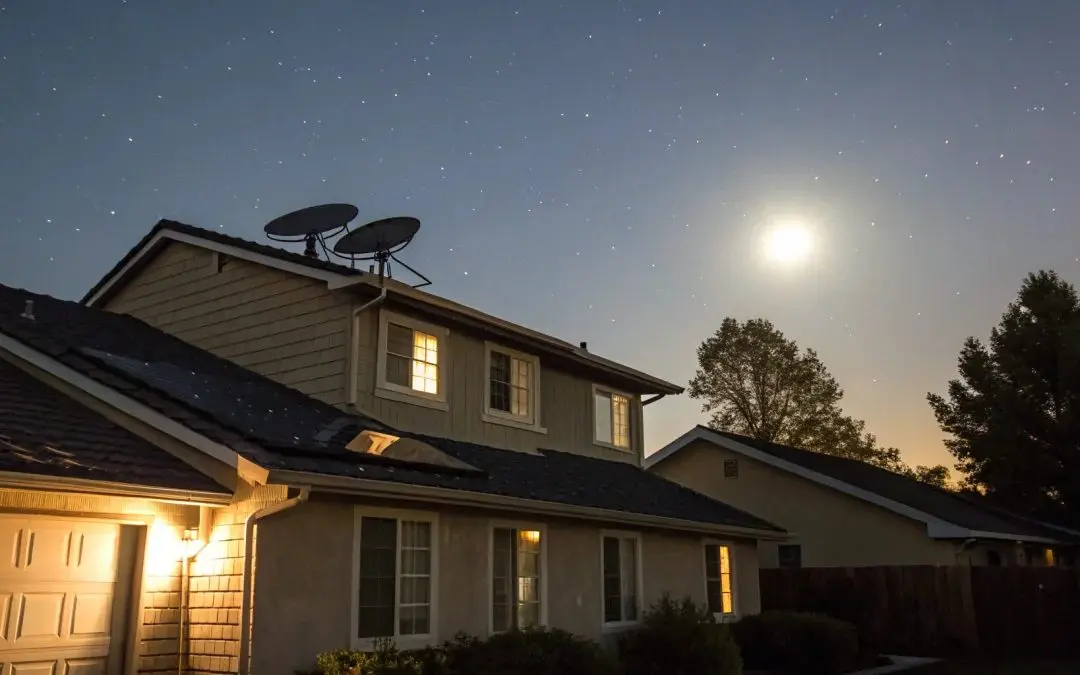
When you’re exploring ways to make your home more energy-efficient, you’ll likely come across solar attic fans. They promise to lower your cooling costs and protect your roof, all by using the power of the sun. It sounds great, but it also leads to a critical question that we hear all the time: do solar attic fans work at night? Many people assume that if a fan isn’t running 24/7, it’s not doing enough. The truth is, even a standard daytime fan provides incredible value that lasts into the evening. In this guide, we’ll clear up the common myths and explain the science behind how these fans keep your home comfortable around the clock.
Key Takeaways
- Target Heat When It’s Hottest: A solar attic fan’s main job is to run during peak sunlight, pulling superheated air out of your attic before it radiates into your home. This reduces the burden on your AC system and lowers cooling costs, all while running on free solar energy.
- It Still Works Passively at Night: A standard fan doesn’t run after sunset, but it continues to help by acting as a vent. This allows hot air to rise and escape naturally, helping your attic cool down overnight without using any power.
- Select an Advanced Model for 24/7 Cooling: If you need constant ventilation, consider a hybrid fan that can switch to your home’s electricity or a model with a built-in battery that stores solar power for nighttime use.
How a Solar Attic Fan Works
Ever wonder what’s actually happening on your roof when you install a solar attic fan? It might seem like complex technology, but the process is surprisingly straightforward and elegant. At its core, a
Let’s walk through the three simple steps that make these fans so effective.
It Starts with the Sun
The magic begins with a small, dedicated solar panel built right into the fan’s housing. This panel is made of photovoltaic (PV) cells, the same technology used in larger solar panel installations. When sunlight hits these cells, they get to work converting that solar energy directly into electricity. This is what powers the fan’s motor, meaning it runs entirely on clean, free energy from the sun. You don’t have to worry about wiring it into your house or adding to your utility bill. The sun provides all the power your fan needs to start cooling your attic.
The Motor Kicks In
Once the solar panel generates electricity, it sends that power directly to the fan’s motor. As soon as the motor has enough juice, the fan blades start to spin. This creates a powerful airflow that pulls superheated air from inside your attic and pushes it outside. Because this process is powered directly by the sun, the fan works hardest during the sunniest, hottest parts of the day—exactly when your attic needs the most help. This direct power source is also why a standard solar attic fan doesn’t run after the sun goes down, a topic we’ll explore more later.
The Thermostat Takes Over
Your solar attic fan doesn’t just run blindly whenever the sun is out. Most high-quality models come equipped with a built-in thermostat that acts as the fan’s brain. This thermostat constantly monitors the temperature in your attic. It’s programmed to automatically turn the fan on only when the temperature reaches a certain point, usually around 95 to 110 degrees Fahrenheit. This smart feature ensures the fan operates only when it’s truly needed, preventing it from running on a cool but sunny day. It’s an efficient system that targets the problem of excess heat with precision.
So, Do Solar Attic Fans Work at Night?
This is one of the most common questions we get, and the straightforward answer is: no, a standard solar attic fan does not run at night. These fans are designed to be powered directly by the sun. When the sun goes down, their power source disappears, and the fan stops spinning. This isn’t a flaw; it’s by design. The fan’s main job is to fight the intense heat that builds up in your attic during the hottest, sunniest parts of the day, right when your roof is absorbing the most solar radiation.
By running when the sun is at its peak, it actively pulls superheated air out of your attic, preventing it from becoming an oven that radiates heat down into your living spaces. This has a direct impact on your comfort and your energy bills, as it reduces the strain on your air conditioning system when it needs the most help. While the fan won’t actively run after sunset, it doesn’t mean it stops being useful. The work it does during the day has a lasting effect into the evening, and the unit itself continues to provide value even when it’s still. Let’s break down exactly what happens when the lights go out.
Why Standard Fans Stop at Sundown
A solar attic fan operates on a simple principle: it uses a small, dedicated solar panel to convert sunlight into electricity, which then powers the fan’s motor. It’s a direct-current (DC) system, meaning the energy is used as it’s created. There’s no middleman. When the sun sets, the UV rays that the panel needs to generate power are no longer available. Without that energy source, the motor has no electricity to run, and the fan blades stop turning. This is an intentional design. The fan is built to tackle the problem of solar heat gain at its source, working hardest when the sun is beating down on your roof.
No Sun, No Power (No Battery)
You might be wondering why the fan doesn’t just save up some energy to use after dark. The reason is that most standard solar attic fans don’t include a battery. Unlike a whole-home solar panel battery backup system designed to store large amounts of energy, a solar attic fan is a simpler, self-contained unit. Adding a battery would increase the cost and complexity of the fan. The goal of a standard model is to provide an effective, affordable cooling solution that runs entirely on free energy from the sun. It’s built to solve a daytime problem without adding to your home’s electricity consumption.
Clearing Up Common Myths
A common myth is that once the fan stops, it’s completely useless until the next morning. That’s not quite true. Even when it’s not actively spinning, the fan unit still serves as a passive vent. Since hot air naturally rises, it can still escape through the fan’s opening, helping your attic continue to cool down overnight. Another misconception is that it’s impossible for a solar attic fan to run at night. While standard models don’t, there are hybrid options available that can be connected to your home’s electrical system. These models use solar power during the day and can switch to AC power at night if needed, often with the help of components like solar panel inverters.
What Happens in Your Attic After Sunset?
Just because the sun has set doesn’t mean your attic is sealed off until morning. While the fan blades on a standard solar attic fan stop spinning, the unit continues to play a crucial role in your home’s ventilation system. Think of it as switching from an active, powered cooling mode to a passive, natural one. The fan’s housing now acts as a simple vent, allowing the natural process of air circulation to take over.
This is a key feature that many people overlook. Your attic doesn’t just trap the day’s heat; it begins a slow, steady process of cooling itself down, thanks to the very same device that was working hard all day. This passive function ensures that your attic doesn’t remain a stagnant pocket of hot air overnight, which helps keep your entire home more comfortable and gives your AC a much-needed break.
Passive Ventilation Takes Over
Once the sun is gone, your solar attic fan transitions into its nighttime role as a passive vent. This simply means that even without the motor running, it provides an open pathway for air to move in and out of your attic. The fan’s structure is designed to allow this natural airflow. Hot air that has accumulated throughout the day can now escape through the vent, preventing it from getting trapped under your roof. It’s a simple but effective mechanism that continues to provide ventilation benefits long after the fan has powered down for the day.
The Advantage of Cool Night Air
As evening approaches, the air outside your home cools down significantly. The passive vent of your solar attic fan allows this cooler, denser night air to enter your attic. This is a huge advantage because it helps displace the residual hot air from the day. By allowing this natural exchange, the fan helps lower your attic’s temperature overnight. This means your air conditioner won’t have to work as hard to cool the living spaces below, as there’s less radiant heat coming down from the ceiling. It’s a quiet, effortless way to continue managing your home’s temperature.
How Air Moves Naturally
The science behind this nighttime cooling is pretty straightforward: it’s all about convection. Hot air naturally rises. As the warm air in your attic rises, it escapes through the highest available opening—your solar attic fan vent. This creates a gentle vacuum effect that pulls in cooler air from lower vents, like those in your soffits. This continuous, natural cycle of air movement, often called the “stack effect,” ensures your attic keeps cooling throughout the night. This process helps your home start the next day from a much cooler baseline, one of the key benefits of having a well-ventilated attic.
How to Get a Solar Attic Fan That Runs at Night
If you’re looking for around-the-clock attic ventilation, you have several great options. While a standard solar attic fan stops at sundown, advanced models are designed to work through the night. They give you the best of both worlds: the sun’s free energy and the 24/7 performance needed to keep your attic cool and dry.
Hybrid (Solar + Electric) Models
A hybrid model is a smart fan that combines solar power with grid power for continuous use. During the day, it runs on sunlight, costing you nothing. When the sun sets or on overcast days, it automatically switches to your home’s electricity to keep the air moving. This seamless transition ensures your attic is always ventilated, giving you reliable, set-it-and-forget-it performance.
Fans with Battery Backups
For a solution that runs at night without using utility power, look for a solar attic fan with a built-in battery. Much like a whole-home solar panel battery backup system, these fans store excess solar energy generated during the day. Once the sun goes down, the fan switches to its stored power. While most basic fans lack this feature, models with battery storage can run at night using only the sun’s energy.
AC Power Adapters
Another way to achieve 24/7 operation is with an AC power adapter. Some models include an AC/DC inverter, or you can purchase one separately. This device lets the fan switch to your household electricity for continuous cooling when solar power isn’t available. It’s a straightforward feature that ensures your fan can operate at night or during cloudy weather, similar to how solar panel inverters work.
What to Expect for Costs
Models that run at night are more of an investment than standard solar-only fans, but they offer greater performance. The rising cost of electricity has made these advanced fans a popular choice. The final price depends on the technology and the unit’s size. Think of it as an investment in your home’s health that can lead to lower cooling bills. To understand the specific costs for your home, it’s best to get a free solar estimate.
Why a Daytime Fan is Still a Smart Choice
Even if a standard solar attic fan doesn’t run after dark, it’s still one of the smartest investments you can make for your home’s comfort and efficiency. The fan’s primary job is to tackle the heat when it’s at its absolute worst—during the peak hours of sunlight. By running entirely on the sun’s power, it directly combats the source of the problem, keeping your attic from turning into an oven and making your whole house more comfortable.
Think of it this way: the fan works hardest when you need it most. It’s a simple, effective solution that addresses the biggest challenge of attic heat during the day, which has a lasting positive impact on your home, your energy bills, and your roof’s longevity.
Lowers Heat When It Matters Most
Your attic temperature can soar on a sunny day, often reaching 150°F or more. This intense heat radiates down into your living spaces, making your home feel stuffy and warm, no matter how low you set the thermostat. A solar attic fan gets right to work when the sun is at its peak, pulling that superheated air out of the attic and venting it outside. By removing hot air and moisture, it prevents that heat from building up in the first place, which is crucial for maintaining a cooler, more comfortable home throughout the hottest parts of the day.
Reduces Your Cooling Bills
When your attic is cooler, your entire home stays cooler. This simple fact has a direct impact on your wallet. A well-ventilated attic can be up to 30°F cooler than an unventilated one, which means your air conditioning system doesn’t have to work nearly as hard to keep your house comfortable. This reduced strain on your AC unit not only lowers your monthly energy bills but can also extend the life of your HVAC system. It’s a win-win that offers immediate savings and long-term benefits for your home’s most expensive appliances.
Protects Your Roof from Moisture
Heat isn’t the only enemy lurking in your attic; moisture is just as damaging. A buildup of warm, moist air can lead to a host of problems, including mold, mildew, and even rot in your roof’s wooden structures. Over time, this can cause serious structural damage and lead to expensive repairs. Solar attic fans help you save money by actively preventing damage from moisture. By constantly circulating the air and venting humidity during the day, the fan keeps your attic dry and protects the integrity of your roof and insulation for years to come.
A Green Solution with No Running Costs
One of the best parts about a solar attic fan is that it runs on free, clean energy from the sun. Unlike traditional electric fans that add to your utility bill, a solar-powered model has zero operating costs. This makes it a fantastic choice over electric attic fans, not just for the savings but also for its efficiency and durable motor. It’s a self-sufficient system that works in harmony with the weather, providing powerful ventilation without costing you a dime to run. If you’re ready to see how this simple solution can make a big difference, you can always get a free solar estimate.
How to Choose the Right Solar Attic Fan
Picking the right solar attic fan for your home is a key step toward a more comfortable and energy-efficient space. With rising electricity costs, making smart choices about your home’s cooling system can have a real impact on your monthly bills. The right fan works to reduce the heat load on your air conditioner and improve your home’s overall comfort. But with different models, sizes, and features, how do you know which one is the best fit?
Think about a few key factors: the type of fan, its power, and what’s involved with installation and maintenance. Understanding these elements will help you select a solar attic fan that meets your home’s specific needs. The goal is to find a solution that not only cools your attic but also protects your roof structure from moisture damage and extends the life of your shingles. A well-ventilated attic is a healthy attic, and a solar-powered fan is one of the most cost-effective ways to achieve that. It’s a simple upgrade that pays for itself over time through lower energy bills and reduced wear on your HVAC system. Let’s walk through the specifics so you can make a confident decision.
Standard vs. Hybrid Models
Your first choice is between a standard or a hybrid model. A standard solar attic fan is straightforward: it runs on power generated directly from its built-in solar panel. When the sun is shining, the fan is working hard to pull hot air out of your attic. At night, it stops running but still allows for passive ventilation, letting cooler evening air circulate naturally. This is a great zero-cost solution for tackling peak daytime heat. A hybrid model gives you the best of both worlds. It primarily runs on solar power but can also connect to your home’s electrical system to ensure consistent airflow 24/7, which is especially helpful in very humid climates.
Find the Right Size and Power
Getting the size and power right is crucial for your fan to be effective. A fan’s power is measured in CFM, or cubic feet per minute, which tells you how much air it can move. An undersized fan won’t properly ventilate your attic. The general rule is to aim for a fan that can move about 0.7 CFM per square foot of attic floor space. Factors like your roof’s pitch, color, and local climate also play a role. The best way to ensure you get the perfect fit is to have a professional take a look. We can help you determine the exact specifications you need during a free solar estimate.
What to Know About Installation and Upkeep
One of the best things about solar attic fans is that they are designed to be low-maintenance. However, proper installation is essential to prevent any issues down the road, like roof leaks. The process involves creating an opening in your roof and sealing the unit to be completely weatherproof, so we always recommend professional installation. Once your fan is installed, there’s very little you need to do. An occasional check to clear debris is usually all it takes. Many models also come with a built-in thermostat, which tells the fan to run only when needed. If you have more questions, our FAQ page has answers to common queries.
Related Articles
- Are Solar Attic Fans Worth It? A Cost-Benefit Guide
- Cost to Install Solar Attic Fan: What to Expect
- Solar Powered Attic Fan Installation in 6 Steps
- Solar Attic Fan 101: Everything You Need to Know
- Solar Powered Gable Vent Fan: The 2025 Buyer’s Guide
Frequently Asked Questions
Will my solar attic fan still work on cloudy days? Yes, it will. While the fan runs at its highest speed in direct, bright sunlight, it doesn’t need a perfectly clear day to operate. The solar panel is sensitive enough to generate power from ambient UV rays, so even on an overcast day, your fan will still spin and help circulate air. It will likely run at a lower speed, but it will continue to provide ventilation and prevent heat from building up.
Do I have to manually turn the fan on and off? Not at all. These fans are designed to be completely hands-off. Most quality models come with a built-in thermostat that automatically senses the temperature in your attic. The fan will only turn on when the heat reaches a preset level, and it will turn off once the attic has cooled down. This means it only runs when it’s truly needed, so you can just set it and forget it.
Will installing a solar attic fan make my roof leak? This is a common concern, but a properly installed fan will not cause any leaks. The risk of leaks comes from improper installation, not the fan itself. When a professional installs the unit, they use high-quality flashing and sealants to create a completely weatherproof barrier around the fan. This is why it’s so important to work with an experienced installer who understands roofing and ventilation.
How much money can I really expect to save? The exact savings vary from home to home, but the financial benefit is clear. By actively cooling your attic, the fan reduces the amount of heat that radiates into your living space. This means your air conditioner doesn’t have to work as hard or run as long to keep you comfortable. You’ll see the difference in lower summer energy bills, and by reducing the strain on your HVAC system, you can also extend its lifespan.
Is a solar attic fan noisy? You’ll likely never even know it’s running. High-quality solar attic fans are engineered for quiet operation. The motors are designed to be smooth and efficient, and since they are installed on your roof, any minimal sound they produce is typically unnoticeable from inside your home. They provide powerful ventilation without adding any disruptive noise to your living environment.
Recent Comments