
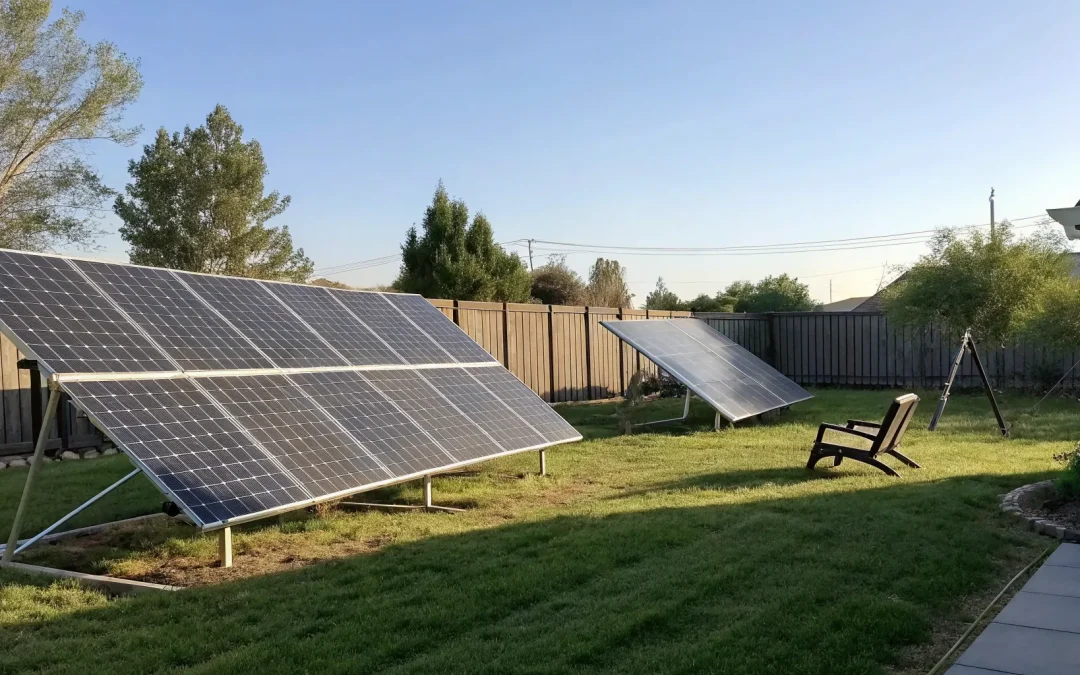
The idea of a DIY ground-mount solar project is appealing. You get to control the whole process and potentially save on labor costs. But this is one project where the reality can be much tougher than it looks on paper. From hitting unexpected rock while digging the foundation to figuring out complex local permits, the challenges can quickly pile up. Before you start ordering equipment, it’s crucial to know what you’re getting into. This guide will give you a realistic look at the entire process, covering the common hurdles and helping you select the best solar panels for ground mount applications and the right racking for a successful, long-lasting installation.
Key Takeaways
- Look Beyond the Initial Price Tag for a Better Payoff: A ground-mount system’s higher upfront cost pays for a crucial advantage: perfect positioning. By optimizing the angle and direction for maximum sun exposure, you can generate more power and achieve greater long-term savings than a typical rooftop setup.
- Prioritize Durability from the Ground Up: Since ground-mounted panels are fully exposed to the elements, the quality of your racking and foundation is just as important as the panels themselves. Invest in strong, corrosion-resistant materials rated for high winds and heavy snow to protect your system for the long haul.
- A Successful Project Starts with a Site Assessment: Before committing, confirm you have enough unshaded space for the array. It’s also critical to understand your soil conditions to anticipate digging challenges and research local permits to avoid unexpected delays and costs.
What to Look For in a Ground-Mount Solar Panel
One of the biggest perks of a ground-mount system is the freedom it gives you. Unlike a rooftop setup, you aren’t limited by your roof’s angle, direction, or shading from nearby trees. But to make the most of that freedom, you need to choose the right components that work together to maximize your energy production for decades to come.
First, look at the quality of the mounting hardware itself. The racking system is the foundation of your investment, and it needs to be tough. Look for systems built with high-grade materials like aircraft-grade aluminum that resist corrosion and can handle the Mid-Atlantic’s wild weather. A quality ground-mount system should be rated to withstand high winds and heavy snow loads, ensuring your panels stay secure year after year.
Next, consider how the system maximizes energy capture. The best part about a ground-mount solar panel installation is that you can position it perfectly to face the sun, usually south or southwest. Some systems even offer adjustable tilt angles, allowing you to tweak them for optimal sun exposure in the summer and winter. This level of control means you can generate more power than a roof-mounted system that’s stuck with a less-than-ideal orientation.
While ground-mounted systems can have a higher upfront cost due to the need for a foundation and extra hardware, they often deliver more energy over their lifespan. This increased efficiency can lead to greater long-term savings and a faster return on your investment. By focusing on durable materials and optimal positioning, you’re setting yourself up to reap the full benefits of solar energy for years to come.
Our Top Picks: The Best Solar Panel Brands for Ground Mounting
Once you’ve decided a ground-mount system is right for your property, the next big step is choosing the panels themselves. With so many brands on the market, it’s easy to feel overwhelmed. The truth is, the “best” panel really depends on your specific goals. Are you trying to maximize every bit of energy production from your available land? Are you working with a tight budget and need the best bang for your buck? Or are you looking for a reliable workhorse that offers a great balance of performance and price for the long haul?
We’ve worked with countless solar products over the years, and a few brands consistently stand out for their quality, reliability, and value—especially for ground-mounted applications. These are the manufacturers we trust and recommend to our own neighbors here in the Mid-Atlantic. Think of this list as your starting point. We’ll walk through our top recommendation and a few other excellent choices that shine in different areas. Whether you’re planning a DIY project or working with a professional, selecting the right brand is key to a successful solar panel installation that will serve you well for decades to come.
Our Recommendation: QCELLS Panels
If you’re looking for an all-around fantastic panel, QCELLS is our top pick. We’re proud to be an official partner because they consistently deliver high-quality, durable, and efficient panels that perform exceptionally well in ground-mounted systems. They strike the perfect balance between cutting-edge technology and affordability, making them a smart investment for most homeowners. QCELLS panels are known for their robust construction and excellent performance, even in less-than-ideal weather conditions. For a reliable system that you can count on year after year, it’s hard to find a better option.
For Maximum Efficiency: Maxeon (SunPower)
When your goal is to generate the absolute most power possible, Maxeon panels (formerly part of SunPower) are in a class of their own. They consistently lead the market with the highest efficiency ratings available. This means they can produce more electricity from the same amount of sunlight compared to other panels. While they come with a higher price tag, that premium cost gets you top-tier performance. If you have limited space for your ground-mount array or simply want the best technology money can buy, Maxeon is a worthwhile investment.
For Reliable Performance: REC Group
REC Group has built a strong reputation for manufacturing incredibly reliable and high-performing solar panels. They are a favorite among homeowners and installers alike because their products are built to last and deliver consistent energy output over their entire lifespan. REC panels are known for their innovative designs, like their split-cell technology, which helps them perform better in shady conditions—a useful feature even for well-placed ground-mount systems. If dependability is at the top of your list, REC Group is a solid and trustworthy choice.
The Budget-Friendly Choice: Canadian Solar
Going solar doesn’t have to break the bank, and Canadian Solar is proof of that. They are one of the world’s largest solar manufacturers and are known for producing quality panels at a very competitive price point. This makes them an excellent choice for homeowners who want to get into solar without a massive upfront investment. While they may not have the absolute highest efficiency ratings, they offer fantastic value and reliable performance, making them a go-to option for cost-conscious buyers looking for a dependable ground-mount system.
Another Cost-Effective Option: Trina Solar
Similar to Canadian Solar, Trina Solar is another industry giant that provides cost-effective and reliable panels. They offer a wide range of products that deliver solid performance and durability, making them a popular choice for residential projects around the globe. For DIYers, Trina Solar presents a great opportunity to build a powerful ground-mount system while keeping project costs manageable. Their commitment to quality manufacturing ensures you’re getting a dependable product that will help you maximize your return on investment for years to come.
Which Features Matter Most for Ground-Mount Panels?
When you’re planning a ground-mounted solar array, it’s easy to think any high-quality panel will do the job. But since these systems face a unique set of challenges—from direct wind exposure to the open sky—certain features become much more important. Focusing on the right details ensures your system is not only powerful on day one but also reliable for decades to come. Think of it as choosing the right tires for your car; what works for a city street isn’t necessarily best for a rugged country road. Let’s walk through the key features that make a real difference for a ground-mount installation.
Efficiency and Power Output
Efficiency is all about how well a solar panel converts sunlight into usable electricity. A higher efficiency rating means you can generate more power from a smaller area. While you might have plenty of space with a ground-mount system, choosing highly efficient panels means you can achieve your energy goals with fewer panels overall. This can simplify the installation and leave you more room for future expansion. We often recommend QCELLS panels because they offer a fantastic balance of high performance, reliability, and value. While brands like Maxeon deliver top-of-the-line efficiency, they also come with a premium price tag.
Durability and Weather Resistance
Your ground-mounted panels are completely exposed to the elements, so they need to be tough. Look for panels and racking systems built from strong, corrosion-resistant materials like aircraft-grade aluminum. The system should be engineered to handle the worst weather your area can throw at it, including high winds and heavy snow loads common in the Mid-Atlantic. A well-built system is designed to withstand wind speeds over 100 mph and significant snow accumulation. This focus on durability is one of the key benefits of a professional installation, as it guarantees your investment is secure, no matter the weather.
How Well They Handle Heat
Here’s a fact that surprises many homeowners: solar panels don’t love extreme heat. As temperatures rise, their efficiency can drop. This is where ground-mounted systems have a natural advantage. Unlike rooftop panels that sit directly on a hot roof, ground-mounted panels have space for air to circulate freely all around them. This constant airflow helps keep the panels cooler, allowing them to operate more efficiently, especially during those hot and humid summer afternoons. This improved performance means your solar panel inverters have more power to work with, maximizing your energy production.
Warranty and Long-Term Protection
A solar energy system is a significant investment that should last for 25 years or more. A strong warranty is your assurance that the manufacturer stands behind its product. Look for a 25-year warranty that covers both the solar panels and the racking system. This comprehensive protection gives you peace of mind, knowing that your system is covered against defects and performance issues for its entire expected lifespan. When you work with a long-standing company, you can trust that they’ll be there to support that warranty. As Maryland’s oldest family-run solar firm, we pride ourselves on building systems—and relationships—that last. You can learn more about us and our commitment to our customers.
What Are the Pros of a Ground-Mount System?
While rooftop panels are popular, ground-mount systems offer unique advantages that make them a fantastic choice for certain properties. If you have the yard space, a ground-mount installation can solve common solar challenges and set you up for long-term success.
Better Sun Exposure and Positioning
The biggest win for ground-mounted panels is control. Not every roof is perfectly angled or free from shade. With a ground-mount system, you aren’t limited by your roof’s direction. You can place your panels in the sunniest spot in your yard and orient them for maximum sun exposure—typically facing south. This ideal positioning means your panels can generate more electricity, giving you more power and a better return on your investment. It’s a great solution when a standard solar panel installation on your roof isn’t practical.
Simpler Cleaning and Maintenance
Let’s be honest: nobody loves climbing on a roof. Ground-mounted systems bring maintenance down to earth. Since the panels are easily accessible, cleaning off dust, pollen, or snow is a much simpler and safer task. You can just walk up to them with a soft brush and a hose. This ease of access makes it much more likely that you’ll keep them in top condition, which is key for maintaining their efficiency over the years. Regular inspections are also a breeze, so you can spot potential issues early.
No Worries About Your Roof
For many homeowners, the thought of drilling into their roof is a major hesitation. A ground-mount system completely removes that concern. There’s no risk of affecting your roof’s structural integrity, causing leaks, or voiding your roof’s warranty. This is especially comforting if you have an older roof or materials like slate or tile that can be tricky to work with. By keeping your solar array separate from your house, you get all the benefits of solar energy with total peace of mind about your home’s protective layer.
Easy to Expand Later
Your energy needs might change. Maybe you’ll buy an electric car or want a solar panel battery backup for power outages. A ground-mounted system is beautifully scalable. If you have the space, adding more panels to your array down the road is relatively straightforward. You can start with a system that fits your current budget and energy use, knowing you have the flexibility to expand it later. This makes it a future-proof investment that can grow with your family and your energy demands.
What Are the Cons of a Ground-Mount System?
While ground-mounted solar systems offer some fantastic advantages, it’s important to look at the full picture before you start digging. They aren’t the perfect fit for every property or every homeowner, and a few key challenges are worth considering, especially if you’re planning a DIY installation. Being aware of these potential hurdles from the start can save you a lot of headaches down the road. From the initial investment to the final inspection, ground-mount projects have their own unique set of complexities. Understanding these drawbacks will help you decide if this is the right path for you or if getting some professional guidance is a better move. Let’s walk through the main cons so you can make a well-informed choice for your home.
Higher Upfront Costs
Let’s be real: the initial investment for a ground-mounted system is typically higher than for a rooftop setup. While rooftop panels use your existing roof as a foundation, a ground-mount system requires its own support structure from scratch. This means you’re paying for more than just panels and inverters; you’re also covering the costs of concrete footers, metal poles, and extensive racking. The labor involved in trenching for electrical conduits and assembling the entire structure also adds to the final price tag. These additional materials and construction steps are what drive up the upfront cost.
You’ll Need Enough Space (and the Right Soil)
This might seem obvious, but the space requirement is a major limiting factor. You can’t just stick a solar array anywhere in your yard. You need a significant, open area—often at least 350 square feet—that gets consistent, direct sunlight throughout the day, free from shadows cast by trees or buildings. Beyond just the space, the land itself needs to be suitable. The soil must be stable enough to support the concrete footings that anchor the system, ensuring it can withstand wind and weather for decades to come. If your available land is sloped, shaded, or has poor soil quality, a ground-mount system might not be feasible.
Dealing with Rocky Soil
If you’ve ever tried to dig a fence post in the Mid-Atlantic, you know that rocky soil can turn a simple task into an all-day struggle. This problem is magnified when you’re installing a ground-mount solar array. The foundation requires digging multiple deep holes for concrete footers, and hitting layers of rock can bring your project to a grinding halt. For a DIYer, this can mean hours of back-breaking labor with a pickaxe or the unexpected expense of renting heavy machinery like an auger or mini-excavator. It’s a significant physical challenge that can add considerable time and frustration to your installation.
Navigating Local Permits and Zoning
Rooftop solar is common enough that permitting is usually straightforward. Ground-mounted systems, however, are often treated as separate accessory structures, which can trigger a more complex review process from your local building department. Many counties and municipalities have specific rules about where you can build, including setback requirements from property lines and height restrictions. You may also be required to submit special engineering plans to prove the structure is safe and properly designed. For a DIYer, figuring out these local codes and getting the right solar panel installation permits can be a confusing and time-consuming process.
How Do Ground-Mount Costs Compare to Rooftop?
When you’re deciding between a ground-mount and a rooftop solar system, cost is a huge factor. While it’s tempting to just compare the initial price tags, it’s more helpful to look at the full picture—from the upfront investment to the long-term savings. Ground-mount systems often have a higher initial cost, but they can also offer a greater return over the life of your system. Let’s break down what you can expect so you can make the right choice for your property and your budget.
The Initial Investment
Let’s get straight to the point: ground-mounted solar systems typically cost more to install than rooftop systems. The main reason for the higher price is the additional labor and materials required for the foundation. Instead of attaching to an existing roof structure, a ground-mount system needs site preparation, which can include trenching for electrical wiring and pouring concrete footings to support the racking. This process is more involved than a standard rooftop solar panel installation. While this upfront investment is higher, it’s important to remember that it’s just one piece of the financial puzzle.
Equipment and Racking Costs
While the solar panels themselves cost the same regardless of where you mount them, the support structure is where the price really differs. Ground-mount racking is built to withstand the elements without the support of a house, so it’s heavier, more robust, and requires more metal. The total cost per watt can vary based on the panel type, system size, and the solar panel inverters you choose. The foundation, whether it’s concrete piers or a ballasted system, also adds to the material and labor expenses. These components are essential for a secure, long-lasting installation that will perform reliably for decades.
Long-Term Value and ROI
Here’s where a ground-mount system can really shine. Even with a higher initial cost, it can deliver a better return on investment over time. Why? Because you’re not limited by your roof’s angle or orientation. A ground-mount system can be positioned in the perfect spot on your property, tilted at the ideal angle to capture the maximum amount of sunlight year-round. This optimal positioning leads to higher energy production, which means greater savings on your utility bills. The long-term benefits of solar are often amplified with a ground-mount system, helping you recoup your investment faster.
Which Racking Systems Are Best for DIYers?
If your solar panels are the stars of the show, the racking system is the unsung hero holding everything together. Think of it as the skeleton for your ground-mount array—it provides the structural support that keeps your panels secure, stable, and perfectly angled toward the sun. For a DIY project, choosing the right racking system is one of the most important decisions you’ll make. A user-friendly system can make the installation process smooth and straightforward, while a complicated one can lead to headaches and costly mistakes.
The good news is that several manufacturers design their racking systems with the DIYer in mind. These systems often feature simpler designs, clear instructions, and components that are easier to handle and assemble without specialized equipment. When you’re comparing options, you’re looking for a balance of simplicity, durability, and value. A solid racking system will protect your investment for decades, so it’s worth taking the time to find one that fits your project, your property, and your skill level. Let’s look at a few popular choices that are known for being DIY-friendly.
IntegraRack: A DIY-Friendly Option
If you’re looking for a system that’s praised for being easy to work with, IntegraRack is a fantastic place to start. It’s often recommended for its straightforward assembly, making it a great match for first-time installers. The system is made from aircraft-grade aluminum, which means it’s both strong and lightweight, so you won’t be wrestling with excessively heavy components during setup. This material also offers excellent corrosion resistance, which is crucial for an outdoor structure that will be exposed to the elements for 25 years or more. For homeowners who want a durable, reliable, and valuable system without a steep learning curve, IntegraRack is a top contender.
IronRidge: A Flexible Choice
IronRidge is another big name in the solar world, and for good reason. Their ground-mount systems are known for being incredibly flexible and adaptable. This is a huge advantage for DIYers because, let’s face it, not every backyard is a perfectly flat, clear-cut patch of land. IronRidge racking is compatible with various soil types and can be adjusted to work on uneven terrain, giving you more options for where to place your array. This versatility makes it a go-to choice for both residential and even smaller commercial projects. Choosing a well-established brand like IronRidge also means you’ll have access to extensive documentation and support, which can be a lifesaver during a DIY solar panel installation.
Maple Leaf Goose Mount: A Quality System
For those who prioritize strength and build quality above all else, the Maple Leaf Goose mount is worth a serious look. This system is built like a tank. Constructed from high-quality aluminum, it stands out from some of the cheaper, flimsier alternatives on the market. While it might come with a slightly higher price tag, you’re paying for peace of mind. The robust design ensures your panels will stay put through harsh weather, from heavy snow to high winds. If you live in an area with tough weather conditions and want a system you can truly set and forget, the investment in a premium option like the Maple Leaf Goose mount can pay off in the long run.
What to Look For: Material Strength and Wind Load
No matter which brand you lean toward, there are a few key specs you should always check. First, prioritize material strength. Look for systems made from high-grade aluminum (like 6061-T6) or galvanized steel, as these materials offer the best combination of strength and corrosion resistance. Second, always check the wind and snow load ratings. A quality system should be engineered to withstand high winds (100+ mph) and heavy snow loads (50 psf or more). These numbers aren’t just suggestions; they’re critical for ensuring the safety and longevity of your system, especially in the Mid-Atlantic where we can get a wide range of weather.
What Does a Ground-Mount Installation Involve?
A ground-mount installation is more than just setting up panels in your yard. It’s a construction project that requires careful planning and execution to ensure your system is safe, stable, and productive for decades. From checking the land to digging the foundation, each step is critical. If you’re thinking about taking this on yourself, it’s important to understand exactly what the process looks like from start to finish. Let’s walk through the key phases of a ground-mount installation.
Assessing Your Site and Soil
Before you can even think about ordering panels, the first step is a thorough site assessment. Ground-mounted systems are a fantastic alternative if your roof is too small, shaded, or not angled correctly for the sun. However, you need a suitable spot on your property. This means finding an open area with clear, unobstructed sunlight throughout the day. You’ll also need to understand your soil composition. Is it soft and loamy, or is it dense with clay and rock? The type of soil will determine the kind of foundation you need and how difficult the excavation will be. A professional solar estimate can help you evaluate potential locations and identify any hidden challenges before you start digging.
Laying the Foundation
Once you have the perfect spot picked out, it’s time to lay the foundation. This is the most physically demanding part of the project. A standard ground-mount system requires a solid base to hold the racking and panels securely in place against wind and weather. This often involves digging multiple deep holes and pouring concrete footers or piers to serve as anchors. The exact depth and size of these footers depend on your local frost line and soil conditions. This isn’t just about mixing concrete; it’s about creating a perfectly level and stable structure that will support your investment for the next 25 years or more. Getting this step right is absolutely essential for the system’s long-term safety and performance.
Common DIY Challenges (and How to Solve Them)
One of the biggest hurdles for any DIYer is dealing with difficult terrain. If you have rocky soil, what seems like a straightforward digging job can quickly turn into a major project. Some homeowners have shared stories of professional crews with hydraulic jackhammers taking over a week just to dig the holes for the foundation. Hitting unexpected rock can bring your project to a halt and may require renting heavy, specialized equipment. The best way to solve this is to be prepared. Know your soil ahead of time, and have a realistic plan for excavation. For many, this is the point where calling in a professional solar panel installation team saves a lot of time, money, and frustration.
The Tools You’ll Need to Succeed
A successful installation requires more than just physical tools like shovels, drills, and concrete mixers. You’ll also need the right paperwork. Most jurisdictions require detailed plans, permits, and engineering stamps before you can begin construction. These documents ensure your system is designed to meet local building codes and safety standards, especially concerning wind loads and electrical connections. Getting these plans approved can be a complex process involving coordination with your local planning office. While some racking suppliers offer design help, managing the permitting process yourself can be a challenge. This is another area where an experienced installer can handle the logistics, ensuring everything is approved and up to code.
How to Maintain Your Ground-Mount System
One of the best things about a ground-mount solar system is how easy it is to care for. Since you don’t have to climb on a roof, routine checks and cleaning are much simpler and safer. A little bit of regular maintenance will keep your system running at its best for decades, ensuring you get the most out of your investment. Think of it as a quick health check-up for your home’s power plant.
Your Cleaning and Inspection Checklist
Keeping your panels clean is one of the easiest ways to maintain their efficiency. After all, panels covered in dust, dirt, or bird droppings can’t absorb as much sunlight. For most homeowners in our area, rain does a pretty good job of rinsing them off. But it’s smart to do a more thorough cleaning once or twice a year.
Start by gently rinsing the panels with a regular garden hose. If there’s stubborn grime, you can use a soft-bristled brush and a bucket of soapy water—just a simple, biodegradable dish soap will do. While you’re there, do a quick visual inspection. Look for any cracks or chips on the glass, check that all the mounting bolts are tight, and make sure no wires have come loose. You can find more tips on our FAQ page.
Keeping Plants and Weeds Away
Your beautiful ground-mount system can quickly become less effective if it’s hidden behind overgrown weeds or grass. Shading is a solar panel’s worst enemy, and even a small shadow can reduce the output of your entire system. That’s why landscaping is a key part of your maintenance routine.
Make a habit of mowing the grass around and under your array. To make life easier, you might consider putting down a layer of gravel or a weed barrier to stop plants from growing up and blocking the sun. It’s also a good idea to trim back any nearby shrubs or tree branches that could cast shadows as they grow. Proper site preparation during the solar panel installation can prevent many of these issues from the start.
Monitoring Your System’s Performance
You don’t have to be a solar expert to know if your system is working correctly. Modern systems come with user-friendly monitoring apps that show you exactly how much power your panels are producing in real-time. This is your best tool for spotting potential problems early.
Get familiar with your system’s app and check it every so often. You’ll learn what normal production looks like on a sunny day versus a cloudy one. If you notice a sudden, unexplained drop in output that lasts for more than a day or two, it could be a sign that something needs attention. This performance data is often managed by your solar panel inverters, which are the brains of the operation.
Simple Seasonal Maintenance
A great way to stay on top of maintenance is to build it into your seasonal chores, like spring cleaning or fall yard prep. These seasonal checks help ensure your system operates at peak efficiency all year long.
In the spring, clean off any grime that built up over the winter and inspect for any damage from snow or ice. In the fall, clear away fallen leaves that can accumulate on and around the panels and make sure everything is secure before winter weather arrives. Always check your manufacturer’s specific maintenance recommendations, as they know their product best. And if you ever spot something that doesn’t look right or you’re not comfortable handling it yourself, don’t hesitate to contact a professional.
Related Articles
- Advantages of a Ground-Mounted Solar System
- Residential Ground Mounted Solar Panels: A 2025 Guide
- The Ultimate Guide to Ground Mount Solar Racking Systems
Frequently Asked Questions
How much space do I really need for a ground-mount solar system? There isn’t a single magic number, as the space you need depends entirely on your home’s energy consumption and the efficiency of the panels you choose. As a general rule of thumb, an average-sized residential system might take up between 500 and 600 square feet of clear, sunny land. The key is to have enough unobstructed space to produce the power you need without compromise, which is something a professional site assessment can determine precisely.
Is a ground-mount system always more efficient than a rooftop one? Not automatically, but it has a much higher potential to be. The panels themselves are the same, but the advantage comes from perfect placement. With a ground-mount system, you aren’t stuck with your roof’s angle or direction. We can position the array to face the ideal direction—usually south—and tilt it at the perfect angle to capture the most sunlight year-round. This optimal positioning is what allows it to generate more power than a system on a less-than-ideal roof.
Will a ground-mount solar array affect my property value? A professionally installed, well-maintained solar array is a significant home improvement that can increase your property value. Think of it as a feature that provides a tangible financial benefit in the form of lower or nonexistent electricity bills. For many potential buyers, a home that comes with its own power source is a huge asset, making your property more attractive on the market.
What’s the biggest challenge if I decide to install it myself? The most significant hurdle for a DIY installation is usually the foundation work. Digging multiple deep holes for concrete footers is physically demanding, and if you hit rocky soil, it can become a massive, time-consuming project requiring heavy machinery. The other major challenge is navigating the local permitting process, which can be complex for ground-mounted structures and often requires specific engineering plans to be approved.
How do I keep the area around my ground-mount system from becoming an overgrown mess? This is a great question, and planning ahead makes all the difference. The simplest long-term solution is to lay down a quality weed barrier and cover it with gravel or mulch under and around the array. This drastically cuts down on mowing and weed-pulling. Some people also plant low-growing, shade-tolerant ground cover that won’t get tall enough to interfere with the panels. A little landscaping foresight keeps the area looking tidy and ensures your panels stay clear of power-robbing shade.
Recent Comments