
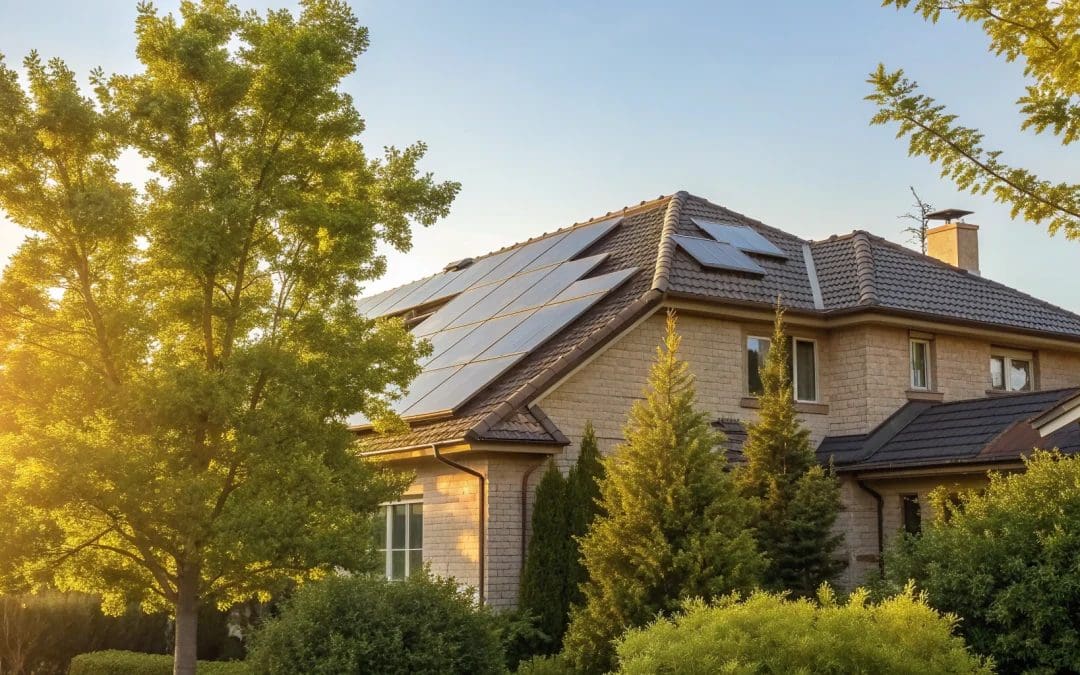
Watching your electric bill creep up every year can be frustrating, especially when you feel like you have no control over the rising rates. This is where solar power changes the game. Installing solar panels for your home is about more than just saving money; it’s about taking control of your energy future. It’s about achieving a level of independence from the grid, protecting your family from power outages, and locking in your energy costs for decades to come. This guide will show you how to make that transition, explaining the technology, the financial benefits, and the steps to creating a self-sufficient home.
Key Takeaways
- Focus on a High-Performance System: Your system’s long-term success depends on more than just the panels. Combining high-efficiency panels with quality components like Enphase microinverters ensures you maximize your energy production and get the most value from your investment.
- Own Your System for the Best Financial Outcome: While leasing is an option, owning your solar panels is the key to unlocking the most significant financial benefits. Ownership allows you to claim the 30% federal tax credit, add tangible value to your home, and achieve the greatest long-term savings on electricity costs.
- Vet Your Installer as Carefully as Your Equipment: The right installation partner is crucial. Prioritize licensed, experienced companies with strong industry certifications, comprehensive warranties, and a proven track record of positive customer reviews to guarantee a quality installation and reliable support.
What Are My Solar Panel Options?
When you start looking into solar, you’ll quickly find there isn’t just one type of panel. The technology has evolved over the years, giving you a few great choices depending on your home’s needs, your budget, and your aesthetic preferences. Think of it like choosing the right tool for the job—each one has its own strengths. Let’s walk through the most common types of solar panels you’ll encounter.
Monocrystalline Panels
If you’re looking for top-tier performance, monocrystalline panels are your go-to. Made from a single, pure crystal structure, they are the most efficient panels on the market, typically converting 15% to 24% of sunlight into electricity. This high efficiency means you can generate more power with fewer panels, making them a perfect fit for homes with limited roof space. They also perform exceptionally well in low-light conditions, so you can still produce energy on overcast days. While they have a higher upfront cost, their sleek, black appearance and superior performance and benefits make them a popular choice for homeowners who want the best of the best.
Polycrystalline Panels
Polycrystalline panels are a fantastic, budget-friendly alternative. Instead of a single crystal, they’re made from multiple silicon fragments melted together, which makes them less expensive to produce. This process results in slightly lower efficiency, usually between 13% and 16%. You can spot them by their signature blue, speckled look. Because they are less efficient, you might need a bit more roof space to generate the same amount of power as you would with monocrystalline panels. They are a reliable and cost-effective option, making them a great entry point into solar energy if initial cost is a primary concern. This monocrystalline vs. polycrystalline comparison can help you weigh the pros and cons for your specific situation.
Thin-Film Panels
Thin-film panels are a different breed altogether. They are made by placing a thin layer of photovoltaic material on a solid surface, like glass or metal. This makes them incredibly lightweight, flexible, and versatile. However, this flexibility comes with a trade-off: they are generally less efficient than their crystalline cousins, with efficiency rates around 10% to 12%. This means you’d need a much larger area to produce the same amount of energy. While less common for residential rooftops, they perform well in high temperatures and can be a good solution for unique applications or large, open spaces where efficiency per square foot isn’t the main priority.
A Note on Newer Tech: Bifacial and Half-Cut Cells
The world of solar is always innovating, and a couple of newer technologies are making their way into home installations. Bifacial panels are designed to capture sunlight from both the front and back sides, which can increase your energy production by up to 30% if you have a reflective surface below them (like a light-colored roof or the ground). Meanwhile, half-cut cell technology improves performance and durability by cutting traditional solar cells in half, which reduces energy loss. Both of these advancements are pushing the boundaries of efficiency and are exciting options to consider for your solar panel installation.
What Are the Best Solar Panel Brands?
Choosing solar panels is a lot like picking a major appliance for your home—you want something that’s reliable, efficient, and built to last for decades. The market is full of options, but not all brands are created equal. A great solar panel brand stands out with a solid history of performance, strong efficiency ratings, and comprehensive warranties that protect your investment. When you’re putting something on your roof for the next 25+ years, you want the peace of mind that comes with proven quality.
At Renewable Energy Corporation, we’ve spent years vetting the best technology for our customers. We focus on manufacturers who share our commitment to quality and long-term value. That’s why we’ve chosen to partner with industry leaders who have a stellar reputation for producing durable and high-performing equipment. This ensures your home’s solar energy system is a dependable asset from day one. Let’s talk about the brands we trust and why they make the cut.
QCELLS: Our Top Pick
When homeowners ask for our top recommendation, we point them to QCELLS. We proudly partner with them because their panels deliver an ideal balance of high efficiency, durability, and affordability. QCELLS is known for its rigorous testing and German engineering, resulting in panels that perform exceptionally well, even in less-than-perfect weather conditions. Their technology is designed to resist degradation over time, meaning you’ll generate more power for longer. For homeowners looking to make a smart, lasting investment in solar energy, QCELLS provides the quality and performance that we stand behind in every solar panel installation.
Other Reputable Brands
While QCELLS is our preferred partner, the solar industry has several other reputable manufacturers. For example, some companies like SunGoldPower offer complete solar power kits designed for residential use, which can be an option for dedicated DIY-ers. However, working with an experienced installer means you get a system tailored specifically to your home’s energy needs and roof layout, using components that are hand-picked for their compatibility and performance. We handle the research and sourcing so you can be confident your system is built with the best equipment available.
Why Enphase Microinverters Matter
The panels get all the attention, but the inverter is the real brain of your solar system. It’s the device that converts the direct current (DC) energy from your panels into the alternating current (AC) that your home uses. We exclusively use Enphase microinverters because they optimize the performance of each individual panel. If a little shade or a few leaves cover one panel, the others continue producing at full capacity. As one homeowner noted, this technology also makes it much easier to expand your system later on. Pairing top-tier panels with high-quality solar panel inverters is key to a powerful and reliable system.
How Much Does a Home Solar System Cost?
Let’s talk about the number one question on everyone’s mind: the price tag. Investing in a home solar system is a significant financial decision, and it’s smart to understand what goes into the cost. While the final price depends on your specific home and energy needs, thinking about it in terms of a long-term investment can help put things in perspective. You’re not just buying equipment; you’re pre-paying for decades of cleaner, cheaper electricity. The good news is that with various financing options and powerful incentives, going solar is more accessible than ever. We can break down the costs so you can see exactly where your money goes and how it comes back to you over time.
Breaking Down the Average Installation Cost
To give you a ballpark figure, the average cost for a typical home solar system is around $30,000 before any incentives are applied. It’s important to remember that this is just an average—your system could cost more or less depending on the size you need to power your home effectively. Think of it as a starting point. The great thing is that federal tax credits and local rebates can significantly reduce that initial number, making the final cost much lower. The best way to get an accurate picture of your investment is to get a free solar estimate tailored to your property and energy consumption.
What Factors Influence the Final Price?
You might be surprised to learn that the solar panels themselves only account for a fraction of the total cost. The majority of the expense comes from other essential components, labor, and administrative fees. Key factors include the system’s size, the brand and type of panels you choose, and the complexity of your roof. You’ll also need crucial hardware like solar panel inverters, which convert the sun’s energy into usable electricity for your home. Other costs include permitting fees, labor for the installation, and any additional features you might want, like a solar panel battery backup for power outage protection.
Your Financing and Payment Options
You have several ways to pay for your solar system, so you can choose the path that fits your budget. Paying with cash upfront will give you the highest long-term savings since you won’t pay any interest. Another popular route is a solar loan, which often requires no money down. With a loan, you own the system from day one and can still claim all the tax credits and incentives. A third option is a solar lease or Power Purchase Agreement (PPA), where a company installs panels on your roof for free and you pay them a fixed rate for the electricity. Each option has its pros and cons, so it’s worth exploring what makes the most sense for your financial goals.
Leasing vs. Buying: Why Ownership Is Key
While leasing might seem attractive with its $0-down offer, owning your solar panel system is almost always the better long-term strategy. When you own the system—whether you pay with cash or a loan—you are the one who receives the 30% federal tax credit and any other local incentives. Owning your panels also adds tangible value to your home. Leased systems, on the other hand, can sometimes complicate a home sale, as the lease must be transferred to the new owner. Ultimately, the financial benefits of solar are greatest when you own the system, allowing you to achieve true energy independence and maximize your return on investment.
How Can I Save Money with Solar?
Thinking about the cost of a solar installation is only half the story. The other, more exciting half is about how much you can save. Going solar is a powerful financial decision that pays you back in multiple ways, from immediate tax credits to decades of lower energy bills. It’s not just about reducing your carbon footprint; it’s about securing your financial future and making a smart investment in your home. Let’s look at the specific ways a solar panel system can put money back in your pocket.
Federal Tax Credits and Rebates
One of the most significant financial perks of going solar is the federal Residential Clean Energy Credit. Think of it as a major discount on your system, courtesy of the government. This isn’t a simple deduction; it’s a tax credit, which means it directly reduces the amount of federal income tax you owe, dollar for dollar. Currently, this credit allows you to subtract 30% of your total system cost from your federal taxes. This includes the panels, the installation labor, and even a solar panel battery backup. It’s a straightforward way to make your investment much more affordable right from the start.
State and Local Incentive Programs
On top of the federal credit, many states and local governments offer their own incentives to encourage homeowners to switch to solar. Here in the Mid-Atlantic, programs vary, but they can include state tax credits, grants, and property tax exemptions, which prevent your property taxes from increasing because of the value your solar panels add. In some states, you can also earn and sell Solar Renewable Energy Certificates (SRECs). Utilities buy these credits from you to meet state-mandated renewable energy goals, creating an extra stream of income just for producing clean power. Exploring these local benefits is a key step in maximizing your return on investment.
Long-Term Savings on Your Electric Bill
This is where you’ll see the most consistent return. By generating your own electricity, you drastically reduce your dependence on the utility company and its ever-increasing rates. Over the 25-year-plus lifespan of your system, the savings on your monthly electric bills really add up—often totaling between $37,000 and $148,000. Thanks to policies like net metering, any excess energy your panels produce is sent back to the grid, and you get a credit on your bill. This means your system is working for you even when you’re not using much electricity, helping to offset costs at night or on cloudy days.
Increasing Your Home’s Value and Earning SRECs
A solar panel system is an upgrade that pays for itself and then some. Studies have consistently shown that homes with solar panels sell for more than comparable homes without them. Potential buyers see a solar-equipped home as a huge plus because it comes with the promise of lower energy bills. It’s a modern, valuable feature that makes your property stand out. When you combine this increased home value with the ongoing income you can generate from selling SRECs in eligible states, it’s clear that a solar panel installation is a smart, forward-thinking investment in your property’s future worth.
What Should I Know Before I Install?
Making the decision to go solar is exciting, but the journey doesn’t end once you’ve picked your panels. A little preparation goes a long way in ensuring your installation process is smooth and successful. Before the team arrives, there are a few key things to consider, from the condition of your roof to the paperwork required to get your system up and running. Thinking through these details ahead of time will help you set realistic expectations and make the transition to clean energy a total breeze.
Is Your Roof Ready for Solar?
Before you commit to a solar panel installation, take a good look at your roof. Solar panels are a long-term investment designed to last for 25 years or more, so the roof underneath them should be just as durable. If your roof is nearing the end of its life, it’s much more cost-effective to replace it before the panels go on. Having to remove and reinstall a solar array for roof repairs down the line is an extra expense and hassle you can easily avoid. A roof in good shape provides a solid foundation for your system and peace of mind for decades to come.
The Permit and Installation Timeline
Going solar involves a few more steps than just scheduling an installation day. Your solar installer will handle the heavy lifting, but it’s helpful to understand the process. After you approve the system design, we’ll need to secure permits from your local municipality. Once the panels are installed, the final step is getting “Permission to Operate” (PTO) from your utility company, which connects your system to the grid. This final approval can sometimes take a few weeks, so a little patience is key. You can find more details about what to expect on our FAQ page.
Common Solar Myths, Busted
One of the biggest questions homeowners have is whether to lease or buy their solar panels. While leasing might seem tempting with its low upfront cost, we strongly recommend ownership. Leased systems can complicate the process of selling your home, as the new buyer has to agree to take over the lease. When you own your solar panels, they become an asset that adds tangible value to your property. Owning your system is the best way to maximize your return on investment and enjoy all the financial benefits of solar energy, including tax credits and long-term savings.
Adding Battery Storage and Other Smart Tech
Your solar journey doesn’t have to stop with panels. To get the most out of your system, consider adding a solar panel battery backup. A battery allows you to store the excess energy your panels generate during the day and use it at night, on cloudy days, or during a power outage. This gives you true energy independence and protects you from grid instability. You can also integrate other technologies, like a solar EV charger, to create a complete, sustainable energy ecosystem for your home. Thinking about these additions early on can help you design the perfect system for your needs.
How Do I Choose the Right Solar Installer?
Selecting the right solar installer is just as important as choosing the best panels for your home. Think of your installer as your long-term partner on this energy journey. They’re the ones who will design your system, handle the permits, secure the equipment, and perform the physical solar panel installation. A great installation team ensures your system performs optimally and safely for decades. A subpar one can lead to leaks, underperformance, and headaches you just don’t need.
The solar industry has grown rapidly, which means you have plenty of options. But it also means you need to do your homework to find a reputable, experienced, and trustworthy company. You want a team that will be there to answer your questions and service your system for years to come. So, how do you sort through the crowd and find the perfect fit? It comes down to vetting each potential installer in a few key areas: their credentials, the warranties they offer, the value of their quote, and their reputation with past customers. Let’s walk through what you should look for in each of these categories.
Look for Proper Certifications and Licensing
First things first: your installer must be a licensed and insured professional. This is non-negotiable. Look for companies that hold certifications from the North American Board of Certified Energy Practitioners (NABCEP), which is the most respected certification in the industry. It’s a clear sign that the technicians have met high standards of training and expertise.
Experience also matters—a lot. A company with a long history in your local area has a proven track record and is more likely to be around for the life of your system. They’ll understand local building codes, permitting processes, and weather patterns. As Maryland’s oldest family-run solar firm, we’ve seen it all and have built our business on a foundation of trust and quality. You can learn more about our story and commitment to our community.
Ask About Warranties and Maintenance
A solar panel system is a major investment designed to last for 25 years or more, so strong warranties are essential for your peace of mind. A reputable installer will offer comprehensive warranties that cover every part of your system. Be sure to ask about three specific types:
- Product Warranty: This covers the physical equipment, like your solar panels and inverters, against defects.
- Performance Warranty: This guarantees your panels will produce a certain percentage of their rated power over time.
- Workmanship Warranty: This covers the installation itself and protects you against issues like roof leaks or faulty wiring.
Get the details for each warranty in writing. A company that stands behind its work will be transparent and confident about its coverage.
Why You Should Compare Quotes
It’s always a smart move to get quotes from at least three different installers before making a decision. This helps you get a sense of the market rate and ensures you’re getting a fair price. However, don’t just look at the bottom-line number. A quote is more than just a price tag; it’s a complete proposal for your home’s energy future.
When comparing quotes, look closely at the equipment being offered, the proposed system size, the estimated energy production, and the included warranties. The cheapest quote isn’t always the best value. High-quality components and a top-tier installer might cost more upfront but will save you money and stress in the long run. When you’re ready, we make it easy to get a free solar estimate to see how we stack up.
Read Reviews and Check References
A company’s reputation is one of the most reliable indicators of the experience you can expect. Before you sign a contract, spend some time reading online reviews from past customers on sites like Google, Yelp, and the Better Business Bureau. You can also find candid discussions and advice from other homeowners on forums like Reddit.
Don’t be afraid to ask a potential installer for a list of local references. Speaking directly with other homeowners who have worked with the company can give you invaluable insight into their process, communication, and post-installation support. A confident installer with a history of happy customers will be more than willing to connect you with them.
Related Articles
- Solar Power for New Homes: Smart Energy from Day One
- Solar Panels and Home Values: Selling a Solar Power Home
- Different Solar Panel Materials Available in Maryland
- Deciding on a Solar panel system that’s best for your home
- Solar Energy for Small vs Large Homes: Does Size Matter?
Frequently Asked Questions
How do I know if my roof is right for solar panels? The ideal roof for solar panels is one that’s in good condition, relatively new, and has plenty of south-facing space with minimal shade. However, many homes that don’t meet this perfect description are still great candidates. We can install panels on various roof types and orientations, including east-west facing roofs. The most important factor is the structural integrity of your roof. If it’s nearing the end of its lifespan, we recommend replacing it before installation to avoid the extra cost of removing and reinstalling the panels later.
Do solar panels still generate power on cloudy days? Yes, they absolutely do. While solar panels are most productive in direct, bright sunlight, they still generate a significant amount of electricity on overcast days. Think of it like getting a sunburn on a cloudy day—UV rays still get through the clouds. Modern, high-efficiency panels, like the QCELLS we install, are designed to perform well even in low-light conditions, ensuring your system is consistently producing power for your home.
What happens to my solar power during a blackout? For safety reasons, a standard grid-tied solar system is designed to automatically shut down during a power outage. This prevents your panels from sending electricity back into the grid while utility workers are trying to make repairs. If you want to keep your lights on during an outage, you’ll need to pair your system with a solar panel battery backup. This allows you to store excess solar energy and use it to power your home independently from the grid when it goes down.
How long does the entire process take, from signing the contract to turning the system on? The timeline can vary, but a typical residential installation takes about one to three months from start to finish. The physical installation on your roof is usually completed in just a day or two. The rest of the time is dedicated to the behind-the-scenes work, which includes a detailed site assessment, system design, securing local permits, and coordinating with your utility company for the final inspection and approval to operate.
Why is choosing a local, experienced installer so important? A local installer understands the specific permitting requirements, building codes, and weather patterns in your area, which ensures a smoother process and a more durable installation. An experienced company has a proven track record of quality work and is more likely to be around to honor warranties and provide service for the 25+ year lifespan of your system. Choosing a trusted, local partner gives you peace of mind that your investment is in good hands.
Recent Comments