
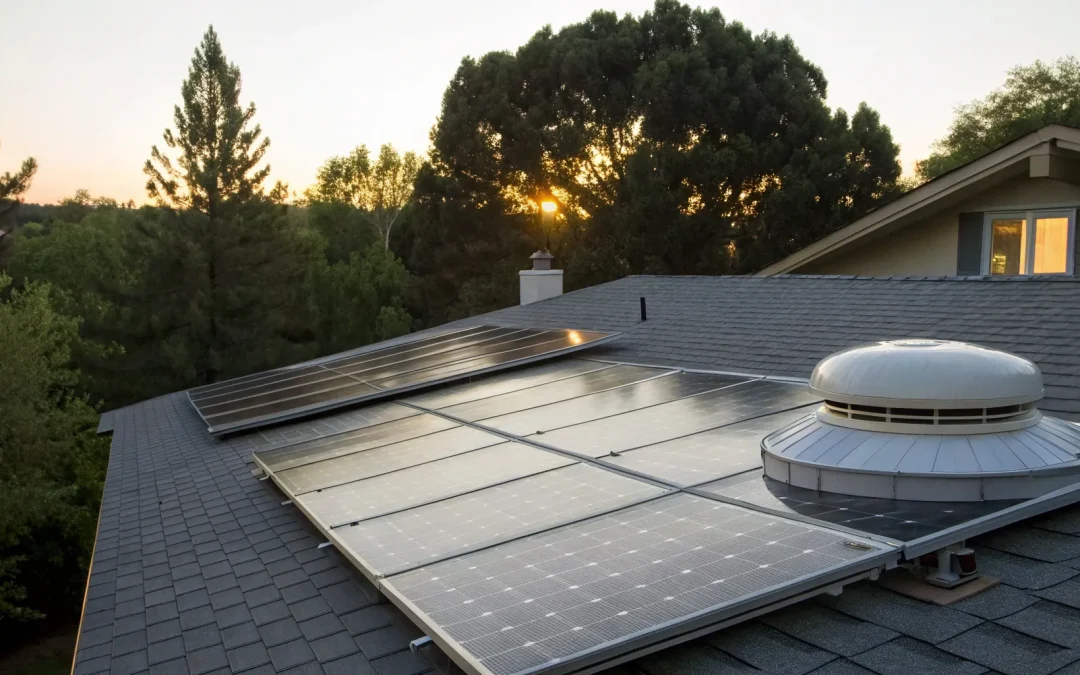
Solar attic fans sound like a brilliant idea on paper, but they often come with a lot of questions. Will it be noisy? Does it even work on cloudy days? What’s to stop rain or pests from getting through a new hole in my roof? These are all valid concerns that can make any homeowner hesitate before moving forward. All these questions boil down to one critical point: considering all the factors, are solar attic fans worth it? We’re here to clear the air and bust the common myths surrounding these devices. We’ll give you straightforward answers so you can understand how they really work and decide if one is a smart, reliable addition to your home.
Key Takeaways
- Reduce Strain on Your AC System: A solar attic fan actively removes trapped heat, preventing it from radiating into your home. This directly lessens the workload on your air conditioner, leading to lower energy bills and a more comfortable living space, especially on the top floor.
- Factor in the 30% Federal Tax Credit: Don’t just look at the sticker price. The total cost of a solar attic fan, including professional installation, qualifies for the 30% Federal Solar Tax Credit, which significantly lowers your upfront investment and makes the project much more affordable.
- Ensure Your Attic is Properly Sealed and Vented: For the fan to work correctly, it needs a source of intake air from soffit vents. It’s also crucial to seal any air leaks between your attic and living space to prevent the fan from pulling your conditioned air out of the house.
What is a Solar Attic Fan?
If you’ve ever felt the upstairs of your home turn into a sauna during the summer, your attic is likely the culprit. Trapped heat radiates downward, forcing your air conditioner to work overtime. A solar attic fan is a straightforward solution designed to tackle this exact problem. It’s a compact ventilation system that uses the power of the sun to actively pull hot, stale air out of your attic and push it outside.
Unlike a full rooftop solar array that powers your entire home, a solar attic fan is a self-contained unit dedicated to one job: cooling your attic. By creating consistent airflow, it prevents heat and moisture from building up, which not only makes your living spaces more comfortable but also helps protect your home’s structure. It’s a simple, effective way to improve your home’s energy efficiency without a massive overhaul. Let’s break down exactly how it works and the key parts that make it happen.
How It Works
The concept behind a solar attic fan is beautifully simple. It uses solar energy to create a cooler, drier attic environment. When sunlight hits the fan’s dedicated solar panel, it generates electricity to power a small motor. This motor spins the fan blades, which then draw hot air and moisture up and out of your attic. This process creates negative pressure, pulling cooler, fresh air in through your existing soffit or intake vents near the bottom of your roof.
This continuous cycle of air exchange prevents your attic from becoming a super-heated pocket of air sitting on top of your house. As a result, your air conditioning system doesn’t have to fight as hard to cool your home, which can lead to lower energy bills. It’s an automated system that works hardest on the sunniest, hottest days—exactly when you need it most. The overall benefits extend from comfort and cost savings to protecting your roof.
Key Components
A solar attic fan is a surprisingly simple device, consisting of just a few essential parts working together in a single, protected unit. Understanding these components helps clarify how it operates so efficiently on its own.
First, you have the solar panel itself. This is the engine of the whole operation, capturing sunlight and converting it directly into the electrical energy needed to run the fan. Next is the motor, which receives that solar-generated power and gets the fan blades spinning. Finally, the fan blades, housing, and flashing make up the body of the unit. The blades are designed for maximum airflow, while the durable housing and flashing protect the internal components from weather and ensure a leak-proof fit on your roof. You can find answers to more technical questions on our FAQ page.
Types of Solar Attic Fans
Solar attic fans generally come in two main styles, and the right one for you depends on your home’s design and existing ventilation. The most common type is the roof-mounted fan. These are installed directly onto your roof, usually on a slope that gets plenty of sun. They come in various profiles, from low-profile domes to tilted panels, and are ideal for homes that need a new ventilation point.
The second type is the gable-mounted fan. This fan is installed inside the attic, directly behind an existing gable vent (the slatted vents often found on the vertical wall at the peak of a roof). This is a great option if you want a more discreet look, as the unit isn’t visible from the outside. Choosing between them often comes down to your roof’s structure, but a professional can help you determine the most effective placement. To figure out the best fit for your home, you can always request a free solar estimate.
Why Install a Solar Attic Fan?
So, what’s the big deal with venting your attic? It turns out, letting that trapped, super-heated air escape can make a huge difference for your home and your wallet. A solar attic fan is a simple, smart upgrade that works quietly behind the scenes to improve your home’s overall health and efficiency. From cutting down on cooling costs to protecting the very structure of your roof, the benefits are pretty compelling. Let’s look at exactly how one of these fans can make your home a better place to live.
Lower Your Energy Bills
One of the most immediate benefits you’ll notice is a drop in your cooling costs. During the summer, your attic can reach scorching temperatures, acting like a giant radiator that heats the rest of your house. This forces your air conditioning system to work overtime just to keep your living spaces comfortable. A solar attic fan actively pulls that hot air out, easing the load on your AC. Since the fan runs entirely on the sun’s energy, it costs absolutely nothing to operate. You get a cooler home and lower utility bills without spending an extra dime on electricity.
Protect Your Roof’s Lifespan
Extreme heat is your roof’s worst enemy. Over time, the intense temperatures in an unventilated attic can bake your roofing materials from the inside out, causing shingles to warp, crack, and deteriorate prematurely. This heat can also damage the roof decking and structural supports. By continuously circulating the air and reducing attic temperatures, a solar fan helps prevent this heat damage. This simple addition can extend the life of your roof and insulation, saving you from the headache and expense of early repairs or a full replacement down the road.
Prevent Moisture and Mold
Your attic is also a prime spot for moisture buildup, especially during humid summers and cold winters. When warm, moist air gets trapped, it can condense on surfaces and create the perfect breeding ground for mold and mildew. This can lead to wood rot, damaged insulation, and poor indoor air quality. A solar attic fan helps by pulling this damp air out before it can cause problems. It promotes better airflow, keeping the space dry and healthy. This is a crucial step in protecting both your family’s health and your home’s structural integrity.
Reduce Your Carbon Footprint
Choosing a solar-powered solution is always a great way to make your home a little greener. Because a solar attic fan runs on clean, renewable energy from the sun, it doesn’t rely on the power grid. This means it has a zero-emissions operating footprint. While your AC runs less, you’re also cutting back on your home’s overall energy consumption. It’s a small change that contributes to a larger positive impact, aligning with a more sustainable lifestyle and reducing your household’s carbon footprint. It’s one of the many benefits of going solar.
Enjoy a More Comfortable Home
Have you ever noticed that the top floor of your house is always the hottest? That’s often because of the intense heat radiating down from the attic. By cooling your attic, a solar fan makes a noticeable difference in the comfort of your upstairs rooms, especially bedrooms. The living spaces below the attic will stay cooler and more consistent throughout the day, making your entire home more enjoyable during the hot summer months. This added comfort is a daily reminder of the smart investment you made in your home’s ventilation system.
Solar Attic Fan Myths, Busted
Solar attic fans are a smart home upgrade, but they’re often misunderstood. Let’s clear the air about a few common concerns so you can make a confident decision for your home.
Are They Noisy?
If you’re imagining a constant, loud whirring noise overhead, you can relax. Unlike the clunky attic fans of the past, high-quality solar models are designed for quiet operation. They use modern brushless DC motors that run smoothly without the vibration and noise of traditional motors. You likely won’t even notice it’s running while it works to cool your attic and save you money. It’s a silent workhorse that keeps your home comfortable without adding to the household noise.
Do They Work on Cloudy Days?
This is a perfectly valid question. While a solar fan performs best in direct sunlight, it doesn’t just shut down when clouds roll in. Modern solar panels are highly efficient and can generate power from ambient and indirect sunlight. On an overcast day, your fan will still spin, maybe at a lower speed, but it will continue to circulate air and vent moisture. This consistent, gentle ventilation is exactly what you need to prevent heat and humidity from building up, making modern solar attic fans effective even on less-than-perfect days.
What About Pests and Debris?
Cutting a hole in your roof can feel like sending an open invitation to critters and leaves, but a well-designed solar attic fan has you covered. Quality units are built with protective features to keep the outdoors out. They include a durable stainless steel mesh screen that blocks insects, birds, and rodents from entering your attic. The fan’s housing, or flashing, is also built to be weather-tight, preventing rain, snow, and debris from getting in while letting hot air out.
Is Installation Difficult?
While some online guides might make installation seem like a simple weekend project, working on your roof requires specific skills and safety precautions. A professional installation ensures the fan is placed in the optimal location for airflow and that the unit is sealed perfectly to prevent leaks. An expert can also assess your attic’s existing ventilation to make sure the fan works as part of an effective system. For peace of mind and a guaranteed leak-proof fit, getting a professional opinion is always the best first step.
What to Know Before You Install
A solar attic fan can be a fantastic addition to your home, but a successful outcome depends on more than just picking the right model. Proper installation and a few key checks are essential to make sure your fan works efficiently and safely. Before you move forward, it’s important to understand what a correct setup involves, from sealing your attic to ensuring you have enough ventilation. Taking these steps will help you get the full benefits of your investment, keeping your home comfortable and your energy bills down. Let’s walk through the critical details you should consider before installation day.
Professional vs. DIY Installation
Deciding between installing the fan yourself or hiring a professional often comes down to cost versus confidence. A single solar attic fan typically costs between $300 and $500, with professional installation adding another $150 to $250. While the DIY route can save you some money upfront, it requires cutting a hole in your roof—a task that leaves no room for error. An improper installation can lead to serious issues like roof leaks and water damage. Hiring a certified installer ensures the fan is positioned correctly, sealed tightly, and integrated safely. For peace of mind and a job done right, we recommend working with an experienced team for your solar attic fan installation.
The Importance of Attic Sealing
For a solar attic fan to cool your attic effectively, it needs to pull hot air from the attic space and push it outside. However, if your attic isn’t properly sealed from the rest of your house, the fan can create a negative pressure effect. This means it will start pulling the cool, conditioned air from your living spaces up into the attic. This is the opposite of what you want, as it makes your air conditioner work harder and can actually increase your energy costs. Before installation, check for and seal any gaps around light fixtures, plumbing pipes, and the attic hatch to ensure the fan only removes hot attic air.
Checking Your Ventilation
A solar attic fan is an exhaust vent, and for it to work properly, it needs a clear source of intake air. Think of it like trying to drink from a straw with your finger over the end—if air can’t get in, nothing can get out. Your attic’s intake vents are usually located in the soffits (the underside of your roof’s eaves). Before installing a fan, make sure these vents are not blocked by insulation, dirt, or paint. If insulation is the culprit, you may need to install baffles to create a clear channel for air to flow. A balanced ventilation system is key to helping your fan perform at its best.
Key Safety Measures
The biggest risk with any project that involves your roof is the potential for leaks. Cutting a hole for the fan and not sealing it perfectly can invite water into your attic, leading to mold, rot, and costly structural damage. A professional installer will use proper flashing and high-grade sealants to create a weatherproof barrier around the fan. Beyond preventing leaks, there’s the personal safety risk of working on a roof. Professionals have the right safety equipment and experience to handle the job without accidents. When you contact a professional, you’re not just paying for an installation; you’re investing in a secure, leak-free, and safely completed project.
Ensuring Weather Resistance
You might worry that installing a fan on your roof could create an entry point for rain, pests, or debris. Fortunately, high-quality solar attic fans are designed to handle the elements. They are built with durable, corrosion-resistant materials and typically include a stainless steel mesh screen. This screen is fine enough to block insects, rodents, leaves, and other debris from entering your attic while still allowing for maximum airflow. The fan’s housing is also engineered to prevent rain and snow from getting in, even during heavy storms. When choosing a fan, look for one with robust weather-resistant features to ensure it protects your home for years to come.
Breaking Down the Costs and Savings
Talking about a home upgrade isn’t complete without looking at the numbers. You want to know what you’re spending, what you’re saving, and if it all adds up in the end. A solar attic fan is an investment in your home’s efficiency and comfort, so let’s walk through the costs and long-term savings to see how it fits into your budget and energy goals.
Upfront Investment
The initial cost for a single solar attic fan usually falls between $300 and $500. However, most homes need more than one to create effective airflow. Depending on the size and layout of your attic, you might need two or three fans to do the job right. This brings the total equipment cost to anywhere from $600 to over $1,500. Think of this as the starting point. The quality of the fan, its power, and features like a built-in thermostat can also influence the price. We can help you find the right solar attic fans to match your home’s specific needs.
Installation Costs
Unless you’re a seasoned DIYer, you’ll want to factor in professional installation. Hiring an expert to install your fan typically costs between $150 and $250 per unit. While tackling the project yourself can save money, a professional ensures the fan is placed for optimal performance and properly sealed to prevent leaks. A pro handles the roofing work safely and correctly, which gives you peace of mind. The best way to understand the full cost for your home is by getting a professional estimate, which will account for your roof type, pitch, and attic size.
Available Tax Credits and Incentives
Here’s where the investment gets even better. Solar attic fans qualify for the 30% Federal Solar Tax Credit, which has been extended through 2032. This isn’t just a deduction—it’s a dollar-for-dollar credit that reduces what you owe in federal taxes. It applies to the total cost of the project, including the fans themselves and the installation labor. This incentive significantly lowers your net cost, making the payback period much shorter. Exploring these financial benefits is a key step in seeing how quickly your solar upgrades can start paying for themselves.
Your Long-Term Savings
So, what does this all mean for your monthly bills? A properly ventilated attic reduces the workload on your HVAC system, especially during hot summers. For a home with about 1,000 square feet of attic space, two solar fans can save around 460 kilowatt-hours (kWh) of electricity annually. This translates to roughly $50 in savings each year, depending on your local electricity rates. While that might not sound like a fortune, these savings add up over the fan’s lifespan. Plus, you’re also saving on potential roof repairs and enjoying a more comfortable home, which are valuable perks on their own.
Solar vs. Electric: Which Attic Fan is Better?
When you’re looking to improve your attic’s ventilation, the main choice comes down to solar or electric power. Both types of fans do the same job—moving hot air out of your attic—but they get their energy from very different sources. Understanding the key differences in performance, cost, and maintenance will help you decide which option is the right fit for your home and your energy goals.
Performance
The biggest difference in performance is consistency. An electric attic fan is connected to your home’s power grid, so it can run anytime, day or night, rain or shine. This provides constant, reliable ventilation, which can be a major plus if you’re dealing with serious moisture issues.
On the other hand, a solar attic fan runs on sunlight. Its performance is strongest during the hottest, sunniest parts of the day, which is exactly when your attic needs the most help. While modern solar fans can still operate effectively on overcast days, their output will be lower. For most homes, this is perfectly fine, as the fan works hardest when the sun is beating down on your roof.
Energy Efficiency
When it comes to energy efficiency, solar fans are the clear winner. Because they run entirely on the sun’s power, they don’t add a single cent to your electricity bill. They operate completely off-grid, turning free sunlight into a cooler, more comfortable home. This makes them an excellent choice if your main goal is to reduce your home’s overall energy consumption.
An electric fan, while effective, relies on grid electricity to run. This means it will contribute to your monthly utility costs. While the cost isn’t huge, it’s still an ongoing expense that a solar fan eliminates. Choosing solar is one of the simplest ways to embrace the benefits of renewable energy and lower your carbon footprint.
Operating Costs
Looking at the numbers, an electric fan typically has a lower upfront purchase price. However, that’s not the whole story. You also have to factor in the long-term cost of electricity to run it year after year.
A solar attic fan has a higher initial investment, but its operating cost is zero. Once it’s installed, it runs for free. Even better, free solar estimate can give you a clear picture of the upfront costs and long-term savings for your specific home.
Maintenance
Both types of fans require minimal maintenance, but there are a few things to keep in mind. Any fan installation creates a new opening in your roof, which carries a small risk of leaks if not done correctly. That’s why professional installation is so important, regardless of the fan type you choose.
High-quality solar attic fans are built to withstand the elements and often come with protective mesh screens to keep out pests, leaves, and other debris. Since they have no complex wiring connected to your home’s electrical system, they have fewer potential points of failure. Working with an experienced, family-run company you can trust ensures your installation is secure and built to last for years to come.
How to Choose the Best Solar Attic Fan
Once you’ve decided a solar attic fan is a good fit for your home, the next step is picking the right one. With different sizes, features, and brands on the market, it helps to know what to look for. Making a smart choice upfront ensures you get the best performance and long-term value for your investment. Let’s walk through the key factors to consider so you can find the perfect fan for your attic.
Find the Right Size and Power
The most important factor for an effective solar attic fan is its power, measured in cubic feet per minute (CFM). This rating tells you how much air the fan can move. To properly ventilate your space, you need a fan (or fans) with enough CFM for your attic’s size. A good rule of thumb is to aim for a total CFM rating of about half your attic’s square footage. For example, a 2,000-square-foot attic would need around 1,000 CFM. Since most attics need two or three fans to achieve this, you can expect the total cost to be between $600 and $1,500. A professional can help you get an exact calculation and recommend the right setup, so you can get a free solar estimate to be sure.
Look for Key Features
Modern solar attic fans come with features that make them more efficient and hands-off. Look for models that include a built-in thermostat and humidistat. These sensors allow the fan to operate automatically, turning on only when your attic reaches a certain temperature (like 80°F) or humidity level. This smart functionality prevents the fan from running unnecessarily on cool days or at night, which extends the motor’s lifespan. An adjustable solar panel is another great feature, as it allows for optimal positioning to capture the most direct sunlight throughout the day, no matter which way your roof faces.
Prioritize Quality Components
A solar attic fan is exposed to the elements 24/7, so durability is non-negotiable. The quality of its components will determine how long it lasts and how well it performs. The solar panel is the powerhouse, so look for one made with tempered glass that can withstand hail and debris. The housing should be made from rust-proof materials like powder-coated steel or aluminum. Finally, pay attention to the motor. A high-quality, brushless DC motor is quieter, more efficient, and will last much longer than a standard motor, giving you years of reliable, maintenance-free operation.
Understand the Warranty
A strong warranty is a good indicator of a manufacturer’s confidence in its product. Look for a comprehensive warranty that covers the main components separately—the solar panel, motor, and housing often have different warranty lengths. Reading the fine print helps you understand what’s covered. On top of the warranty, remember that you may qualify for the Residential Clean Energy Credit, a federal tax credit that can cover 30% of the total cost. This incentive makes investing in a high-quality, long-lasting fan much more affordable and improves your return on investment.
Getting the Most From Your Solar Attic Fan
Once your solar attic fan is installed, a few simple practices will ensure it runs efficiently for years to come. Think of it less as a complex piece of technology and more as a hard-working part of your home’s ecosystem. Giving it the right placement and a little attention now and then will help you see the biggest impact on your comfort and energy bills. It’s all about creating the perfect conditions for the fan to do its job, so you can sit back and enjoy a cooler home and lower utility costs.
Optimal Placement
To get the most out of your solar attic fan, its built-in solar panel needs a clear, direct view of the sun. The goal is to position the panel in the direction that receives the most sunlight throughout the day—for most homes in our area, that’s a south-facing section of the roof. This placement ensures the fan has a steady power source during the hottest parts of the day when your attic needs the most ventilation. When the fan runs consistently from late morning through the afternoon, it’s actively pulling out superheated air, preventing that heat from radiating down into your living spaces and reducing the strain on your air conditioning system when it matters most.
Balancing Your Ventilation
For your fan to work correctly, your attic must be properly sealed off from the rest of your house. Think of your attic as a closed system: the fan pulls hot air out, while cooler, fresh air should be pulled in through soffit vents under the eaves of your roof. If there are gaps or unsealed openings leading to your living space, the fan can pull the cool, conditioned air from your home up into the attic. This will make your AC work harder and increase your energy costs. Before installation, it’s a great idea to check for and seal any air leaks around recessed lighting, plumbing vents, and the attic hatch.
Simple Maintenance Checks
One of the best things about solar attic fans is how little maintenance they require. To keep yours in top shape, just plan to check on it once or twice a year, maybe in the spring before the heat kicks in and in the fall. Take a quick look at the mesh screen to make sure it’s free of damage, which helps keep pests and debris out. While you’re there, clear away any leaves, twigs, or dirt that may have collected around the fan’s housing. An obstruction can not only reduce airflow but also put extra strain on the motor. A few minutes of prevention keeps the air moving freely and protects your investment for the long haul.
Quick Troubleshooting
If you’re also considering a full rooftop solar array, you can be strategic about where you place your attic fan. This isn’t so much troubleshooting as it is smart planning. Since the fan’s solar panel is small and self-contained, you can often install it in a spot where you couldn’t place a regular solar panel, like very close to the roof ridge or on a smaller roof facet. This allows you to reserve the prime, sun-drenched sections of your roof for a complete solar panel installation that can power your entire home. It’s a great way to make every square foot of your roof work toward your energy goals, integrating your attic fan into a larger, more comprehensive home energy solution.
So, Is a Solar Attic Fan Right for You?
Deciding on any home upgrade can feel like a big deal, and a solar attic fan is no exception. The simple answer is that for many homeowners, especially in the Mid-Atlantic, it’s a fantastic investment. But the real answer depends on your specific situation. It’s not a one-size-fits-all solution. The right choice comes down to your home’s unique characteristics, your local climate, and what you hope to achieve with your energy use.
To figure out if a solar attic fan is a smart move for your home, you need to look at a few key factors. Think about the potential return on your investment, how your home is built, and your long-term energy goals. By walking through these points, you can get a clear picture of whether this technology will deliver the comfort and savings you’re looking for. Let’s break down what you need to consider to make a confident decision.
Calculating Your Return on Investment
A solar attic fan runs on free energy from the sun, but the initial purchase and installation are the real costs to consider. Your return on investment depends on how much you save on cooling bills over time. If you plan to stay in your home for many years, the gradual savings on your energy bills can really add up, making the fan a worthwhile investment. The condition of your attic also plays a big part. A well-insulated but poorly ventilated attic will see more dramatic savings. To get a clear idea of the numbers for your specific home, it’s always best to get a free solar estimate.
Does Your Climate Matter?
Absolutely. If you live in an area with hot, sunny summers, a solar attic fan can be a game-changer. Here in the Mid-Atlantic, our summers are known for being hot and humid, which is the perfect environment for a solar attic fan to shine. They perform best when the sun is at its peak—the exact time your attic is turning into an oven and forcing your air conditioner to work overtime. By actively pulling that superheated air out, the fan reduces the strain on your HVAC system when it needs the most help. This leads to some significant benefits for both your comfort and your wallet during the warmest months.
Considering Your Home’s Layout
For a solar attic fan to work effectively, your attic needs to be properly sealed from the rest of your house. If there are unsealed gaps or cracks, the fan can create a backdraft, pulling the cool, conditioned air from your living spaces up into the attic. This would unfortunately make your air conditioner work even harder, defeating the purpose. It’s also worth noting that some newer homes are built with highly efficient passive ventilation systems, so an additional fan might not be necessary. A professional can help you assess your home’s current ventilation and determine if a solar attic fan is the right fit.
Aligning with Your Energy Goals
What’s driving your interest in solar? If reducing your carbon footprint is a top priority, a solar attic fan is a great step. It uses clean, renewable energy to make your home more efficient. If your main goal is financial, the fan helps you save on monthly utility bills. Plus, you may be able to take advantage of the federal solar tax credit, which can cover 30% of the total cost, including installation. This incentive makes the upfront investment much more manageable. Thinking about your primary motivation will help you see the full value a solar attic fan can offer and if it aligns with your long-term goals. You can find more details on our FAQ page.
Related Articles
- 5 Reasons To Install Solar-Powered Attic Fans On Your Home
- Solar Powered Attic Fan Installation in 6 Steps
- Solar Attic Fan 101: Everything You Need to Know
Frequently Asked Questions
How many solar attic fans does my home actually need? The right number of fans depends entirely on the size of your attic. A good starting point is to calculate your attic’s square footage and aim for a fan system that can move about half that number in cubic feet per minute (CFM). For most homes, this means installing two or three fans to create enough airflow. A professional can give you a precise recommendation based on your home’s specific layout to ensure you get the best results.
Is a solar attic fan useful during the winter? Yes, it absolutely is. While we talk a lot about summer heat, a solar attic fan is a year-round asset for fighting moisture. In the winter, warm, damp air from your living space can rise into the cold attic and condense, creating a perfect environment for mold and wood rot. The fan helps pull this moist air out, keeping your attic dry and protecting your home’s structure even on cold, sunny days.
Will installing a solar attic fan cause my roof to leak? This is a common and completely valid concern. When installed by an experienced professional, the risk of a leak is virtually zero. A certified installer uses high-grade flashing and industrial sealants to create a permanent, watertight seal around the fan. This is one of those jobs where professional expertise is crucial to protect your home and ensure the installation lasts for decades.
Does the fan run constantly, even when it’s not needed? Not at all. High-quality solar attic fans are designed to be smart and efficient. Most come with a built-in thermostat that automatically turns the fan on only when the attic temperature hits a certain threshold, typically around 80°F. This means it only runs when it’s actually hot enough to make a difference, which saves wear and tear on the motor and ensures it operates at peak efficiency.
How is this different from the passive vents I already have on my roof? Passive vents, like ridge or soffit vents, rely on natural air movement to let hot air escape, which isn’t always effective on still, sweltering days. A solar attic fan is an active ventilation solution. It uses a motor to forcefully and consistently pull hot air out of your attic, creating powerful airflow that passive vents can’t achieve on their own. This makes it far more effective at cooling the space when you need it most.
Recent Comments