
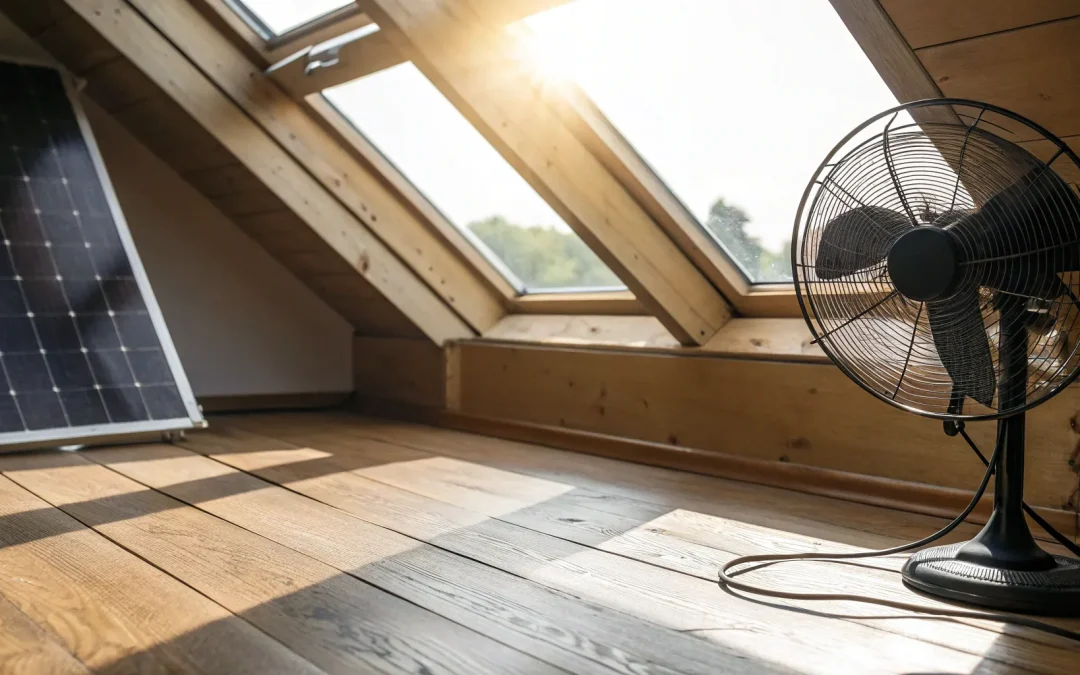
Your attic is more than just a storage space; it’s a critical buffer zone that protects your home. When heat and moisture get trapped up there, they can slowly cause serious damage to your roof’s structure, shingles, and insulation. A solar attic fan is one of the best preventative measures you can take. By actively ventilating this space, it reduces the extreme temperatures and humidity that lead to wood rot and mold growth. This isn’t just about keeping your home comfortable—it’s about protecting the long-term value and integrity of your biggest investment. We’ll explain how a professional solar powered attic fan installation can safeguard your home for years.
Key Takeaways
- Lower Your Cooling Costs Instantly: A solar attic fan uses the sun’s free energy to push superheated air out of your attic, which means your air conditioner doesn’t have to work as hard to cool your home, saving you money from day one.
- Installation Details are Crucial: The fan’s success hinges on correct sizing for your attic and a perfect, weatherproof seal. An improper installation can cause roof leaks or poor performance, making professional help a smart choice for most homeowners.
- Protect Your Home in the Long Run: Beyond energy savings, this fan helps prevent moisture buildup and heat damage to your roof’s structure and shingles. It’s a low-maintenance upgrade that improves your home’s comfort and health for years.
What is a Solar Attic Fan?
If you’ve ever felt a wave of heat hit you when opening your attic hatch in the summer, you know how hot that space can get. All that trapped heat radiates down into your living spaces, forcing your air conditioner to work overtime. A solar attic fan is a simple and effective solution. It’s a ventilation fan that’s powered entirely by its own small, built-in solar panel, designed to cool your attic without adding a penny to your electricity bill.
How Does It Work?
The concept behind a solar attic fan is beautifully simple. Mounted on your roof, the fan has a dedicated solar panel that captures sunlight and converts it into electricity. This electricity powers a motor that spins the fan blades. The fan actively pulls superheated, stale air out of your attic. As the hot air is exhausted, cooler, fresh air is drawn in through your existing soffit or gable vents. This constant circulation prevents heat from building up, which in turn keeps your entire home more comfortable and gives your AC system a much-needed break on sunny days.
Key Benefits for Your Home
Installing a solar attic fan brings a surprising number of advantages that go beyond just cooling your attic. The most immediate impact is on your home’s comfort and your energy bills, as your air conditioner won’t have to struggle against a ceiling radiating heat. But the benefits don’t stop there. By reducing extreme heat and moisture buildup, these fans can also extend the life of your roof’s shingles and structural components.
Here’s a quick look at the perks:
- Lower Cooling Costs: Less work for your AC means more money in your pocket.
- Increased Comfort: Your upstairs rooms will feel noticeably cooler.
- Longer Roof Lifespan: Protects against heat and moisture damage.
- Zero Operating Costs: The sun provides all the power it needs, for free.
Weighing the Costs and Savings
When considering any home improvement, it’s smart to look at the numbers. A solar attic fan is a straightforward investment with a clear return. The unit itself typically costs between $300 and $600, with professional installation adding around $100 to $150. While this is an upfront expense, the long-term savings on your cooling costs begin right away. Because the fan runs on free solar energy, it operates without any ongoing electrical expense. The exact savings will depend on your climate and home, but it’s an upgrade that pays for itself over time. To understand the specific costs for your home, it’s always best to get a free solar estimate.
The Eco-Friendly Advantage
Choosing a solar attic fan is also a fantastic step toward a more sustainable home. Since it runs entirely on clean, renewable energy from the sun, it reduces your household’s carbon footprint. Every hour the fan runs is an hour you’re using solar power instead of relying on grid electricity, which is often generated by burning fossil fuels. It’s a small change that makes a real difference. This single device can be a great starting point for homeowners curious about solar energy, often complementing a larger solar panel installation to further reduce environmental impact and energy costs.
How to Choose the Right Solar Attic Fan
Picking the right solar attic fan can feel like a big decision, but it doesn’t have to be complicated. Think of it as choosing the right appliance for your home—you want something that’s efficient, durable, and perfectly suited for the job. The goal is to find a fan that will effectively cool your attic without you ever having to think about it. A well-chosen fan will work quietly in the background, lowering your energy bills and making your home more comfortable for years to come. When your attic isn’t trapping super-heated air, your air conditioner doesn’t have to work as hard, which is a win for both your wallet and your HVAC system’s lifespan. This simple addition can make a surprising difference, especially during those hot, humid Mid-Atlantic summers. It also helps protect your roof’s structure by reducing moisture buildup that can lead to mold and rot. To make the right choice, you’ll want to consider a few key factors: the size and power needed for your specific attic, the materials and features that ensure longevity, and the warranty that protects your investment. We’ll walk through each of these points to help you find the perfect fit for your home.
Find the Right Size and Power
The first step is to match the fan to your attic’s size. A fan that’s too small won’t move enough air, while one that’s too powerful might be overkill. The power of a fan is measured in CFM, or cubic feet per minute, which tells you how much air it can move. A good rule of thumb is to aim for a fan that provides at least 0.7 CFM for every square foot of attic space. For example, a 1,000-square-foot attic would need a fan rated for at least 700 CFM. If you have a particularly large or uniquely shaped attic, you might even need more than one fan to ensure proper ventilation throughout the entire space.
Must-Have Features to Look For
When you’re looking at different models, pay close attention to the build quality and features. You want a fan made from durable, weather-resistant materials like powder-coated steel or aluminum that can stand up to Mid-Atlantic weather without rusting or degrading. The solar panel itself is also crucial. Look for high-efficiency panels that can generate power even on overcast days. Many top-tier solar attic fans also come with a built-in thermostat, which automatically turns the fan on when your attic hits a certain temperature, ensuring it only runs when needed. This smart feature helps extend the motor’s lifespan and maximizes efficiency.
Comparing Top Brands
Just like with cars, not all solar attic fans are created equal. Different brands use different components that can significantly impact performance and longevity. When comparing your options, look beyond the price tag and consider the motor type—brushless DC motors are typically quieter and last longer than their brushed counterparts. Also, examine the fan blade design, as some are engineered for quieter, more efficient airflow. We’ve spent years vetting different manufacturers and can help you compare the makes and models that offer the best performance and reliability for your home.
Understanding Costs and Warranties
A solar attic fan is an investment in your home’s comfort and energy efficiency. Generally, you can expect the unit itself to cost between $300 and $600, with professional installation adding a bit more. More important than the initial cost, however, is the warranty. A strong manufacturer’s warranty is a sign of a quality product. Look for comprehensive coverage that protects the solar panel, motor, and housing for several years. As a company that prides itself on long-term customer satisfaction, we only partner with brands that stand firmly behind their products. You can learn more about our commitment to quality on our About Us page.
Considering Noise and Location
One of the most common questions we get is, “Will I hear it running?” The answer is almost always no. Modern solar attic fans, especially those with brushless motors, are designed for whisper-quiet operation. Any noise they do produce is typically contained within the attic. Proper installation also plays a huge role in preventing any vibration or rattling. A professional will not only ensure the fan is securely mounted but will also identify the optimal location on your roof. The ideal spot balances maximum sun exposure for the solar panel with the most effective placement for ventilating your entire attic space.
Get Ready for Installation
Before you can enjoy a cooler attic and lower energy bills, a little prep work is in order. Whether you’re a seasoned DIYer or just curious about the process, getting ready for installation involves a few key steps. Proper planning ensures the project goes smoothly, safely, and successfully. From gathering your supplies to picking the perfect spot on your roof, taking the time to prepare will make all the difference. Let’s walk through what you need to do to get your home ready for its new solar attic fan.
Gather Your Tools and Materials
First things first, let’s get your toolkit in order. Having everything you need within arm’s reach will make the installation process much smoother. You don’t want to be climbing up and down a ladder searching for a tool you forgot.
Here’s a basic list of what you’ll likely need:
- A hammer and pry bar for removing shingles
- A utility knife and a reciprocating saw for cutting the opening
- A drill for securing the fan
- A caulk gun and roofing cement for a watertight seal
- Roofing nails to secure everything in place
Of course, you’ll also need the solar attic fan kit itself. Make sure you’ve unboxed it and reviewed the manufacturer’s instructions before you head up to the roof.
Check Local Codes and Permits
This step is an absolute must and should happen before you buy any materials or touch your roof. Building codes can vary quite a bit from one town to the next, and you need to know what the specific requirements are for your area. Some municipalities may require a permit for this type of work, while others might not. A quick call or visit to your local building department’s website can clear this up. Ignoring this step can lead to fines or having to undo your hard work, so it’s worth the effort to check first. This is one of the many details a professional installer handles for you.
Key Safety Precautions
Working on a roof is serious business, and your safety should always be the top priority. Never underestimate the risks involved. Before you even think about stepping onto a ladder, make sure you have the right safety gear, including a harness, a fall-arrest system, and shoes with excellent grip. Always check the weather forecast and avoid working on days when the roof might be wet, windy, or icy. It’s also a good idea to keep your tools organized in a bucket or tool belt to prevent them from becoming tripping hazards. If you feel at all unsure, it’s always best to leave the job to a professional.
DIY or Call a Pro?
This is the big question for many homeowners. If you have roofing experience and are comfortable with heights and power tools, installing a solar attic fan can be a rewarding DIY project. However, it’s not a simple task. It involves cutting a hole in your roof, which, if done incorrectly, can lead to leaks and costly water damage. For most people, hiring a professional is the smarter choice. A professional installation ensures the fan is placed correctly for optimal performance, sealed properly against the elements, and installed safely. If you want peace of mind, you can always request a free estimate to see what it would take to have an expert handle it.
Pinpoint the Perfect Spot on Your Roof
Location is everything when it comes to your solar attic fan. You want to place it where it will get plenty of direct sunlight and can effectively vent the hot air from your attic. The ideal spot is usually on a south-facing portion of your roof, as close to the ridge (the peak) as possible. A good rule of thumb is to measure about 20 inches down from the ridge and find a spot centered between two roof rafters. This placement ensures the fan is high enough to pull out the hottest air, which naturally rises, while the solar panel gets maximum sun exposure throughout the day.
Your Step-by-Step Installation Guide
If you’re comfortable working on your roof and have the right tools, installing a solar attic fan can be a rewarding weekend project. However, safety should always be your top priority. Working at heights and cutting into your roof involves risks, so it’s important to be honest about your skill level. If you have any doubts, remember that a professional installation ensures the job is done safely, correctly, and often comes with a warranty. You can always get a free estimate to see if professional help is the right choice for you.
Step 1: Measure and Mark the Opening
First, you’ll need to pick the best location for your fan. The ideal spot is on a south-facing part of your roof, close to the ridge (the peak), which allows it to vent the hottest air effectively. Find a space between two of your roof’s support beams, or rafters. Once you’ve chosen your spot, measure about 20 inches down from the ridge and make a mark to indicate the center of your opening. This initial measurement is key to ensuring the fan is positioned for optimal airflow and stability, so take your time to get it just right.
Step 2: Cut and Prepare the Roof
With your center point marked, carefully push a nail through the roof from the inside out to mark the spot on top of your shingles. Using the nail as a pivot point, draw a circle on the shingles—your fan’s instructions will specify the exact diameter. Carefully cut away the shingles and any roofing nails within this circle. Next, you’ll draw a larger circle on the exposed roof sheathing, again following the manufacturer’s measurements. Using a reciprocating saw or jigsaw, carefully cut out this hole, making sure to avoid hitting any rafters or electrical wiring in the attic.
Step 3: Install the Fan’s Mounting System
Now that you have an opening, it’s time to install the fan itself. Start by applying a generous line of roofing cement around the edge of the hole to create a watertight seal. Carefully slide the fan’s base, also called flashing, up under the shingles at the top of the hole. Make sure the base is centered and sits flat against the roof. Secure the base to the roof sheathing with the screws provided in your kit. For extra protection against leaks, apply more roofing cement around the edges of the flashing where it meets the roof.
Step 4: Connect the Solar Panel
This step brings the power to your fan. The solar panel needs to be positioned where it will receive the most direct sunlight throughout the day. For many homes in the Mid-Atlantic, this means facing south. Depending on the model of your solar attic fan, the panel may be integrated into the fan unit or might be a separate component that you can mount and tilt for the best sun exposure. Connect the panel’s wiring to the fan motor according to the instructions, ensuring all connections are secure and weatherproof.
Step 5: Weatherproof and Seal the Area
Properly sealing your new fan is the most critical step for preventing future roof leaks. With the fan base secured, you need to make sure every edge is completely weatherproof. Go back over the sides and bottom edge of the flashing with your roofing cement, ensuring there are no gaps where water could seep underneath. The goal is to create a seamless barrier that integrates the fan’s flashing with your existing roofing materials. Don’t be shy with the sealant—it’s better to use a little extra than to discover a leak during the next rainstorm.
Step 6: Test Your New Fan
With everything installed and sealed, it’s time for the final check. If it’s a sunny day, the fan should start spinning on its own as soon as the solar panel is exposed to light. You can also use a bright flashlight to test the panel if it’s overcast. Once you confirm it’s running, your work on the roof is done. To keep it performing well, plan to clean the solar panel periodically to remove any dirt or debris. It’s also a good idea to check on the fan once a year to ensure nothing is blocking the vents.
Avoid These Common Installation Mistakes
Embarking on a DIY project can be incredibly rewarding, but a few common slip-ups during a solar attic fan installation can turn a great home upgrade into a major headache. Getting it wrong can lead to roof leaks, poor performance, or even an increase in your energy bills—the exact opposite of what you’re trying to achieve. The good news is that these mistakes are entirely avoidable with a little bit of know-how.
Think of this as your guide to getting the installation right the first time. We’ll walk through the most frequent errors we see so you can be prepared. From picking the right spot on your roof to ensuring your fan works in harmony with your home’s existing ventilation, paying attention to these details is the key to success. And remember, if you read through this and feel a bit out of your depth, there’s no shame in calling in the pros. A professional installation ensures your solar attic fan is set up for maximum efficiency and longevity, giving you total peace of mind.
Incorrect Sizing or Placement
One of the most critical mistakes is choosing a fan that’s the wrong size for your attic. A fan that’s too small won’t be able to move enough air to make a difference, while an oversized one can be inefficient. You’ll want to match the fan’s power (measured in CFM, or cubic feet per minute) to your attic’s square footage. Just as important is where you put it. The fan itself should be installed near the peak of your roof, since that’s where the hottest air collects. The solar panel needs a clear, south-facing spot with unobstructed sunlight for most of the day to generate consistent power.
Improper Sealing and Weatherproofing
A poorly sealed attic fan is an open invitation for water damage. After you’ve cut the hole and installed the unit, creating a completely watertight seal around the fan’s base, or flashing, is non-negotiable. Even a tiny gap can allow rain to seep in, leading to wood rot, damaged insulation, and potential mold growth inside your attic and ceiling. Take your time with the roofing cement or sealant, ensuring every edge is thoroughly covered. Rushing this step is a recipe for costly repairs down the road, so it’s worth being extra meticulous here.
Interfering with Existing Ventilation
Your solar attic fan is meant to be part of a team, not a solo player. It’s designed to work with your existing passive vents, like soffit or gable vents, to create a smooth airflow. Cool, fresh air should be drawn in through the lower vents while the fan actively pushes hot air out the top. If your attic doesn’t have enough intake ventilation, the powerful fan can create negative pressure. This forces it to pull air from the easiest place it can find—which might be from inside your air-conditioned living space, right through cracks and ceiling fixtures. This mistake, known as backdrafting, can make your AC work harder and drive up your energy bills.
Overlooking Critical Safety Steps
Working on a roof is serious business, and your safety should always be the top priority. Before you even step on the ladder, make sure you have the right gear, including non-slip shoes and a properly secured safety harness. Never attempt to work on a wet, icy, or excessively windy day. It’s also wise to have a spotter on the ground. These precautions are not optional. If you’re not comfortable with heights or don’t have the proper safety equipment, the smartest and safest move is to contact a professional. A flawless installation isn’t worth risking an injury.
Maintaining Your Solar Attic Fan
One of the best things about solar attic fans is how little upkeep they require. Since they run on their own power source and have few moving parts, they’re designed for durability. However, a little bit of attention goes a long way in making sure your fan runs efficiently for years to come. Think of it as a quick annual check-up to protect your investment and keep your home comfortable. Performing these simple maintenance tasks ensures you get the most out of your fan, season after season, keeping your home cool and your energy bills down.
A Simple Maintenance Checklist
Keeping your solar attic fan in top shape is surprisingly simple. You don’t need any special tools—just a few minutes once or twice a year. To ensure your fan is performing at its best, start by gently cleaning the solar panel with a soft cloth and water to remove any dust, pollen, or debris that could block sunlight. While you’re up there, take a quick look at the fan itself. Check that the fan blades are clear of any obstructions like leaves or twigs and that the surrounding flashing is still secure. This simple routine helps the panel generate maximum power and keeps the air flowing freely through your attic.
Making Seasonal Adjustments
When we install your solar attic fan, we position the solar panel to get the most sunlight throughout the day. However, things can change over time. Trees grow taller and might start casting new shadows over your roof. It’s a good idea to periodically check that the panel still has a clear, unobstructed view of the sun, especially as the seasons change. If you notice a new obstruction, you might need to trim back a few branches. Ensuring the panel gets consistent sunlight is the key to the fan operating effectively all year long and providing consistent cooling when you need it most.
Troubleshooting Common Issues
If your fan doesn’t seem to be running as it should, a few common culprits are usually to blame. One of the biggest issues we see with DIY installations is improper sealing around the fan’s base, which can cause leaks during heavy rain. Another frequent mistake is putting the fan in the wrong spot, like too low on the roof or in a shady area, which hinders its performance. If you suspect a leak or notice the fan isn’t running on a sunny day, it’s important to address it quickly. A quick inspection can help you spot these problems before they become bigger headaches.
How to Monitor Performance
How do you know if your solar attic fan is actually working? The easiest way is to notice the difference in your home’s comfort. On a hot, sunny day, your upstairs rooms should feel cooler and your air conditioner won’t have to work as hard. One homeowner reported that their fan “dropped the temperature in my attic by 40 degrees.” While you might not need a thermometer to feel the change, checking your attic’s temperature before and after the fan has been running is a great way to gauge its effectiveness and confirm it’s doing its job to cool your home.
Know When to Call a Professional
While basic cleaning is a simple DIY task, some jobs are best left to the experts. If you notice any damage to the fan unit, hear unusual noises from the motor, or suspect an electrical issue, it’s time to call for help. Working on a roof comes with risks, and a professional can diagnose and fix the problem safely and correctly. If you’re ever unsure about your fan’s performance or need help with an inspection, don’t hesitate to get in touch with our team. We’re here to ensure your system is safe, secure, and operating perfectly.
Related Articles
- 5 Reasons To Install Solar-Powered Attic Fans On Your Home
- Solar Attic Fan Services and Installation | Maryland
- The Benefits of Solar Energy for Your Home
- Extra Benefits of Installing Solar Panels on Your Home
- Advantages of Rooftop Solar Systems
Frequently Asked Questions
Will my solar attic fan work on cloudy days? Yes, it will, though it won’t run at full power. High-quality solar panels are sensitive enough to generate electricity from indirect or ambient sunlight. On an overcast day, the fan will still spin and move air, just at a lower speed than it would in direct sun. Think of it as a helpful, continuous circulation on cloudy days and a powerhouse of ventilation on the sunniest ones.
Does the fan run during the winter when I want to keep warm air in? This is a great question, and the answer lies in a small but important feature: a thermostat. Most modern solar attic fans include a built-in thermostat that prevents the fan from running when the attic is cool. It automatically turns the fan on only when the attic temperature reaches a certain point, typically around 85°F. This means it won’t run during the winter, so you don’t have to worry about it pulling precious heat out of your home.
What’s the lifespan of a typical solar attic fan? A well-made solar attic fan is a long-term investment in your home. You can generally expect the unit, including the housing and solar panel, to last for 20 years or more. The motor, which is the primary moving part, typically has a lifespan of around 10 years. Choosing a model with a brushless DC motor and ensuring it’s installed correctly will give you the best performance and durability over the years.
Is there a risk of the fan causing a roof leak? Any time you cut an opening in your roof, there’s a potential for leaks if the job isn’t done right. However, this risk is almost entirely eliminated with a professional installation. An experienced installer uses a metal base, called flashing, that slides under the shingles and integrates seamlessly with your roof. They then use high-grade roofing sealant to create a durable, watertight barrier around the entire unit, ensuring it can stand up to years of rain and snow.
How do I know if my attic has enough ventilation for a fan to work properly? For a solar attic fan to do its job, it needs a way to pull in cooler, fresh air as it pushes hot air out. This is called intake ventilation, and it usually comes from vents located under your roof’s eaves, known as soffit vents. A professional can quickly assess your attic’s current ventilation to make sure there’s enough intake to prevent the fan from creating negative pressure, which could pull conditioned air from your living space.
Recent Comments