
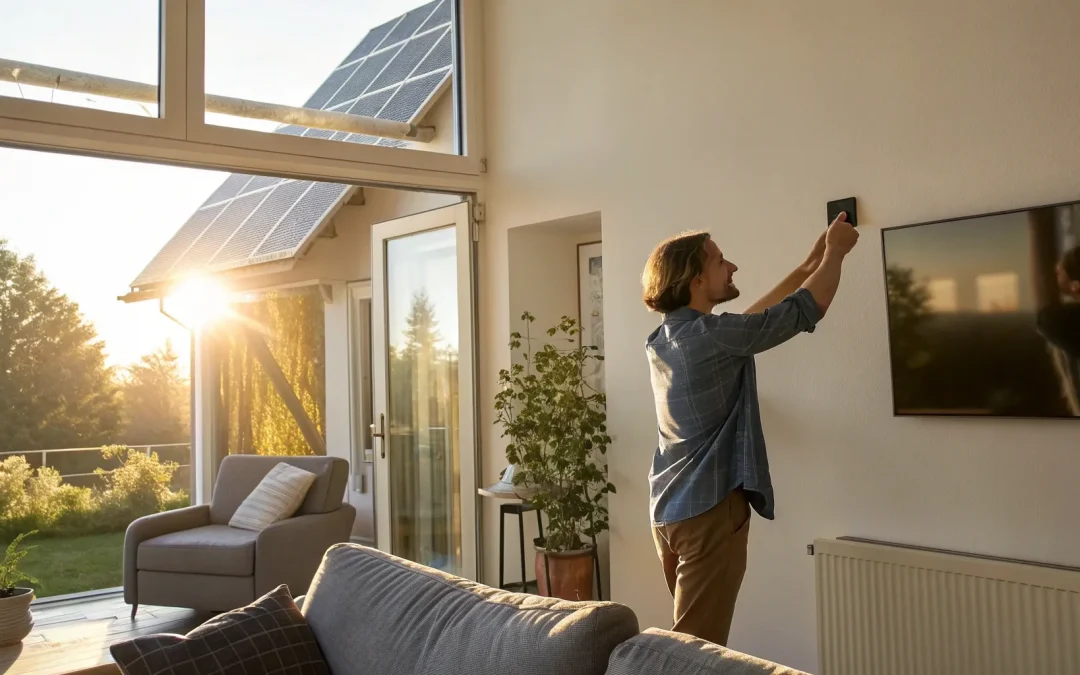
Thinking about going solar is an exciting step toward energy independence and lower bills. But before you invest in panels, there’s a crucial first step that ensures you get the most bang for your buck: an energy audit. Reducing your home’s energy waste before you generate your own power means you can often install a smaller, more affordable solar system. Understanding what is a home energy audit is key, as it provides a detailed analysis of your current consumption and identifies simple fixes. This article will explain how an audit works and why it’s the smartest move to make before going solar.
Key Takeaways
- Get a clear action plan for savings: An energy audit provides a prioritized list of improvements, showing you which fixes will have the biggest impact on your comfort and energy bills so you can invest your money wisely.
- Pinpoint problems you can’t see: A professional audit uses specialized equipment like blower doors and infrared cameras to find the hidden air leaks and insulation gaps that are the root cause of high bills and uncomfortable rooms.
- Create the perfect foundation for solar: By first improving your home’s efficiency based on the audit, you reduce your overall electricity demand, allowing you to install a more accurately sized and cost-effective solar panel system.
What Is a Home Energy Audit?
Think of a home energy audit as a check-up for your house’s energy health. It’s a top-to-bottom evaluation that shows you exactly how your home uses—and loses—energy. An energy auditor examines everything from your insulation and windows to your heating and cooling systems to pinpoint sources of waste. You’ll get a clear picture of where your energy dollars are going and a prioritized list of improvements that can make a real difference.
This assessment isn’t just about finding problems; it’s about finding solutions. The final report gives you a roadmap for making your home more efficient, which can lead to lower utility bills, a more comfortable living space, and a smaller environmental footprint. Whether your home is brand new or a century old, an audit provides the data you need to make smart, cost-effective upgrades. It takes the guesswork out of home improvements, helping you focus on the changes that will give you the biggest return on your investment.
The Goal of an Energy Audit
The main goal of an energy audit is to give you a clear understanding of your home’s energy performance. By identifying specific areas of energy loss, the audit helps you create a strategic plan to reduce waste. This ultimately leads to lower monthly energy bills and a more comfortable home year-round—think fewer drafts in the winter and less oppressive heat in the summer. It’s about making informed decisions, so you can prioritize repairs and upgrades that will have the most significant impact, ensuring your money is well spent on improvements that truly matter.
Professional vs. DIY: What’s the Difference?
You have two main options for an energy audit: doing it yourself or hiring a pro. A DIY audit is a great starting point. You can walk through your home, check for obvious air leaks around windows and doors, inspect your insulation, and review past utility bills to spot trends. This approach helps you tackle the low-hanging fruit and understand your home’s basic energy habits.
A professional energy assessment, however, is much more thorough. Certified auditors use specialized equipment like blower doors to measure air leakage and infrared cameras to detect hidden heat loss. They conduct a comprehensive, room-by-room analysis to provide a detailed report on your home’s energy performance, giving you a precise and actionable plan for improvements.
Why Get a Home Energy Audit?
Getting a home energy audit is one of the smartest moves you can make as a homeowner. Think of it as a check-up for your house, revealing exactly where you’re losing energy and money. The insights you gain go far beyond just numbers on a report. An audit gives you a clear roadmap to a more efficient, comfortable, and valuable home. It helps you make informed decisions, whether you’re planning simple DIY fixes or considering bigger upgrades like a solar panel installation. It’s the first step toward taking control of your home’s energy usage and unlocking some serious benefits. Let’s look at the key reasons why an energy audit is a worthwhile investment.
Save Money on Your Energy Bills
Let’s be honest—no one enjoys opening a surprisingly high utility bill. An energy audit is your first line of defense against rising energy costs. It pinpoints exactly where your home is wasting energy, from hidden air leaks around windows to under-insulated attic spaces. According to the U.S. Department of Energy, an audit helps you understand your home’s energy use and shows you which problems to tackle first for the biggest impact. By addressing these issues, you can significantly lower your monthly bills. It’s a practical step that puts money back in your pocket, freeing up your budget for other things you care about.
Make Your Home More Comfortable
Do you have rooms that are always too cold in the winter or too hot in the summer? Do you feel persistent drafts you just can’t seem to locate? These comfort issues are often symptoms of energy inefficiency. An energy audit acts like a diagnostic tool, uncovering the root causes of these problems, such as poor insulation or leaky ductwork. By following the auditor’s recommendations, you can create a more stable and pleasant indoor environment year-round. Making these upgrades can cut a home’s energy use by 5-30%, leading to a home that not only saves energy but feels better to live in every single day.
Reduce Your Carbon Footprint
Living more sustainably often starts at home. The energy your house consumes for heating, cooling, and electricity has a direct impact on the environment. A home energy audit provides a personalized plan to reduce your household’s energy consumption, which in turn lowers your carbon footprint. It’s a tangible way to contribute to a healthier planet. By identifying and fixing inefficiencies, you’ll use less power from the grid. This makes your home a perfect candidate for clean energy solutions, like installing solar panels, which can further reduce your environmental impact and bring your energy bills down to near zero.
Increase Your Home’s Value
An energy-efficient home isn’t just cheaper to run—it’s also more valuable. Today’s homebuyers are savvy, and they’re increasingly looking for homes with low utility costs and green features. An energy audit gives you a clear path to making improvements that are attractive to potential buyers. Having a record of energy-saving upgrades, like new insulation or a high-efficiency HVAC system, can be a major selling point. Investing in your home’s efficiency is an investment in its future market value. It shows you’ve maintained the property thoughtfully, making it a smarter, more modern, and more desirable place to live.
What Happens During a Home Energy Audit?
So, you’ve scheduled a home energy audit. What can you expect on the day of the assessment? Think of it as a comprehensive check-up for your home’s health. A professional energy auditor won’t just glance around; they’ll perform a series of tests and inspections to get a complete picture of your home’s energy performance. The entire process is designed to be thorough, identifying exactly where your home is losing energy and money.
The auditor will examine your home from top to bottom, inside and out. They’ll look at everything from your attic insulation to your basement ductwork, and they’ll use specialized equipment to uncover issues that aren’t visible to the naked eye. They’ll also want to talk with you about your energy habits and any specific comfort issues you’ve noticed, like rooms that are always too hot or too cold. This combination of homeowner insight and expert analysis is what makes a professional audit so valuable. It’s the first step toward creating a more efficient, comfortable, and cost-effective home, and it provides the perfect data to inform a potential solar panel installation.
The Initial Walk-Through
The audit begins with a conversation and a detailed walk-through. Your auditor will likely start by asking to see your past utility bills. This helps them establish a baseline for your home’s energy consumption and identify any seasonal spikes in usage. They’ll also want to hear about your concerns. Is there a drafty window in the living room? Does the second floor get stuffy in the summer? Your firsthand experience is a crucial piece of the puzzle.
Next, the auditor will conduct a thorough visual inspection of your entire property. They’ll check out the attic, basement, and every room in between, looking for obvious signs of energy waste. This includes examining insulation levels, checking the condition of windows and doors, and inspecting your heating and cooling systems. This initial tour gives the auditor a solid understanding of your home’s layout and potential problem areas before they bring out the high-tech equipment.
Testing for Air Leaks
One of the most important parts of an energy audit is the blower door test. This test is designed to find all the hidden air leaks in your home’s envelope—the barrier between the inside of your house and the outdoors. The auditor will set up a powerful, calibrated fan in an exterior doorway, which temporarily depressurizes your home by pulling air out. This makes it easy to detect drafts coming in through small cracks and gaps around windows, electrical outlets, and plumbing fixtures.
Finding and sealing these leaks is a game-changer for both comfort and efficiency. Air leakage can account for a significant portion of your heating and cooling costs. By pinpointing these problem spots, the auditor can recommend the most effective ways to seal them up, making your home less drafty and helping your HVAC system run more efficiently. Proper sealing also works hand-in-hand with solutions like solar attic fans to manage your home’s temperature.
Using High-Tech Tools to Find Issues
Beyond the blower door, auditors use a range of advanced tools to diagnose energy issues. One of the most impressive is an infrared camera. During the blower door test, the auditor may use this camera to perform a thermographic scan. This creates a visual map of your home’s surface temperatures, revealing exactly where heat is escaping in the winter or entering in the summer. The images make it easy to see missing insulation in walls or ceilings.
Auditors also perform important safety checks. They use tools like combustion analyzers and carbon monoxide detectors to ensure your furnace, water heater, and other appliances are operating safely and not releasing harmful gases into your home. This focus on health and safety is a key benefit of a professional audit, giving you peace of mind that goes beyond just saving energy.
Checking Your HVAC and Insulation
Your heating, ventilation, and air conditioning (HVAC) system is one of the biggest energy consumers in your home, so it gets a close look during an audit. The auditor will inspect your furnace, air conditioner, and ductwork to assess their age, condition, and efficiency. Leaky or poorly insulated ducts can waste a tremendous amount of energy, so they’ll check for any issues there as well.
Insulation is the other major focus. The auditor will measure the amount of insulation in your attic, walls, and floors to see if it meets recommended levels for our climate. An under-insulated attic is one of the most common sources of energy loss in a home. Based on their findings, the auditor will provide clear recommendations for improvements, helping you prioritize upgrades that will deliver the biggest savings and prepare your home for clean energy solutions like a solar panel battery backup.
How to Prepare for Your Energy Audit
An energy audit is most effective when your auditor has all the information they need. A little prep work on your end can make a huge difference in the quality of their recommendations. Think of yourself as their trusted assistant, gathering clues that will help them solve your home’s energy puzzles. By taking a few simple steps before they arrive, you can ensure the audit is thorough, targeted, and gives you a clear path forward for making your home more efficient. This preparation helps you get the most value out of the experience and sets the stage for impactful improvements. The goal is to move from identifying problems to implementing real solutions, whether that’s sealing drafts, upgrading insulation, or planning for a future solar panel installation. When your auditor understands your specific concerns and energy history from the start, they can spend less time on discovery and more time on crafting a customized action plan that fits your home and your budget. It’s a small investment of your time that pays off with better, more relevant results that will help you save money and live more comfortably.
Gather Your Utility Bills
Before your auditor arrives, pull together your energy bills from the past year. Having a full 12 months of statements gives the auditor a complete picture of your home’s energy consumption, including seasonal spikes in usage. This data is one of the most valuable tools they have. It helps them understand your baseline energy use and identify patterns that might point to specific issues, like an inefficient air conditioner in the summer or poor insulation in the winter. You don’t need to analyze them yourself—just having them ready will help your auditor connect what they find during the inspection with your actual energy spending.
Pinpoint Problem Areas in Your Home
You know your home better than anyone. Take a walk through your house and make a list of any comfort issues or problems you’ve noticed. Is there a bedroom that’s always colder than the rest of the house? Do you feel a draft near the living room windows? Have you noticed condensation on certain windows? Jot down these specific concerns. This list helps your auditor focus their investigation on the areas that matter most to you. Sharing these firsthand observations ensures they can provide tailored recommendations that address the real-world issues you experience every day, leading to a more comfortable and efficient home.
Pick the Right Day for Your Audit
When you schedule your audit, think about the timing. It’s often best to have the assessment done on a day when your energy issues are most noticeable—like a very hot or very cold day. This allows the auditor to see firsthand how your home performs under stress. For example, thermal imaging cameras work best when there’s a significant temperature difference between inside and outside. It’s also a great idea to complete an energy audit before you install new systems like solar panels or a heat pump. The audit results will help you properly size your new equipment, ensuring you don’t over or under-invest and get the most out of your clean energy technology.
How Much Does an Energy Audit Cost?
Investing in a home energy audit is one of the smartest first steps you can take toward a more efficient and affordable home. The cost is an investment that pays for itself over time through lower utility bills. While the price can vary, understanding the factors that influence it—and the financial incentives available—can help you make a confident decision.
Understanding Audit Costs
A professional home energy audit typically costs between $100 and $1,650, with the national average sitting around $416. The final price tag depends on the size of your home and how comprehensive the assessment is. A basic visual inspection will be on the lower end, while a detailed audit using tools like blower doors and infrared cameras will cost more. Before you hire an auditor, it’s a great idea to check with your local utility company. Many offer free or discounted energy assessments to their customers, which can be a fantastic starting point for identifying major energy-saving benefits.
Find Local Rebates and Programs
Beyond what your utility provider might offer, many states and local governments have programs to help you pay for energy-efficiency upgrades. These incentives are designed to encourage homeowners to make improvements that reduce overall energy consumption. The audit report is often your key to unlocking these funds, as it provides a professional roadmap of the most impactful changes you can make. You can explore the Database of State Incentives for Renewables & Efficiency (DSIRE) to find programs available in your area, from cash-back rebates to low-interest loans for new insulation or windows.
Look for Tax Credits and Incentives
Don’t forget to look at federal incentives. You can often get a tax credit for the audit itself. The current federal tax credit covers 30% of the cost of a home energy audit, up to a maximum of $150. To qualify, the assessment must be performed by a certified home energy auditor who provides a detailed report identifying the most effective ways to improve your home’s energy efficiency. This is just the beginning, as many of the upgrades recommended in your audit report—like installing new doors, windows, or even a solar panel system—come with their own substantial energy tax credits.
What to Do After Your Energy Audit
The energy audit is complete, and now you have a roadmap to a more efficient home. But a report full of data can feel overwhelming. The next step is turning that information into a clear plan. Think of your audit report as a personalized guide to saving money and making your home more comfortable. By breaking it down and prioritizing what matters, you can start making impactful changes. This is where you take control of your home’s energy usage and set the stage for long-term savings, from simple DIY fixes to bigger projects like installing solar panels.
Reading Your Audit Report
Your energy auditor provides a detailed report that breaks down their findings—it’s your home’s personal energy scorecard. You’ll see exactly where your home is losing energy, from drafty windows to an under-insulated attic. The report will also list recommended upgrades, estimated costs, and potential annual savings for each one. Take time to digest this information. Understanding where the biggest problems lie is the first step toward making the most effective improvements for your home and budget.
Prioritize Your Home Improvements
You don’t have to tackle everything at once. The key is to prioritize. Your report will likely highlight the most critical issues, but you should also consider your budget and goals. Start with the “low-hanging fruit”—simple, low-cost fixes that offer a quick return, like sealing air leaks. From there, you can plan for larger projects. Following these recommendations can reduce your home’s energy consumption by 5% to 30%, so creating a phased plan helps you manage costs while maximizing savings.
How Your Audit Informs Solar Solutions
An energy audit is one of the smartest first steps before going solar because it helps you get the most out of your investment. By fixing major energy inefficiencies first, you reduce your home’s overall electricity demand. This means you may be able to install a smaller, less expensive solar panel system to meet your needs. Your audit provides the data needed to accurately size a system that’s perfect for your newly efficient home, ensuring your solar panel installation is as effective and cost-efficient as possible.
How to Choose the Right Energy Auditor
Finding the right energy auditor is just as important as deciding to get an audit in the first place. Think of it like hiring a detective for your home’s energy use—you want someone thorough, experienced, and trustworthy. A great auditor provides a clear, actionable roadmap to a more efficient home, helping you prioritize improvements that will actually make a difference in your comfort and your utility bills. Their findings can be the perfect first step before you explore bigger upgrades, like a full solar panel installation.
The best auditors combine technical expertise with a deep understanding of how a house works as a system. They don’t just look for a single problem; they see how your insulation, HVAC system, windows, and appliances all interact. This holistic view is what separates a truly valuable audit from a simple checklist. When you find a qualified professional, you’re not just getting a report; you’re getting a personalized plan to save money and reduce your environmental impact. As a family-run company, we know the value of working with trusted experts, and we encourage you to find an auditor with a proven track record.
Check for Certifications
When you start your search, the first thing to look for is professional certification. When selecting an energy auditor, it’s crucial to ensure they have the appropriate certifications. This isn’t just a nice-to-have; it’s proof that they’ve been properly trained to use diagnostic tools and understand building science. Look for credentials from reputable organizations like the Building Performance Institute (BPI) or the Residential Energy Services Network (RESNET). Certified auditors have demonstrated their knowledge of energy efficiency standards and best practices, so you can feel confident they know exactly what they’re looking for in your home.
Questions to Ask Your Auditor
Before you hire someone, take a few minutes to ask some key questions. This will help you gauge their experience and ensure they’re a good fit for your needs. Before hiring an energy auditor, ask about their experience, the tools they use, and the specific services they offer. A professional will be happy to walk you through their process.
Consider asking:
- What specific tests are included in your audit? (Look for mentions of a blower door test and infrared thermography.)
- Can you provide a sample report so I can see what the final deliverable looks like?
- How long have you been conducting home energy audits?
- Do you also perform the recommended upgrades, or can you refer me to trusted contractors?
Red Flags to Watch For
Just as there are signs of a great auditor, there are also red flags that should give you pause. Your gut instinct is often right, so pay attention to how a potential auditor communicates with you. Be cautious of auditors who provide vague answers or seem unwilling to explain their methods. A lack of transparency can indicate a lack of professionalism or expertise. Watch out for anyone who gives you a price over the phone without asking detailed questions about your home’s size, age, and your specific concerns. High-pressure sales tactics or promises of specific savings amounts are also major warning signs. A true professional focuses on providing accurate data, not on selling you products on the spot.
Related Articles
- 9 Key Benefits of an Energy Audit for Your Home
- Home Energy Assessment: A Complete Guide
- Starting Green Initiatives Around The Home
Frequently Asked Questions
How long does a professional energy audit usually take? You can expect a thorough professional audit to take between two and four hours. The exact time depends on the size and complexity of your home. The auditor needs enough time to conduct a detailed walk-through, set up and run diagnostic tests like the blower door test, and carefully inspect your insulation, appliances, and HVAC system.
Is an energy audit worth it for a newer home? Absolutely. While older homes are known for being drafty, even new construction can have hidden energy issues. Problems like improperly installed insulation, leaky ductwork, or gaps in the building envelope can happen in any home, regardless of its age. An audit confirms your new home is performing as efficiently as it should be and helps you address any construction oversights early on.
Will the energy auditor also fix the problems they find? Typically, no. Think of an energy auditor as a doctor who diagnoses the issue, not the surgeon who performs the operation. Their job is to provide an expert, unbiased assessment of your home’s energy performance and give you a detailed report with prioritized recommendations. While some auditors may offer contracting services, most will refer you to trusted professionals to perform the actual upgrades.
What if I can’t afford to make all the recommended improvements right away? That’s completely normal, so don’t feel overwhelmed. Your audit report is a long-term roadmap, not a mandatory to-do list for next weekend. The best approach is to start with the most affordable, high-impact fixes, like sealing air leaks around windows and doors. You can then use the report to plan and budget for larger projects, like adding insulation or upgrading your HVAC system, over the next few years.
Why is it so important to get an audit before installing solar panels? Getting an audit first is a strategic move that helps you get the most out of your solar investment. By identifying and fixing energy inefficiencies beforehand, you lower your home’s overall electricity consumption. This often means you can install a smaller, less expensive solar panel system to meet your new, lower energy needs. It ensures your home is as efficient as possible, allowing your solar panels to work smarter, not harder.
Recent Comments