
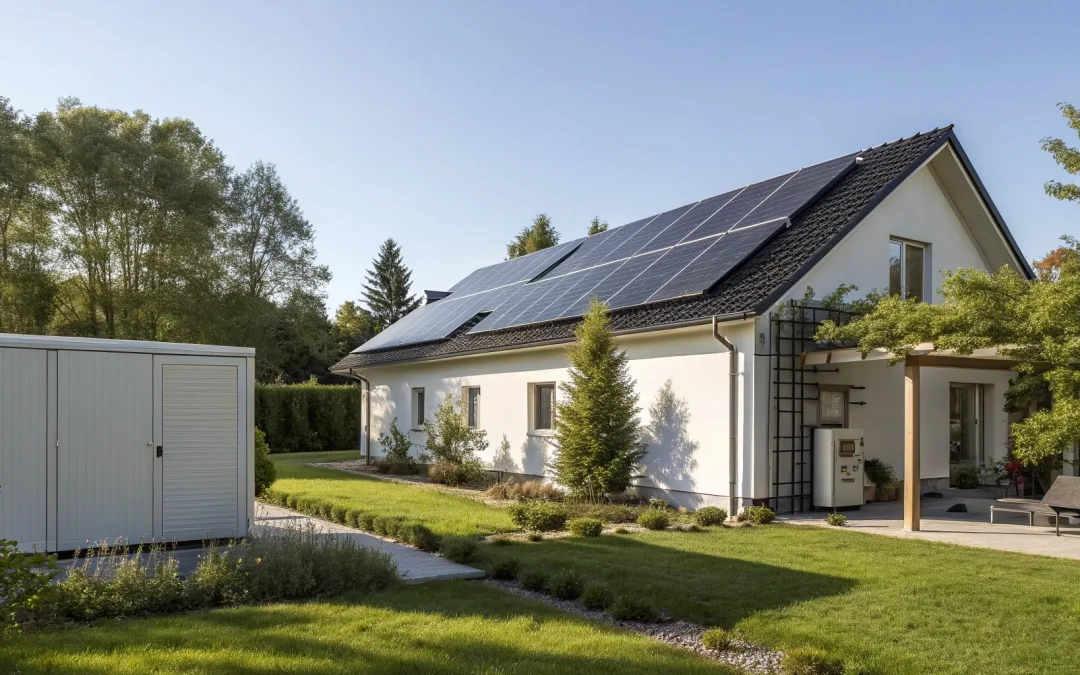
The peace of mind that comes with knowing your home is prepared for a power outage is invaluable. While solar panels provide power during the day, they are required to shut down during a grid failure for safety reasons. A solar battery changes the game completely. By storing power from solar panels, you create your own personal energy reserve that can keep your essential appliances—like the refrigerator, lights, and Wi-Fi—running smoothly when the grid goes down. This is true energy independence. We’ll explore how adding a battery backup provides security for your family and makes your home a resilient sanctuary, no matter the weather.
Key Takeaways
- Get Backup Power and Lower Your Bills: A solar battery stores your excess solar energy, giving you a personal power reserve for outages. It also lets you use that stored energy during expensive peak hours, which can significantly cut your monthly utility costs.
- Invest in a Low-Maintenance, Long-Term Solution: Today’s standard for home storage is the lithium-ion battery. This technology is popular because it’s efficient, lasts for over a decade, and is virtually maintenance-free, making it a reliable addition to your home.
- Match the System to Your Home’s Needs: The right battery depends on your energy use and goals. Start by understanding your daily electricity consumption, then partner with a trusted installer who can design a system that fits your home, explain the costs and incentives, and handle a safe installation.
How Can You Store Solar Energy?
Your solar panels are busiest during the sunniest parts of the day, but your energy needs don’t stop when the sun goes down. So, what happens to all that extra power your panels generate? Storing it allows you to use clean, solar-generated electricity anytime, day or night. Think of it as creating your own personal energy reserve.
For homeowners, there are a few different ways to approach solar energy storage. The most popular and practical method is using a solar battery, which acts like a giant, rechargeable power bank for your home. Another common approach is net metering, where you can send excess energy back to the utility grid in exchange for credits. While less common for residential use, other large-scale methods include thermal and mechanical storage. Understanding these options will help you decide which approach best fits your home’s needs and your energy goals, whether you’re aiming for lower bills or complete energy independence.
Solar Batteries
Solar batteries are the most straightforward way to store the energy your panels produce. These systems capture the excess electricity generated during the day and save it for later. When the sun sets, or if there’s a power outage, your home can draw from the stored energy in the battery instead of pulling from the grid. This ensures you have a reliable power source around the clock. A solar panel battery backup system essentially gives you energy independence, reducing your reliance on the utility company and protecting you from blackouts. It’s a direct way to make sure the clean energy you generate stays right where you need it: at home.
Net Metering
Net metering is another way to get value from your excess solar energy, though it works very differently from a battery. With a net metering policy, any surplus electricity your panels generate is sent back to the utility grid. In return, your utility company gives you credits on your bill. Essentially, the grid acts as a “virtual battery” for you, storing the value of your extra power. It’s a great way to lower your electricity costs. However, it’s important to remember that net metering does not provide backup power. If the grid goes down, your home will lose power too, since your system is connected to it. You can learn more about local policies on our FAQ page.
Thermal Storage
Thermal storage is a clever method that doesn’t store electricity directly, but rather stores heat. These systems use materials like water or molten salt to absorb and hold heat generated by the sun. This stored thermal energy can then be used later for heating your home or your water supply, or it can be converted back into electricity. While it’s an effective technology, thermal storage is more commonly used in large-scale solar thermal power plants rather than individual residential homes. For most homeowners looking to power their lights and appliances, a solar battery is a more direct and practical solution for storing energy.
Mechanical Storage
Mechanical storage methods are typically reserved for massive, utility-scale applications. These systems store energy by using physical motion. One common example is pumped-hydro storage, where excess electricity is used to pump water uphill to a reservoir. When energy is needed, the water is released to flow back downhill, spinning a turbine to generate electricity. Another method is compressed air energy storage, which uses surplus power to compress air in large underground caverns. While these are fascinating engineering solutions, they aren’t practical for a residential setting. For homeowners, battery technology remains the go-to for efficient, on-site energy storage.
How Do Solar Batteries Work?
Think of a solar battery as a personal energy piggy bank for your home. During the day, your solar panels often produce more electricity than you can use at that moment. Instead of sending all that extra power back to the grid, a solar panel battery backup system saves it for later. This means you can use clean, solar-generated energy at night, on cloudy days, or even during a power outage. It’s a straightforward way to get the most out of your solar investment and keep your lights on, no matter what.
Let’s look at how this technology works and the different types of batteries you might encounter.
The Basics of Battery Storage
Your solar panels naturally generate direct current (DC) electricity, but your home’s appliances run on alternating current (AC) electricity. That’s where a device called an inverter comes in, converting the DC power to usable AC power. A battery system works by taking the excess DC power your panels produce and storing it. When you need that stored power, the battery releases it, and it’s converted into AC electricity for your home. This simple process gives you access to your own stored solar energy whenever you need it, providing a reliable backup and reducing your reliance on the utility company.
Lithium-Ion
When you hear about solar batteries, you’re most likely hearing about lithium-ion. This is the same proven technology that powers your smartphone and electric vehicles, and it has become the gold standard for home energy storage. Lithium-ion batteries are popular for good reason: they pack a lot of energy into a compact, lightweight package, have a long lifespan of over a decade, and require virtually no maintenance. They can also handle frequent charging and discharging without losing much capacity. For most homeowners, their efficiency and reliability make them the top choice for a modern solar energy system.
Lead-Acid
Lead-acid batteries are the older, more traditional option for energy storage. You might be familiar with them as the type of battery used in most cars. Their main advantage is a lower upfront cost compared to lithium-ion. However, that initial savings comes with trade-offs. Lead-acid batteries are heavy, take up more space, and have a shorter lifespan. They also require regular maintenance to keep them running properly and contain toxic materials that need to be handled carefully at the end of their life. While they can get the job done, most modern residential solar installations have moved toward more efficient technologies.
Saltwater and Flow Batteries
You might also come across newer technologies like saltwater and flow batteries. These are still emerging in the residential market, so you won’t see them as often. Saltwater batteries use a saltwater electrolyte and are known for being environmentally friendly, but they are not as common as lithium-ion. Flow batteries are a larger-scale technology that shows a lot of promise for future efficiency and an extremely long lifespan, but they are still primarily in development for home use. While these aren’t typical options today, they represent exciting advancements to watch for in the future of energy storage.
Why Store Solar Energy? The Top Benefits for Your Home
Installing solar panels is a fantastic first step toward a cleaner, more affordable energy future. But what happens when the sun goes down or a storm knocks out the grid? That’s where energy storage comes in. Pairing your panels with a solar battery system isn’t just an upgrade—it’s a game-changer. It allows you to take full control of the power you generate, giving you security, greater savings, and true energy freedom. Let’s look at the top reasons why storing your solar energy is one of the smartest moves you can make for your home.
Gain Energy Independence
Imagine your home staying powered through a neighborhood blackout. That’s the peace of mind a solar battery provides. Storing solar energy lets you save the extra power your panels produce during the day to use whenever you need it—at night, on cloudy days, or during an outage. Instead of being completely dependent on the utility grid, you create your own personal power reserve. This means more stability and control over your home’s energy supply. A solar panel battery backup system puts you in the driver’s seat, ensuring your lights, refrigerator, and essential devices keep running no matter what’s happening outside. It’s the key to true energy self-sufficiency.
Lower Your Electricity Bills
While solar panels already cut your energy costs, a battery can help you save even more. Many utility companies have “time-of-use” rates, charging more for electricity during peak hours—typically in the evenings when everyone gets home from work and demand is high. With a solar battery, you can cleverly bypass these higher rates. Instead of buying expensive electricity from the grid, you can switch to the free, clean energy you stored earlier in the day. This strategy of using stored solar power during peak hours can significantly reduce your monthly power bills. Over time, these savings add up, making your solar investment even more valuable. You can see how much you could save with a free solar estimate.
Reduce Your Carbon Footprint
Going solar is a powerful way to help the environment, and adding a battery maximizes your positive impact. When you use stored solar power, you rely less on the grid, which often gets its energy from fossil fuels that create pollution. By keeping your excess clean energy for your own use, you ensure that your home runs on renewable power around the clock, not just when the sun is shining. This deepens your commitment to sustainability and further shrinks your household’s carbon footprint. You’re not just generating clean energy; you’re using it to its fullest potential. It’s a simple way to make an even bigger difference for the planet, one kilowatt-hour at a time.
Increase Your Home’s Value
A solar energy system is a major asset, and one with battery storage is even more appealing to potential homebuyers. A home that offers energy independence, lower utility bills, and reliable backup power stands out on the market. It signals to buyers that the home is modern, efficient, and resilient against grid failures. This added layer of security and long-term savings can translate directly into a higher property value and a faster sale. Investing in a complete solar panel installation with battery backup isn’t just an expense; it’s a smart improvement that adds tangible, lasting value to your home, paying dividends whether you stay for years or decide to sell.
How to Choose the Right Solar Storage System
Picking the right solar storage system feels like a big decision, but it doesn’t have to be overwhelming. The key is to match the technology to your home’s specific needs and your personal goals. Are you looking for a backup power source for occasional outages, or do you want to rely as little as possible on the grid? Your answer will guide you toward the right size and type of battery.
Think of it like choosing any other major appliance for your home. You’ll want to consider the performance, lifespan, and cost, but also how it fits into your daily life. A good system should work seamlessly in the background, giving you peace of mind and predictable energy bills. We’ll walk through the most important factors to consider, from understanding your energy habits to finding a system that fits your budget and space. By breaking it down step-by-step, you can feel confident in choosing a solar panel battery backup that will serve your family well for years to come.
Assess Your Energy Needs
Before you can choose a battery, you need a clear picture of how much energy your household uses. Take a look at your past utility bills to find your average daily and monthly consumption. Pay special attention to when you use the most electricity. For many of us, that’s in the morning while getting ready for the day and in the evening after the sun has gone down—exactly when your solar panels aren’t producing. Understanding these peak usage times helps determine how much storage capacity you’ll need to get through the night or a cloudy day without pulling from the grid. A professional can help you perform a detailed energy audit to get the most accurate numbers for your home.
Compare Battery Lifespan, Efficiency, and Warranty
When you start comparing battery models, you’ll see a few key specs pop up: lifespan, efficiency, and warranty. Lifespan tells you how long the battery is expected to last, typically measured in years or charge cycles. Most modern lithium-ion batteries, a common choice for home solar, last for at least 10 years. Efficiency refers to how much of the stored energy is actually usable. A higher efficiency rating means less energy is lost during the charging and discharging process. Finally, a strong warranty provides protection for your investment. Look for a warranty that covers the battery for a significant portion of its expected lifespan, giving you confidence in its long-term performance.
Consider Installation Costs and Compatibility
The cost of a solar battery system can range from around $12,000 to over $22,000, depending on the size and features you choose. While it’s a significant investment, it’s one that pays off in energy independence and lower utility bills. It’s also crucial to ensure the battery you select is compatible with your existing solar panel installation. If you’re installing panels and a battery at the same time, your installer will design a fully integrated system. If you’re adding a battery to an existing setup, they’ll make sure the new components, like the inverter, work perfectly with what you already have.
Plan for Space and Safety
Solar batteries are compact, but they still require a dedicated, safe space for installation. Garages, basements, and utility closets are common locations because they are out of the way and protected from extreme temperatures. Your installer will help you find the best spot in your home that meets all safety codes and manufacturer requirements. They’ll handle the technical side of the installation to ensure everything is set up correctly, but it’s helpful for you to think ahead about where you’d prefer the unit to be placed. A professional installation is the best way to ensure your system is both safe and easy to use.
What’s the Price Tag on Solar Energy Storage?
Let’s talk about the elephant in the room: the cost. Investing in a solar battery system is a significant decision for any homeowner, and it’s completely normal to focus on the price tag first. While there is an upfront cost, it’s crucial to see it as an investment in your home’s future, energy independence, and long-term savings. The final price isn’t just a single number; it’s a combination of the equipment, professional installation, and the incredible value you get back over time.
Think of it this way: you’re not just buying a product, you’re buying a solution. A solution that provides peace of mind during a power outage, lowers your monthly utility bills, and makes your home more self-sufficient. The total cost depends on your specific energy needs, the size of the system you choose, and the incentives available in your area. We’ll break down these components so you can get a clear picture of what to expect and understand the long-term financial benefits that make solar storage a smart move for many homeowners.
Understanding Battery System Costs
So, what can you expect to invest? A home solar battery system typically costs between $12,000 and $22,000. The final price within this range depends on a few key things. The battery’s capacity, measured in kilowatt-hours (kWh), is the biggest factor—the more energy it can store, the higher the cost. The brand and chemistry of the battery also play a role. At Renewable Energy Corporation, we partner with top-tier brands like QCELLS to ensure you get a reliable, long-lasting product. This price also includes essential components like a hybrid inverter and the professional installation needed to integrate it all seamlessly with your existing solar panels.
Factoring in Installation and Long-Term Savings
The initial investment is just one part of the financial equation. The real magic happens when you look at the long-term savings. Storing your own solar energy gives you the power to use it whenever you want, especially during peak hours when electricity from the grid is most expensive. This helps you slash your utility bills month after month. Plus, you gain the invaluable security of having backup power during an outage. No more worrying about spoiled food or being left in the dark during a storm. This combination of direct savings and reliable power makes a battery system a powerful addition to your home.
Finding Available Incentives and Financing
You don’t have to cover the entire cost on your own. Several government incentives are available to make solar storage more affordable. The most significant is the federal Residential Clean Energy Credit, which allows you to deduct a percentage of the cost of your system from your federal taxes. On top of that, many states and local utility companies offer their own rebates and programs. A trusted installer can help you identify all the incentives you qualify for. To get a personalized breakdown of costs and potential savings for your home, the best first step is to request a free solar estimate.
What Are the Challenges of Solar Storage?
Adding a solar battery to your home is a powerful step toward energy independence, but it’s wise to understand the full picture before you begin. Like any major home upgrade, solar storage comes with a few hurdles to consider. Thinking through these challenges ahead of time ensures you can make a confident decision that fits your home and budget perfectly. Let’s walk through the main considerations so you can feel fully prepared.
The Upfront Cost
There’s no getting around it: the initial price of a solar battery is a significant investment. A complete home solar battery system can be a substantial expense for many homeowners, and it’s often the biggest factor in the decision-making process. However, it’s important to view this as a long-term investment in your home’s value and energy security. Federal tax credits and local incentives can also soften the initial financial impact, making the technology more accessible. We can help you explore all the available incentives to see how they can lower your total cost and make your energy goals a reality.
Understanding Efficiency Loss
It’s a basic law of physics that you can’t get something for nothing. When a solar battery charges and discharges, a small amount of energy is lost in the process. This is known as round-trip efficiency. Think of it like pouring water from one bucket to another—you might spill a few drops. Modern lithium-ion batteries are highly efficient, often over 90%, but it’s a factor to be aware of. A lower efficiency means less of your stored solar power is available for you to use later. Choosing high-quality solar panel battery backup systems from trusted brands helps minimize this loss, ensuring you get the most out of every sunbeam.
Planning for Maintenance and Replacement
Like all batteries, solar batteries have a finite lifespan and will eventually need to be replaced. The type of battery you choose plays a huge role here. Older technologies like lead-acid batteries require more regular care and have shorter lifespans. Thankfully, today’s leading lithium-ion batteries are virtually maintenance-free and come with long warranties, often for 10 years or more. When you partner with an experienced installer, we’ll help you select a durable, low-maintenance system and explain the warranty terms, so you know exactly what to expect for years to come. This foresight ensures you won’t face any surprises down the road.
Integrating with Your Existing Solar Panels
If you already have solar panels, adding a battery isn’t always a simple plug-and-play operation. Your existing system, including the inverter, needs to be compatible with the new battery. This can sometimes add complexity and cost to the installation. The great news is that a properly integrated system is what allows you to rely less on the main power grid. Working with a certified and experienced team is crucial to ensure all the components communicate and work together flawlessly. We specialize in designing systems that seamlessly integrate a battery with your existing solar array, maximizing both performance and your energy independence.
Ready to Add Solar Storage? Your Next Steps
Feeling excited about the possibility of a solar battery? That’s great! Turning that excitement into action is easier than you might think. Taking the next step is all about understanding your needs, finding the right team, and knowing what to expect down the road. Here’s a simple, three-step plan to get you started on your solar storage journey.
Step 1: Calculate Your Home’s Energy Needs
Before you can choose a battery, you need a clear picture of how much energy your household actually uses. Solar panels generate the most electricity when the sun is shining, but most of us use the most power in the mornings and evenings. A solar panel battery backup system bridges this gap by saving the extra energy produced during the day for you to use later.
Start by looking at your past utility bills to find your average daily and monthly electricity consumption. Think about which essential appliances you’d want to keep running during a power outage—like your refrigerator, lights, and Wi-Fi. This will help determine the right size for your battery. A professional can help you with a precise calculation, ensuring your system is perfectly tailored to your home.
Step 2: Partner with a Trusted Solar Installer
Choosing the right installer is just as important as choosing the right equipment. You want to work with a team that has a proven track record, deep local knowledge, and a commitment to quality. Look for a company that is transparent about its process, uses high-quality products from trusted brands, and offers strong, long-term warranties on both parts and labor.
As a family-run business with decades of experience in the Mid-Atlantic, we understand the unique needs of homeowners in this region. A great installer will guide you through every step, from system design to final inspection. Check out reviews, ask for references, and choose a partner you feel confident will support you for years to come. You can learn more about our story and commitment to see if we’re the right fit for you.
Step 3: Plan for Long-Term Maintenance and Monitoring
One of the best things about modern solar storage systems is that they are incredibly low maintenance. Once your battery is installed, you won’t have to do much to keep it running smoothly. Your main job will be to keep the unit free of debris and occasionally check the system’s performance through a simple monitoring app on your phone or computer.
Your installer will walk you through everything you need to know about your specific system. These monitoring tools make it easy to see how much energy you’re generating, storing, and using in real-time. This visibility not only gives you peace of mind but also helps you become more aware of your energy habits. If you have questions, a reliable installer will always be there to help.
Related Articles
- Storing energy for your home with solar power batteries
- Where Do Solar Panels Store Energy?
- Solar Energy & Homeowners: Achieving Energy Independence
- Top 7 Solar Battery Storage Companies of 2025
- Solar Battery System: Your Ultimate 2025 Guide
Frequently Asked Questions
Can I add a solar battery to my existing solar panel system? Yes, you absolutely can. Adding a battery to a system you already have is a common upgrade. The process involves making sure the new battery and its components, like the inverter, are compatible with your current solar panels. A professional installer will assess your setup to design a seamless integration, allowing you to start storing your own clean energy without needing to replace your entire system.
Will I still have a utility bill if I have solar panels and a battery? For most homeowners, the answer is yes, but it will likely be much lower. While a solar and battery system can cover a significant portion, or even all, of your electricity usage, you will typically remain connected to the grid. This connection ensures you have power in rare cases where your system can’t meet your demand. You may still have a small monthly service fee from your utility company, but your energy consumption charges should drop dramatically.
How long will a solar battery power my home during an outage? The amount of time a battery can power your home depends on its storage capacity, your energy usage, and which appliances you run. A typical system is designed to power essential items like your refrigerator, lights, and medical devices for several hours or even overnight. During your consultation, we can help you determine the right size battery to meet your specific backup power goals, whether you want to keep just the basics running or power more of your home.
What’s the real difference between using a battery and just using net metering? Think of it this way: a solar battery provides you with energy security, while net metering offers financial credit. With a battery, you physically store your excess solar power at your home to use whenever you want, which is crucial for keeping your lights on during a grid outage. Net metering sends that excess power to the utility grid in exchange for a credit on your bill. It helps lower your costs but does not provide any backup power if the grid goes down.
How much maintenance does a solar battery actually require? Modern solar batteries, especially the lithium-ion models we recommend, are designed to be incredibly low-maintenance. Once installed, they operate automatically in the background without needing any regular upkeep from you. You can easily monitor their performance through a simple app, but they don’t require the routine service that older battery technologies did. It’s a set-it-and-forget-it solution that provides peace of mind for years.
Recent Comments