
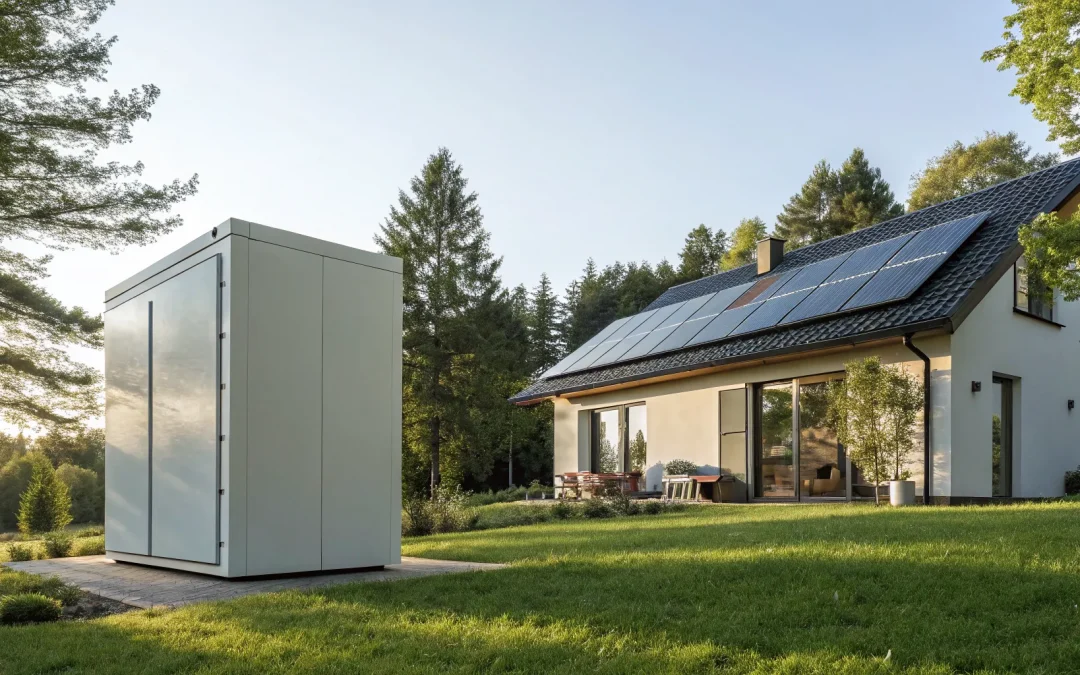
When the power goes out, life comes to a halt. But it doesn’t have to. While your neighbors are searching for flashlights, a home with a solar battery system keeps running smoothly. This is the ultimate peace of mind. The technology for storing electricity from solar panels means you have a reliable backup power source ready at a moment’s notice. Your lights stay on, your refrigerator keeps running, and your essential devices remain charged. It’s a seamless transition that protects your family and home from the disruption of grid failures. This guide will explain how a solar panel battery backup provides this essential security, ensuring you’re prepared for anything, no matter the weather.
Key Takeaways
- Store Energy for Savings and Security: A solar battery lets you use your own stored power during expensive peak-rate hours and keeps your home running during a grid outage. This gives you greater control over your electricity bills and provides essential peace of mind.
- Prioritize Modern Battery Technology: For residential use, lithium-ion batteries are the industry standard. They offer the best long-term value with a 10- to 15-year lifespan, high efficiency, and minimal maintenance compared to older technologies.
- Get a Custom Solution for Your Home: The right battery system is not one-size-fits-all. A qualified installer will analyze your energy consumption to recommend the correct battery size and ensure it integrates perfectly with your solar panels for a safe, efficient setup.
How Can You Store Solar Energy?
So, your solar panels are soaking up the sun’s rays all day. But what happens when the sun goes down or on a cloudy day? That’s where energy storage comes in. Storing the excess energy your panels produce allows you to use clean, solar power 24/7. While there are a few different technologies out there, they all work toward the same goal: giving you power on your own terms. Let’s look at the most common ways to store solar energy.
Battery Storage
For homeowners, the most straightforward and popular way to store solar power is with a solar panel battery backup. Think of it as a giant, rechargeable battery for your house. These systems typically use lithium-ion batteries, which are known for their long lifespan and high efficiency. When your panels generate more electricity than you’re using, the extra power charges the battery. Then, at night or during an outage, your home can draw from that stored energy instead of pulling from the grid. It’s a reliable and increasingly affordable way to maximize your solar investment and keep the lights on no matter what.
Thermal Storage
Another method is thermal storage, which captures the sun’s energy as heat instead of electricity. This approach uses materials like water or molten salt to absorb and hold heat collected by solar panels. Later, that stored heat can be released to boil water, create steam, and turn a turbine to generate electricity when needed. While it’s a very effective technology, thermal storage is typically used in large-scale, commercial solar power plants rather than for individual homes. It’s a fascinating piece of the renewable energy puzzle, but you likely won’t be installing molten salt tanks in your backyard anytime soon.
Mechanical Storage
Mechanical storage works by converting excess electricity into a form of potential or kinetic energy. The most common example is pumped-hydro storage. In this system, surplus solar power is used to pump water from a lower reservoir to an upper one. When electricity is needed, the water is released, flowing back down through turbines to generate power. Other forms include using energy to spin a flywheel at high speeds or to compress air in a large container. Like thermal storage, these methods are brilliant for utility-scale applications but aren’t practical for residential energy storage.
How Do Solar Batteries Work?
Think of a solar battery as a rechargeable power bank for your entire home. During the day, your solar panels often produce more electricity than your home is using. Instead of sending all that extra power back to the grid, a solar panel battery backup system captures and stores it for later. When the sun goes down, or during a power outage, your home automatically draws from the battery to keep your lights on, your refrigerator running, and your devices charged.
The magic happens inside the battery, where chemical reactions store the electrical energy. When your home needs power, the battery reverses that process to release it. This cycle of charging and discharging allows you to use clean, solar-generated energy 24/7, giving you more control over your power supply and reducing your reliance on the utility company. The specific technology inside the battery determines its efficiency, lifespan, and cost. Most modern home energy storage systems rely on one of a few key types of battery chemistry, with lithium-ion being the most common choice for homeowners today. Understanding the differences between these types will help you choose the right system for your home’s needs and your budget.
Lithium-Ion Batteries
If you have a smartphone or a laptop, you’re already familiar with lithium-ion technology. These batteries are the most popular choice for home solar storage for good reason. They are highly efficient, meaning very little energy is lost during the charging and discharging process. They’re also more compact and lightweight than other options, so they take up less space in your garage or utility room. With a typical lifespan of 10 to 15 years and thousands of charge cycles, they are a durable, low-maintenance solution for storing solar energy long-term.
Lead-Acid Batteries
Lead-acid batteries are the older, more traditional technology in energy storage. You’ve likely seen them used in cars for decades. Their main advantage is a lower upfront cost, which can make them an attractive option for those on a tighter budget. However, they come with some trade-offs. Lead-acid batteries are bulkier, heavier, and have a shorter lifespan, typically lasting between 5 and 10 years. They also require regular maintenance and must be installed in a well-ventilated area. While they get the job done, most homeowners find the convenience and longevity of lithium-ion batteries to be a better investment.
Flow Batteries and New Tech
The world of battery technology is always evolving, and some exciting new options are on the horizon. Flow batteries are one such innovation. Unlike conventional batteries, they store energy in external liquid electrolyte tanks. This design could eventually allow for more efficient, reliable, and longer-lasting storage. However, this technology is still largely in the testing phase and isn’t widely available for residential use just yet. For now, these emerging battery types represent the future of energy storage, while lithium-ion remains the proven, go-to choice for today’s homeowners.
Why Should You Store Solar Energy?
Installing solar panels is a fantastic first step toward a more sustainable and affordable energy future. But what happens to all that extra power your panels generate on a sunny afternoon? Instead of sending it all back to the grid, you can store it for later use. Think of it as creating your own personal energy reserve. A solar panel battery backup system gives you more control, security, and value from the energy you produce right on your rooftop. It transforms your home from a simple energy consumer into a self-sufficient power hub, ready for anything from a stormy night to peak-hour electricity rates. Let’s look at the key reasons why storing your solar energy is such a smart move.
Gain Energy Independence from the Grid
One of the most empowering aspects of storing solar energy is the ability to become more self-sufficient. When you have a battery, you’re less dependent on the public power grid for your daily needs. Your home runs on the clean energy you’ve generated and saved, giving you a greater sense of security and control. This independence means you’re insulated from your utility company’s fluctuating rates and policies. Instead of being subject to their terms, you rely on your own power supply first. It’s a powerful feeling to know that your home is powered by the sun, day or night, giving you true energy freedom.
Save Money on Your Electric Bills
A solar battery can have a big impact on your monthly budget. Many utility companies have “time-of-use” rates, where electricity costs more during peak hours of demand, like in the evenings when everyone gets home from work. With a battery, you can use your stored solar energy during these expensive periods instead of buying power from the grid. According to Aurora Solar, this strategy is especially effective if your utility doesn’t offer favorable rates for the excess solar power you send back. By using your own stored energy, you can significantly lower your electricity bills and make your solar investment even more profitable.
Get Backup Power During Outages
Power outages are more than just an inconvenience; they can disrupt your life and work. A solar battery provides reliable backup power, keeping your home running smoothly when the grid goes down. While your neighbors are in the dark, your lights, refrigerator, and essential devices can stay on. This is a game-changer for anyone who works from home or has critical medical equipment. As noted by Solar Reviews, a battery keeps your lights on when you need them most. It offers peace of mind, ensuring your family stays safe and comfortable during unexpected blackouts caused by storms or grid failures.
Increase Your Home’s Value
Investing in a solar storage system isn’t just good for your bills; it’s good for your property value. A home equipped with solar panels and a battery is a major selling point for potential buyers. They see a house that offers lower energy costs, protection from outages, and a smaller carbon footprint. This makes your home more attractive on the market and can lead to a higher resale price. Think of it as a future-proof upgrade. As more people seek out resilient and sustainable living solutions, a home with its own reliable power source becomes an incredibly valuable asset.
What Does a Solar Storage System Cost?
Let’s talk about the numbers. Adding a solar battery to your home is a significant investment, but it’s important to understand what goes into the price tag. The total cost isn’t just about the battery itself; it’s a complete package that includes the equipment, professional installation, and the long-term value it brings to your home and your energy bills.
The final price depends on several factors, like the size and type of battery you choose, the complexity of the installation, and any upgrades needed for your existing solar setup. While the initial outlay might seem high, breaking it down into the upfront investment, long-term costs, and potential returns can give you a much clearer picture. Plus, with various incentives and financing options available, a solar storage system is more accessible than you might think. We’ll walk through each of these cost components so you can make an informed decision for your home.
The Initial Investment
The upfront cost of installing a solar panel battery backup system typically ranges from $12,000 to $20,000. This price generally covers the battery unit, a compatible inverter to manage the flow of energy, and the complete installation by certified professionals. The specific cost for your home will depend on the battery’s capacity—measured in kilowatt-hours (kWh)—and its chemistry. Lithium-ion batteries are the modern standard, offering longer lifespans and better performance, which can influence the initial price. Getting a custom quote is the best way to understand the exact investment required for your energy needs.
Long-Term Maintenance and Replacement
One of the great things about modern solar batteries is that they require very little maintenance. However, like all batteries, they do have a limited lifespan. The type of battery you choose plays a big role here. While older lead-acid batteries might last 5 to 10 years, today’s advanced lithium-ion batteries typically have a lifespan of 10 to 15 years or more. When you’re comparing systems, pay close attention to the manufacturer’s warranty. A strong warranty not only protects your investment but also serves as a good indicator of the battery’s quality and expected longevity, ensuring you get the most out of your system for years to come.
Your Return on Investment (ROI)
A solar battery delivers a return on your investment in several ways. Financially, it helps you save money by maximizing the use of the free energy your panels produce. Instead of sending excess power back to the grid for minimal credit, you can store it and use it during the evening or on cloudy days. This is especially valuable if your utility company has “time-of-use” rates, allowing you to avoid paying higher prices during peak hours. Beyond the financial savings, the benefits of going solar with storage include energy independence, reliable backup power during outages, and reducing your home’s carbon footprint.
Available Incentives and Financing
You don’t have to cover the entire cost of a solar battery on your own. Several financial incentives can make it much more affordable. The most significant is the federal solar tax credit, which allows you to deduct a percentage of the cost of your solar energy system, including the battery, from your federal taxes. You can learn more about this incentive directly from the Department of Energy. Many states and local utility companies also offer their own rebates or programs. To find out exactly what you qualify for and explore financing options, it’s best to get a free estimate from a local solar expert.
How to Choose the Right Solar Storage System
Picking the right solar storage system feels like a big decision, but it doesn’t have to be overwhelming. It really comes down to matching the technology to your family’s specific needs and goals. Are you looking for a simple backup for essentials during a power outage, or do you want to run your entire home on solar power around the clock? Thinking through a few key factors will help you find the perfect fit.
The main things to consider are your home’s energy consumption, the physical size of the battery you’ll need, how the system will integrate with your solar panels, and the long-term value you’ll get from warranties and performance. By breaking it down step-by-step, you can confidently choose a system that gives you reliable power, lower utility bills, and greater energy independence for years to come. Let’s walk through what you need to know.
Assess Your Home’s Energy Needs
Before you can choose a battery, you need a clear picture of your energy consumption. The best place to start is by looking at your past utility bills. Check your monthly and annual kilowatt-hour (kWh) usage to establish a baseline. Think about when your family uses the most electricity—is it during the day or in the evening? Storing solar energy helps you use the sun’s power even when it’s dark or cloudy, so understanding your patterns is key. Also, consider any future changes that might increase your energy use, like buying an electric vehicle or adding a new appliance. A professional can help you get a precise picture of your needs and design a system to match.
Determine the Right Battery Size
Once you know how much energy you use, you can figure out the right battery size, or capacity. Battery capacity is measured in kWh. A smaller battery might be enough to keep your lights, refrigerator, and Wi-Fi running during a brief outage. However, if you want to power your entire home without much help from the grid, you’ll likely need several solar batteries stacked together. A typical home solar panel battery backup system can range from $12,000 to $22,000, so sizing it correctly ensures you’re only paying for the storage you truly need. It’s a balance between your daily energy use, your budget, and your desire for energy independence.
Ensure System Compatibility
Your solar energy system has several components that need to work together seamlessly: the solar panels, the battery, and the inverter. The inverter is especially important, as it acts as the brain of the system, directing power from the panels to your home, the grid, or the battery. When you add a battery to an existing solar panel installation, you need to make sure it’s compatible with your current setup. Choosing a high-quality, integrated system from the start is the easiest path. Working with an experienced installer ensures all your components, from the panels to the solar panel inverters, are designed to function as a unified, efficient system.
Compare Warranties and Performance
A solar battery is a long-term investment, so you want to be sure it’s built to last. When comparing options, look closely at the warranty. Key terms to check are the warranty period (often 10 years or more), the number of cycles (how many times it can be charged and discharged), and the guaranteed capacity at the end of the warranty. Lithium-ion batteries are a popular choice because they last longer and require less maintenance. For example, some modern batteries can be used daily for at least 10 years while still retaining a high percentage of their original capacity. A strong warranty reflects the manufacturer’s confidence and protects the long-term benefits of your investment.
What to Consider with Solar Energy Storage
Adding a battery to your solar panel system is an exciting step toward energy independence. But before you make the move, it’s smart to understand the key factors involved. Thinking through the initial cost, the battery’s long-term performance, and the practical details of installation will help you make a confident and informed decision for your home. Let’s walk through what you need to know.
The Upfront Investment
Let’s talk numbers first. Installing a home solar panel battery backup system typically costs between $12,000 and $22,000. This price includes the battery itself, related components, and professional installation. While that’s a significant investment, it’s important to see it as part of your long-term energy strategy. Cheaper options like lead-acid batteries exist, but modern lithium-ion batteries offer the best overall value. They perform better, last much longer, and require less maintenance, making them a smarter choice for the future. The best way to understand the cost for your specific home is to get a free solar estimate.
Battery Lifespan and Performance
A solar battery isn’t something you’ll have to replace every few years. High-quality lithium-ion batteries generally last 10 to 15 years, giving you over a decade of reliable energy storage and peace of mind. During its lifespan, the battery will efficiently store the excess power your panels generate during the day. A fully charged battery can typically power your essential appliances for one to five days, depending on its size and your usage. This is more than enough to get you through a temporary power outage or to simply reduce your reliance on the grid during cloudy weather.
Installation and Space Requirements
Solar batteries are powerful pieces of equipment, and they do require some dedicated space. They are often installed in a garage, basement, or utility room where they are out of the way but still accessible for maintenance. The biggest consideration here is that installation is not a DIY project. A professional solar panel installation team is essential to ensure the system is connected safely and correctly. Our certified technicians handle the entire process, from finding the perfect spot for your battery to integrating it seamlessly with your existing solar array and home electrical system.
Your Solar Storage Installation: What to Expect
Once you’ve decided to add a solar battery to your home, the next step is the installation. This process is straightforward when you work with an experienced team. A professional installation ensures your system runs safely and efficiently for years to come. From the initial consultation to the final connection, here’s a clear look at what happens when you bring solar energy storage to your home.
Finding a Qualified Solar Installer
Choosing the right installer is the most important decision you’ll make. You’re not just buying a product; you’re investing in a long-term relationship with the company that will set up and support your system. Look for a team with proven experience, proper licensing, and insurance. Customer reviews and testimonials can offer great insight into a company’s track record. As Maryland’s oldest family-run solar firm, we believe in building trust through transparent communication and high-quality work. A qualified installer will answer all your questions and make you feel confident in your investment.
The Installation and Safety Process
The installation begins with a thorough site assessment. A technician will evaluate your home’s energy needs, roof condition, and sun exposure to design a system that’s perfect for you. Once the plan is finalized, the installation team gets to work. This involves mounting the solar panels, connecting the inverter, and setting up your solar panel battery backup. Professionals handle all the wiring and electrical connections, following strict safety protocols to ensure everything is secure and up to code. The entire process is managed for you, making your transition to solar power smooth and worry-free.
Planning for Ongoing Maintenance
Modern solar storage systems are built to last and require minimal upkeep. However, a little planning for ongoing maintenance will keep your system performing at its best. This typically involves monitoring your battery’s health through its software and occasionally cleaning your solar panels to clear away any debris. Your installer should provide you with a clear maintenance schedule and instructions. It’s also wise to ask about long-term support and warranties. A reliable partner will be there to help you get the most out of your system and answer any questions that come up down the road.
Related Articles
- Where Do Solar Panels Store Energy?
- Storing energy for your home with solar power batteries
- Battery Tech: Powering the Future of Solar Energy
- Battery Storage Solutions Revolutionizing Solar Energy 2024
- Top 7 Solar Battery Storage Companies of 2025
Frequently Asked Questions
How long can a solar battery actually power my home during an outage? This really depends on the size of your battery and what you choose to run. A standard battery system can typically power essential appliances like your refrigerator, lights, and Wi-Fi for several hours or even a full day. If you have a larger battery bank, you could potentially run your entire home for a day or more. The key is to decide what’s most important to you during an outage so we can design a system that meets those specific needs.
Can I add a battery to my existing solar panel system? Yes, in most cases you absolutely can. This is a common upgrade for homeowners who already have solar panels. The process involves adding the battery and ensuring it’s compatible with your current inverter and setup. An experienced installer can assess your system and recommend the best way to integrate a battery, allowing you to start storing your own power without needing a complete overhaul.
Will a solar battery save me money if my utility company already offers net metering? While net metering is a great benefit, a solar battery offers a different kind of value. It gives you security and control. Net metering won’t help you during a power outage, but a battery will keep your lights on. Additionally, if your utility has time-of-use rates that charge more for electricity in the evening, you can use your stored battery power during those expensive peak hours instead of buying from the grid, leading to even greater savings.
What’s the difference between powering essential appliances and my whole house? When we talk about powering essentials, we’re referring to a setup that keeps critical devices running during an outage—think your refrigerator, some lights, and outlets for charging your phone. A whole-home backup system is more robust and is designed to power everything, including larger appliances like your air conditioner or electric vehicle charger. The right choice depends on your goals and budget, and we can help you figure out the perfect balance.
How much maintenance does a solar battery really require? Modern lithium-ion batteries are designed to be incredibly low-maintenance. Unlike older battery technologies that required regular check-ups, today’s systems are largely self-sufficient. You can monitor their performance through a simple app on your phone, but they don’t require any hands-on work from you. The system takes care of itself, giving you reliable power without adding to your to-do list.
Recent Comments