
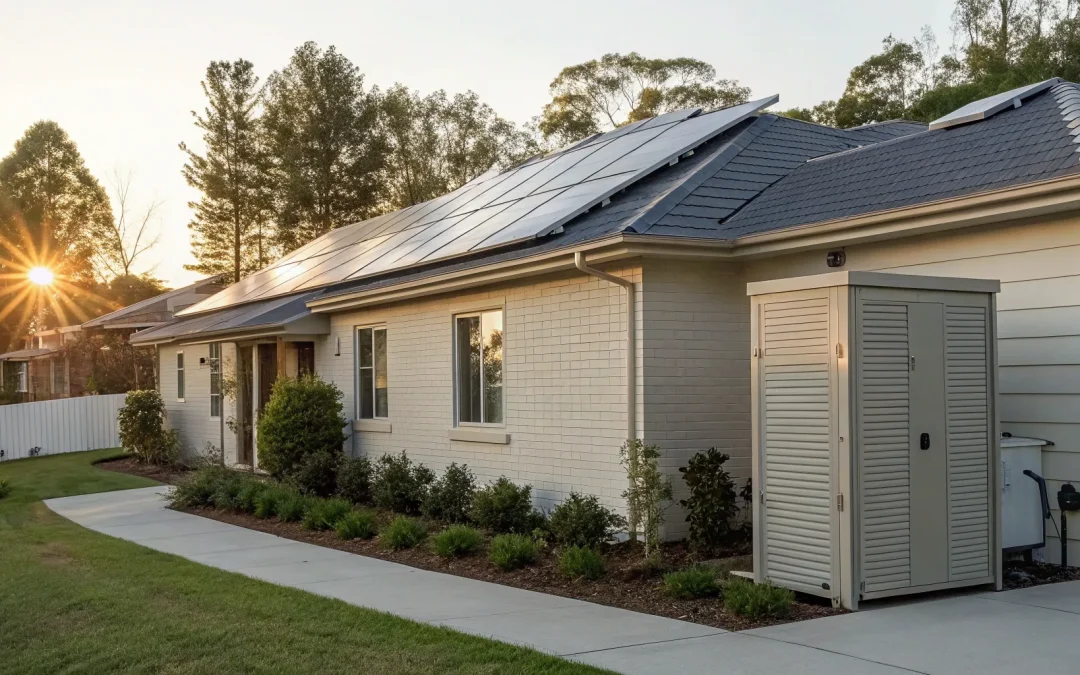
You probably have a portable power bank to charge your phone on the go. It’s a simple concept: store energy when you can, and use it when you need it. Now, apply that same logic to your entire home. That’s exactly what a solar panel with battery storage system does. During the day, your panels often generate more than enough electricity to power your home. The battery captures all that surplus energy, creating your own private power reserve. When the sun goes down or a storm rolls through, your home seamlessly switches to using that stored energy, transforming your house into a self-sufficient energy hub.
Key Takeaways
- Achieve true energy independence: A solar battery stores your excess solar energy, giving you a personal power reserve to use at night, during cloudy weather, or when the grid goes down.
- Focus on long-term value, not just upfront cost: A reliable system is built on quality components with strong warranties. Factor in the 30% federal tax credit and local incentives, which make a high-quality battery system a financially sound investment.
- Partner with a certified local expert: The quality of your installation is just as important as the equipment. A certified, local installer understands regional codes and incentives, ensuring your project is done right and supported for years to come.
What Are Solar Panels With Battery Storage?
Think of a solar battery as a power bank for your entire home. A standard solar panel system generates electricity when the sun is shining, which is fantastic for powering your home during the day. But what happens to all that extra energy your panels produce, especially on long, sunny afternoons? Without a battery, that excess power is typically sent back to the utility grid.
Adding a solar panel battery backup changes the game. Instead of sending that extra energy away, you store it for later. This means you can use your own clean, solar-generated power at night, on cloudy days, or even during a power outage. It’s a simple addition that transforms your solar panel installation from a part-time energy producer into a full-time, reliable power source for your home, giving you more control and peace of mind.
How a Solar Battery System Works
The process is pretty straightforward. During the day, your solar panels capture sunlight and convert it into electricity to power your home. If the panels produce more energy than your home is using at that moment, the surplus electricity is used to charge your solar battery. Once the sun sets or if a storm rolls in, your home automatically starts drawing power from the battery instead of pulling it from the utility grid. This seamless transition ensures you always have power, and during a grid outage, a charged battery can keep your essential appliances running for a significant amount of time.
The Key Components You Should Know
A complete solar-plus-storage system has a few key parts working together. First, you have the solar panels themselves, which do the heavy lifting of capturing sunlight. Then there’s the solar battery, which stores your excess energy. A critical piece of the puzzle is the solar panel inverter, a device that converts the direct current (DC) energy from your panels into alternating current (AC) that your home’s appliances can use. The system also includes racking to mount the panels securely and a monitoring system that lets you track your energy production in real-time. To qualify for the federal solar tax credit, your battery system must have a capacity of at least 3 kilowatt-hours (kWh).
Why Add a Battery to Your Solar Panels?
Pairing your solar panels with a battery storage system is like giving your home its own personal energy reserve. While a standard solar panel installation is fantastic for generating clean energy when the sun is shining, a lot of that power gets produced in the middle of the day when you might not be home to use it. Without a battery, that excess energy is typically sent back to the grid, and you might only get a small credit from your utility company.
Adding a solar panel battery backup changes the game entirely. It captures and stores all that extra solar energy your panels produce, so you can use it whenever you need it—in the evening, on a cloudy day, or even during a power outage. This simple addition gives you more control over your home’s power, greater energy independence, and the peace of mind that comes with having a reliable backup plan. It’s about making the most of the clean energy you’re already creating, reducing your reliance on the grid, and ensuring your home stays powered no matter what. It transforms your solar system from just a power generator into a complete home energy solution, putting you in the driver’s seat of your energy consumption and savings.
Gain Energy Independence and Backup Power
One of the most empowering benefits of solar with battery storage is gaining a significant degree of energy independence. Instead of being completely reliant on the utility company and its fluctuating rates, you get to use your own stored solar power. This insulates you from unpredictable price hikes and gives you a stable, reliable source of energy you can count on. You’re no longer just a consumer of energy; you’re a producer with your own private power supply. This shift gives you more control over your home and your budget, creating a more self-sufficient and resilient household.
Use More of the Solar Energy You Generate
Without a battery, you can only use solar power as it’s being generated. Any excess electricity your panels produce during peak sun hours gets sent back to the grid. A solar battery lets you capture that surplus energy for later. Think of it as an energy savings account. You can “deposit” solar power during the day and “withdraw” it at night when your panels aren’t producing. This allows you to use more of your own clean energy and rely less on pulling power from the utility, especially during expensive peak evening hours. It’s the smartest way to maximize your solar investment.
Stay Powered During an Outage
Power outages are more than just an inconvenience; they can disrupt your life and work. A solar panel battery backup system provides seamless, automatic power the moment the grid goes down. While your neighbors are in the dark, your essential appliances—like the refrigerator, lights, and Wi-Fi—can keep running. Because the battery can recharge with solar energy during the day, you can potentially keep your home powered for an extended period. This provides invaluable security and comfort, ensuring your family stays safe and connected when you need it most.
Lower Your Energy Bills Over Time
A solar battery helps you save money by giving you control over when you use electricity from the grid. Many utility companies have “time-of-use” rates, where electricity costs more during peak demand hours, like in the evenings. With a battery, you can use your stored solar power during these expensive periods instead of buying it from the utility. This strategic energy use can lead to significant long-term savings on your monthly bills. While there is an upfront investment, the combination of energy savings and available incentives makes it a financially sound decision for many homeowners. You can always get a free estimate to see what your potential savings could be.
What to Look For in a Solar Battery System
When you start exploring solar batteries, you’ll quickly realize they aren’t all the same. Choosing the right one for your home involves more than just picking the biggest or most popular brand. It’s about finding a system that fits your energy needs, your home’s setup, and your budget. Think of it as a long-term investment in your home’s energy future. You’ll want to consider several key factors to ensure you get a reliable, efficient, and safe system that delivers on its promises.
From the power of your solar panels to the capacity of the battery itself, every component plays a crucial role. You’ll also need to think about the warranty that backs up your investment and the compatibility of all the parts working together. It might sound like a lot, but breaking it down makes the process much more manageable. We’ll cover the essential features to compare, from performance metrics like capacity and efficiency to practical considerations like safety ratings and warranty coverage. Understanding these elements will help you feel confident in your decision and ensure your solar panel battery backup system serves you well for years to come. Let’s walk through the five most important things to look for.
Panel Efficiency and Power Output
Before a battery can store energy, your solar panels have to generate it. The efficiency and power output of your panels directly impact how quickly and effectively your battery charges. Highly efficient panels can produce more electricity from the same amount of sunlight, which is especially useful on overcast days or during the shorter days of winter. Modern solar panel installation uses technology that provides more than enough power to meet your home’s needs and keep your battery topped off, often at a cost below what you’re currently paying your utility company. A powerful solar array ensures your battery has a steady supply of clean energy to draw from when you need it most.
Battery Capacity and Lifespan
Battery capacity, measured in kilowatt-hours (kWh), tells you how much energy the battery can store. Think of it like the size of a fuel tank—a larger capacity means you can power your home for a longer period during an outage. To qualify for the federal solar tax credit, your battery must have a capacity of at least 3 kWh. You’ll also want to consider the battery’s lifespan, which is often measured in cycles. A cycle is one full charge and discharge. A quality battery from a brand like Enphase is designed to last for thousands of cycles, giving you over a decade of reliable performance and peace of mind.
Warranty and Durability
A solar battery is a significant addition to your home, and you want to know it’s protected. A strong warranty is a sign that the manufacturer stands behind its product. Look for warranties that cover performance, workmanship, and durability for at least 10 years. This ensures your system will maintain a certain level of performance over time. Durability is also key. Modern solar batteries are built to be resilient and can last a long time, providing power through outages year after year. As a family-run company, we prioritize products with long-term warranties that give our customers confidence in their investment.
Safety and Temperature Ratings
It’s natural to have questions about safety, but modern solar batteries are designed with multiple safety features. They include advanced monitoring systems that prevent overcharging and overheating. Reputable brands undergo rigorous testing to meet strict safety standards. It’s also important to check the battery’s temperature rating, especially in the Mid-Atlantic region where we experience both hot summers and cold winters. The battery needs to operate efficiently within your local climate. A professional installation is the most critical step in ensuring your system is safe, so always work with a certified and experienced installer.
Inverter and System Compatibility
The inverter is the brain of your solar energy system. It converts the direct current (DC) electricity from your solar panels into alternating current (AC) electricity that your home can use. In a battery system, a hybrid or storage-ready solar panel inverter also manages the flow of energy to and from your battery. It’s essential that your inverter, battery, and panels are all compatible and designed to work together seamlessly. A well-integrated system, like those from our partner Enphase, operates more efficiently and reliably. This synergy also makes it easier to take advantage of utility incentives for battery storage, which can help shorten your system’s payback period.
Top Solar Panel and Battery Brands to Consider
Choosing the right solar equipment can feel a lot like buying a new car. You want something reliable, efficient, and built to last for years to come. With so many brands on the market, it’s easy to get overwhelmed by technical specs and competing claims. The good news is that the industry has clear leaders known for their quality, performance, and strong warranties. A great solar system starts with great components, from the panels on your roof to the battery that stores your power for when you need it most. Investing in reputable brands ensures your system will perform optimally for decades, protecting your home and your wallet.
At Renewable Energy Corporation, we’ve spent decades vetting and installing different technologies, so we know what works best for homes in our region. We believe in transparency, which is why we want to walk you through the brands we trust and other top names you might encounter in your research. This will help you make an informed decision that gives you peace of mind and delivers the energy savings you’re looking for. Think of this as your cheat sheet for the best hardware in the solar world, so you can feel confident about the technology powering your home’s future.
Our Trusted Partners: QCELLS and Enphase
When it comes to solar panel installation, we consistently recommend QCELLS. They are a top-tier manufacturer known for high-quality, durable panels that are assembled right here in the U.S.A. What really gives homeowners peace of mind is their 25-year product and performance warranty, which is one of the strongest in the industry. For the brains of the operation, we turn to Enphase. Their advanced microinverters and energy management systems work seamlessly to create a powerful solar panel battery backup. Enphase technology helps you get the most out of every single panel and ensures you have reliable power during an outage. We partner with them because their products are proven to be efficient and dependable.
Other Industry Leaders to Know
While we stand by our partners, we want you to be familiar with other respected names in the solar space. For solar panels, brands like SunPower, LG Solar, and Panasonic are also recognized for their high efficiency and performance. According to industry experts, these are some of the top solar panel manufacturers available today. On the battery storage front, you’ll likely hear about Tesla’s Powerwall, a popular choice for residential use. LG Chem is another major player making cutting-edge battery technologies. Knowing these brands gives you a broader understanding of the market as you explore your options for a home solar system.
Understanding the Cost of Solar With Battery Storage
Let’s talk about the numbers. Investing in a solar panel system with battery storage is a significant decision for any homeowner, and the cost is naturally a top concern. The final price tag depends on several factors, including the size of your system, the specific components you choose, and your home’s unique energy needs. Think of it not just as a purchase, but as a long-term investment in your home’s value and your energy independence. The good news is that a combination of financing options, tax credits, and local incentives can make this powerful upgrade much more accessible than you might think.
Breaking Down the Price Tag and Financing
When you start looking at complete solar kits with batteries, you’ll see prices that can range from around $22,000 to over $60,000. This variation comes down to the system’s capacity—how much power it can generate and store. A larger home with higher energy consumption will need a more robust system than a smaller one. The brand and quality of the solar panel battery backup and inverters also play a role. While the upfront cost can seem high, it’s important to remember that various financing options are available to help spread the cost over time. The best way to get a clear picture for your specific situation is to get a free solar estimate tailored to your home.
Finding Savings with Tax Credits and Incentives
One of the biggest financial perks of going solar is the federal Residential Clean Energy Credit. Thanks to the Inflation Reduction Act, homeowners can get a tax credit for 30% of the total cost of their solar energy system, including battery storage. This isn’t just a deduction; it’s a dollar-for-dollar reduction in the federal income tax you owe. To qualify, your battery must have a capacity of at least 3 kilowatt-hours (kWh). This single incentive can dramatically reduce the net cost of your installation, making the path to energy independence much more affordable.
Exploring Rebates and Net Metering Programs
Beyond the federal tax credit, many states and even local utility companies offer their own programs to encourage homeowners to adopt solar energy. These can include cash rebates, property tax exemptions, and performance-based incentives. For example, some programs offer a certain dollar amount back for each kilowatt-hour of battery capacity you install. Another major financial benefit is net metering. This policy allows you to send any excess electricity your panels generate back to the grid in exchange for credits on your utility bill. These state-specific benefits can further shorten your payback period and increase your long-term savings.
Common Myths About Solar Battery Storage, Busted
When you’re exploring a big home upgrade like solar energy, it’s easy to get tangled in a web of myths and misinformation. You’ve probably heard a few things about solar batteries that gave you pause. Are they really worth it? Do they even work when it’s not sunny? Let’s clear the air and tackle some of the most common misconceptions about solar battery storage head-on. Getting the facts straight will help you feel confident about making the switch to clean, reliable home energy.
Myth: Solar Doesn’t Work on Cloudy Days
This is one of the most persistent myths out there, but it’s simply not true. While your solar panels are most productive on bright, sunny days, they absolutely still generate electricity when it’s overcast. Modern panels are designed to capture diffused sunlight that filters through the clouds. As noted by Prism Engineering, panels can produce energy in cloudy conditions, just at a lower rate. This is exactly why a solar panel battery backup is such a game-changer. It stores the surplus energy your panels produce on sunny days, so you have a full reserve to draw from during cloudy weather or at night.
Myth: Battery Storage Is Too Expensive
It’s true that adding a battery increases the initial investment in your solar system, but the idea that it’s prohibitively expensive is outdated. The cost of solar battery technology has dropped significantly over the years, making it more accessible than ever. Think of it less as an expense and more as an investment in your home’s future. The long-term savings on your utility bills, combined with the peace of mind from having reliable backup power, often outweighs the upfront cost. Plus, various tax credits and incentives can substantially reduce the price tag, making energy independence a more achievable goal for your family.
Myth: Solar Batteries Aren’t Safe or Reliable
Safety is a top priority for any homeowner, so concerns about installing a large battery at your house are completely understandable. The good news is that modern solar batteries are incredibly safe and reliable. They are built with advanced technology and multiple safety features, and they undergo rigorous testing to meet strict industry standards. As experts at SunSolar Solutions point out, today’s batteries are a trustworthy option for home energy storage. At Renewable Energy Corporation, we partner with industry leaders like Enphase, known for their durable and dependable products, to ensure your system is both safe and built to last for decades.
Myth: The System Requires Constant Maintenance
The thought of adding another item to your home maintenance checklist can be daunting. Fortunately, solar panel systems with battery storage are surprisingly low-maintenance. Your solar panels are durable and built to withstand the elements, typically only needing an occasional cleaning to keep them performing at their best. The battery component is self-contained and designed to operate efficiently without any regular upkeep from you. As Prism Engineering confirms, these systems are generally low-maintenance, requiring just periodic professional inspections to ensure everything is running smoothly. You can sit back and enjoy the clean energy without worrying about constant tinkering.
How to Choose the Right Solar Installer
Finding the right solar installer is one of the most important steps in your solar journey. This is the team you’ll be trusting to design and install a power system on your home, so it’s worth taking the time to find a great partner. Think of it less like hiring a contractor and more like starting a long-term relationship. A great installer will be your guide, handling everything from permits to installation and providing support for years to come.
The right company will make the entire process feel straightforward and transparent. They’ll answer your questions, provide clear and detailed quotes, and stand behind their work with solid warranties. To help you find that perfect match, we’ve broken down what to look for, from the initial questions you should ask to the reasons why local expertise is so valuable. With the right information, you can feel confident you’re choosing a team that will set you up for decades of clean energy.
Key Questions to Ask Before You Hire
Before you sign any contracts, it’s smart to have a few key questions ready. The answers will tell you a lot about an installer’s experience and commitment to quality. First, ask about their certifications. You’ll want to work with a team that holds credentials from the North American Board of Certified Energy Practitioners (NABCEP), which is the gold standard in the solar industry. This certification shows a deep level of expertise and a commitment to high-quality, safe installations.
Next, don’t be shy about asking for references from recent customers in your area. A reputable installer will be happy to connect you with homeowners they’ve worked with. Finally, confirm that they are fully licensed and insured to work in your state. This protects you and your home throughout the installation process and is a basic requirement for any professional contractor.
How to Compare Quotes and Warranties
When you start receiving quotes, it can be tempting to just look at the final price. However, it’s crucial to compare what’s included in each proposal. A detailed quote should list the specific brands and models for all major components, including the solar panels, inverters, and any battery systems. The quality of this equipment directly impacts your system’s performance and lifespan, so a cheaper quote with lower-quality parts might cost you more in the long run.
Pay close attention to the warranties, too. You should see two main types: an equipment warranty from the manufacturer and a workmanship warranty from the installer. The equipment warranty covers defects in the panels or inverters, while the workmanship warranty covers the installation itself. A strong workmanship warranty is a sign that the installer stands behind the quality of their work, giving you peace of mind that your investment is protected.
Why Local Expertise and Certifications Matter
Choosing a local installer offers some major advantages. A local team is deeply familiar with the specific building codes, permitting processes, and utility company requirements in your city and state. This insider knowledge helps your project run smoothly and avoid unnecessary delays. They’ll also be experts on local and state-level solar incentives that can help you save even more money, ensuring you don’t miss out on any available rebates or credits.
Beyond just being local, an installer’s certifications signal a high level of professionalism. Certified installers are dedicated to their craft and stay current on the latest technologies and best practices. This expertise leads to a more efficient and reliable installation. Plus, having a local, certified team means you have a trusted partner nearby for any future maintenance or questions. They’re part of your community and invested in your long-term satisfaction.
Related Articles
- Storing Power From Solar Panels: A Complete Guide
- Storing Electricity From Solar Panels: A Guide
- Where Do Solar Panels Store Energy? – Solar Panel Installers in Baltimore Maryland
- How to Plan Your Solar Panel Battery Setup
- Home Solar Battery Storage: The Ultimate Guide
Frequently Asked Questions
How long can a solar battery power my home during an outage? This really depends on a few things: the size of your battery, how much energy you’re using, and whether the sun is out to recharge it. A typical system is designed to keep your essential appliances—like the refrigerator, lights, and Wi-Fi—running for several hours or even overnight. If the outage lasts for a few days, your solar panels can recharge the battery during the day, potentially keeping your home powered for an extended period. We can help you size a system that matches your specific backup power goals.
Can I add a battery to my existing solar panel system? Yes, in most cases you can. This process is often called retrofitting, and it’s a popular upgrade for homeowners who already have solar panels. The key is ensuring the new battery is compatible with your current solar panels and inverter. A professional consultation is the best way to determine the right battery solution for your existing setup and make the integration seamless.
How much physical space does a solar battery require? You might be picturing something huge, but modern solar batteries are surprisingly compact. Most are sleek, wall-mounted units that are roughly the size of a small bookshelf or utility cabinet. They are typically installed in a garage, basement, or sometimes on an exterior wall, taking up very little floor space while packing a lot of power.
Does having a battery mean I’m completely off the grid? Not usually. The vast majority of home solar and battery systems are grid-tied. This means you remain connected to your local utility company. You’ll use your own stored solar power first, but you have the grid as a reliable backup. This setup gives you the best of both worlds: you gain significant energy independence while still having the security of the utility grid if you ever need it.
Is the switch to battery power automatic during an outage? Absolutely. The transition is so fast and seamless you likely won’t even notice the power went out. Your system’s technology instantly detects when the grid goes down and automatically switches your home over to draw power from your battery. There’s nothing you need to do; the system handles it all, keeping your lights on without any interruption.
Recent Comments