
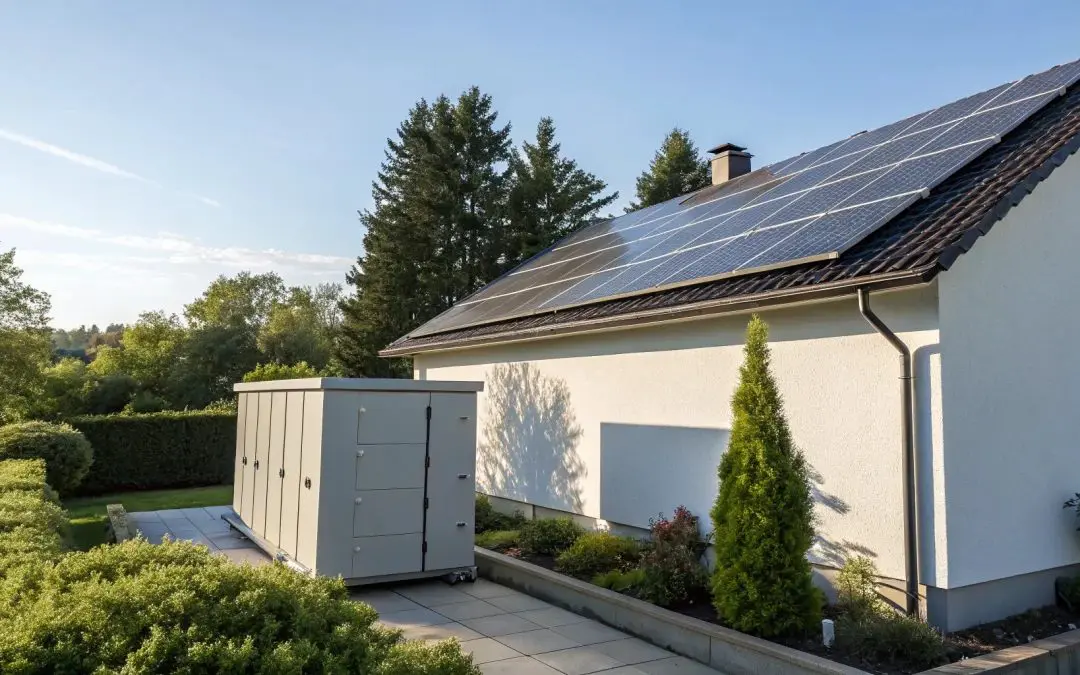
Think about how much the battery in your phone has improved over the last decade. The same kind of technological leap has happened with home energy storage. Not all solar batteries are created equal, and the chemistry inside makes a world of difference. While older, less expensive options might seem appealing, their shorter lifespans can lead to higher costs over time. Modern lithium-ion batteries have become the industry standard for a reason: they are more efficient, require less maintenance, and last significantly longer. The solar panel battery life expectancy is directly tied to this technology, which is why we’ll explain the differences and show you why investing in quality from the start is the smartest move for your home.
Key Takeaways
- Choose the Right Technology for Long-Term Value: Modern lithium-ion batteries last 10-15 years, making them a smarter investment than older lead-acid types that require replacement much sooner. The chemistry inside your battery is the biggest factor in its lifespan.
- Protect Your Battery with Smart Habits: Simple actions, like avoiding draining your battery completely and keeping it in a temperature-stable location like a garage, can significantly extend its operational life and protect your investment.
- Recognize the Signs of Aging to Plan Ahead: Your battery won’t fail suddenly; it will show its age by holding less charge over time. Monitoring its performance helps you anticipate when a replacement is needed, so you’re never caught off guard.
How Long Do Solar Batteries Really Last?
When you’re investing in a solar energy system, you want every component to be reliable and long-lasting. So, it’s natural to wonder about the lifespan of the battery that stores all that clean energy. Generally, you can expect a solar battery to last between 5 and 15 years. The exact timeframe, however, depends heavily on the type of battery you choose, how you use it, and the conditions it operates in.
The biggest factor is the battery’s chemistry. Older, more traditional lead-acid batteries have a shorter lifespan, typically around 3 to 7 years. Modern lithium-ion batteries, on the other hand, are the standard for home solar storage and can last anywhere from 10 to 15 years or even longer. Think of it like the difference between an old flip phone battery and the one in your current smartphone—the technology has improved dramatically, offering better performance and durability. This is why most modern installations, including the ones we specialize in, use advanced lithium-ion technology. Understanding these differences is key to selecting a solar panel battery backup that aligns with your long-term energy goals and gives you the best return on your investment.
What to Expect from Different Battery Types
The type of battery you install makes a huge difference in its day-to-day performance and overall lifespan. Lead-acid batteries, while less expensive upfront, require more maintenance and don’t last as long. Their lifespan is significantly affected by how much of their stored energy you use, a factor known as “depth of discharge” (DoD). For example, a lead-acid battery might only last 200 charge cycles if you consistently use 80% of its power. In contrast, a lithium-ion battery can handle over 2,000 cycles at the same 80% DoD, making it a far more resilient and reliable choice for a home solar system. This durability is why lithium-ion has become the go-to technology for homeowners.
Why Battery Longevity Matters for Your Home
Your solar panels are built to last, with most having a lifespan of 25 to 30 years. Your solar battery, however, won’t last that long. This means you’ll likely need to replace it at least once during the lifetime of your solar panel system. Since the battery is a significant part of your initial investment, its longevity is a major factor in the overall cost and efficiency of your system. Choosing a high-quality battery with a longer lifespan from the start can save you thousands in replacement costs down the road. It ensures you get the most long-term value from your solar setup, providing reliable power and peace of mind for years to come.
A Breakdown of Solar Battery Lifespans
When you’re exploring a solar panel battery backup system, you’ll quickly find that not all batteries are created equal. The technology inside the battery—its chemistry—plays the biggest role in how long it will last and how well it will perform. Think of it like choosing an engine for a car; you want one that’s reliable and built for the long haul. Understanding the key differences between the most common types will help you make a smart choice for your home’s energy needs. Let’s look at the main players in the solar battery world.
Lithium-Ion Batteries (10-15 years)
Lithium-ion batteries are the go-to choice for most modern home solar systems, and for good reason. They are known for their excellent efficiency and impressive longevity, typically lasting between 10 to 15 years. While they often come with a higher price tag, their consistent performance over a decade or more makes them a solid investment. Their ability to hold a charge effectively and deliver reliable power day after day provides real peace of mind. For many homeowners, the durability and reliability of a lithium-ion battery make the upfront cost well worth it.
Lead-Acid Batteries (3-7 years)
Lead-acid batteries are the old guard of battery technology. They’ve been around for a long time and are generally more affordable than their lithium-ion counterparts. However, this lower cost comes with a significant trade-off: a much shorter lifespan. You can typically expect a lead-acid battery to last between 3 to 7 years in a solar setup. Some types, like flooded lead-acid batteries, require regular maintenance to keep them running. While the initial savings can be tempting, the need for more frequent replacements can make them more expensive and inconvenient over the life of your solar panel system.
Lithium Iron Phosphate (LFP) Batteries (15-20 years)
If you’re looking for the best of the best in terms of durability, meet the Lithium Iron Phosphate (LFP) battery. A subtype of lithium-ion, LFP batteries are celebrated for their exceptional safety and an incredible lifespan of 15 to 20 years. These powerhouses can handle between 6,000 and 10,000 full charge-and-discharge cycles before their capacity starts to noticeably decline. This remarkable longevity and reliability make LFP batteries an outstanding long-term investment. Choosing an LFP battery means you’re getting a top-tier product that’s built to support your home’s energy independence for decades to come.
What Affects Your Solar Battery’s Lifespan?
Think of your solar battery like any other major appliance in your home—its lifespan isn’t just a number on a box. How long it lasts depends heavily on how you use it and the environment it lives in. Several key factors play a role in determining whether your battery will meet, or even exceed, its expected life. Understanding these elements helps you protect your investment and ensure you have reliable power when you need it most.
From how much energy you pull from it each day to the temperature of the room it’s stored in, every detail matters. Your daily habits, the climate in our Mid-Atlantic region, and the quality of the initial setup all contribute to the long-term health of your solar panel battery backup system. By paying attention to these factors, you can get the most value and performance out of your home energy storage.
How Deeply You Drain It (Depth of Discharge)
One of the most significant factors is the battery’s Depth of Discharge (DoD), which is just a technical way of saying how much of its stored energy you use before it recharges. Consistently draining a battery to empty before charging it again puts a lot of stress on its internal components and shortens its life. For example, a lithium-ion battery might give you 5,000 cycles if you only use 50% of its capacity regularly, but that number could drop to 2,000 cycles if you consistently drain it to 80%. The good news is that modern battery systems are smart and can be configured to prevent deep discharges, preserving their health automatically.
Exposure to Extreme Temperatures
Batteries are a bit like people—they perform best in comfortable, stable temperatures. Extreme heat or cold can seriously impact their longevity and efficiency. High temperatures, in particular, can accelerate the degradation of a battery’s internal chemistry. In fact, for every 14°F rise above 77°F, a battery’s lifespan can be cut in half. This is why the location of your battery is so important. A professional installer will recommend a spot like a garage or basement where it’s shielded from the summer heat waves and winter chills we experience in the region, ensuring it operates in a more stable environment.
Your Daily Usage and Charging Habits
How often you use your battery also plays a big role. Every time your battery charges and discharges, it completes a “cycle.” Each battery is rated for a certain number of cycles in its lifetime. If you use your battery every day to power your home and avoid peak electricity rates, you’ll go through its cycles faster than someone who only uses it for backup power during occasional grid outages. Neither approach is wrong—it’s all about how you plan to use your stored energy. A well-designed system manages these cycles efficiently to give you the power you need while maximizing the battery’s operational life.
The Quality of Installation and Upkeep
You can have the best battery on the market, but its performance and lifespan will suffer without proper installation. A professional setup ensures that your battery is correctly wired, properly ventilated, and configured to work seamlessly with your solar panel inverters and the rest of your system. As Maryland’s oldest family-run solar firm, we know that getting the details right from day one is the key to a long-lasting, reliable system. While today’s batteries require minimal upkeep, a quality installation sets the foundation for years of dependable performance and gives you peace of mind.
The Temperature Effect: Heat, Cold, and Your Battery
Just like us, solar batteries have a comfort zone. They perform best when they aren’t too hot or too cold. Exposing your battery to extreme temperatures is one of the quickest ways to shorten its lifespan and reduce its efficiency. That’s why understanding the effects of your local climate—from sweltering summer days to freezing winter nights—is key to protecting your investment. A well-placed battery is a happy and long-lasting battery.
How Heat Degrades Battery Performance
Heat is the primary enemy of battery longevity. When a solar battery gets too hot, the chemical reactions inside speed up, causing its internal components to degrade much faster. This isn’t a temporary dip in performance; it’s permanent damage that reduces the battery’s overall capacity to store energy. In fact, for every 14°F increase above 77°F, a battery’s lifespan can be cut in half. During our hot Mid-Atlantic summers, it’s crucial that your solar panel battery backup system is installed in a location with proper ventilation, away from direct sunlight, to keep it from overheating and ensure it lasts for years to come.
The Challenges of Cold Weather
While extreme heat causes lasting damage, cold weather presents a different kind of challenge. As temperatures drop, the chemical reactions inside the battery slow down, which can temporarily reduce its ability to provide power. You might notice it doesn’t seem to hold a charge as well or deliver the same output on a frigid day. The good news is that this effect is usually temporary, and performance returns to normal as things warm up. However, consistently exposing your battery to freezing conditions can still put stress on its components over time. Modern lithium-ion batteries can handle a wider temperature range, but they are still happiest in mild conditions.
Finding the Sweet Spot: Ideal Operating Temperatures
So, what’s the perfect temperature for your solar battery? Most manufacturers agree that the ideal operating range is between 68°F and 77°F. Keeping your system as close to this “room temperature” range as possible is the goal. This is why we typically install batteries in protected, climate-controlled spaces like a garage, basement, or utility closet rather than outdoors. Proper placement shields the battery from the worst of the summer heat and winter cold, helping you get the maximum performance and lifespan out of your system. A professional installation considers all these factors to find the safest and most effective spot in your home.
Warning Signs Your Solar Battery Is Fading
Your solar battery is the heart of your home’s energy independence, but like all batteries, it won’t last forever. The good news is that they rarely fail overnight. Instead, they give off subtle clues that they’re getting older. Learning to spot these signs helps you stay ahead of the curve, so you can plan for a replacement without being caught by surprise during a power outage.
Think of it like the battery in your phone. Over years of use, you notice it doesn’t hold a charge for as long as it did when it was new. Your solar battery works the same way, just on a much larger scale. Its ability to store and deliver energy will gradually decrease over time. Paying attention to its performance, how reliably it powers your home, and its physical condition will tell you everything you need to know about its health. Let’s walk through the key indicators that your battery might be nearing the end of its useful life.
It Doesn’t Hold a Charge Like It Used To
The most common sign of an aging solar battery is a noticeable drop in its capacity. When your system was first installed, your fully charged battery could likely power your home through the night with ease. As it gets older, you might find it running out of juice before sunrise or struggling to power the same number of appliances it once did. This happens because a battery’s ability to hold a charge slowly gets worse over time.
Most manufacturers consider a battery’s “useful life” to be over when it can only hold about 60% to 70% of its original capacity. You can often track this through your system’s monitoring app, which provides data on how much energy your solar panel battery backup is storing and discharging each day.
Your Power Supply Becomes Unreliable
When a battery can no longer hold a steady charge, its power output can become inconsistent. You might experience this as flickering lights or appliances unexpectedly shutting down when the system is running on battery power. Another tell-tale sign is your home switching back to the grid more frequently, especially during times when the battery should have plenty of stored energy.
These power drops happen because the battery is struggling to deliver a consistent voltage. You may also see error messages or alerts on your monitoring system or directly on your inverter. These notifications are clear indicators that a component of your system, possibly the battery, needs a professional inspection. If you notice these issues, it’s a good idea to check in with a solar expert.
Visible Wear and Tear
Sometimes, the signs of a failing battery are physical. It’s a good practice to occasionally perform a quick visual inspection of your battery unit (without touching it). Look for any signs of damage or distress, which can be serious safety concerns. A battery case that is bulging, swelling, or cracking is a major red flag that indicates an internal problem.
You should also look for any leaks or corrosion around the terminals and connections. These signs suggest that the battery’s integrity has been compromised. If you see any of these physical changes, you should avoid touching the unit and contact a certified solar installer immediately to assess the situation. Physical damage almost always means it’s time for a replacement.
How to Make Your Solar Battery Last Longer
Getting the most out of your investment in a solar battery system means helping it live a long and productive life. The good news is that modern solar batteries are designed to be low-maintenance, but a few simple habits can make a significant difference. By paying a little attention to how your battery operates, you can ensure it provides reliable power for your home for years to come. Think of it less as a chore and more as a way to protect the heart of your home’s energy system. These straightforward steps will help you maximize your battery’s performance and lifespan.
Follow a Simple Maintenance Routine
The best part about modern solar panel battery backup systems is that they require very little hands-on maintenance. Your main job is to be observant. A quick glance at your system’s monitoring app every so often can tell you a lot. Keep an eye on its charge and discharge levels to make sure everything looks normal. Most importantly, if you notice any performance issues or receive an error message, don’t hesitate to contact your installer. A professional can diagnose the problem correctly and ensure your system is running safely and efficiently, preventing small issues from turning into bigger ones.
Adopt Smart Charging Habits
How you use your battery day-to-day has a big impact on its long-term health. Try to avoid draining it completely or charging it at maximum speed unless it’s absolutely necessary. This kind of extreme usage puts extra stress on the battery’s components. For the popular lithium-ion batteries, a good rule of thumb is to keep its Depth of Discharge (DoD) between 50% and 80%. This means you’re not pushing it to its limits in either direction. Your system can often be programmed to maintain this sweet spot, creating a gentle cycle that helps preserve its capacity over time.
Manage Its Temperature
Solar batteries are a bit like people—they don’t perform their best in extreme temperatures. Both intense heat and freezing cold can shorten a battery’s lifespan and reduce its efficiency. That’s why the location of your battery is so important. Ideally, it should be installed in a cool, dry place away from direct sunlight, like a garage or basement. Lithium-ion batteries are happiest in a climate-controlled space between 68-77°F. During your solar panel installation, a professional will help you find the perfect spot to protect your battery from the elements and keep it running smoothly.
Keep an Eye on Performance
Over time, all batteries naturally lose some of their ability to hold a charge. You can stay ahead of this by watching for a few key signs. The most obvious one is reduced capacity—if you notice your battery isn’t powering your home for as long as it used to, it might be starting to fade. You may also find that it needs to be charged more frequently to keep up with your energy demands. Many systems will also display error messages if they detect an internal issue. If you have questions about what’s normal, our FAQ page is a great resource for answers.
Solar Battery Myths, Busted
When you’re exploring a big investment like a solar battery, it’s easy to get tangled up in misinformation. There are a lot of assumptions floating around about how they work, how long they last, and what it takes to keep them running. Let’s clear the air and tackle some of the most common myths I hear from homeowners.
Myth: All Batteries Are Created Equal
It’s tempting to think a battery is just a battery, but that couldn’t be further from the truth. The chemistry inside makes a world of difference in performance, cost, and lifespan. For example, older lead-acid batteries are less expensive upfront but typically only last between 3 and 7 years. Modern lithium-ion batteries, which we recommend, are the industry standard for a reason. They have a much longer lifespan—often 10 to 15 years or more—and are far more efficient. Choosing the right solar panel battery backup depends entirely on your energy goals, which is why it’s so important to talk through your options with an expert.
Myth: They Fail Without Warning
The fear of a battery suddenly dying and leaving you in the dark is a common one, but it’s not very realistic. Solar batteries don’t just stop working overnight. Instead, their performance degrades slowly and predictably over time. Think of it like your phone battery—after a few years, you notice it doesn’t hold a charge for as long as it used to. Solar batteries follow a similar pattern. After many years of charging and discharging, they naturally start to lose capacity. The good news is that this gradual decline gives you plenty of warning signs that it might be time to start planning for a replacement.
Myth: They Don’t Need Any Maintenance
While modern solar batteries are designed to be incredibly low-maintenance, they aren’t completely “set it and forget it.” Like any important piece of equipment in your home, a little attention goes a long way. For today’s lithium-ion batteries, this usually just means a quick visual inspection every so often to check for any corrosion on the terminals and ensure the unit is clean. The most critical step is ensuring your system is installed correctly from the start. Professional installation sets your battery up for a long, efficient life and ensures all components are working together perfectly. If you ever have questions, it’s always best to contact a professional for guidance.
Making the Call: When to Replace Your Solar Battery
Deciding to replace your solar battery is a big step, and it’s not always a clear-cut choice. While modern batteries are built for the long haul, they don’t last forever. The key is to recognize when your battery is no longer serving your home effectively and to understand the right time to invest in a new one. It’s a balance between maximizing the life of your current equipment and ensuring your home has a reliable, efficient power source for years to come.
Think of it less as an unexpected expense and more as a planned upgrade for your home’s energy system. As technology improves, newer batteries offer better capacity, efficiency, and longer lifespans. Waiting until your old battery completely fails can leave you without power when you need it most, especially during an outage. Instead, by monitoring its performance and planning, you can make a smooth transition that keeps your home powered without interruption. The goal is to replace it on your terms, not the battery’s.
When Performance Drops Too Low
Your battery will give you clear signs when it’s nearing the end of its life. The most obvious one is a noticeable drop in capacity—it just doesn’t hold a charge for as long as it used to. You might find that it can no longer power your home through the night or that it drains much faster than before. This gradual decline is normal, but when it starts to impact your daily routine or your reliance on the grid increases, it’s time to pay attention. Also, keep an eye out for physical signs like bulging, leaking, or staining on the casing. These are definite indicators that your solar panel battery backup needs a professional inspection and likely a replacement.
Weighing the Cost vs. the Benefit
A new solar battery is a significant investment, so it’s natural to want to get every last bit of use out of your current one. However, holding onto an aging, inefficient battery can cost you more in the long run. If you’re facing frequent issues or find that your battery’s low capacity is forcing you to pull more expensive power from the grid, a replacement becomes the more cost-effective option. Investing in a new, high-performance battery not only restores your energy independence but also gives you peace of mind with a fresh warranty and the latest technology. If you’re unsure about the numbers, we can help you understand the long-term value and get a free solar estimate for a new system.
Choose a Solar Battery That’s Built to Last
A solar battery is a significant part of your home’s energy system, so you want to be sure you’re choosing one that will go the distance. Think of it like any other major home appliance—quality and durability are non-negotiable. While the initial price tag is a factor, the real value comes from a battery that performs reliably for years, giving you peace of mind during power outages and helping you save on electricity bills long-term. The good news is that modern solar panel battery backup systems are designed for longevity, but not all are created equal. A battery that lasts 15 years instead of seven makes a huge difference in your overall savings and environmental impact.
Making the right choice comes down to understanding what separates a great battery from a good one. It’s not just about the brand name; it’s about the technology inside and how it’s installed. A battery with a longer lifespan means more years of energy independence and a better return on your investment. By focusing on a few key characteristics and ensuring your system is set up by experts, you can feel confident that your battery will be a dependable power source for your home for a decade or more. Let’s look at what makes a battery last and why a professional touch is so important.
Key Features That Influence Longevity
When you’re comparing batteries, a few technical details can tell you a lot about how long they’ll last. First is the battery chemistry. Lithium-ion batteries are the standard, but those with LFP (lithium iron phosphate) chemistry are known for being especially reliable and long-lasting. Another key factor is the Depth of Discharge (DoD). This just means how much of the battery’s energy you use before it recharges. Consistently draining it to empty is tough on the battery; using about 80% before it recharges can significantly extend its life. Finally, consider how well it handles temperature, as extreme heat or cold can reduce its lifespan.
Why Professional Installation Is Crucial
Even the best battery won’t perform well if it’s not installed correctly. A professional installation is your quality control, ensuring everything is set up for safety and peak performance from day one. An expert will correctly configure the Battery Management System (BMS), which is the battery’s brain. The BMS protects it from overcharging or draining too deeply, which is essential for a long life. Plus, a proper setup by a team that knows what they’re doing minimizes the chance of early issues. When you’re ready to invest in reliable energy, getting a free solar estimate from a trusted installer is the best first step to ensure your system is built to last.
Related Articles
- The lifespan of your Solar panels – what you can expect
- Solar Battery Installation Cost Breakdown for 2025
- External Solar Battery: The Ultimate Buyer’s Guide
- Home Solar System with Battery Storage: The 2025 Guide
- Storing Power From Solar Panels: A Complete Guide
Frequently Asked Questions
Will I have to replace my battery at the same time as my solar panels? That’s a great question, and the short answer is no. Your solar panels are the marathon runners of your system, built to last 25 to 30 years. Your battery, on the other hand, has a shorter but still impressive lifespan, typically ranging from 10 to 15 years for a quality lithium-ion model. This means you should plan on replacing your battery at least once during the lifetime of your panels. Think of it as a predictable upgrade that keeps your entire system running efficiently for decades.
Is a more expensive battery really worth it in the long run? Absolutely. While it can be tempting to choose a less expensive battery to lower the initial cost, it often ends up being more expensive over time. A cheaper lead-acid battery might only last 3 to 7 years, meaning you could be paying for two or three replacements in the time a single high-quality lithium-ion battery would last. Investing in a durable battery with a longer lifespan from the start gives you better performance, greater reliability, and a lower total cost of ownership.
What happens if my battery fails during a power outage? This is a common concern, but you can rest easy. Solar batteries don’t typically fail suddenly like a lightbulb burning out. Instead, they lose their ability to hold a charge gradually over many years. You’ll notice the signs—like not being able to power your home for as long as it used to—long before it stops working completely. This slow decline means it’s highly unlikely to leave you in the dark without warning.
Can I add a battery to an existing solar panel system? Yes, in most cases you can. If you already have solar panels and want to add energy storage, it’s a process known as AC coupling. A certified installer can assess your current setup, including your inverter and wiring, to ensure a new battery can be integrated safely and effectively. It’s a fantastic way to get more value out of the solar system you already have.
Does the battery warranty cover its full expected lifespan? Not always, and it’s an important detail to check. A battery’s warranty usually guarantees it will retain a certain percentage of its original storage capacity—for example, 70%—after a specific number of years or charge cycles, often around 10 years. While the battery will likely continue to function well past that point, the warranty protects you against premature performance decline. It’s a promise of durability for a set period.
Recent Comments