
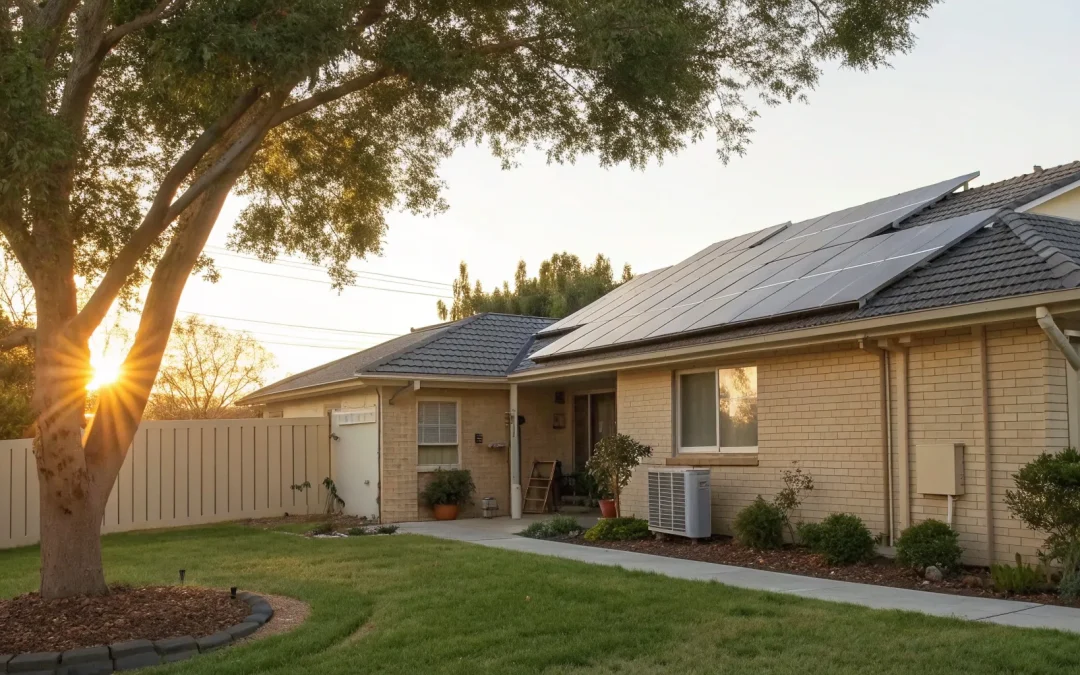
Let’s talk about energy resilience. We’ve all felt that moment of frustration when the power goes out, disrupting everything from family dinner to your home office. While solar panels are great at producing power, they don’t automatically protect you from grid failures. The key to true energy security is storage. A home solar system with battery storage creates a seamless backup for your household. When the grid goes down, your system automatically switches over to your stored power, keeping your lights on, your refrigerator cold, and your devices charged. It’s not just a convenience; it’s a powerful layer of security for your family and your home.
Key Takeaways
- Achieve True Energy Independence: A solar battery acts as your personal energy reserve, storing excess solar power for when you need it most. This ensures your home stays powered through grid outages and reduces your reliance on the utility company.
- Lower Your Bills and Get a Tax Credit: A battery helps you save money by avoiding expensive peak electricity rates from your utility. You can also significantly reduce the upfront cost by claiming the 30% federal solar tax credit, making the investment more affordable.
- Partner with an Expert for the Right Fit: The best system is one designed specifically for your energy goals. A professional assessment ensures you get the right size battery and quality components, making the entire process from permitting to installation seamless.
What Is a Solar Battery System?
Think of a solar battery system as your personal energy reservoir. Your solar panels are fantastic at generating clean electricity when the sun is shining, but what happens at night or on an overcast day? That’s where a battery comes in. It stores the excess energy your panels produce during peak sunshine hours, creating a reserve of power you can tap into anytime.
This stored energy ensures your home has a reliable power source, day or night, regardless of weather conditions or what’s happening with the local utility grid. Adding a solar panel battery backup to your system is about more than just saving energy for later; it’s about gaining peace of mind and a greater degree of energy independence. You’re no longer just a consumer of electricity—you’re in control of your own clean power supply.
How Solar Panels and Batteries Team Up
The partnership between solar panels and batteries is simple but powerful. During the day, your solar panels convert sunlight into electricity to power your home. If they generate more energy than you’re using, the surplus doesn’t go to waste. Instead of sending it all back to the grid, your system directs that extra power to charge your home battery.
When the sun sets or a storm rolls in and causes an outage, your home seamlessly switches over to the clean energy stored in your battery. This allows you to keep your lights on, your refrigerator running, and your devices charged without relying on the grid, often saving you money by avoiding expensive peak-hour utility rates.
The Key Components of a System
A complete solar-plus-storage system involves several key components working in harmony. It all starts with the solar panel installation on your roof, which captures the sun’s rays. The electricity they produce is then managed by a solar inverter, a smart device that converts it into usable power for your home’s appliances.
The battery itself stores any excess energy for later use. These components are mounted with a secure racking system and connected to a monitoring system, which lets you track your energy production and consumption in real-time. Every part is carefully selected and sized to meet your home’s unique energy needs and ensure you get the most out of your investment.
How Do Solar Batteries Actually Work?
Think of a solar battery as your personal energy savings account. During the day, your solar panels are hard at work, converting sunlight into electricity. Your home uses what it needs, but often, the panels produce more power than you can use at that moment. Instead of sending all that extra energy back to the utility grid, a solar battery system steps in to save it for later.
When the sun goes down, or on a cloudy day, your home can draw from the stored energy in the battery instead of pulling from the grid. This simple cycle of generating, storing, and using your own clean energy is what makes a solar battery so powerful. It gives you control over your power supply, ensuring you have electricity when you need it most, whether it’s during a storm or just after sunset. The entire process is managed automatically by smart software, so you don’t have to lift a finger.
Capturing and Storing Solar Energy
The process starts on your roof. Your solar panel installation captures sunlight and converts it into direct current (DC) electricity. This DC power flows to an inverter, a device that changes it into alternating current (AC) electricity—the type of power your home appliances use. If you have a battery, any excess electricity your panels generate is directed to the battery for storage. This stored energy provides a reliable power source when your panels aren’t producing, like at night or during an outage. It effectively keeps your home running smoothly on clean energy, regardless of the weather or the state of the main power grid.
AC vs. DC Coupled Systems Explained
When you add a battery, it can be connected, or “coupled,” in one of two ways: AC or DC. A DC-coupled system is generally more efficient for new installations. Here, the DC power from your solar panels can flow directly to your DC battery without being converted first, which minimizes energy loss. An AC-coupled system is a great option if you’re adding a battery to an existing solar array. In this setup, the DC solar power is first converted to AC by your solar panel inverters, and then a second inverter in the battery converts it back to DC for storage. While slightly less efficient, it offers more flexibility for retrofitting.
Grid-Tied vs. Off-Grid Functionality
Most home solar systems are “grid-tied,” meaning they’re connected to the local utility. A common misconception is that these systems will power your home during an outage. For safety reasons, standard grid-tied systems automatically shut down when the grid goes down. The only way to keep your lights on is with a solar panel battery backup. A battery allows your system to safely disconnect from the grid during an outage and operate independently, creating a personal power island for your home. This gives you true energy security, ensuring you have access to the solar power you’ve generated, even when your neighbors are in the dark.
Why Add a Battery to Your Solar Panels?
Pairing your solar panels with a battery storage system is one of the smartest moves you can make for your home’s energy future. While solar panels alone are fantastic for generating clean electricity when the sun is shining, a battery takes your system to the next level. It acts as your personal energy reserve, giving you more control, security, and financial savings. Think of it as the key to unlocking the full potential of the energy you generate right on your own rooftop. Instead of sending all your excess power back to the grid, you can store it for when you need it most.
This stored energy is what gives you true independence. It means you’re prepared for unexpected power outages, ensuring your home remains a comfortable and functional sanctuary. It also allows you to be more strategic with your energy use. You can capture the abundant solar power generated during the middle of the day and save it for the evening when your family is home and electricity demand is higher. This simple shift can lead to significant savings, especially if your utility company charges higher rates during peak hours. Adding a battery transforms your relationship with energy from passive consumption to active management, all while deepening your commitment to a sustainable lifestyle.
Gain Energy Independence During Outages
We’ve all experienced the frustration of a power outage. The lights go out, the Wi-Fi dies, and the food in the fridge starts to become a concern. A solar panel battery backup system is your solution for true energy resilience. When the grid goes down, your battery seamlessly kicks in to power your essential appliances. You can keep your lights on, your devices charged, and your home running smoothly without interruption. This provides incredible peace of mind, especially during storms or other grid failures. You’re no longer completely dependent on the utility company; you have your own reliable power source ready to go at a moment’s notice.
Maximize Your Solar Energy Use
Your solar panels are most productive during the sunny midday hours, which is often when your family is at work or school and using less electricity. Without a battery, any excess energy you generate is sent back to the grid. A solar battery lets you capture and store this extra daytime power. You can then use that stored, clean energy in the evening when the sun has set and your home’s energy consumption is at its peak. This means you’re using more of your own solar power and relying less on the grid, ensuring that none of the clean energy your panels produce goes to waste.
Save Money During Peak Hours
Many utility companies have “time-of-use” rates, where electricity costs more during periods of high demand, typically in the late afternoon and evening. This is exactly when you get home and start using more power. A solar battery helps you outsmart these peak rates. Instead of buying expensive electricity from the grid during these hours, you can simply draw from the free solar energy you stored in your battery earlier in the day. By avoiding the highest electricity prices, you can significantly lower your monthly utility bills. It’s a strategic way to make your solar investment work even harder for your wallet and see the full benefits of going solar.
Reduce Your Environmental Footprint
Installing solar panels is a huge step toward a more sustainable lifestyle. Adding a battery deepens that positive impact. By storing your excess solar energy, you maximize your use of clean, renewable power and minimize your reliance on the grid, which often sources its electricity from fossil fuels. Every kilowatt-hour of stored solar energy you use is one less that needs to be generated by a traditional power plant. This further reduces your household’s carbon emissions and contributes to a healthier planet. It’s about creating a self-sufficient energy ecosystem at home that is as green as possible.
What Affects the Cost of a Solar Battery System?
When you start looking into solar batteries, one of the first questions you’ll have is, “How much is this going to cost?” The truth is, there’s no single price tag. The cost of a solar panel battery backup system is a lot like the cost of a home renovation—it depends entirely on the scope of the project, the materials you choose, and your specific goals.
Think of it less as an off-the-shelf product and more as a customized solution for your home. Several key factors influence the final price, from the size of the battery you need to the quality of the components you select. It’s also important to remember that the initial sticker price isn’t the whole story. Available tax credits and long-term energy savings play a huge role in the overall value of your investment. Let’s break down the main components that determine the cost so you can get a clearer picture of what to expect.
System Size and Battery Capacity
The most significant factor in the cost of a solar battery is its capacity—how much energy it can store. This is measured in kilowatt-hours (kWh). A larger battery that can power your entire home through a multi-day outage will naturally cost more than a smaller one designed to keep just the essentials, like your refrigerator and Wi-Fi, running for a few hours.
It’s important to match the battery size to your actual needs. A common misconception is that adding any battery allows you to go completely off-grid. In reality, true grid independence requires a very large and expensive system. For most homeowners, the goal is reliable backup power and maximizing the use of the solar energy you generate, which can be achieved with a more moderately sized and affordable system.
Installation and Equipment Quality
Like any major home upgrade, you get what you pay for when it comes to solar equipment and installation. While a lower upfront cost might seem tempting, opting for lower-quality components or an inexperienced installer can lead to performance issues and costly repairs down the road. Investing in high-quality, durable equipment from trusted brands ensures your system will be safe, reliable, and efficient for years to come.
The quality of the installation is just as critical. A professional installation by a certified team ensures your system is set up correctly, safely, and optimized for performance. As Maryland’s oldest family-run solar firm, we’ve built our reputation on expert craftsmanship and using only top-tier products that we stand behind.
Available Tax Credits and Incentives
Here’s the good news: you don’t have to cover the entire cost yourself. Government incentives can significantly reduce the net price of your solar battery system. The most impactful of these is the federal solar tax credit. Thanks to the Inflation Reduction Act, homeowners who install a qualifying battery storage system can receive a tax credit for 30% of the total cost.
This credit applies to systems installed through 2032 and can be a game-changer, making a battery system much more accessible. There may also be state and local incentives available depending on where you live. Exploring these financial benefits is a key step in understanding the true cost of your investment.
Common Cost Misconceptions
One of the biggest myths we hear is that solar batteries are simply too expensive for the average homeowner. While the initial investment is significant, it’s often more manageable than people think. When you factor in the 30% federal tax credit, potential state incentives, and the long-term savings on your utility bills, the lifetime value becomes very compelling.
Instead of getting stuck on general price ranges you see online, the best approach is to find out what a system would cost for your specific home. A personalized quote will account for your energy usage, home size, and goals, giving you a realistic number to work with. You can get a free solar estimate to see exactly how the numbers stack up for you.
What Are the Best Solar Battery Brands?
When you’re investing in a solar battery, you want to know you’re choosing a brand that’s built to last. The market is full of options, but a few names consistently stand out for their performance, reliability, and commitment to safety. The right brand for you will depend on your specific energy goals, but quality should always be the top priority. A well-made battery from a reputable company not only ensures you have power when you need it but also provides peace of mind for years to come.
At Renewable Energy Corporation, we’ve spent decades vetting the best technology in the industry. We only partner with manufacturers who share our commitment to quality and long-term customer satisfaction. That’s why we confidently recommend specific brands that have proven themselves in homes just like yours. By focusing on top-tier products, we make sure your entire solar energy system works seamlessly, from the panels on your roof to the battery in your garage.
Our Trusted Partners: Enphase and QCELLS
We stand behind Enphase for their exceptional solar panel battery backup systems. Industry experts consistently recognize Enphase for producing some of the most reliable and efficient microinverters and batteries available. Their Enphase Energy System, featuring the IQ 5P battery, is a homeowner favorite because it’s powerful and can be customized to fit your exact energy needs. Whether you want to power essential appliances during an outage or go completely off-grid, Enphase provides a flexible and dependable solution.
For solar panels, we partner with QCELLS. They offer an incredible balance of quality and value, making them a smart choice for any solar panel installation. While other brands might chase the highest efficiency ratings, QCELLS focuses on delivering consistent, reliable performance at a fair price. When you pair dependable QCELLS panels with a high-performance Enphase battery, you get a robust system designed for long-term energy savings and independence.
Lithium Iron Phosphate vs. Other Technologies
When you look inside a solar battery, the chemistry matters. Many of the top brands, including Enphase, use Lithium Iron Phosphate (LiFePO4) technology, and for good reason. LiFePO4 batteries are known for their outstanding safety profile, long lifespan, and stability, even in varying temperatures. Unlike some other lithium-ion chemistries, they are far less prone to overheating, which gives homeowners an added layer of security.
This focus on safety and longevity means a LiFePO4 battery is a durable, long-term investment. While other types of lithium-ion batteries might offer slightly higher energy density, the trade-off often involves a shorter lifespan and increased safety risks. For a critical system that powers your home, choosing the safer, more stable technology is always the right call.
Essential Safety Features and Warranties to Look For
A great solar battery should come with more than just power—it should come with protection. Always look for models with built-in safety features, such as thermal management systems that prevent overheating and automatic shutdown capabilities to protect against overcharging. Brands like Enphase integrate these advanced safety mechanisms directly into their products, ensuring your system operates reliably day in and day out.
A strong warranty is another non-negotiable. It’s a direct reflection of the manufacturer’s confidence in its product. The best solar batteries on the market typically come with warranties ranging from 10 to 15 years. This guarantees that your investment is protected for the long haul. Before making a final decision, be sure to review the warranty details and ask any questions you might have—we’re always here to help you understand the fine print. You can find more answers on our FAQ page.
How to Choose the Right Solar Battery System
Picking the right solar battery can feel like a big decision, but it doesn’t have to be complicated. When you focus on a few key areas—your energy goals, the battery’s quality, and how it fits with your existing setup—you can confidently choose a system that works for your home. Think of it as finding the perfect partner for your solar panels, one that will help you get the most out of your investment for years to come.
The goal is to find a balance between your daily needs, your budget, and your desire for energy security. Let’s walk through the essential factors to consider so you can find the ideal solar panel battery backup for your home.
Determine Your Home’s Energy Needs
First, think about what you want your battery to do. Are you mainly concerned about staying powered during grid outages? Or do you want to store excess solar energy to use at night and avoid peak electricity rates? Your answer will help determine the right size and capacity. A good starting point is to look at your past utility bills to understand your average daily electricity consumption.
If you live in an area with frequent power outages or high time-of-use electricity rates, a battery is almost always a smart move. It gives you peace of mind and more control over your energy. We can help you analyze your usage patterns and recommend a battery that perfectly matches your home’s needs when you request a free solar estimate.
Compare Lifespan, Performance, and Warranties
Not all batteries are created equal. Modern lithium-ion batteries, like the ones we install, are the industry standard for a reason. They can last for 5,000 to 8,000 charge cycles, while older lead-acid types might only last for 500. A “cycle” is just one full charge and discharge. For most homeowners, a quality battery will last 10 to 15 years.
Always check the warranty. A reputable brand will offer a 10-year warranty, which protects your investment and guarantees the battery will perform as expected. This long-term reliability is one of the key benefits of going solar—you’re investing in durable technology that provides lasting value.
Check Inverter Compatibility and Scalability
Your solar inverter is the brain of your system, converting the DC power from your panels into AC power your home can use. To add a battery, you need a special “hybrid” inverter that can manage energy flow between your panels, battery, home, and the grid. If you already have solar, we’ll need to check if your current inverter is battery-ready.
It’s also wise to think about the future. Scalability means you can add more battery capacity later if your energy needs grow—for instance, if you buy an electric vehicle. Choosing a scalable system from the start gives you flexibility without needing to replace your core components. We can help you find the right solar panel inverters that support both your current and future needs.
Consider Your Climate and Maintenance
It’s a common myth that solar batteries are high-maintenance, but modern systems are incredibly reliable and mostly hands-off. They are designed to work efficiently in a wide range of conditions. However, extreme temperatures can affect a battery’s performance and lifespan, so proper placement is key. Our professional installers will ensure your battery is situated in a location, like a garage or basement, that protects it from the elements.
Ultimately, adding a battery is about gaining energy independence. You’re no longer completely reliant on the grid. With a well-chosen system, you can count on having power when you need it most, regardless of the weather or the state of the local power lines.
How Much Can You Really Save with a Solar Battery?
Adding a battery to your solar panel system is a big decision, and it’s natural to wonder if the investment will pay off. The short answer is yes, but the savings come from several different places. It’s not just about one number; it’s about how a battery changes your relationship with energy. While the initial cost is a factor, a solar panel battery backup is a long-term financial tool that delivers value year after year. The most obvious benefit is a lower monthly electric bill, but the real power lies in gaining control. You’re no longer just a consumer of electricity; you’re a producer with your own personal energy reserve.
This protects you from the unpredictable rate hikes that utility companies often pass on to customers. Think of it as locking in your energy costs for decades. Furthermore, many utility companies are shifting to “time-of-use” (TOU) pricing, where electricity costs more during peak demand hours, like evenings when everyone gets home from work. A solar battery is the perfect answer to this. It allows you to store the free solar energy you generate during the day and use it during those expensive peak hours, completely sidestepping the highest rates. Beyond the direct financial returns, there are significant government incentives designed to make the switch more affordable. When you combine lower bills, protection from rising costs, and tax credits, the financial picture becomes very clear. It’s an investment in your home’s infrastructure, your financial stability, and your peace of mind.
Lower Your Monthly Electric Bill
The most immediate financial perk you’ll see is the impact on your monthly utility bill. Without a battery, any excess solar energy your panels produce during the sunny afternoon hours gets sent back to the grid. Then, at night or on cloudy days, you have to buy power back from the utility company. A battery changes that equation completely. It lets you store your own excess solar power for later, creating a personal energy reserve. This means you can power your home with free, clean energy from the sun around the clock, drastically reducing how much electricity you need to purchase from the grid. This self-sufficiency not only provides long-term savings through lower electricity bills but also shields you from future rate increases.
Calculate Your Long-Term Return on Investment
While the upfront cost of a solar battery is a key consideration, it’s important to view it as a long-term investment in your home. Your return on investment (ROI) comes from years of accumulated savings on your energy bills. Many battery systems are designed to work seamlessly with existing solar panel installations, allowing you to maximize your energy savings over the 20- to 30-year lifespan of your system. When you factor in lower utility payments, financial incentives, and the added value to your home, the system often pays for itself over time. The exact timeline depends on your energy usage and local utility rates, but the outcome is a significant financial win. To understand your specific ROI, it’s helpful to get a free solar estimate that analyzes your unique situation.
Take Advantage of Tax Credits and Rebates
Financial incentives can significantly reduce the net cost of your solar battery system, making it more accessible than ever. The most substantial of these is the federal solar tax credit. Thanks to the Inflation Reduction Act, you can claim a credit for 30% of the total cost of your solar and battery storage system, including all parts and installation. This isn’t a minor deduction; it’s a dollar-for-dollar credit that reduces your federal tax liability. This 30% credit is available for systems installed through 2032, creating a fantastic window of opportunity. On top of the federal credit, various state and local governments offer their own rebates and incentives. We can help you identify all the programs you qualify for to make your investment as affordable as possible.
Increase Your Property Value
A solar energy system with battery backup doesn’t just save you money month to month—it also makes your home a more valuable asset. Modern homebuyers are increasingly looking for homes that are energy-efficient, resilient, and environmentally friendly. A home that can generate and store its own power is a major selling point, offering the next owner energy independence and priceless protection from power outages. Studies have consistently shown that homes equipped with solar are valued higher in the real estate market. Adding a battery strengthens that value proposition even further, turning your home into a more attractive and future-proof property. It’s an upgrade that pays you back now and when it’s time to sell.
Your Solar Battery Installation: What to Expect
Deciding to add a battery to your solar system is a big step, and it’s natural to wonder what the process actually involves. The good news is that when you work with an experienced team, it’s a straightforward and well-managed project. From the initial conversation to the final flip of the switch, every step is designed to be as smooth as possible. Let’s walk through what you can expect when you bring a solar battery into your home.
The Professional Assessment and System Design
The journey begins with a professional assessment of your home. This isn’t about a quick glance at your roof; it’s a detailed look at your energy consumption, your property’s layout, and your specific goals. Do you want a backup for power outages, or are you looking to maximize savings on your utility bill? Based on this information, a custom system is designed just for you. This tailored approach ensures your solar panel battery backup is the right size and capacity to meet your family’s needs effectively. The best way to understand what’s possible for your home is to get a free solar estimate from a trusted local expert.
Permitting, Installation, and Ongoing Care
Once you have a system design you love, the next phase involves permits and paperwork. This part can seem complicated, but a seasoned solar installer handles all the logistics for you, from securing the necessary local permits to coordinating with your utility company. The physical installation is surprisingly efficient, and modern battery systems are designed to integrate seamlessly with new or existing solar panel installations. After your system is up and running, you can relax. Today’s advanced solar batteries require very little maintenance, allowing you to enjoy reliable, clean energy and peace of mind without adding another chore to your list.
Related Articles
- Solar Battery System: Your Ultimate 2025 Guide
- Battery Tech: Powering the Future of Solar Energy
- How to Plan Your Solar Panel Battery Setup
- Home Solar Battery Storage: The Ultimate Guide
- 10kW Solar Battery Price: A 2025 Cost Breakdown
Frequently Asked Questions
How long will a solar battery power my home during an outage? This really depends on the size of the battery you choose and what you want to power. A smaller system might be designed to keep your essential appliances—like the refrigerator, lights, and Wi-Fi—running for several hours. A larger, more robust system could potentially power your entire home for a day or more. The key is to design a system that matches your specific needs, whether that’s just getting through a brief storm or having more extensive energy security.
Will a solar battery save me money even if I don’t have frequent power outages? Absolutely. While outage protection is a huge benefit, the primary financial advantage for many homeowners comes from avoiding peak electricity rates. Many utility companies charge more for electricity in the late afternoon and evening. A battery allows you to store the free solar energy you generate during the day and use it during these expensive peak hours, which can significantly lower your monthly bill.
Can I add a battery to my existing solar panel system? Yes, in most cases you can. This is a very common upgrade for homeowners who already have solar panels. The process involves adding the battery and ensuring it’s compatible with your current setup, which might mean updating your solar inverter. An expert can assess your system to determine the best way to integrate a battery seamlessly.
How much space does a solar battery system actually require? You might be picturing something large and bulky, but modern solar batteries are surprisingly compact and sleek. Most are designed to be wall-mounted and have a profile similar to a small cabinet or your home’s main electrical panel. They are typically installed in a garage, basement, or utility room, so they stay conveniently out of your way.
What kind of maintenance does a solar battery need? One of the best things about modern solar batteries is that they are designed to be virtually maintenance-free. Unlike older technologies, there are no fluids to check or parts to regularly replace. The system’s software handles all the monitoring and management automatically. A quality installation from a professional team is the key to ensuring your battery operates reliably for its entire 10- to 15-year lifespan with no extra work from you.
Recent Comments