
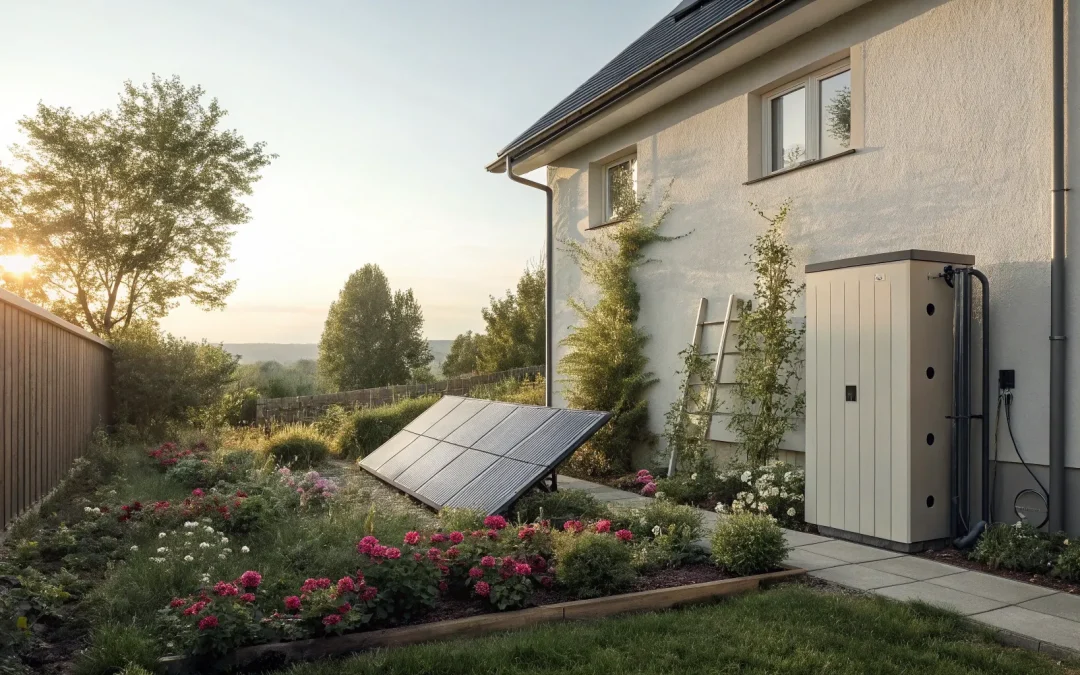
When the power goes out, the whole neighborhood goes dark. But what if your home didn’t have to? Adding a battery to your solar panel system is about more than just saving money—it’s about security and peace of mind. Think of an external solar battery as your personal energy reserve, storing the clean power your panels generate during the day so you can use it anytime. It ensures your lights stay on, your refrigerator keeps running, and your family stays comfortable during an outage. This isn’t just a gadget; it’s a fundamental upgrade that transforms your home into a self-sufficient sanctuary, ready for anything.
Key Takeaways
- Gain true energy independence: A solar battery stores the extra power your panels generate, giving you a reliable backup during outages and reducing your reliance on the utility grid, especially at night.
- Prioritize key performance metrics: When comparing batteries, focus on capacity (kWh) for total energy storage, power output (kW) for running multiple appliances, and a strong 10-year warranty to protect your investment.
- Use incentives to lower the cost: Don’t let the initial price stop you. The 30% federal tax credit, combined with local rebates and financing, can significantly reduce the upfront cost of adding a battery to your home.
What Is a Solar Battery (And Why You Might Want One)
Think of a solar battery as a personal energy bank for your home. It’s a device that stores the extra electricity your solar panels produce on sunny days, so you can use that power whenever you need it. Whether it’s at night, on a cloudy afternoon, or during a grid outage, a battery ensures you have access to clean energy around the clock.
Adding a battery transforms your solar setup from a part-time power source into a full-time energy solution. It’s all about making the most of the clean energy you’re already generating right on your rooftop. A solar panel battery backup system gives you more control over your home’s power, reduces your reliance on the utility company, and provides invaluable peace of mind. Instead of sending your excess solar energy back to the grid, you can save it for yourself, ensuring you always have power when you need it most.
How Solar Batteries Work with Your Panels
When your solar panels are soaking up the sun, they often produce more electricity than your home is using at that moment. A solar battery works seamlessly with your solar panel installation to capture and store that surplus energy. The system is smart—it prioritizes powering your home first. Once your home’s needs are met, the extra energy automatically flows to the battery for charging. Then, when the sun goes down or if clouds roll in, your home will automatically start drawing power from the battery instead of pulling it from the grid. It’s a smooth, hands-off process that ensures you’re always using your own clean energy first.
Gain Energy Independence and Backup Power
One of the biggest reasons homeowners add a battery is for the security of having backup power. When a storm knocks out the neighborhood’s electricity, your home can keep running. A solar battery can power essential appliances like your refrigerator, lights, Wi-Fi, and even medical equipment, keeping your family safe and comfortable. This isn’t just about convenience; it’s about resilience. By storing your own energy, you become less dependent on the utility company and its unpredictable grid. This move toward energy independence means you have a reliable power source right at home, ready for anything.
Save Money and Lower Your Carbon Footprint
Beyond backup power, a solar battery can be a fantastic tool for managing your energy costs. Many utility companies have “time-of-use” rates, where electricity costs more during peak hours, like in the evenings when everyone gets home from work. With a battery, you can use your stored solar energy during these expensive periods instead of buying pricey power from the grid. This simple strategy can lead to significant savings on your monthly bills. At the same time, you’re maximizing the use of your own renewable energy, which further reduces your carbon footprint and the overall benefits of your solar system.
Everyday Uses for Home Solar Batteries
So, what does using a solar battery look like day-to-day? It’s all about creating a more efficient and self-sufficient home. The primary use is self-consumption—powering your home after sunset with the clean energy you generated and stored during the day. It also provides that seamless backup power source during outages, so you might not even notice the grid is down. Finally, it helps you manage energy costs by avoiding high electricity rates. Whether you’re looking to keep the lights on during a storm or simply want to use as much of your own clean energy as possible, a battery makes your solar system work harder for you every single day.
Choosing the Right Solar Battery: What to Look For
Picking the right solar battery can feel like a big decision, but it doesn’t have to be overwhelming. Think of it like choosing any major appliance for your home—you want something reliable, efficient, and suited to your family’s needs. The key is to focus on a few important factors that determine performance and value. From how much power it can store to how it integrates with your solar panels, understanding these details will help you find the perfect match for your home and gain true energy independence. Let’s walk through exactly what you should look for.
Capacity and Power Output
First, let’s talk about capacity and power. Capacity, measured in kilowatt-hours (kWh), tells you how much energy the battery can store. Think of it as the size of your energy savings account. Power, measured in kilowatts (kW), tells you how much electricity the battery can deliver at one time. This determines how many appliances you can run simultaneously. A battery with high capacity but low power might keep your lights on for a long time but struggle to run your microwave and refrigerator at the same time. Your ideal solar panel battery backup system will have the right balance of both to meet your household’s daily energy needs and keep essential appliances running during an outage.
Battery Chemistry and Technology
The technology inside your battery makes a huge difference. Most modern home solar batteries use a type of lithium-ion chemistry, with Lithium Iron Phosphate (LiFePO4) being a popular and reliable choice. Compared to older lead-acid batteries, LiFePO4 batteries are safer, last longer, and are more efficient. A key advantage is their depth of discharge, which means you can use nearly all the stored energy (90-100%) without damaging the battery. This ensures you get the most out of every kilowatt-hour you store, making your investment work harder for you and providing more power when you need it.
Lifespan, Warranty, and Safety Features
A solar battery is a long-term investment, so you want one that’s built to last. Look at the battery’s expected lifespan, often measured in cycles (how many times it can be fully charged and discharged), and its warranty. A strong warranty, like the 10-year warranties common for top brands, guarantees the battery will retain a certain percentage of its original capacity over time. This is your assurance of quality and performance. Also, confirm the battery has been tested and certified for safety by recognized organizations. When you work with us, we only install products that meet the highest standards for safety and durability.
Compatibility with Your Solar System
Not every battery works with every solar panel setup. It’s essential to choose a battery that is compatible with your solar panels and, most importantly, your inverter. The inverter is the brain of your solar system, converting the DC electricity from your panels and battery into the AC electricity your home uses. Some batteries come with their own built-in inverter, while others are designed to pair with specific brands. Ensuring seamless communication between all components is key to an efficient and reliable system. This is where a professional installer can help you select a fully integrated solar panel installation package.
Smart Features and Monitoring
Modern solar batteries often come with smart features that give you more control over your home’s energy. Through a simple mobile app, you can monitor your energy production and consumption in real-time, see how much power is stored in your battery, and track your savings. Some systems even allow you to prioritize which appliances receive backup power during an outage or automatically use stored energy during peak utility rate hours to save you more money. These intelligent controls make managing your energy usage easy and intuitive, putting the power right at your fingertips. To learn more about these features, you can request a free estimate and we can walk you through the options.
Breaking Down Solar Battery Costs and Efficiency
Let’s talk numbers. When you’re considering a major home upgrade, the cost and performance are probably the first things on your mind. A solar battery is a significant investment, so it’s important to understand exactly what you’re paying for and what kind of performance you can expect. We’ll walk through the key factors, from the initial price tag to long-term value, and clear up some common myths along the way.
Understanding the Price Tag
One of the most persistent ideas about solar batteries is that they’re just too expensive for the average homeowner. While the upfront cost is real, it’s more helpful to think of it as a long-term investment in your home’s energy security. The total price includes the battery unit itself, professional installation, and any additional hardware needed to integrate it with your system. As the technology has improved, prices have become more accessible. The best way to understand what a system would cost for your specific home is to get a free solar estimate tailored to your energy needs and property.
What Is Round-Trip Efficiency?
Round-trip efficiency sounds technical, but it’s a simple concept. It measures how much usable energy you get out of your battery for every unit of energy you put into it. Think of it like filling a bucket with a tiny leak—you won’t get out the exact amount you poured in. Modern lithium-ion batteries, like the ones we install, have excellent round-trip efficiency, often over 90%. This means very little energy is lost in the storage process. Plus, they are built to last, typically handling 5,000 to 8,000 charging cycles, ensuring your solar panel battery backup performs well for years to come.
Calculating Your Return on Investment
Calculating the return on your investment for a solar battery goes beyond simple math on your utility bill. While you will save money by using stored solar energy instead of buying it from the grid, the true value is much broader. Consider the peace of mind that comes with having reliable backup power during an outage. You’re also gaining energy independence from unpredictable rate hikes. While a solar panel system might pay for itself in about 10 years, adding a battery can extend that to around 14 years. The key is to weigh the financial payback against the immediate benefits of a more resilient and self-sufficient home.
Common Myths About Battery Costs and Performance
A couple of outdated ideas about solar batteries still float around. First is the myth that they don’t last long. While early battery technology had its issues, today’s systems are incredibly durable and come with long-term warranties for peace of mind. Another misconception is that a battery can’t power your home for a meaningful amount of time during an outage. The truth is, a properly sized system can easily run your essential appliances—like the refrigerator, lights, and medical devices—through a blackout. The key is working with an expert to design a system that matches your family’s needs. If you have questions, we’re always here to contact.
The Top Solar Battery Brands on the Market
Once you decide a solar battery is right for you, the next step is picking a brand. With so many options out there, it can feel a little overwhelming to know where to start. The good news is that a few key players consistently lead the pack in performance, reliability, and innovation. These are the brands that have earned the trust of homeowners and installers alike, and they’re the ones we confidently recommend.
Choosing the right brand often comes down to your specific needs. Are you looking for a battery that can power your whole house during an outage, or just the essentials? Is your priority to maximize your savings on utility bills? Do you already have a solar panel system and need a battery that works well with it? At Renewable Energy Corporation, we help homeowners find the perfect solar panel battery backup by looking at their unique energy goals. We partner with industry leaders like QCELLS and Enphase to make sure you get a high-quality system that’s built to last. Let’s look at some of the top brands you’ll encounter.
Our Top Picks for Your Home
Think of this as your short list for the best home solar batteries. We’ve selected these brands because they have a proven track record of delivering on their promises. They offer excellent warranties, cutting-edge technology, and user-friendly features that give you more control over your home’s energy. Each one has its own unique strengths, whether it’s a modular design that lets you expand your storage later or smart technology that helps you optimize your energy use. We’ll break down what makes each of these brands a fantastic choice for your home.
Tesla Powerwall 3
The Tesla Powerwall is one of the most recognized names in home energy storage, and for good reason. The latest version, the Powerwall 3, stores 13.5 kWh of energy—plenty to keep your lights, refrigerator, and other essentials running smoothly during a blackout. It also has a powerful 11.5 kW output, so it can handle starting up large appliances. A huge plus is its built-in solar inverter, which simplifies the installation process. It uses safe, long-lasting lithium-iron phosphate (LFP) battery chemistry and comes with a solid 10-year warranty. For the amount of storage it offers, the Powerwall 3 is a remarkably affordable and popular choice.
Enphase IQ Battery Systems
If you value flexibility, the Enphase IQ Battery is a standout option. Its modular design is one of its biggest selling points. This means you can start with the amount of storage you need right now and easily add more units later if your family grows or your energy needs change. Enphase batteries integrate perfectly with their own solar panel inverters, creating a seamless, all-in-one system that’s incredibly reliable for backup power. This tight integration makes it a top choice for homeowners who already have or are planning to install an Enphase solar system.
LG Energy Solution RESU Prime
The LG Energy Solution RESU Prime is a fantastic choice for homeowners who want powerful performance without sacrificing a lot of space. Known for its compact design and high energy density, this battery packs a serious punch in a smaller package. It’s a great fit for homes where space in the garage or basement is limited. The RESU Prime comes in a few different capacities, so you can choose the size that best fits your energy consumption. It’s also designed to be compatible with a wide range of solar inverters, making it a versatile option for many different home solar setups.
Generac PWRcell and Sonnen Options
Generac, a brand long trusted for home generators, brings its expertise to the solar world with the PWRcell. Like the Enphase system, it features a modular design that allows for easy expansion. The PWRcell is especially good at helping you manage your energy usage during peak hours, which can save you money on your utility bills. Another excellent brand, Sonnen, offers smart battery systems that go beyond simple storage. A Sonnen battery acts as an intelligent energy manager for your home, optimizing when you use solar power, when you store it, and when you pull from the grid to maximize your savings.
How to Make Your Solar Battery More Affordable
The initial investment for a home solar battery can feel like a big hurdle, but it’s more attainable than you might think. The good news is that you don’t have to shoulder the entire cost on your own. A combination of government incentives, local rebates, and flexible financing can dramatically lower your upfront expense, making energy independence a realistic goal for your family.
Think of it less as a single, large purchase and more as a smart investment with multiple avenues for financial support. Many homeowners are surprised to learn just how many programs are available to encourage the switch to clean energy. From federal tax credits that give you a significant portion of the cost back to local utility rebates that provide immediate savings, these benefits are designed to make systems like a solar panel battery backup accessible. By understanding your options, you can create a financial plan that fits your budget and brings you one step closer to a more resilient and sustainable home. Let’s walk through the key ways you can make your solar battery more affordable.
Take Advantage of Tax Credits and Incentives
One of the most impactful ways to reduce the cost of a solar battery is through the federal Residential Clean Energy Credit. This isn’t a minor discount—it’s a tax credit that allows you to deduct 30% of the total cost of your solar system, including the battery, directly from what you owe in federal taxes. Many homeowners are unaware of the various tax credits and incentives available for solar energy systems, and these financial benefits can significantly reduce the upfront costs of installation. This incentive makes a huge difference and is a key reason why so many families are making the switch now.
Find Rebates and Special Offers
Beyond federal tax credits, you can find even more savings closer to home. Local and state governments, as well as utility companies, often provide rebates and special offers to encourage the adoption of solar energy and battery storage. These programs vary by location, but they can include direct cash-back rebates, performance-based incentives, or other perks. Researching these options can lead to substantial savings. The landscape of local incentives changes often, so it’s helpful to have an expert guide you. We can help you identify the specific rebates you qualify for in your area when you request a free solar estimate.
Explore Your Financing Options
You don’t need to have all the cash on hand to invest in a solar battery. Many homeowners believe that battery storage systems are too expensive, but various financing options, such as loans and payment plans, can make these systems much more accessible. Solar loans are a popular choice, allowing you to pay for your system over time with manageable monthly payments. In many cases, the amount you save on your utility bills can help offset the loan payment. This approach allows you to start enjoying the benefits of backup power and energy savings right away without a massive upfront financial commitment.
Partner with a Certified Installer for the Best Value
Navigating the world of batteries, incentives, and financing can be complex, which is why working with a certified installer is so important. A trusted partner ensures you receive the best value for your investment. An experienced team can help you find all available incentives and rebates, explore financing, and recommend a high-quality battery system that perfectly fits your home’s needs. As Maryland’s oldest family-run solar firm, our team at Renewable Energy Corporation has the expertise to guide you through every step. We’re committed to helping you find the most affordable path to energy independence. You can learn more about our approach and commitment to quality.
Related Articles
- The Ultimate Guide to Solar Battery Backups
- 6 Best Solar Battery Backup Systems for Your Home
- Home Solar Battery Storage: The Ultimate Guide
- How Top Solar Battery Tech Can Maximize Energy Independence?
- Storing Power From Solar Panels: A Complete Guide
Frequently Asked Questions
Do I really need a battery if I already have solar panels? This is a great question. While solar panels are fantastic for generating power during the day, most grid-tied systems are designed to shut down during a power outage for safety reasons. A solar battery gives you true energy independence by storing your excess solar power. This means you can use your own clean energy at night and, most importantly, keep your essential appliances running seamlessly when the grid goes down.
How long will a battery actually power my house during a blackout? The amount of time a battery can power your home depends on its capacity and which appliances you’re running. A typical system is designed to keep your essentials—like the refrigerator, lights, Wi-Fi, and medical devices—powered for many hours, or even a full day or more. When we design a system, we’ll talk about your specific needs to ensure you have the right amount of backup power for your family’s peace of mind.
Can I add a battery to my solar panels later on? Yes, you absolutely can. Adding a battery to an existing solar panel system is a common upgrade. The most important factor is ensuring the battery is compatible with your current solar inverter, which is the device that manages the energy flow. While it can sometimes be more straightforward to install them together, adding a battery later is a perfectly viable option to gain backup power and more energy control.
How long do these batteries last, and what happens when they get old? A solar battery is a long-term investment in your home. Today’s lithium-ion batteries are incredibly durable and typically come with a 10-year warranty. This warranty guarantees the battery will maintain a certain percentage of its original storage capacity over that time. You can expect your battery to perform reliably for well over a decade, providing consistent power for your home day in and day out.
Is the 30% federal tax credit the only way to save money on a battery? The 30% federal tax credit is a huge help, but it’s often just the beginning. Depending on where you live, your state or even your local utility company may offer additional rebates and incentives for installing energy storage. These programs can significantly lower your upfront cost. Part of our job is to help you identify and apply for every single saving you’re eligible for.
Recent Comments