
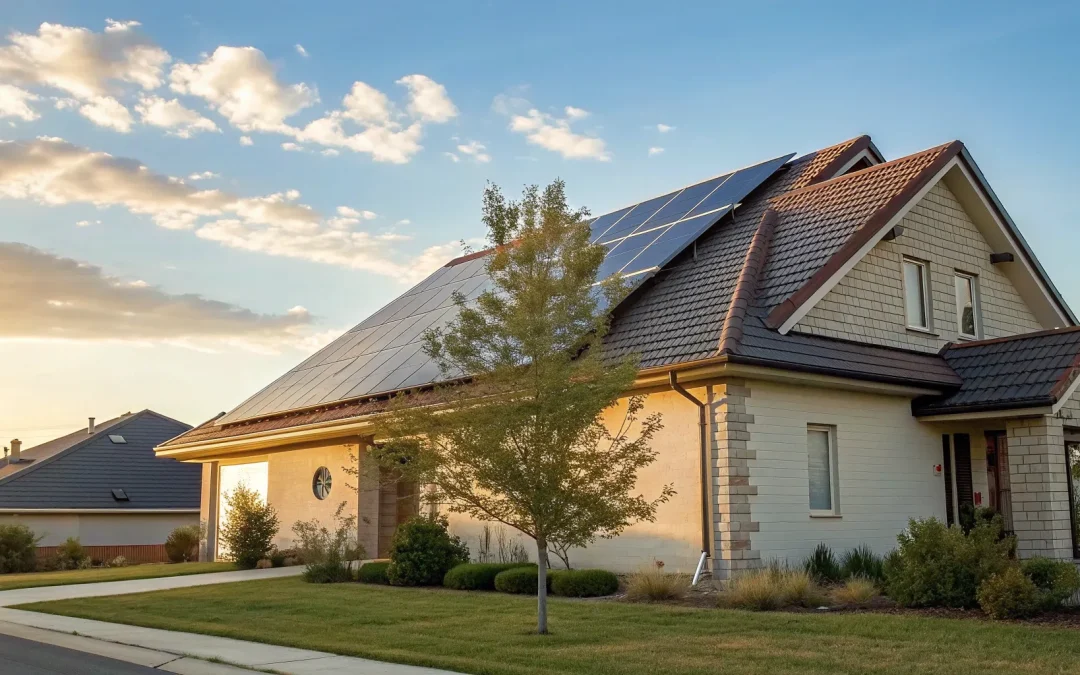
When you’re planning major home upgrades, timing is everything. Putting a brand-new solar system, designed to last for 25 years, on a roof that’s already a decade old is a recipe for future headaches. You’ll eventually have to pay a crew to remove every panel just to replace the shingles underneath. By planning ahead, you can avoid this expensive and completely unnecessary step. The key is to understand the cost to replace roof with solar panels as a single, streamlined project. This article will walk you through the financial benefits of syncing up these two investments, helping you protect your home and your wallet by getting the job done right the first time.
Key Takeaways
- Combine projects for maximum savings: Bundling your roof replacement and solar installation into one job can save you thousands on labor, permits, and the future cost of removing and reinstalling panels.
- Assess your roof’s age first: If your asphalt shingle roof is over 10 years old, replacing it before adding solar is the most strategic move. This syncs up the lifespans of both systems and prevents expensive rework later.
- Understand the long-term financial payoff: This investment pays for itself through the 30% federal tax credit, decades of lower energy bills, and a notable increase in your home’s resale value.
How Much Does a New Roof and Solar Installation Cost?
Thinking about a new roof and solar panels? It’s a smart move, and one of the first questions that comes to mind is about the cost. Understanding the numbers is the first step to making a confident decision for your home. Let’s break down what you can expect to invest and, more importantly, how you can save by tackling both projects at once.
The Price of a Combined Project
Let’s talk numbers. When you decide to replace your roof and install solar panels at the same time, you’re looking at a significant investment, but one that pays off. On average, a combined project costs around $40,000. This typically breaks down to about $29,600 for the solar panel installation and roughly $9,500 for a new asphalt shingle roof. While that total might seem high, it’s important to compare it to doing these projects separately. A new roof on its own can run between $10,000 and $15,000, and a solar system can cost anywhere from $19,000 to $28,000. By bundling them, you could see savings between $4,000 and $15,000 right from the start, according to industry data.
How You Save by Combining Projects
The financial benefits of combining your roof and solar projects go beyond the initial discount. Think of it as smart planning for the future. If your roof is already 5 to 10 years old, installing solar panels on it now means you’ll eventually have to pay to remove and reinstall them when it’s time for a roof replacement. That extra step isn’t cheap—it can cost anywhere from $1,500 to $6,000. By tackling both at once, you completely sidestep that future expense and hassle. It’s a practical move that saves you thousands in the long run and ensures your solar investment is secure on a brand-new foundation. Getting a free solar estimate can help you see the exact savings for your home.
What Determines Your Final Cost?
Figuring out the final price for a new roof and solar panels isn’t about finding a single number online. Instead, the cost is a tailored figure based on your specific home and energy goals. Think of it like a custom-built piece of furniture—the final price depends on the materials, size, and craftsmanship involved. Several key factors come together to shape your project’s total cost, from the type of shingles on your roof to the number of solar panels you need to power your life. Understanding these components will help you see exactly where your money is going and why it’s a solid investment in your home’s future.
Your Roof: Size and Materials
First things first, let’s talk about the foundation of your solar project: your roof. Its size is the most straightforward factor—a larger roof requires more materials and labor, which increases the cost. But the material of your roof plays a big role, too. Asphalt shingles are the most common and generally the most budget-friendly option for a solar panel installation. If you have slate, tile, or metal roofing, the installation can become more complex, potentially adding to the labor costs. It’s important to have a solid base, so if your current roof is nearing the end of its life, replacing it before the panels go on is the smartest move.
Your Solar System: Size and Panels
Next up is the solar system itself. The size of your system, measured in kilowatts (kW), is directly tied to your home’s energy consumption and your goals for offsetting your utility bills. A larger system will generate more power but will have a higher upfront cost. For reference, a typical 10kW system can cost around $28,400 before any incentives are applied. The quality of the equipment also matters. High-efficiency panels and reliable solar panel inverters might cost more initially, but they perform better and last longer, giving you a better return on your investment over the decades you’ll own the system.
Labor Costs and Project Complexity
The cost of skilled labor for both the roofing and solar installation is a significant part of your total budget. This is where combining the projects really pays off. Using one team for a single, streamlined project means you’re not paying two separate crews or dealing with the hassle of coordinating different companies. Bundling the work saves on labor costs and makes the entire process more efficient. Keep in mind that the complexity of your roof’s design can also influence labor costs. A roof with a steep pitch, multiple angles, or numerous dormers will require more time and care to work on, which will be reflected in the final price.
Permits and Fees
Before any work can begin, your project needs the green light from your local municipality, which involves permits and inspection fees. These costs vary depending on where you live. One of the biggest administrative benefits of combining your roof and solar projects is that you’ll likely only have to go through a single permit process. This saves you time, paperwork, and potential headaches. A reputable installer will handle all the permitting on your behalf, ensuring everything is filed correctly and up to code. When you request a free estimate, these fees should be included in the detailed quote so you have a clear picture of the total cost.
How to Lower Your Cost with Incentives
A new roof and solar panels are a significant investment, but you don’t have to cover the entire cost on your own. A combination of federal, state, and even project-specific discounts can dramatically reduce your final bill. Think of these incentives as a financial thank-you for making a smart, sustainable choice for your home. Understanding how to use them is key to making your project as affordable as possible. Let’s break down the main ways you can save.
The Federal Solar Tax Credit
This is the big one. The Federal Solar Tax Credit allows you to deduct 30% of your total solar project cost directly from your federal taxes. It’s a dollar-for-dollar reduction, not just a deduction from your taxable income. For example, on a $30,000 solar installation, this credit would save you $9,000. This incentive applies to the total cost of your system, including panels, inverters, and even a solar panel battery backup. It’s a powerful tool that makes going solar much more accessible for homeowners across the country.
State and Local Rebates
On top of the federal credit, many states and local municipalities offer their own incentives. These can come in the form of rebates, grants, or property tax exemptions that further chip away at your upfront costs. Because we work across Maryland, Virginia, Pennsylvania, Delaware, and DC, we stay on top of the latest local programs. The best way to see what you qualify for is to get a free solar estimate, where we can walk you through the specific savings available in your area. These local perks can make a huge difference in your project’s bottom line.
Bundled Project Discounts
If you know your roof needs replacing soon, bundling it with your solar installation is one of the smartest financial moves you can make. Handling both projects at once can save you $4,000 or more compared to doing them separately. You save on labor, permitting, and project management costs by having one team handle everything. This approach streamlines the entire process, getting your home protected by a new roof and powered by clean energy in a single, efficient project. It’s a win-win that maximizes the value of your solar panel installation.
Should You Combine Your Roof and Solar Projects?
If you’re thinking about going solar, the condition of your roof is a huge part of the conversation. A common question we hear is whether it makes sense to replace your roof at the same time you install solar panels. The short answer is: it depends, but getting the timing right can save you a lot of money and hassle down the road. Think of it as a strategic move. Your solar panels are a long-term investment designed to last for 25 years or more, and you want a roof that can go the distance with them.
The Benefits of a Single Project
Combining your roof replacement and solar installation into one project is often the smartest financial move. When you install a brand-new roof just before the panels go on, you’re syncing up the lifespan of two major home systems. This means you likely won’t have to worry about another roof replacement for the entire time you have your solar panels. Tackling both jobs at once can save you $4,000 or more compared to doing them separately. You save on labor, permitting, and the cost of having to remove and reinstall your panels a decade from now. A combined project ensures your new roof and your solar panel installation are perfectly integrated from day one.
A Simpler Timeline and Permit Process
Beyond the savings, bundling these projects just makes life easier. Managing one major home improvement is much less stressful than juggling two. When you combine the work, you’re dealing with a single timeline, a single point of contact, and a more streamlined permitting process. Instead of coordinating with a roofer and then a separate solar installer, you can have one team handle everything. This integrated approach reduces the risk of delays and miscommunication. You get the peace of mind that comes with a seamless project that delivers a durable new roof and a powerful solar energy system designed to work together for decades. If you’re ready to explore a streamlined project, you can contact our team to get a clear plan.
When to Keep the Projects Separate
However, combining isn’t always the right call. The most important factor is the current age and condition of your roof. If your asphalt shingle roof is less than five years old and in great shape, there’s no need to replace it. But if your roof is approaching the 10-to-15-year mark, you should seriously consider replacing it before installing solar panels. Putting a 25-year solar system on a 15-year-old roof is a recipe for future headaches. You’ll eventually have to pay a significant amount to have the panels removed, the roof replaced, and the panels reinstalled. It’s always better to assess your roof’s health first to avoid paying for the same job twice.
What Are the Best Roofing Materials for Solar?
When you’re planning a solar panel installation, the type of roof you have plays a big role. It influences everything from the installation technique to the overall cost of your project. The good news is that modern solar technology is compatible with most common roofing materials, so chances are, your roof is ready for panels. However, some materials are definitely easier and more cost-effective to work with than others. Knowing the pros and cons of each can help you feel more prepared for the process. Below, we’ll break down the most common roofing types—asphalt, metal, and tile—so you know exactly what to expect for your home and can plan your investment with confidence.
Asphalt Shingles
If your home has an asphalt shingle roof, you’re in a great spot. This is the most common roofing material in the country, and for good reason—it’s affordable, durable, and relatively easy to work with. Solar installers are very familiar with asphalt shingles, which makes for a smooth and efficient installation process. Their lightweight nature means they can easily support the weight of solar panels without requiring extra structural reinforcement. Because they are so common and straightforward to work on, choosing asphalt shingles often helps keep your overall project costs down, making it one of the most popular choices for homeowners going solar.
Metal Roofs
Metal roofs are another fantastic choice for solar. They are incredibly durable and have a long lifespan, often lasting 50 years or more. This longevity is a perfect match for solar panels, which are designed to produce energy for 25 to 30 years. You won’t have to worry about replacing your roof before your panels have lived out their useful life. Metal roofs are also lightweight and strong, providing a secure base for your solar array. Certain types, like standing-seam metal roofs, even allow for installation methods that don’t require drilling any holes into the roof surface, which is a great bonus for preserving your roof’s integrity.
Tile and Other Options
What if you have a tile, slate, or wood shake roof? You can still go solar, but the process can be a bit more complex. Clay and concrete tile roofs are very durable, but they are also heavier and more fragile to work on. Installers need to take extra care to avoid cracking them, and your roof may need additional structural support to handle the combined weight of the tiles and panels. This can add to the project cost and timeline. While it’s also possible to install panels on wood shake and synthetic roofs, they often aren’t as ideal as asphalt or metal due to unique installation challenges and long-term durability concerns.
Common Myths About Solar Costs
Let’s talk about the elephant in the room: the cost. When you’re thinking about a big home improvement project, the price tag is always a top concern. It’s easy to get caught up in rumors and outdated information about solar, so let’s clear the air and tackle some of the most common myths head-on.
Myth: “It’s too expensive.”
I hear this one all the time, and it’s completely understandable why many people feel this way. A 2022 survey found that 60% of homeowners still believe solar is out of their financial reach. The good news is that the reality has changed dramatically. Over the past decade, the cost of solar panels has dropped significantly, making it a much more accessible option for the average family. Plus, you don’t have to pay for everything at once. Flexible financing and payment plans can break down the initial investment into manageable monthly payments, often comparable to what you’re already paying for electricity. Getting a free solar estimate is the best way to see what the actual numbers look like for your home.
Myth: “The incentives are confusing.”
The world of tax credits, rebates, and incentives can seem like a maze. It’s true that there are several programs out there, but they all share one goal: to make going solar more affordable for you. These incentives can substantially reduce the overall cost of your solar installation. Think of them as a major discount on your project. You don’t have to figure it all out on your own, either. A good solar partner will walk you through every available credit and rebate, helping you understand exactly how much you can save and handling most of the paperwork. The process is much more straightforward than you might think, and the savings are well worth it.
Myth: “It’s not a good long-term investment.”
Some homeowners worry that solar panels are just an expense, not an investment that adds real value. But all the data points in the other direction. A home with solar panels is a major selling point, and studies have shown it can increase your property value. Beyond resale value, think about the decades of savings on your energy bills. You’re essentially locking in your electricity costs for the next 25+ years, protecting yourself from rising utility rates. A solar panel installation is an investment in your home’s future and your financial stability, delivering returns year after year.
Does Your Roof Need to Be Replaced First?
It’s one of the most important questions to ask before going solar, and the answer can save you thousands of dollars down the road. Think of it this way: your solar panels are a long-term investment, designed to last for 25 years or more. Your roof needs to be able to keep up. If you install a brand-new solar array on a roof that’s on its last legs, you’ll eventually have to pay a crew to remove every panel, replace the roof, and then reinstall the entire system. It’s an expensive and completely avoidable headache.
As a general rule, if your asphalt shingle roof is already 10 to 15 years old, you should seriously consider replacing it before installing solar panels. While every roof is different, planning ahead ensures you won’t have to pay for the same job twice. Combining a roof replacement with a solar installation is often the most cost-effective and logical approach. It streamlines the process, minimizes disruption to your home, and sets you up for decades of worry-free clean energy production. Let’s get into how you can tell if your roof is ready for the job.
Warning Signs Your Roof Isn’t Ready for Solar
You don’t have to be a roofing expert to spot some of the tell-tale signs of an aging roof. A quick visual inspection can give you a good idea of its condition. If your roof is already more than five or ten years old, installing panels now could mean paying for a costly removal and reinstallation project when it’s time for a replacement.
Start by looking for the most common signs of wear and tear: curled or missing shingles, dark streaks, moss or algae growth, and granules from your shingles collecting in the gutters. Inside your home, check for any water stains on the ceiling or walls, which could indicate a leak. If you notice any of these issues, it’s a strong signal that your roof needs attention before it’s ready to support a solar array.
How to Assess Your Roof’s Condition
While a personal inspection is a great starting point, the best way to know for sure is to get a professional opinion. Before any reputable company installs solar panels, they will conduct a thorough assessment of your roof’s structural integrity and condition. This step is crucial because your roof needs to be strong enough to support the weight of the panels and racking for decades.
A professional will evaluate the age and condition of your roof and its underlying structure. They can identify any hidden issues that aren’t visible from the ground and give you a clear, honest answer about whether it makes more sense to replace it now. At Renewable Energy Corporation, this assessment is a standard part of our process. We want to ensure your home is perfectly prepared for a successful and long-lasting solar installation.
Avoid Paying for Reinstallation Later
The financial argument for replacing an older roof before installing solar is compelling. If you have to remove and reinstall your panels later, you’re looking at a significant extra cost. The process of taking down a solar array can cost anywhere from $1,500 to over $6,000, depending on the size and complexity of your system. That’s a major expense that can be completely avoided with a little planning.
By bundling your roof replacement and solar installation into a single project, you can often find significant savings. Some estimates show that homeowners can save $4,000 or more compared to tackling the projects separately. You’ll only have to deal with one timeline, one crew, and one set of permits. It’s the smartest way to protect your investment and ensure your new solar system has a solid foundation for years to come.
The Long-Term Payoff of a New Roof and Solar
Thinking about the upfront cost of a new roof and solar panels can feel a bit overwhelming, but it’s one of the smartest long-term investments you can make for your home. This isn’t just an expense; it’s a strategic upgrade that pays you back in multiple ways for years to come. By bundling these projects, you’re not only setting your home up for maximum energy efficiency but also for significant financial returns that start from day one and continue for decades. It’s a powerful combination that secures your home’s structure while transforming it into a clean energy powerhouse.
When you look past the initial price tag, you’ll find a future with lower utility bills, a more valuable home, and the security of knowing your investment is well-protected. It’s about making a choice today that will give you financial freedom and peace of mind tomorrow. This combined project is more than just a home improvement—it’s a foundational step toward energy independence and a more sustainable lifestyle. Let’s break down exactly what that payoff looks like and why it’s a move that continues to reward you over its entire lifespan, making your home a true asset.
Decades of Lower Energy Bills
One of the most compelling reasons to go solar is the dramatic reduction in your monthly electricity costs. By generating your own clean energy, you rely less on the utility grid, which means your bills can shrink or even disappear. Over the 25-year lifespan of a typical solar panel system, most homeowners save around $50,000 on electricity. Imagine what you could do with that extra money.
This isn’t just about saving money now; it’s about protecting yourself from unpredictable energy rate hikes in the future. You gain control over your energy costs, creating a more predictable household budget. The benefits of solar extend far beyond your wallet, but the long-term savings are a powerful motivator.
A Higher Home Value
A new roof paired with a solar energy system is a major selling point that can significantly increase your property value. Studies show that homes with solar panels sell for about 4.1% more than homes without them. For the average home, that’s an increase of around $15,000 to $20,000. Buyers are increasingly looking for energy-efficient homes, and a modern solar installation makes your property stand out.
This upgrade signals that your home is well-maintained and forward-thinking. It’s an investment that not only pays for itself through energy savings but also adds tangible value when it’s time to sell. You can get a free solar estimate to see how much value solar could add to your specific home.
Long-Lasting Warranties
Worried about the roof under your new panels? A professional installation comes with peace of mind. Reputable solar installers provide robust warranties that cover both the equipment and the workmanship. Many companies, including ours, offer a warranty for the roof area where the panels are installed, often for as long as 10 years. This ensures that your roof remains protected and that any issues related to the installation are handled without extra cost to you.
Choosing an experienced, family-run company means you’re partnering with a team that stands behind its work. We believe in building lasting relationships with our customers, which is why we prioritize quality and protection. When you work with a trusted installer, you can feel confident that your home and your investment are in good hands.
How to Plan Your Combined Project
Okay, so you’re thinking about tackling both your roof and solar panels at once. Smart move. A little planning here goes a long way toward a smooth, cost-effective project that sets your home up for decades of energy savings. Coordinating these two major upgrades might seem like a lot, but it’s actually simpler and more affordable than you think when you approach it with a clear strategy. From understanding the timeline to finding the right team for the job, here’s how to get it right from the start and make sure your investment is protected for the long haul.
What to Expect from the Timeline
When you bundle your roof replacement and solar installation, you’re essentially hitting two birds with one stone. The timeline becomes much more efficient because you’re dealing with one streamlined process instead of two separate ones. A new roof provides the perfect foundation for a solar system, which is designed to last for 25 years or more. By replacing your roof first, you ensure it will last just as long as your panels. This simple step helps you avoid the future headache and cost of removing your solar array just to fix the roof underneath. It’s all about getting the foundation right so you can enjoy uninterrupted solar power for decades.
How to Find the Right Contractor
Finding the right team is the most important step. Ideally, you want a single contractor who can expertly handle both the roofing and the solar panel installation, which simplifies communication and scheduling. If you work with separate contractors, make sure they have experience collaborating on projects like this. As a family-run solar firm with deep roots in the community, we understand the importance of a seamless process. When you get a free solar estimate, ask about their experience with combined projects. Even if your roof is still in good shape, it’s wise to ask installers about their costs for removing and reinstalling panels down the road—it shows you’re thinking ahead.
Plan Ahead to Protect Your Investment
Thinking ahead is the key to making a great investment. Combining your roof and solar projects isn’t just convenient; it’s a major money-saver. Homeowners can save thousands by bundling the work, since you’re only paying for one set of permits, one labor crew, and one project schedule. Installing solar panels on an older roof is a costly mistake. You’ll eventually have to pay a premium to have the entire system taken down and put back up when it’s time for a new roof. By planning ahead, you protect your investment from the start, ensuring your home is secure, efficient, and ready to generate clean energy without any expensive surprises later on.
Related Articles
- 4 Top Reasons to Get Quality Solar Roofing Installed
- The True Cost of a Home Solar System in 2025
- The Average Cost of Solar Panels in 2025
Frequently Asked Questions
Does the 30% federal tax credit cover the cost of my new roof? This is a great question, and the answer is that it can, but only the portion of the roof that is essential for the solar installation. The federal tax credit is designed specifically for the costs associated with your solar energy system. While you can’t claim the entire cost of a full roof replacement, the portion of the project directly supporting the solar panels may be eligible. We can help you understand exactly how these incentives apply to your specific project during your free estimate.
My roof is only a few years old. Should I still consider replacing it before installing solar panels? If your roof is in great shape and less than five years old, you likely don’t need to replace it. The main goal is to ensure your roof’s lifespan matches the 25-plus-year lifespan of your solar panels. A newer roof is already well-positioned to do that. We always conduct a thorough roof assessment before any installation to confirm its condition, so you can be confident you’re making the right decision and not spending money unnecessarily.
How long does a combined roof and solar installation typically take from start to finish? Combining the projects makes the timeline much more efficient than doing them separately. Once all the permits are approved, the actual on-site work is surprisingly quick. The roof replacement usually takes just a few days, and the solar panel installation follows right after, often taking another day or two. You’re looking at about a week of work at your home, resulting in a brand-new roof and a fully functional solar energy system.
Will installing solar panels damage my new roof or void its warranty? This is a common concern, but when you work with a reputable and experienced installer, your roof and its warranty are protected. We use professional-grade mounting and flashing techniques designed to maintain your roof’s integrity and prevent leaks. Furthermore, we stand by our work with a comprehensive warranty that covers both the solar equipment and the quality of the installation, giving you complete peace of mind.
What if my roof can’t support the weight of solar panels? Before we move forward with any project, our team performs a detailed structural assessment of your roof. This is a standard and crucial part of our process. In the rare case that a roof needs reinforcement to handle the weight of the panels, we will identify this early on and discuss the necessary steps and costs with you. Our priority is to ensure your home is a safe and secure foundation for your solar investment.
Recent Comments