
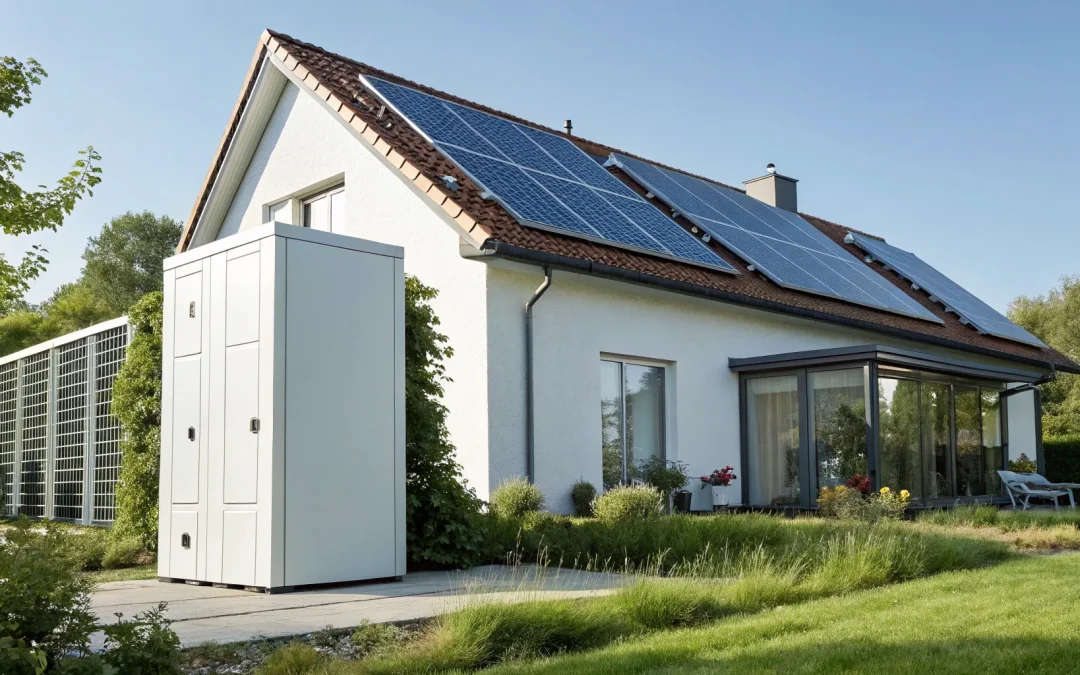
You’ve likely considered home upgrades that add value, like a new kitchen or bathroom. But what about an investment that provides security and can actually pay you back over time? A whole-house battery backup system does just that. It protects your family from power outages, helps you save money on high utility bills by storing your own solar energy, and can even increase your property value. Finding the best whole house battery backup for your home means looking at cost, performance, and long-term benefits. In this guide, we’ll break down the numbers and show you how this smart home technology is a sound financial decision.
Key Takeaways
- Define Your Backup Needs First: Before comparing brands, decide exactly what you want to power during an outage. Knowing whether you need to cover just the essentials or your entire home is the most important step in choosing the right-sized system and avoiding overspending.
- Focus on Long-Term Value, Not Just Price: A reliable battery is a decade-long investment. Compare systems based on key features like power output, warranty, and the ability to expand later, as these factors have a bigger impact on value than the initial price tag alone.
- Professional Installation is Non-Negotiable: For safety and performance, a battery system must be installed by a certified professional. A trusted installer will handle permits, ensure your system is up to code, and integrate it seamlessly with your home’s electrical panel and solar array.
Our Top Picks for Whole House Battery Backup Systems
Picking the right battery backup system can feel like a huge decision, but it doesn’t have to be overwhelming. Think of it like choosing the right appliance for your kitchen—what works for a small apartment won’t be the best fit for a large family home. Your ideal battery depends on your unique energy needs, how much of your home you want to power during an outage, and your budget. We’ve put together a list of our top picks to help you see what’s out there, from industry giants to innovative modular systems.
As you explore these options, remember that a solar panel battery backup is a long-term investment in your home’s security and energy independence. The best systems not only keep your lights on during a blackout but also work seamlessly with your solar panels to store excess energy for later use. This helps you save money on your utility bills and rely less on the grid. We’ll walk you through some of the most reliable and popular systems on the market to help you find the perfect match for your home.
Tesla Powerwall 3
The Tesla Powerwall 3 is a popular choice for good reason. It’s known for its sleek, all-in-one design that includes an integrated solar inverter. This setup makes it highly efficient and simplifies the installation process, which is a win-win. With 13.5 kWh of usable capacity and a powerful 11.5 kW continuous power output, it’s more than capable of running your entire home, including heavy-duty appliances like your HVAC unit. If you’re looking for a high-performance system that combines style with serious power, the Powerwall 3 is a fantastic option to consider for achieving true energy independence.
EG4 PowerPro WallMount
If durability is at the top of your list, the EG4 PowerPro WallMount is built to last. This system is a great choice for homeowners in any climate, thanks to its rugged and weatherproof design that can handle the elements. It delivers 14.3 kWh of usable energy and a 10 kW continuous output, giving you plenty of power to get through extended outages without worry. The EG4 PowerPro is a workhorse, designed for reliability and resilience when you need it most. It’s an excellent solution for anyone who wants peace of mind knowing their power will stay on, no matter the weather.
BLUETTI AC500 + B300S
The BLUETTI AC500 + B300S system stands out for its incredible flexibility. It’s a modular and expandable system, which means you can start with a capacity that fits your current needs and budget, then easily add more batteries later on as your energy demands grow. This “building block” approach is perfect if you plan to expand your solar array or add an EV charger in the future. If you value the ability to scale your system over time without having to replace the entire unit, the BLUETTI offers a smart, future-proof solution for your home energy storage.
Enphase IQ Battery 5P
Enphase is a name we trust, especially when it comes to seamless integration. The Enphase IQ Battery 5P is designed to work perfectly with their industry-leading solar panel inverters, creating a cohesive and highly efficient system. A common setup with 20 kWh of storage and 15 kW of power output provides robust and reliable energy storage for your home. Because Enphase systems are built to communicate flawlessly, you get a smart, streamlined experience that maximizes your energy savings and backup power. For homeowners who already have or are considering an Enphase solar setup, this battery is the natural choice.
LG Chem RESU Prime
The LG Chem RESU Prime is a strong contender, known for its efficiency and reliability. As a DC-coupled battery, it excels at capturing and storing solar energy with minimal loss. It comes in 10 kWh and 16 kWh sizes, and you can even combine units if you have a larger home with higher energy needs. LG is a household name with a reputation for quality, and the RESU Prime lives up to that standard. It’s a solid, dependable option for homeowners who want an efficient battery from a brand they can trust to perform for years to come.
Generac PWRcell
Many people know Generac for its generators, but their PWRcell battery system is an impressive and versatile choice for modern homeowners. It’s designed to integrate smoothly with solar panel systems, providing reliable backup power when the grid goes down. One of its key strengths is its modularity, allowing you to customize the amount of storage you need. You can start with a smaller system and scale up later if your needs change. This flexibility makes the Generac PWRcell a practical and adaptable solution for managing your home’s energy and ensuring you’re always prepared for an outage.
SonnenCore+
If you’re looking for a premium battery system with top-of-the-line features, the SonnenCore+ is worth a look. This is a high-end system known for its advanced technology, long lifespan, and commitment to sustainability. Sonnen focuses on creating smart, durable batteries that offer more than just backup power; they provide a complete energy management solution. While it comes at a higher price point, the investment gets you exceptional performance and longevity. For homeowners who want the best in energy storage technology and are focused on long-term value, the SonnenCore+ is a premium choice.
FranklinWH aPower
The FranklinWH aPower system is making waves with its innovative design and smart features. It’s engineered to integrate easily with both new and existing solar panel systems, making it a versatile option for many homeowners. The aPower battery is focused on providing a reliable and intelligent backup solution that you can count on. Its smart controls help you manage your energy usage efficiently, ensuring you get the most out of your stored power. For those looking for a modern, forward-thinking battery system, the FranklinWH aPower offers a compelling blend of innovation and reliability.
How Much Does a Whole House Battery Backup System Cost?
Thinking about a whole-house battery backup system is exciting, but let’s be real—the first question on everyone’s mind is, “What’s this going to cost me?” The truth is, there isn’t a single price tag. The final cost depends on your home’s specific needs, the equipment you choose, and your location. But don’t let that uncertainty stop you. Understanding the different parts of the price will help you see the full picture and find a solution that fits your budget. Think of it less as a simple purchase and more as a long-term investment in your home’s energy security and independence. Let’s break down exactly what goes into the total cost.
Breaking Down Equipment Costs
The battery itself is the biggest part of your initial investment. The most significant factor here is the battery’s capacity, which is measured in kilowatt-hours (kWh). A larger battery can store more energy to power your home for longer, but it will also have a higher price. Beyond the battery, you’ll also need a solar panel inverter, which converts the stored energy into usable electricity for your home. The brand and technology you choose also play a role, with established names sometimes costing more but offering proven reliability. We can help you compare the top models to find the right balance of capacity and cost for your energy goals.
Factoring in Installation and Labor
The price of the equipment is just one piece of the puzzle. Professional installation is essential for a safe and effective system, and its cost can vary. The complexity of the job is a major factor. For example, installing a battery in a tight space or needing to run wiring across your home will require more time and effort. Your home’s current electrical setup matters, too; some older homes might need an electrical panel upgrade to handle the new system. Working with a trusted, certified team like ours ensures everything is done correctly and up to code, giving you peace of mind that your investment is in good hands.
Are There Hidden Costs?
Nobody likes surprise fees, so it’s smart to know about potential extra costs from the start. Depending on where you live, you may need to pay for local permits to have the system installed legally. As mentioned, if your home’s main electrical panel isn’t up to the task, you’ll need to budget for an upgrade. A transparent installer will walk you through all these possibilities during your initial consultation. When you get a free solar estimate, we make sure to outline every potential cost so you have a clear and complete picture of the investment before making any commitments.
How to Save with Tax Credits and Incentives
Here’s the good news: the price you see isn’t usually the price you pay. Government incentives can significantly lower the cost of a solar panel battery backup. The most well-known is the federal solar tax credit, which allows you to deduct a percentage of the total system cost—including the battery—from your federal taxes. On top of that, many states and even local utility companies offer their own rebates, grants, or tax credits to encourage homeowners to adopt renewable energy. These programs can change, so it’s important to work with a local expert who knows exactly which incentives you qualify for.
Exploring Your Financing Options
Even with incentives, a battery backup system is a major purchase. Fortunately, you don’t have to pay for it all at once. Many homeowners use financing to make the investment more manageable. Solar loans are a popular option, allowing you to spread the cost over several years with a predictable monthly payment. In many cases, the amount you save on your utility bills can help offset the loan payment. When you talk with our team, we can connect you with trusted financing partners and help you explore plans that make sense for your financial situation, making energy independence more accessible than you might think.
What Size Battery Do You Need for Your Home?
Choosing the right size for your solar panel battery backup is one of the most important decisions you’ll make. Think of it like packing for a trip—you need enough to cover your needs, but you don’t want to haul around extra weight you won’t use. A battery that’s too small will leave you in the dark when you need it most, while an oversized one means you’ve spent more money than necessary. The perfect size isn’t a one-size-fits-all number; it’s tailored to your home, your family, and your lifestyle.
The key is to find the sweet spot between comfort and cost. Do you just want to keep the lights on and the refrigerator running during a storm, or do you want to power your entire home without skipping a beat? Answering this question is the first step. From there, you can start looking at your daily energy use, the appliances you can’t live without, and how long you typically experience power outages in your area. We’ll walk through how to figure out exactly what you need, so you can feel confident you’re making a smart investment in your home’s energy independence.
How to Calculate Your Home’s Energy Needs
Before you can pick a battery, you need a clear picture of how much power your home actually uses. The best way to start is by making a list of the appliances and devices you absolutely need during an outage. Think about essentials like your refrigerator, freezer, a few lights, your Wi-Fi router, and maybe a medical device. Next to each item, you can find its wattage (usually on a sticker on the device itself). To figure out your total energy needs, you’ll want to estimate how many hours you’d run each appliance per day. This gives you a “watt-hour” estimate, which is what battery capacity is measured in. For a more detailed assessment, our team can help you get a free solar estimate and a precise calculation.
Essential vs. Whole-Home Backup: What’s the Difference?
Once you know which appliances you want to power, you can decide between an essential load backup or a whole-home backup. An essential backup system is designed to power only your critical devices—the refrigerator, lights, and outlets for charging phones. This is a fantastic, budget-friendly option that provides peace of mind without powering things you can live without for a day or two. A whole-home system, on the other hand, is powerful enough to run almost everything in your house, including high-draw appliances like your air conditioner or electric stove. It offers a seamless transition when the grid goes down, so you might not even notice there’s an outage. The right choice depends on the benefits you value most: basic security or total convenience.
What Affects Your Battery Capacity Needs?
Beyond your list of essential appliances, a few other factors will influence the battery size you need. The size of your home and the number of people living in it play a big role, as more people naturally use more energy. If you plan to power energy-hungry equipment like an HVAC system or a solar EV charger, you’ll need a significantly larger battery capacity. Your local climate matters, too. If you live in an area with frequent, long-lasting outages, you might want a bigger battery for extended security. Finally, having a solar panel installation allows you to recharge your battery during the day, which might mean you can opt for a slightly smaller system since it can replenish its power.
Which Battery Technology Should You Choose?
When you start exploring home batteries, you’ll find that the technology inside makes a huge difference in performance, lifespan, and maintenance. The two main players in the market are lithium-ion and lead-acid. While both can store energy, one is clearly better suited for powering a modern home. Understanding the key differences will help you make a confident choice that fits your energy goals and gives you peace of mind for years to come.
Lithium-Ion vs. Lead-Acid: Which Is Better?
Think of lithium-ion batteries as the modern standard for home energy storage—and for good reason. They can store a large amount of energy in a compact, lightweight unit, which is why they’re also used in everything from smartphones to electric vehicles. These batteries have a long lifespan, often lasting for thousands of charge cycles with minimal maintenance required.
Lead-acid batteries are an older technology. While they tend to have a lower upfront cost, they are bulkier, have a shorter lifespan, and require regular upkeep to perform correctly. For a reliable, long-term solar panel battery backup, lithium-ion is the clear winner, offering superior efficiency and hassle-free ownership.
A Closer Look at Lithium Battery Types
One of the biggest myths about home batteries is that you can only use them if you have solar panels. While they are a perfect match for a solar energy system, modern lithium-ion batteries are incredibly flexible. They can also be charged directly from the electrical grid.
This versatility is a huge advantage. It allows you to store electricity from the grid during off-peak hours when rates are lowest and then use that stored energy when prices are high. Of course, pairing a battery with a solar panel installation gives you the ultimate energy independence, letting you store the clean energy you generate during the day to use whenever you need it.
Thinking About Long-Term Value and Performance
When you’re comparing battery options, it’s easy to focus on the initial price tag. However, it’s more important to think about long-term value. The capacity of your battery system—how much energy it can store—is a major factor in its overall cost, but a larger system often provides better value over time.
While a higher-capacity lithium-ion battery requires a bigger initial investment, its impressive longevity and efficiency lead to greater savings down the road. You’ll have more reliable power for longer, reducing your dependence on the grid and protecting you from rising utility costs. Getting a free solar estimate can help you determine the right size and system for your home’s specific needs.
What Features Matter Most When Comparing Systems?
Once you start looking at different whole house battery backup systems, you’ll notice they aren’t all the same. It’s easy to get lost in the technical specs, but focusing on a few key features will help you cut through the noise and find the perfect match for your home. Think of it like buying a car—you’re not just looking at the color; you’re checking the engine performance, safety features, and how it fits your family’s lifestyle.
A solar panel battery backup is a significant investment in your home’s security and energy independence, so it pays to compare your options carefully. We’ll walk through the five most important features to consider: power output, smart home integration, warranty, weather durability, and expandability. Understanding these elements will ensure you choose a system that not only keeps your lights on during an outage but also serves your family’s needs for years to come. By focusing on what truly matters, you can feel confident in your decision.
Why Power Output and Surge Capacity Matter
Let’s start with the muscle of the system: power output and surge capacity. Power output, measured in kilowatts (kW), tells you how many appliances your battery can run at the same time. Surge capacity is the short burst of extra power the battery can provide to start up large appliances like your air conditioner or refrigerator.
Imagine a power outage hits. You’ll want to run your fridge, a few lights, and maybe the TV. A system with enough power output can handle that load without a problem. But if you try to start your AC, you’ll need adequate surge capacity to manage that initial power draw. It’s crucial to choose a system that can handle your household’s specific demands so you’re never left in the dark or without your essential comforts.
Checking for Smart Home Integration
In a connected home, your battery backup system shouldn’t be left out. Smart home integration allows you to monitor and manage your energy usage right from your phone. You can see how much power your solar panels are generating, how much is stored in your battery, and what your home is consuming in real-time.
This level of control helps you make smarter energy decisions and can even save you money. Some systems offer flexible sizing, allowing you to add battery modules in blocks as your needs change. This smart, adaptable approach means your system can evolve with your home, giving you a more efficient and customized energy solution. It’s about making your power work smarter, not just harder.
Don’t Overlook the Warranty and Lifespan
A whole house battery is a long-term addition to your home, so its warranty and expected lifespan are incredibly important. A strong warranty is a manufacturer’s promise of quality and reliability, giving you peace of mind that your investment is protected. Look for warranties that cover at least 10 years and specify the battery’s expected performance over that time.
Fortunately, most modern lithium-ion battery systems require very little maintenance. As a family-run company that’s been around for decades, we know the importance of standing behind our products. A solid warranty from a reputable manufacturer, paired with an installer you can trust, ensures your system will be a dependable part of your home for years. You can learn more about our commitment to quality on our About Us page.
How Well Does It Handle the Weather?
Here in the Mid-Atlantic, we get a little bit of everything—blazing summer heat, heavy thunderstorms, and the occasional snowstorm. Your battery backup system will likely be installed outside, so it needs to be tough enough to handle whatever Mother Nature throws at it. Look for systems with a rugged, weatherproof design and a high IP (Ingress Protection) rating, which indicates its resistance to dust and water.
A durable system ensures that your backup power will be ready when you need it most, whether it’s during a summer blackout or a winter storm. You shouldn’t have to worry about your battery failing because of the weather. Choosing a system built for any climate means reliable performance and one less thing to stress about during an emergency.
Can You Expand Your System Later?
Your family’s energy needs might change over time. You might buy an electric vehicle, build a home addition, or simply find yourselves using more power. That’s why system expandability is such a valuable feature. A modular system allows you to add more battery capacity down the road without having to replace the entire unit.
This future-proofs your investment and gives you the flexibility to adapt. For example, if you decide to install a solar EV charger in a few years, you can easily add another battery module to handle the extra load. Choosing an expandable system from the start is a smart move that ensures your home energy solution can grow right along with you.
How Do Solar Panels Work with Battery Backups?
Think of solar panels and a home battery as the perfect power couple. During the day, your solar panels are busy converting sunlight into electricity. Your home uses what it needs, and any extra power gets sent to your battery for storage. Instead of sending that valuable energy back to the grid, you save it for later.
When the sun goes down or on a cloudy day, your home automatically starts drawing power from the battery. If there’s a power outage, the system kicks in seamlessly to keep your essentials running. It’s a simple, brilliant cycle that puts you in control of your home’s energy.
Why You Should Pair Solar Panels with a Battery
A battery backup system is what allows you to use your own solar power around the clock. Without one, your solar panels only power your home when the sun is shining. By adding a battery, you store that daytime energy to use at night, significantly cutting down on the electricity you need to buy from the utility company.
The biggest benefit for many homeowners is energy security. A standard solar panel system is required to shut down during a grid outage for safety reasons. But when you have a solar panel battery backup, your home can continue drawing power from the battery, keeping your lights, refrigerator, and Wi-Fi on. It’s peace of mind in a box.
Grid-Tied vs. Off-Grid: What’s Your Setup?
Most homeowners with solar and battery storage have a grid-tied system. This means you are still connected to the utility grid, which acts as a backup. Your home will always prioritize using the energy from your solar panels and battery first. If you ever need more power than your system can provide, you can seamlessly draw it from the grid. This setup gives you the best of both worlds: energy independence and ultimate reliability.
Going completely off-grid is another option, but it means severing ties with the utility company entirely. This requires a much larger and more expensive solar and battery system to ensure you have enough power through every season, including long stretches of cloudy weather. For most homes in the Mid-Atlantic, a grid-tied system is the most practical and cost-effective choice.
Charging from the Grid vs. Solar Power
The best and most economical way to charge your battery is with excess energy from your solar panels. It’s clean, free energy you’re generating right on your rooftop. This is how you maximize the return on your investment and reduce your carbon footprint. A complete solar panel installation with a battery is designed to create a self-sustaining ecosystem for your home.
While you can technically charge a battery from the grid, it’s less common. Some people do this to take advantage of time-of-use rates—charging when electricity is cheap and using that stored power when rates are high. However, charging from the grid won’t save you money if you’re on a standard rate plan, and it won’t work during a power outage. Pairing your battery with solar is what creates true energy resilience.
What Are the Common Myths About Battery Backups?
When you start looking into home battery backups, you’ll likely come across a lot of information—and some of it can be misleading. It’s easy to get tangled up in myths that can make the whole idea seem more complicated or less practical than it really is. Let’s clear the air and tackle some of the most common misconceptions about home energy storage so you can make a decision based on facts, not fiction.
Myth: You can install it yourself.
The DIY spirit is great for many home projects, but installing a whole-house battery backup isn’t one of them. These systems involve high-voltage electricity and need to be integrated safely into your home’s electrical panel. A professional installation is essential not just for safety but also for performance and compliance with local codes and permits. Licensed electricians and certified installers, like our team at Renewable Energy Corporation, have the training to handle the complex wiring and ensure your system works correctly and efficiently from day one. Think of it as an investment in peace of mind, knowing your system is safe and up to code.
Myth: You must have solar panels.
While a solar panel battery backup system is a fantastic combination for energy independence, you don’t actually need solar panels to use a home battery. Many modern battery systems can be charged directly from the electrical grid. This setup allows you to store energy when utility rates are low and use it during peak hours to save money, a practice known as “load shifting.” It also means you’ll have reliable backup power during an outage, regardless of whether you have solar. Of course, pairing a battery with a solar panel installation gives you the ability to recharge with clean energy, even when the grid is down.
Myth: They’re expensive and hard to maintain.
Let’s talk about the price tag. Yes, a home battery is a significant investment, but the idea that it’s prohibitively expensive is often overblown. Federal tax credits and local incentives can dramatically reduce the upfront cost. Plus, a battery system can lead to real long-term savings on your electricity bills, especially if your utility has time-of-use rates. As for maintenance, modern lithium-ion batteries are incredibly low-maintenance. They are self-contained units with no moving parts, designed to operate quietly and efficiently for years without any effort on your part. They are a true “set it and forget it” technology.
Myth: It will power your home forever.
A home battery is a powerful tool for blackouts, but it doesn’t provide an infinite supply of electricity. The amount of time it can power your home depends on the battery’s capacity, the appliances you’re running, and whether you have a way to recharge it, like solar panels. A well-designed system can certainly run your essential appliances—like the refrigerator, lights, and medical devices—for many hours or even a couple of days. The goal is to provide a reliable bridge through a power outage, not to take your home completely off-grid indefinitely. We can help you calculate your energy needs to ensure your system is sized to meet your expectations.
Are Whole House Battery Systems a Good Investment?
Deciding to add a whole house battery system is a big step, and it’s smart to treat it like any major home investment. You’re not just buying a piece of equipment; you’re investing in your home’s energy future, security, and value. The short answer is yes, for many homeowners, a battery system is an excellent investment. It offers a powerful combination of financial savings, energy independence, and a smaller environmental footprint. Let’s break down exactly what that return on investment looks like.
When Will You Break Even?
Let’s talk numbers. The upfront cost of a home battery system can feel significant, with prices often ranging from $5,000 for a basic setup to over $30,000 for a more advanced one. The key is to think beyond the initial price tag and consider the long-term savings. Your break-even point—the moment your battery has officially paid for itself in savings—depends on your local utility rates, how much electricity you use, and the state and federal incentives you qualify for. For a personalized look at your potential costs and break-even timeline, getting a free solar estimate is the best way to understand the specific financial benefits for your home.
How You’ll Save on Your Energy Bills
A home battery is a fantastic tool for managing your energy costs. Many utility companies charge more for electricity during “peak hours”—usually in the late afternoon and evening when demand is highest. A solar panel battery backup system allows you to outsmart this model. You can store solar energy generated during the day or pull electricity from the grid when it’s cheapest (like overnight) and then use that stored power during expensive peak hours. This strategy, known as “time-of-use shifting,” can lead to substantial savings on your monthly bills. Some utility providers even offer programs that give you credit for letting them tap into your stored energy to support the grid.
Gaining Energy Independence and Home Value
One of the most immediate benefits of a battery backup system is peace of mind. When a storm hits and the neighborhood goes dark, your lights stay on. This energy independence means you’re no longer completely reliant on an aging power grid. You can keep your essentials running—from the refrigerator to your home office—without interruption. Beyond security, a battery system is an attractive feature for potential homebuyers. As the market for home energy storage grows, having a modern, efficient power system can make your property more appealing and potentially increase its overall value. It’s a forward-thinking upgrade that pays dividends in both convenience and equity.
Reducing Your Carbon Footprint
If you’ve already installed solar panels, adding a battery is the next logical step toward a greener lifestyle. It allows you to store the excess clean energy your panels produce instead of sending it back to the grid. By using your own stored solar power, you drastically reduce your home’s reliance on fossil fuels, shrinking your carbon footprint day and night. This commitment to sustainability is also supported by various government programs. You can find many local, state, and federal incentives, like tax credits and rebates, that make the benefits of solar and battery storage even more accessible, helping you save money while you help the planet.
What Should You Expect During Installation?
Getting a whole-house battery backup system is an exciting step toward energy independence, but the installation process can feel like a bit of a mystery. Knowing what to expect can make the entire experience feel much smoother. A professional installation is about more than just mounting a box on the wall; it involves careful planning, electrical work, and ensuring everything is up to code for your safety and the system’s performance. Let’s walk through the key stages so you feel confident from start to finish.
Permits and Panel Upgrades: What to Know
Before any tools come out, there’s some important prep work that happens behind the scenes. Installing a battery backup system requires compliance with local building and electrical codes, which means securing the right permits. This process can sometimes cause delays or add costs if you’re not familiar with the requirements. A seasoned installer will handle the paperwork and inspections for you. During the initial assessment, your installer will also evaluate your home’s main electrical panel. Some older homes may need a panel upgrade to safely manage the additional power from the battery system. This is a crucial step to ensure your entire electrical system works together seamlessly and safely.
The Installation Process from Start to Finish
On installation day, the certified technicians will begin by confirming the best location for your new battery. This is typically in a garage, basement, or utility room where it’s protected from the elements and has adequate ventilation. The team will then securely mount the battery unit and the accompanying inverter. Next comes the most critical part: the electrical work. The installers will connect the solar panel battery backup to your main electrical panel and, if you have one, your solar panel system. Once everything is wired up, they’ll power on the system, connect it to your Wi-Fi for monitoring, and run tests to make sure it’s operating perfectly. They should also walk you through how the system works and how to monitor its performance.
How to Prepare Your Home for Installation
You can help make installation day go as smoothly as possible with a little preparation. First, clear a path and the designated space where the battery will be installed. The technicians will need a clean, accessible area to work safely and efficiently. It’s also a good idea to have your Wi-Fi network name and password ready, as most modern battery systems connect to the internet for software updates and performance monitoring. Finally, think about any questions you might have for the installation team. This is the perfect time to ask about maintenance, what to expect during a power outage, or how to interpret the data in your monitoring app. Having a few questions prepared ensures you get all the information you need.
How to Choose the Right System for You
Picking the right whole-house battery backup system feels like a big decision, but it doesn’t have to be overwhelming. It comes down to understanding your home’s specific needs, your budget, and your long-term goals. Think of it as finding a solution tailored just for you—one that provides peace of mind during an outage and helps you get the most out of your energy system. By focusing on a few key areas, you can confidently select a battery backup that fits your life perfectly.
Finding the Right Match for Your Home
First, let’s figure out what your home actually needs. The goal is to determine how much energy storage you need based on your home’s appliances and how long you want to be backed up. Do you just want to keep essentials like the fridge and Wi-Fi running, or do you want to power your entire home? Make a list of your must-haves. Also, consider your local climate. If you live in an area with extreme temperatures, look for a battery system designed for all-weather performance to ensure it runs efficiently. A quick free solar estimate can give you a clear picture of your energy consumption and what size system would be the best fit.
Budget vs. Premium: Making the Choice
Cost is always a factor, and battery backup systems have a wide price range. A basic system might start around $5,000, while a large, advanced one could be $30,000 or more. The initial cost typically ranges from $400–$750 per kilowatt-hour, not including installation. While it’s tempting to go for the lowest price, think about long-term value. Premium systems often come with longer warranties, better performance, and smart features that can lead to greater energy savings over time. It’s about balancing the upfront investment with the long-term benefits of reliability and energy independence.
Key Questions to Ask Your Installer
When you’re ready to talk to a professional, having a few key questions prepared will make the process much smoother. A good installer can guide you, but it helps to know what to ask. For instance, consider if you want an all-in-one system or a modular one that you can expand later. If you already have solar panels or plan to get them, make sure the battery system works well with them. Compatibility is essential for an efficient home energy system. Don’t hesitate to ask about warranties, expected lifespan, and what the installation process looks like.
Related Articles
- Battery Backup for Solar Panels – Worth It?
- Battery Backup | Renewable Energy Corporation
- Solar Battery Backup Installation | Reliable Power & Savings
- The Ultimate Guide to Solar Battery Backups
- Maximize Solar Panels with a Home Battery Backup
Frequently Asked Questions
How long will a battery backup actually power my home during an outage? There isn’t a single answer to this, as it really depends on the size of your battery and what you choose to run. A system designed to cover just your essentials—like the refrigerator, a few lights, and your Wi-Fi—could last for a day or more. If you have a larger system and solar panels to recharge it during the day, you could potentially keep your home running for several days through an extended outage. It all comes down to matching the battery’s capacity to your specific needs.
Can a battery really run my whole house, including my air conditioner? Yes, it absolutely can, but it requires the right system. Powering a large appliance like an HVAC unit requires a battery with a high continuous power output and enough surge capacity to handle the initial startup. This is why a professional assessment is so important. We can help you choose a robust system, like the Tesla Powerwall 3 or a larger Generac PWRcell setup, that is properly sized to manage your entire home’s electrical load without skipping a beat.
What happens if the power goes out when my battery isn’t fully charged? Your battery will provide backup power for as long as its current charge lasts. For example, if your battery is at 50% capacity when an outage occurs, it will still power your essential appliances for half the time a full battery would. This is a key reason why pairing a battery with solar panels is so effective. Even during a grid outage, your solar panels can recharge the battery as soon as the sun is out, giving you a continuous source of power.
Do I have to have solar panels to get a home battery? Not at all. While batteries and solar panels are a perfect match, you can absolutely install a battery backup system on its own. The battery can charge directly from the electrical grid, ensuring you have a reserve of power ready for any outage. This setup can also help you save money if your utility has time-of-use rates, as you can store energy when it’s cheap and use it when prices are high.
How much maintenance is involved after it’s installed? This is one of the best parts about modern battery technology. The lithium-ion systems we install are designed to be virtually maintenance-free. They are self-contained units that operate quietly and efficiently in the background without requiring any regular service or upkeep from you. Once it’s professionally installed, you can essentially set it and forget it, feeling confident that it will be ready to work when you need it most.
Recent Comments