
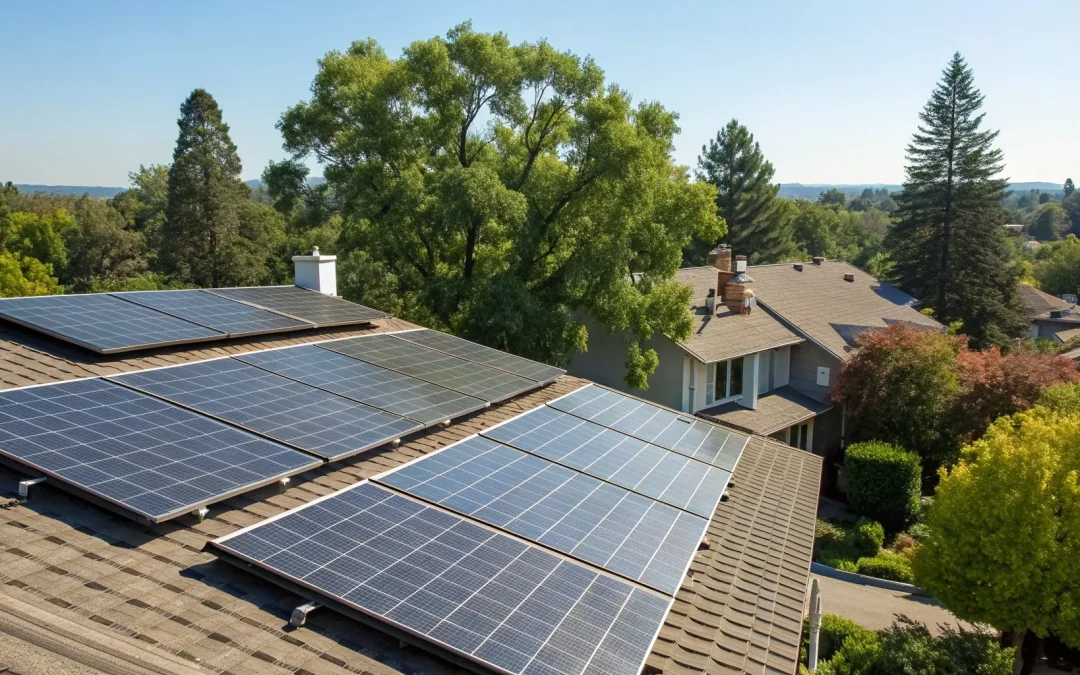
The world of solar energy can feel complicated, filled with technical jargon like watts, inverters, and efficiency ratings. It’s easy to get overwhelmed. If you’re just starting your research, think of the 400-watt panel as your main point of focus—it’s the modern standard for a reason. Our job is to make the rest of it simple. This guide will explain in plain language what sets different panels apart, without getting bogged down in confusing specs. We’ll cover the practical differences in performance, durability, and warranty coverage. By the end, you’ll have the clarity you need to select the best 400 watt solar panel for your home with total confidence.
Key Takeaways
- Focus on performance, not just the wattage number: A 400-watt rating is a great starting point, but factors like efficiency, temperature tolerance, and build quality determine real-world energy production. A strong warranty is your best indicator of a panel built to last.
- Remember that panels are part of a larger system: To turn sunlight into usable power for your home, you’ll also need essential hardware like inverters and, optionally, a battery for backup. Professional installation ensures all these components work together safely and deliver the performance you expect.
- View solar as a long-term investment, not just an expense: The upfront cost is significantly reduced by long-term energy savings and valuable incentives like the federal solar tax credit. Calculating your potential return on investment shows how solar can protect you from rising utility rates and add value to your home.
What Is a 400-Watt Solar Panel?
If you’re starting to look into solar for your home, you’ll quickly come across the term “400-watt solar panel.” Think of it as the new gold standard for residential solar. For years, panels were smaller and less powerful, but technology has come a long way. Today, 400-watt panels have become the go-to choice for homeowners because they strike the perfect balance between size, power output, and cost.
Essentially, a panel’s wattage is a measure of its power potential. A higher wattage means the panel can generate more electricity from the same amount of sunlight. By choosing 400-watt panels, you can get more power from fewer panels, which is great news if you have limited roof space. This efficiency is a key reason why a modern solar panel installation can significantly reduce or even eliminate your monthly electricity bill. It’s all about getting the most energy possible out of every square foot of your roof.
What Sets a 400-Watt Panel Apart
So, what does “400-watt” actually mean? It’s the panel’s power rating under ideal, lab-tested conditions, often called Standard Test Conditions (STC). This means that for every hour the panel is exposed to direct, peak sunlight, it has the potential to produce 400 watts of electricity.
Think of it like the horsepower rating for a car—it tells you the engine’s maximum potential. While you won’t always be driving at top speed, that number gives you a solid benchmark for performance. The same goes for solar panels. This rating helps you and your installer design a system that’s perfectly sized to meet your home’s energy needs.
How Much Power Do They Actually Produce?
While a 400-watt panel has the potential to produce 400 watts of power, its real-world output will vary. Factors like your geographic location, the time of day, weather conditions, and the angle of your roof all play a role. On a clear, sunny day in the Mid-Atlantic, a single 400-watt panel can produce around 1.6 to 2.2 kilowatt-hours (kWh) of energy.
Over a year, that single panel could generate more than 650 kWh of clean electricity. When you combine multiple panels into a complete system, that energy adds up quickly, making a real dent in your utility bills. To figure out exactly how much power your home could generate, it’s best to get a free solar estimate based on your specific property and energy usage.
Common Myths About Panel Performance
Let’s clear up a few common misconceptions about how solar panels work. First, a 400-watt panel doesn’t produce 400 watts constantly from sunrise to sunset. Its output will ramp up as the sun gets higher, peak around noon, and then decrease as the sun sets.
Another myth is that solar panels don’t work on cloudy days. While they produce the most power in direct sunlight, they absolutely still generate electricity when it’s overcast. Modern panels are surprisingly efficient in low-light conditions. And for days when you produce more power than you use, a solar panel battery backup can store that excess energy, giving you power security even when the grid goes down.
How to Compare 400-Watt Panels
When you start shopping for solar panels, you’ll quickly notice that not all 400-watt panels are the same. The number on the label is a great starting point, but the real value lies in the details. To make a smart choice for your home, you need to look at a few key factors that determine how much power you’ll actually get and how long your investment will last. Let’s walk through exactly what to look for.
Efficiency and Power Tolerance
A panel’s efficiency rating tells you how well it converts sunlight into electricity. While all the panels we’re discussing are rated at 400 watts, a more efficient panel will be physically smaller than a less efficient one. If you have limited roof space, higher efficiency means you can generate more power in a smaller footprint. Also, look at power tolerance. This tells you how much a panel’s actual output might differ from its 400-watt rating. A panel with a positive power tolerance rating guarantees it will produce at least 400 watts, and possibly more, under standard test conditions.
Performance in High Temperatures
It seems counterintuitive, but extreme heat can actually reduce a solar panel’s output. A panel’s performance is tested at a standard temperature (around 77°F), but a dark roof on a hot summer day can get much hotter. That’s why you should check the temperature coefficient. This number tells you how much power the panel loses for every degree the temperature rises above the standard. A lower temperature coefficient is better because it means your panels will perform more reliably during those summer heatwaves. The right solar panel inverters also play a big role in managing your system’s output in varying conditions.
Build Quality and Durability
Your solar panels are going to be on your roof for decades, facing everything from summer storms to winter snow. That’s why build quality is non-negotiable. Look for panels constructed with durable materials like strong tempered glass and sturdy aluminum frames that can withstand heavy snow loads and high winds. The internal components, like the monocrystalline silicon cells, should also be high-quality to ensure they keep producing power efficiently for years to come. A solid build quality is the foundation of a reliable solar panel installation that you won’t have to worry about.
Warranty and Customer Support
A strong warranty is one of the best indicators of a manufacturer’s confidence in its product. Solar panels typically come with two warranties: a product warranty and a performance warranty. The product warranty covers defects in materials and workmanship, usually for 10 to 25 years. The performance warranty guarantees the panel will still produce a certain percentage of its original output after 25 years. Look for companies that stand behind their products with long-term warranties, as this protects your investment and gives you peace of mind.
Our Top Picks for 400-Watt Solar Panels
With so many great options on the market, picking the right solar panel can feel a little overwhelming. The truth is, the “best” panel really depends on your specific goals. Are you looking for top-of-the-line efficiency, a sleek design that blends into your roof, or the most budget-friendly option that still delivers solid performance? To help you sort through it all, we’ve put together a list of our favorite 400-watt panels that consistently impress us and our customers.
As a company that has been helping homeowners in the Mid-Atlantic for decades, we’ve worked with a lot of different brands. We only partner with manufacturers we trust to deliver reliable, long-lasting quality. This list includes some of the industry’s most respected names, including our preferred partner, QCELLS. We’re confident that one of these panels will be the perfect fit for your home. If you’re ready to see what might work for your specific roof, you can always get a free solar estimate from our team.
QCELLS Q.PEAK DUO BLK ML-G10+
If you’re looking for a high-performance panel that’s made right here in the USA, the QCELLS Q.PEAK DUO is an excellent choice. We’re proud to be a QCELLS partner because they consistently produce highly efficient and reliable panels that stand up to the elements. Their Q.PEAK DUO line is known for its outstanding performance, even in low-light conditions, ensuring you get more power throughout the day. For homeowners who value quality craftsmanship and supporting domestic manufacturing, this panel is a fantastic investment in your home’s energy future. It’s a workhorse we confidently recommend for any solar panel installation.
Maxeon 3
For those who want the best of the best, the Maxeon 3 panel is a top contender. It’s widely recognized for its industry-leading efficiency, meaning it can generate more power in a smaller amount of space. What really makes it stand out is the built-in microinverter technology. Each panel operates independently, so if one is partially shaded, it won’t affect the output of the others. This design maximizes your energy production throughout the day. Paired with an impressive warranty, the Maxeon 3 is a premium choice for homeowners who want cutting-edge technology and peak performance from their solar panel inverters.
Silfab Elite SIL-410 BG
Who says solar panels can’t be stylish? The Silfab Elite is designed for homeowners who care just as much about aesthetics as they do about performance. With its sleek, all-black appearance, this panel offers a sophisticated look that seamlessly integrates with your roofline, enhancing your home’s curb appeal. But it’s not just about looks—the Silfab Elite is also a high-efficiency panel manufactured in the USA, delivering powerful performance and durability. If you’re looking for a panel that looks as good as it works, this is an option that beautifully combines form and function.
Canadian Solar HiKu
If you’re searching for a panel that offers a fantastic balance of performance, quality, and price, the Canadian Solar HiKu is a standout. It’s a true “best value” option, providing reliable efficiency and durable construction without the premium price tag of some other models. This panel is a popular choice for homeowners who want to make a smart, cost-effective investment in solar energy without sacrificing quality. It’s a dependable workhorse from a globally recognized brand, making it a practical and financially savvy choice for reducing your energy bills for years to come.
Mission Solar MSE PERC 60
For homeowners focused on finding a high-quality, affordable solar solution, the Mission Solar MSE PERC 60 is tough to beat. This panel delivers solid performance and durability at a very accessible price point, making the switch to solar more attainable. Even better, it’s made in the USA, so you can feel good about supporting domestic manufacturing while saving money on your utility bills. It’s a straightforward, no-fuss option that proves you don’t have to break the bank to get a reliable solar energy system for your home.
Solaria PowerXT Pure Black
Peace of mind is a huge factor when investing in solar, and that’s where the Solaria PowerXT shines. This panel is backed by an exceptional 30-year warranty that covers power, parts, and labor—one of the most comprehensive in the industry. This long-term protection means you can feel secure in your investment for decades. Beyond the warranty, the PowerXT also features a stunning all-black design for a clean, modern look on your roof. It’s a fantastic choice for homeowners who prioritize long-term reliability, comprehensive coverage, and a polished aesthetic.
EcoFlow Foldable 400W
While most of our list focuses on residential rooftop panels, we wanted to include a great portable option. The EcoFlow Foldable 400W panel is not for your house—it’s for your adventures. This lightweight, foldable panel is designed for life on the go, whether you’re powering an RV, camping off the grid, or need a reliable energy source for outdoor activities. It’s easy to transport and set up, giving you the freedom to harness solar power wherever you are. It’s the perfect solution for outdoor enthusiasts who want to bring clean energy along for the ride.
Fixed vs. Portable: Which Is Right for You?
When you start looking at solar panels, you’ll quickly notice they come in two main flavors: fixed and portable. The right one for you really comes down to your lifestyle and what you want to accomplish. Are you looking for a long-term solution to power your home and reduce your energy bills, or do you need a flexible power source for your weekend adventures? Let’s break down the differences to help you decide.
The Perks of a Fixed Installation
Fixed solar panels are the workhorses of the residential solar world. These are the panels you see securely mounted on rooftops or on the ground, designed for a permanent, long-term solar panel installation. Because they’re stationary, they can be positioned at the perfect angle to capture the maximum amount of sunlight throughout the day, all year long. This makes them incredibly efficient and reliable for powering your entire home. Think of a fixed system as a permanent upgrade to your house—one that consistently generates clean energy and delivers significant savings on your utility bills for decades.
Why You Might Want a Portable Panel
On the flip side, portable solar panels are all about flexibility. These are smaller, lighter panels you can fold up, pack in your car, and take with you wherever you go. They’re fantastic for camping trips, RVs, or as a backup power source during an emergency. Their convenience for on-the-go use means you can charge phones, laptops, and small appliances when you’re away from a traditional power outlet. While they won’t power your whole house, they offer an eco-friendly way to keep your essential devices running when you’re off the grid.
When to Use Each Type
Choosing between fixed and portable panels is a matter of purpose. If your goal is to reduce or eliminate your home’s reliance on the grid and make a long-term investment in your property, a fixed installation is the clear winner. A professional can assess your property to ensure factors like shading and panel angle are optimized for peak performance. For those who need power for temporary or mobile situations, a portable panel is the perfect fit. It’s not an either-or situation for everyone; some homeowners with a fixed system also own a portable panel for recreational use.
Space and Mounting Requirements
For a fixed home installation, space is a key consideration. You’ll need a good amount of unobstructed roof area that gets plenty of sun. Since each 400-watt panel takes up about 25 square feet, a typical home system requires a significant amount of dedicated space. Before moving forward, it’s essential to have a professional evaluate your roof’s condition, size, and sun exposure to design a system that meets your energy needs. You can get a free solar estimate to see exactly what’s possible for your home.
What You’ll Need for Installation
Once you’ve picked out the perfect 400-watt panels, the next step is getting them up and running. A successful installation involves more than just the panels themselves; it’s about creating a complete system that works seamlessly with your home. From choosing the right companion hardware to deciding between a DIY project and a professional setup, here’s what you need to know to make sure your new solar array performs at its best from day one.
Finding Compatible Equipment
Your solar panels are the stars of the show, but they need a solid supporting cast to power your home. To convert the direct current (DC) electricity your panels generate into the alternating current (AC) your appliances use, you’ll need a solar panel inverter. Think of it as the brain of your solar system. If you want to keep the lights on during an outage or use solar power after the sun goes down, you’ll also need a solar panel battery backup to store that extra energy. Along with the right cables and mounting hardware, these components work together to create a reliable, efficient system tailored to your home’s energy needs.
Should You Hire a Pro or DIY?
While the idea of a DIY installation can be tempting, going solar involves complex electrical work and roofing know-how. It’s more than just mounting panels; it’s about safely connecting a power-generating system to your home’s grid. For most homeowners, it’s best to talk to an experienced solar installer to figure out exactly what your home needs. A professional can assess your roof space, calculate your energy requirements, handle local permits, and ensure everything is installed to code. This not only guarantees safety and performance but also protects your warranties. A pro can get the job done right, giving you peace of mind and a system built to last.
Simple Maintenance to Keep Things Running
One of the best things about solar panels is how little maintenance they require. For the most part, they take care of themselves. Your main task is to keep them clean and clear of obstructions. A good rainstorm often does the trick, but if you live in a dusty area or notice pollen buildup, a quick rinse with a hose can help. It’s also a good idea to periodically check for any new shading from growing trees that might block sunlight. A professional installer will ensure all connections are secure during the setup, but keeping an eye on things helps your system operate at peak efficiency for years to come.
How to Monitor Your System’s Performance
Wondering how much power your panels are actually producing? Modern solar systems make it easy to see your energy in action. Most installations come with monitoring software, often accessible through a simple app on your phone. These tools give you a real-time look at your energy production and consumption, so you can see exactly how much electricity your panels are generating throughout the day. This data is not only fascinating but also helps you ensure your system is operating efficiently. You can track your savings, understand your home’s energy patterns, and confirm that you’re getting the most out of your investment.
How You Can Use 400-Watt Panels
So, what can you actually do with these powerful panels? A 400-watt panel is incredibly versatile, making it a great choice for a wide range of energy goals. Whether you’re looking to reduce your home’s reliance on the grid, power your adventures on the road, or achieve complete energy independence, these panels can be the foundation of your system.
The key is understanding how their output translates into real-world use. A single 400-watt panel can generate a surprising amount of electricity, and when you combine several of them, you can power everything from small appliances to an entire home. Let’s walk through some of the most common and exciting ways you can put 400-watt solar panels to work for you.
Powering Your Home
This is one of the most popular uses for 400-watt panels, and for good reason. They hit a sweet spot of high power output and a manageable size, making them ideal for residential rooftops. To give you a clear picture, an average American home uses around 10,500 kWh of electricity per year. A professionally planned solar panel installation with about 13 of these 400-watt panels could cover that entire demand.
This setup would require roughly 390 square feet of roof space, which is a feasible amount for many homeowners. By harnessing the sun’s energy, you can significantly lower or even eliminate your monthly electricity bills and reduce your carbon footprint at the same time.
On the Road: RVs and Mobile Setups
If you love the freedom of the open road, solar power can make your travels even better. A 400-watt panel is powerful enough to keep the lights on, your fridge running, and your devices charged in an RV or van. You can choose between fixed panels mounted permanently to your vehicle’s roof or portable, foldable panels that you can set up at your campsite.
This kind of setup gives you the ability to go off-grid without sacrificing comfort, allowing you to stay in beautiful, remote locations for longer. It’s a quiet, clean, and reliable source of power that lets you enjoy your adventures without needing to find a powered campsite or run a noisy generator.
Living Off the Grid
For those dreaming of true energy independence, 400-watt panels are a solid choice for an off-grid lifestyle. Whether it’s for a remote cabin, a farm, or a primary residence, these panels can form the core of a system that completely disconnects you from the utility company. Because they work with higher-voltage systems, you can build a robust setup capable of powering your entire property.
Living off-grid means you are your own power plant. It requires careful planning to ensure you generate and store enough energy to meet all your needs, day and night, but the reward is complete control over your power supply and a truly self-sufficient way of life.
Adding a Battery for Backup Power
Whether you’re connected to the grid or not, pairing your solar panels with a battery is a game-changer. A solar panel battery backup system stores the excess energy your panels produce during the day so you can use it at night or during a power outage. This gives you incredible peace of mind, knowing your lights and essential appliances will stay on even when the grid goes down.
To make this work, you’ll need to match your battery storage capacity to your energy needs. Think about which appliances you’d want to run during an outage—like your refrigerator, lights, and medical devices—to ensure your system is sized just right for you.
Is It a Good Investment? Let’s Talk Numbers
Going solar is a big decision, and it’s smart to do your homework on the financial side of things. While the idea of reducing your carbon footprint is a huge plus, most of us also need the investment to make sense for our wallets. The good news is that with rising energy costs and powerful incentives, a solar panel system is one of the most reliable home improvements you can make. It not only lowers your monthly bills but also adds real value to your property.
So, let’s break down the costs, the savings, and the incentives that make it all work. Understanding these numbers will help you see the full picture of what a solar investment looks like, both on day one and for decades to come. We’ll look at what you can expect to pay for the panels and installation, how to calculate your return on that investment, and the government credits designed to make the switch even more affordable.
What to Expect for Panel Prices
Let’s get straight to the point: what does a solar system cost? While prices vary, a professionally installed system using 400-watt panels typically ranges from $3 to $5 per watt. This means the final price tag depends heavily on the size of the system you need to power your home. For example, a common 8-kilowatt system might have a different price point than a larger 12-kilowatt system.
This price includes not just the panels but also the inverters, mounting equipment, labor, and permits. Think of it as an all-in price to get you up and running. The best way to know for sure what it would cost for your specific home is to get a free solar estimate.
Factors That Affect Installation Costs
The panels themselves are just one piece of the puzzle. The total cost of a solar panel installation is influenced by several key factors. The complexity of your roof, the type of mounting hardware required, and the specific inverter technology you choose all play a role. For instance, a simple gabled roof is more straightforward to work on than a roof with multiple angles and dormers.
Beyond the physical installation, it’s important to consider the quality of the equipment and the warranty that comes with it. Opting for the cheapest option upfront can sometimes lead to higher costs down the road if you’re dealing with repairs or inefficient performance. A reputable installer will help you choose durable, high-efficiency components that provide the best long-term value.
Calculating Your Long-Term Savings
This is where the investment really starts to pay off. A single 400-watt solar panel can produce around 657 kilowatt-hours (kWh) of electricity per year, depending on how much direct sunlight your roof gets. Now, multiply that by the 15 to 25 panels in a typical residential system, and you can see how the energy production adds up quickly.
To figure out your savings, just look at your current utility bill to see what you pay per kWh. Every kilowatt-hour your panels produce is one you don’t have to buy from the utility company. Over the 25- to 30-year lifespan of your system, these savings can amount to tens of thousands of dollars, protecting you from unpredictable rate hikes. The benefits of solar go far beyond just your monthly bill.
Don’t Forget About Tax Credits
Financial incentives are designed to make going solar even more accessible for homeowners. The most significant of these is the federal solar tax credit, which allows you to deduct a large percentage of your system’s total cost directly from your federal taxes. This isn’t just a small deduction; it’s a dollar-for-dollar credit that can reduce what you owe, substantially lowering the net cost of your investment.
On top of the federal credit, many states and local utility companies offer their own rebates, tax credits, or performance-based incentives. These programs can further shorten your payback period and increase your overall return on investment. Be sure to ask about all the available incentives in your area, as they can make a huge difference in the final cost. You can find more details on our FAQ page.
Get the Most Out of Your Solar Panels
Once your solar panels are installed, you want to make sure they’re working as hard as you are. A 400-watt panel is a powerful piece of technology, but its real-world output depends on several factors. Think of it less like a lightbulb with a fixed wattage and more like a sail that catches energy from the sun—how much you capture depends on how well you position it.
Getting the most from your system isn’t just about the panels themselves; it’s about the entire setup. The panels are only about half of the equation. The other half includes the equipment that converts and stores the energy, the quality of the installation, and how well the system is maintained. By paying attention to a few key areas, you can ensure your investment delivers clean, reliable energy for years to come.
Finding the Best Spot for Your Panels
Where you place your solar panels has the biggest impact on their performance. The ideal spot is a south-facing roof with a clear, unobstructed view of the sun throughout the day. Even small amounts of shade from trees, chimneys, or neighboring buildings can significantly reduce your energy production.
The angle of the panels, also known as the tilt, is another critical factor. The best angle changes with the seasons, but a professional installer will find the optimal year-round position for your specific location. A proper solar panel installation considers all these variables—roof direction, shading, and tilt—to maximize your system’s daily energy harvest.
How Weather Affects Performance
It’s a common misconception that a 400-watt panel will consistently produce 400 watts of power. That number is a rating based on ideal, standardized test conditions in a lab. In reality, performance fluctuates with the weather. Bright, sunny, and cool days are perfect for solar production.
Cloudy days will naturally lower your output, but your panels will still generate power. Extreme heat can also make panels slightly less efficient, though this is accounted for in system design. Understanding these variations is key to having realistic expectations. Your system is designed to produce a certain amount of energy over the course of a year, balancing out those perfect days with the cloudy or scorching hot ones.
Tips to Improve Efficiency
Your solar panels are the star players, but they need a strong supporting cast to power your home effectively. To get usable electricity, you need other essential components. High-quality solar panel inverters are crucial for converting the direct current (DC) your panels produce into the alternating current (AC) your home uses.
If you want to keep the lights on during an outage or use solar power after the sun goes down, you’ll need to store that energy. Adding a solar panel battery backup allows you to save excess energy for when you need it most. Pairing efficient panels with the right inverter and battery creates a complete, resilient energy system for your home.
Keeping an Eye on Your System
Modern solar systems make it easy to track your energy production. Most come with monitoring software, often accessible through a simple app on your phone, that shows you exactly how much power your panels are generating in real-time. This isn’t just a neat feature—it’s a powerful tool for ensuring everything is running smoothly.
By checking your system’s performance regularly, you can spot any potential issues early on. If you notice a sudden drop in production that isn’t related to the weather, it might be time for a quick cleaning or a system check-up. This proactive approach helps you confirm that your entire system, from the panels to the inverter, is working together to provide the benefits you expect.
Related Articles
Frequently Asked Questions
How many 400-watt panels will my home actually need? The exact number of panels depends entirely on your home’s energy consumption, your roof’s available space, and how much sunlight your property gets. While an average home might use between 15 and 25 panels to cover most of its electricity needs, your situation will be unique. The best way to get a precise number is to have a professional assess your past utility bills and your roof’s specific characteristics.
What happens if my roof isn’t perfectly south-facing? While a south-facing roof is considered the gold standard for maximizing sun exposure, it’s definitely not a requirement for going solar. Many homes achieve excellent energy production with panels on east- or west-facing roofs. These systems can be designed to capture strong morning or afternoon sun, respectively. A professional installer can create a custom layout that makes the most of your home’s specific orientation.
Will my solar panels work during a power outage? This is a common point of confusion. For safety reasons, standard grid-tied solar systems are designed to shut down automatically during a power outage to protect utility workers. If you want to keep your lights on when the grid goes down, you’ll need to pair your solar panels with a solar battery backup system. This allows you to store excess energy and use it to power your home independently during an outage.
How long will my 400-watt solar panels last? You can expect your solar panels to be a long-term addition to your home, reliably generating power for 25 to 30 years, or even longer. Manufacturers provide performance warranties that guarantee the panels will still produce a high percentage of their original output after 25 years. The durable construction is designed to withstand decades of sun, wind, and weather.
Do I really need to clean my solar panels? For the most part, your panels are self-sufficient. Regular rainfall in the Mid-Atlantic region does a great job of washing away any dust or pollen that might accumulate. Unless you notice a significant drop in your system’s energy production, you likely won’t need to do much. If they do get unusually dirty, a simple rinse with a garden hose is usually all it takes to get them back to peak performance.
Recent Comments