
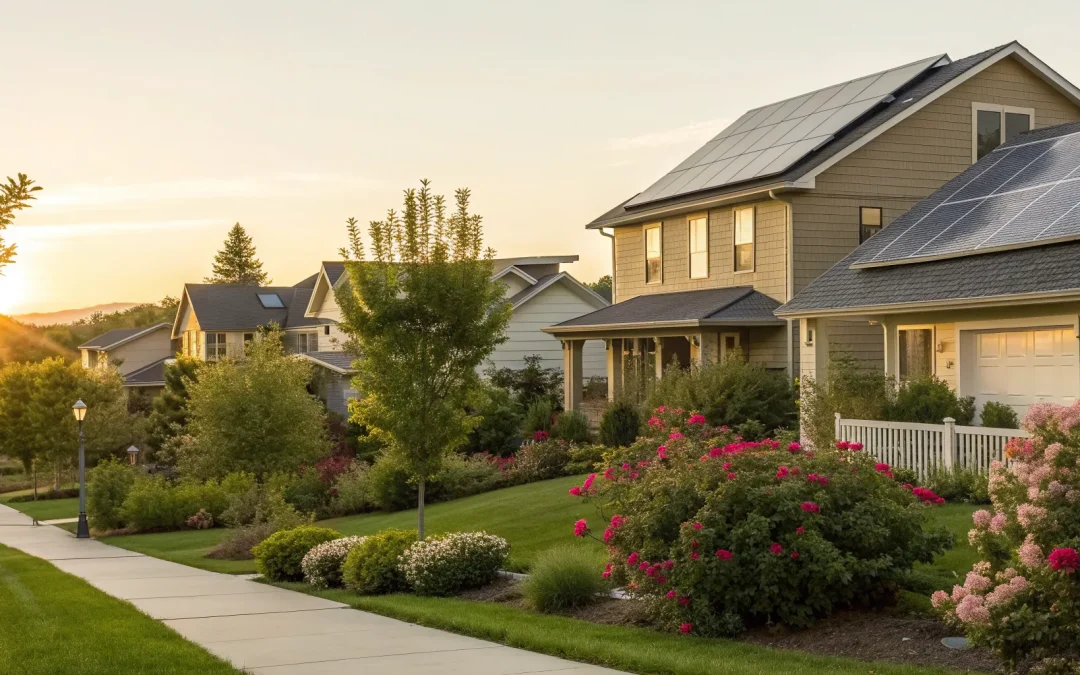
When you think about home improvements, you probably picture a new kitchen or a bathroom remodel. But what if one of the smartest upgrades you could make is actually on your roof? Going solar is more than just an environmental choice; it’s a powerful financial decision that can pay dividends for decades. It’s a way to take control of your energy costs and add tangible value to your property. The initial average cost of solar panels is a key consideration, but it’s important to see it as an investment, not just an expense. We’ll show you how long-term savings and powerful incentives make it a worthwhile addition to your home.
Key Takeaways
- Understand what shapes your price: The final cost of a solar system is unique to you, determined by your home’s energy consumption, the quality of the equipment you choose, and your specific roof design.
- Use incentives to lower your investment: The initial quote is rarely what you pay. The 30% federal tax credit, combined with state and local rebates, can significantly reduce your upfront cost and shorten your payback period.
- Look beyond the price to the long-term value: Going solar is an investment that pays you back by reducing monthly bills, increasing your home’s market value, and providing energy security during power outages.
How Much Do Solar Panels Actually Cost?
Let’s talk about the number one question on every homeowner’s mind: what’s the real price tag for a solar panel system? The truth is, there isn’t a single, simple answer. The final cost depends on your home, your energy goals, and where you live. Think of it like buying a car—the base model has one price, but the final cost changes with the features you add. We’ll break down the key numbers so you can get a clear picture of the investment and understand what drives the cost up or down.
What’s the National Average?
To get a general idea, it helps to look at the national average. Most homeowners can expect to invest around $29,000 to $30,000 for a full solar panel installation before any tax credits or incentives are applied. It’s important to remember that this is just a starting point. This figure covers the entire system—panels, hardware, and professional installation—but your specific costs will vary. The great news is that significant incentives can lower this initial price, making the long-term benefits of solar even more attractive.
How to Calculate Cost Per Watt
A more helpful way to compare solar quotes is by looking at the cost per watt. This metric breaks down the total price by the system’s power output, giving you an apples-to-apples comparison. Nationally, the average cost is around $2.53 per watt, with most residential systems falling somewhere between $2 and $3 per watt. For example, a 10-kilowatt (10,000-watt) system at $2.53 per watt would cost $25,300. Understanding this number helps you see the value you’re getting and is the best way to evaluate a free solar estimate.
Why Your Location Matters
Where you live plays a huge role in the final cost of your solar panel system. Prices can vary significantly from one state to another due to local labor costs, regulations, and the availability of state-specific incentives. For instance, the average cost in one state could be nearly double that of another, even for a similar-sized system. That’s why national averages are useful for context, but a local quote is essential for accurate planning. As a Mid-Atlantic solar expert, we can provide precise pricing based on the unique factors here in Maryland, Virginia, Pennsylvania, and the surrounding areas.
Key Factors That Influence Solar Costs
When you start looking into solar energy, one of the first questions is always about the price. The truth is, there’s no single sticker price for a solar panel system because the final cost is unique to your home, your energy goals, and even your location. Think of it like a custom-tailored suit—it’s designed to fit you perfectly, and that means the price tag reflects the specific materials and craftsmanship involved. A system for a large suburban home will look very different from one for a smaller city rowhouse.
Several key elements come together to determine your total investment. Understanding these factors will help you see exactly where your money is going and why a high-quality system is a valuable long-term addition to your home. From the amount of power you use each month to the specific equipment you choose, every detail plays a role. The size of your system, the brand of panels, the condition of your roof, and even the amount of sunshine your neighborhood gets all contribute to the final quote. It’s not just about buying panels; it’s about designing a complete energy solution that will serve you for decades. Let’s walk through the main factors that shape the cost of your solar panel installation so you can feel confident in your decision.
Your Home’s Energy Needs
The biggest driver of your solar system’s cost is how much electricity you use. A large family in a spacious home will naturally use more power than a couple in a smaller house. To figure out your needs, we look at your past utility bills to see your average monthly consumption. The more energy you use, the larger the system you’ll need to offset your bills, which means more panels and a higher upfront cost. While a bigger system costs more initially, it also generates greater savings over time, helping you slash or even eliminate your electric bill for decades to come.
The Type and Quality of Your Panels
Not all solar panels are created equal. The brand, efficiency, and power output of the panels you choose all influence the price. High-efficiency panels, like the ones we use from QCELLS, can generate more power in a smaller amount of space. They might have a higher price tag, but they are a fantastic option if you have limited roof space or simply want to get the most production possible. Investing in durable, high-performance panels means you’re getting a reliable system that will stand the test of time and deliver consistent energy savings year after year.
Your Roof’s Condition and Design
Your roof is the foundation for your entire solar panel system, so its characteristics are a major factor. We’ll look at its age, material, and overall condition to make sure it can support the panels for their entire 25+ year lifespan. If your roof needs repairs, it’s best to handle that before installation. The direction and angle of your roof also matter—a south-facing roof with a good pitch is ideal for capturing the most sunlight. Don’t worry if your roof isn’t perfect, though. A professional installer can design a system that works for your specific home.
Local Sunlight and Weather
Where you live plays a big part in your solar equation. The amount of direct sunlight your home receives each day—what we call “solar irradiance”—determines how much power your panels can generate. Here in the Mid-Atlantic, we get plenty of sunshine to make solar a great investment. Beyond the weather, local factors like permitting fees and labor costs can also vary from one county to another. These regional differences are why a custom quote is so important for getting an accurate picture of your total costs and potential solar benefits.
Choosing High-Quality Equipment
While the panels get most of the attention, they’re only one piece of the puzzle. A complete solar system includes other critical components, and their quality matters just as much. The solar panel inverters, which convert the solar energy into usable electricity for your home, are the brains of the operation. The racking that secures the panels to your roof needs to be tough enough to withstand decades of wind and weather. Choosing a reputable installer who uses top-tier equipment and offers strong warranties ensures your system is safe, reliable, and built to last.
What’s Included in a Solar Panel System?
When you get a quote for a solar energy system, it’s easy to assume the price is all about the panels. But a complete solar setup is much more than that. It’s a collection of high-tech components all working together to power your home cleanly and efficiently. Understanding what goes into the total cost helps you see the full picture and appreciate why investing in quality equipment and expert installation is so crucial. From the hardware that converts sunlight into electricity to the team that gets it all running, every piece plays a vital role in your home’s energy independence. Let’s break down the key components included in a typical solar installation.
The Panels Themselves
The solar panels are the most visible part of your system, the stars of the show that capture sunlight. While they are essential, you might be surprised to learn they aren’t the biggest slice of the cost pie. In fact, according to research from EnergySage, the panels themselves typically account for only about 12% of the total system price. This is why focusing solely on panel price can be misleading. The quality, efficiency, and warranty of the panels you choose are important, but they are just one piece of the puzzle. A successful solar panel installation depends on a complete system of compatible, high-quality components.
Inverters: The Brains of the Operation
If solar panels are the heart of your system, the inverter is the brain. Solar panels generate direct current (DC) electricity, but your home and the electrical grid run on alternating current (AC). The inverter’s job is to make that crucial conversion. Without it, the energy your panels produce would be unusable. These sophisticated devices account for about 10% of your total system cost. At Renewable Energy Corporation, we often recommend top-tier solar panel inverters from brands like Enphase because their reliability is key to ensuring your system performs optimally for decades. A great inverter maximizes your energy production and provides valuable performance data.
Racking and Mounting Systems
You can’t just place solar panels on your roof; they need to be secured with a durable racking and mounting system. This is the framework that holds your panels in place, designed to withstand wind, snow, and rain for years to come. This hardware is a critical component that ensures the safety and longevity of your investment. As noted by NerdWallet, the cost of this equipment is a notable part of the overall price tag. A properly installed racking system protects both your panels and your roof, which is why professional installation is so important. It’s the unsung hero that keeps your power source safe and secure.
Adding a Solar Battery Backup
A solar panel system will significantly reduce your electric bills, but adding a battery takes your energy independence to the next level. A solar panel battery backup stores the excess energy your panels produce during the day so you can use it at night or during a power outage. This is an optional upgrade, but it’s one that provides incredible peace of mind. It’s important to know that adding a battery can significantly increase your initial investment—often by $10,000 or more before incentives. However, for homeowners who want to be fully prepared for grid failures and get the most out of their solar energy, it’s an invaluable addition.
Professional Installation and Labor
This is the single largest component of your solar system’s cost, and for good reason. The labor, design, permitting, and operational overhead of a professional installer accounts for nearly half of the total price—around 46%, to be exact. This cost covers the team of experts who design a system tailored to your home, handle all the necessary permits and inspections, and perform the physical installation safely and correctly. This is where experience truly matters. Choosing a trusted, local installer ensures your system is built to last and perform at its best. When you’re ready, you can get a free solar estimate to see how these costs break down for your specific home.
How to Lower Your Solar Costs with Incentives
One of the biggest questions I hear is about the price tag of a solar installation. It’s a valid concern, but the initial quote you see is rarely what you end up paying. A whole ecosystem of incentives exists to make going solar more affordable for homeowners. Think of it like a series of fantastic coupons for your energy future. From federal tax credits to local rebates, these programs can significantly reduce your upfront costs and help you see a return on your investment much faster. Let’s walk through the key incentives you should know about.
The Federal Solar Tax Credit (ITC)
The biggest financial perk available to everyone in the U.S. is the Residential Clean Energy Credit, often called the federal solar tax credit. This incentive allows you to deduct 30% of your solar system’s total cost from your federal taxes. This isn’t a simple deduction from your income; it’s a dollar-for-dollar credit that directly reduces the amount of tax you owe. If your system costs $25,000, you could get a $7,500 credit. This credit also applies to solar panel battery backup systems. It’s a powerful tool for making solar more accessible, but it’s scheduled to change in the coming years, so taking action sooner rather than later is a smart move.
State and Local Rebates
On top of the federal credit, many states, counties, and even cities offer their own solar incentives. These can come in the form of cash rebates, property tax exemptions, or state tax credits. Because we work across Maryland, Virginia, D.C., Pennsylvania, and Delaware, we stay on top of the latest local programs available to you. These incentives can stack up, further chipping away at your initial investment. Since these programs can vary widely and change over time, it’s helpful to get a free solar estimate to see exactly which rebates you qualify for in your specific area.
Your Utility Company’s Programs
You might be surprised to learn that your own utility company could help you pay for your solar panels. It sounds counterintuitive, but it’s true. Many utility providers offer rebates or other programs to encourage homeowners to adopt solar energy. Why? Because distributed energy sources like rooftop solar can help them manage the overall stability of the electrical grid, especially during peak demand hours. It’s always worth checking your utility’s website or asking us during your consultation about any available programs they might offer. Every little bit helps bring down the total cost.
The Benefits of Net Metering
Net metering is a billing arrangement that lets you get credit for the excess electricity your solar panels generate. On a sunny afternoon, your system might produce more power than your home is using. That extra energy doesn’t go to waste; it’s sent back to the grid, and your utility company credits your account for it. Essentially, you can watch your meter spin backward. These credits help offset the cost of the electricity you pull from the grid at night or on cloudy days. It’s a fantastic system that maximizes the value of your solar investment.
Getting Paid for the Power You Produce
When you combine the power of your solar panels with programs like net metering, you can dramatically reduce or even eliminate your monthly electric bill. You’re no longer just a consumer of energy; you become a producer. If you live in an area where net metering policies aren’t as favorable, don’t worry. You still have a great option: adding a solar battery. A battery allows you to store all that excess solar energy your panels produce during the day for you to use at night. This gives you more control over your power and ensures you get the most value out of every kilowatt you generate.
How Can You Pay for Your Solar Panels?
The initial investment for a solar panel system is one of the biggest questions homeowners have, and for good reason. The good news is you have several options, making solar more accessible than ever. Whether you want to maximize your long-term savings or get started with little to no money down, there’s a path that can work for your budget and financial goals. Let’s walk through the most common ways to pay for your new solar energy system.
Paying with Cash
If you have the funds available, paying for your solar panels with cash is the most direct and cost-effective route. You’ll own your system outright from day one, which means you get to keep 100% of the savings and incentives. This approach helps you avoid interest payments that come with loans. In fact, a solar loan could make you pay significantly more over the loan’s lifetime. By paying upfront, you maximize your return on investment and start enjoying the long-term benefits of solar energy faster. It’s the simplest way to ensure every dollar you save on your utility bills goes straight into your pocket.
Taking Out a Solar Loan
A solar loan is one of the most popular ways to finance a solar panel installation. This option allows you to own your system without a large upfront expense. Instead, you make predictable monthly payments, often at a lower amount than your current electric bill. While you will pay interest over the life of the loan, you still get to take advantage of all the tax credits and incentives that come with ownership. For many homeowners, this is the perfect balance—it makes going solar immediately affordable while still providing substantial long-term savings. You can get a free solar estimate to see how your potential savings compare to loan payments.
Solar Leases vs. Buying
With a solar lease, a third-party company owns and maintains the solar panels on your roof, and you pay them a fixed monthly fee to use the electricity the panels produce. Leases are an option if you don’t want to own or maintain the panels yourself, but you’ll save less money in the long run compared to owning the system. You also won’t be eligible for tax credits or rebates, as those go to the system’s owner. While a lease can lower your monthly electricity costs with no upfront investment, buying your system almost always provides a greater financial return over time and adds more value to your home.
Understanding Power Purchase Agreements (PPAs)
A Power Purchase Agreement, or PPA, is similar to a lease. A developer installs a solar system on your property at no cost to you. Instead of paying a fixed monthly rent for the equipment, you agree to purchase the power generated by the system at a set price per kilowatt-hour (kWh). This rate is typically lower than what your utility company charges. Like a lease, a PPA is a good option if you want to avoid upfront costs and maintenance responsibilities. However, you won’t own the system or receive the associated financial incentives, which ultimately limits your total savings.
Which Payment Option Is Right for You?
Choosing the best payment option comes down to your personal financial situation and goals. Start by looking at your past utility bills. Understanding how much electricity your home uses can help you choose the right size system and see how much you’re saving later. If your priority is maximizing your total return on investment, paying with cash is the clear winner. If you prefer a low upfront cost but still want the benefits of ownership, a solar loan is an excellent choice. Leases and PPAs offer immediate savings with no investment, but with smaller long-term gains. We can help you weigh the pros and cons of each—feel free to contact us to discuss your specific needs.
Is Going Solar a Good Investment?
When you think about home improvements, you probably picture a new kitchen or a bathroom remodel. But what if one of the smartest upgrades you could make is actually on your roof? Going solar is more than just an environmental choice; it’s a powerful financial decision that can pay dividends for decades. It’s a way to take control of your energy costs, add tangible value to your property, and gain a level of independence from the traditional power grid. Think of it as pre-paying for your electricity at a fixed rate for the next 25-plus years. Instead of being subject to your utility company’s unpredictable price hikes, you generate your own clean power right at home.
The initial cost is a key consideration, of course, but it’s important to see it as an investment rather than just an expense. When you look at the long-term savings on your monthly bills, the increase in your home’s market value, and the peace of mind that comes with energy security, the numbers often tell a compelling story. Plus, with federal tax credits and local incentives, the upfront cost is more manageable than ever. It’s an investment in your home’s future, your financial stability, and a more sustainable lifestyle. Below, we’ll break down exactly how these benefits add up to make solar a worthwhile investment for many homeowners.
Calculating Your Monthly Savings
The most immediate and exciting benefit of going solar is watching your electricity bill shrink. For many homeowners, the savings are substantial. Over the 25-year lifespan of a typical solar panel system, you could save anywhere from $34,000 to $120,000, depending on your energy usage and local utility rates. The average homeowner saves around $48,000 on electricity over the life of their system. These savings start from day one and continue for decades, protecting your budget from rising energy costs. To see what your specific savings could look like, the best first step is to get a free solar estimate based on your home and energy needs.
How Solar Affects Your Home’s Value
Installing solar panels doesn’t just save you money month-to-month; it can also increase the value of your home. Properties with solar systems are often seen as more modern, efficient, and desirable to potential buyers. Think about it: who wouldn’t want to buy a home with a significantly lower or even non-existent electricity bill? This added feature can make your home stand out on the market and help it sell faster. It’s a tangible upgrade that signals you’ve invested in your home’s long-term efficiency and sustainability, which is a major selling point. You can learn more about the benefits of solar and how they contribute to your home’s overall worth.
The Value of Energy Independence
Relying on the traditional power grid means you’re vulnerable to price increases, service interruptions, and storm-related outages. Solar energy gives you a powerful alternative. By generating your own electricity, you reduce your dependence on your local utility company. For even greater security, you can pair your panels with a solar panel battery backup system. This allows you to store excess energy your panels produce during the day and use it at night or during a power outage. It’s the ultimate peace of mind, ensuring your lights, refrigerator, and essential devices stay on, no matter what’s happening with the grid.
Factoring in Long-Term Maintenance
One of the best things about modern solar technology is its durability. A high-quality solar panel system is built to last for decades with minimal upkeep. Since there are no moving parts, the need for repairs is rare. Most maintenance involves simple cleaning to ensure your panels are free of debris and can capture the maximum amount of sunlight. As a family-run company with a long history, we prioritize reliability by using top-tier products and offering strong, long-term warranties. This commitment ensures your system will sustainably power your home for years to come, making it a worry-free investment.
Finding Your Solar Payback Period
The solar payback period is the time it takes for your accumulated energy savings to equal the initial cost of your system. After this point, all the energy you produce is pure profit. Nationally, the average payback period is around 7.3 years, but it can range anywhere from 3.7 to 19.1 years depending on your state’s incentives and electricity costs. In the Mid-Atlantic, strong local and federal incentives can significantly shorten this timeline. Once you’ve hit your payback period, you’ll be enjoying decades of free electricity generated right from your own roof. You can find answers to more common questions on our FAQ page.
What to Expect from the Installation Process
Thinking about the actual installation can feel like a huge step, but it’s a straightforward process when you work with the right team. It’s less about disruption and more about a well-planned project that sets you up for decades of energy savings. From the initial conversation to flipping the switch on your new system, every step is designed to be clear and efficient. We handle the heavy lifting, but knowing what’s coming helps make the entire experience feel smooth and predictable.
The journey to solar energy is a partnership. We believe in transparency, which means keeping you informed from the initial site assessment to the final inspection. Our goal is to make sure you feel confident and excited about your decision. We’ll manage the permits, coordinate with your utility company, and ensure every panel is perfectly placed for maximum sun exposure. It’s a comprehensive service designed to take the stress out of the equation, leaving you with a high-performing system that adds value to your home and reduces your carbon footprint. We’ve refined this process over many years to ensure it’s as seamless as possible for homeowners. You won’t have to become a solar expert overnight; that’s our job. Your role is simply to ask questions and get ready to enjoy the benefits.
Here’s a simple, five-step breakdown of what that process looks like.
Step 1: Assess Your Energy Use
Before we can talk about panels, we need to talk about you and your home. The first step is always to understand your current electricity consumption. Take a look at your past utility bills to see how much energy your household uses throughout the year. This isn’t just about crunching numbers; it’s about understanding your lifestyle. Do you run the AC all summer? Are you planning to buy an electric vehicle? Knowing your energy habits helps us design a system that truly fits your needs and shows you exactly where your savings will come from. This initial assessment is the foundation for a successful solar project, and getting a free solar estimate is the best way to start.
Step 2: Get the Right-Sized System
Once we know how much power you need, we can determine the right size for your solar energy system. For most homes, this is around 11 kilowatts (kW), but your specific needs will guide the final design. A system that’s too small won’t cover your bills, while one that’s too large can be an unnecessary expense. We aim for the sweet spot—a system that generates the right amount of electricity to offset your usage. This ensures your solar panel installation delivers the best possible return on your investment, saving you the most money over time.
Step 3: Know the Installation Timeline
One of the most common questions we hear is, “How long will this take?” The entire process, from signing the contract to producing your own power, typically takes a few weeks. The on-site installation itself is surprisingly fast—often just a few days. The rest of the time is dedicated to behind-the-scenes work like custom system design, securing permits from your local municipality, and coordinating with the utility company for the final inspection. We manage all of these moving parts for you, providing clear communication so you always know what’s happening and when. You can find answers to more common questions about the process on our FAQ page.
Step 4: Choose a Quality Installer
Your solar installer is your partner for the long haul, so choosing the right one is critical. While it’s wise to compare options, look beyond just the initial price tag. You want a team with a proven track record, deep industry knowledge, and a commitment to quality workmanship. An experienced installer will ensure your system is safe, efficient, and built to last. They’ll also be there to support you for years to come. We encourage you to learn about our history as Maryland’s oldest family-run solar firm to see why homeowners have trusted us for decades.
Step 5: Plan for Future Maintenance
Modern solar panel systems are incredibly durable and require very little maintenance. There are no moving parts, and quality panels are built to withstand the elements for decades. Most top-tier panels, like the ones we use, come with warranties that last 25 to 30 years. This gives you peace of mind knowing your investment is protected. While your system will likely operate smoothly on its own, having a reliable installation partner means you have an expert to call if you ever have questions. This ensures you can focus on enjoying the long-term benefits of clean, affordable energy without worrying about upkeep.
Common Myths About Solar Costs
When you start looking into solar energy, you’ll likely come across a lot of opinions about the cost. It’s easy to get overwhelmed by conflicting information, but let’s clear the air. Many of the most common concerns about the price of going solar are based on outdated information or simple misunderstandings. The truth is, solar technology has advanced incredibly, making it more affordable and efficient than ever before.
Thinking about the financial side of a solar panel installation is smart, but it’s important to separate fact from fiction. From the initial investment to long-term maintenance and property value, understanding the real costs and benefits is the first step toward making a confident decision for your home. Let’s walk through some of the biggest myths about solar costs and look at what the numbers actually say.
Myth: “It’s too expensive to get started.”
This is probably the most common hesitation we hear, but the idea that solar is only for the wealthy is simply not true anymore. Over the last decade, the cost of solar panels has dropped dramatically, making them accessible to many more homeowners. Plus, the initial price tag you see isn’t the final price you’ll pay. Federal tax credits, state incentives, and flexible financing options can significantly lower your upfront investment. The best way to understand the real cost for your home is to get a free solar estimate that accounts for your specific energy needs and available incentives.
Myth: “The maintenance costs are high.”
It’s easy to assume that high-tech equipment comes with high-maintenance headaches, but solar panels are surprisingly self-sufficient. They are built to be durable and withstand the elements for decades with very little upkeep. Most systems just need an occasional cleaning to clear off any dust or debris that might accumulate. Better yet, reputable manufacturers offer extensive warranties, often lasting 25 years or more, that protect your investment. As a family-run business, we stand by the quality of our work and the products we install, ensuring you have peace of mind for years to come. You can learn more about our commitment on our about us page.
Myth: “Solar panels don’t work on cloudy days.”
While it’s true that solar panels produce the most energy in direct sunlight, they don’t just shut down when a cloud passes over. Modern panels are highly efficient and can still generate a significant amount of electricity from indirect or diffused sunlight. Here in the Mid-Atlantic, we get plenty of sunny days, but your system will still be working for you during overcast weather. Paired with a solar panel battery backup, you can store excess energy produced on sunny days to use whenever you need it—day or night, rain or shine.
Myth: “Solar panels will lower my property value.”
This concern is a thing of the past. Today, energy efficiency is a huge selling point for homebuyers. Studies have consistently shown that homes with solar panels often sell faster and for a higher price than comparable homes without them. Think of it as a permanent upgrade that not only reduces your utility bills but also adds modern, tangible value to your property. A solar energy system signals that a home is well-maintained and forward-thinking, which is a major plus for potential buyers. The benefits of solar extend far beyond just your energy bill.
Myth: “You don’t actually save that much money.”
The savings from solar are real and can be substantial over the life of your system. While it is an investment, it’s one that starts paying you back from day one. Between the immediate reduction in your monthly electricity bills and valuable government incentives, the time it takes for your system to pay for itself is shorter than you might think. Programs like net metering can even allow you to earn credits from your utility company for the extra power you produce. Over 25 years, those savings add up to a significant return on your investment. You can find answers to more financial questions on our FAQ page.
Related Articles
- Lower energy costs by installing solar panels
- Average Solar Panel Costs in MD, VA, PA & Washington D.C.
- How Much Do Solar Panels Cost In Your Area?
- Installing Solar Panels (How to Add Solar to Your Home)
- Are Solar Panels Affordable in Baltimore?
Frequently Asked Questions
How long will it take for my solar panels to pay for themselves? This is what we call the “payback period,” and it’s the point where your total savings on electricity bills equal your initial investment. The national average is around seven years, but it really depends on your system’s cost, your energy usage, and the incentives you claim. Here in the Mid-Atlantic, strong local and federal incentives can often shorten that timeline. After you hit that break-even point, every bit of energy your system produces is pure savings for decades to come.
What happens to my solar panel system if I decide to sell my house? This is a great question. Since you own the system (if you paid with cash or a loan), it becomes a valuable asset that gets transferred to the new homeowner. Homes with solar panels often sell faster and at a higher price because the new owners get to enjoy the benefit of a lower electric bill from day one. It’s a major selling point that adds real, tangible value to your property.
Is my roof right for solar panels? What if it’s old or has a lot of shade? Most roof types work well with solar, but the ideal setup is a south-facing roof with plenty of direct sunlight. During our initial assessment, we’ll evaluate your roof’s age, condition, and any shading from trees or nearby buildings. If your roof is older and nearing the end of its life, we typically recommend replacing it before installing panels. If shade is a concern, we can design a system that places panels in the sunniest spots to ensure you get the best possible energy production.
What’s the real difference between a solar loan and a solar lease? The biggest difference comes down to ownership. With a solar loan, you are buying the system and you own it. This means you are eligible for all the financial perks, like the 30% federal tax credit, and the system adds value to your home. With a lease, a third-party company owns the panels on your roof, and you pay them a monthly fee to use the power. You don’t get the tax credits, and the long-term savings are generally lower than with ownership.
Can I add more panels or a battery to my system later on? Absolutely. Your energy needs can change over time—maybe you buy an electric car or build a home addition. We can design your initial system with future expansion in mind. Adding more panels or a solar battery backup down the road is a straightforward process. It’s a great way to make sure your solar energy system continues to meet your needs as your life evolves.
Recent Comments