
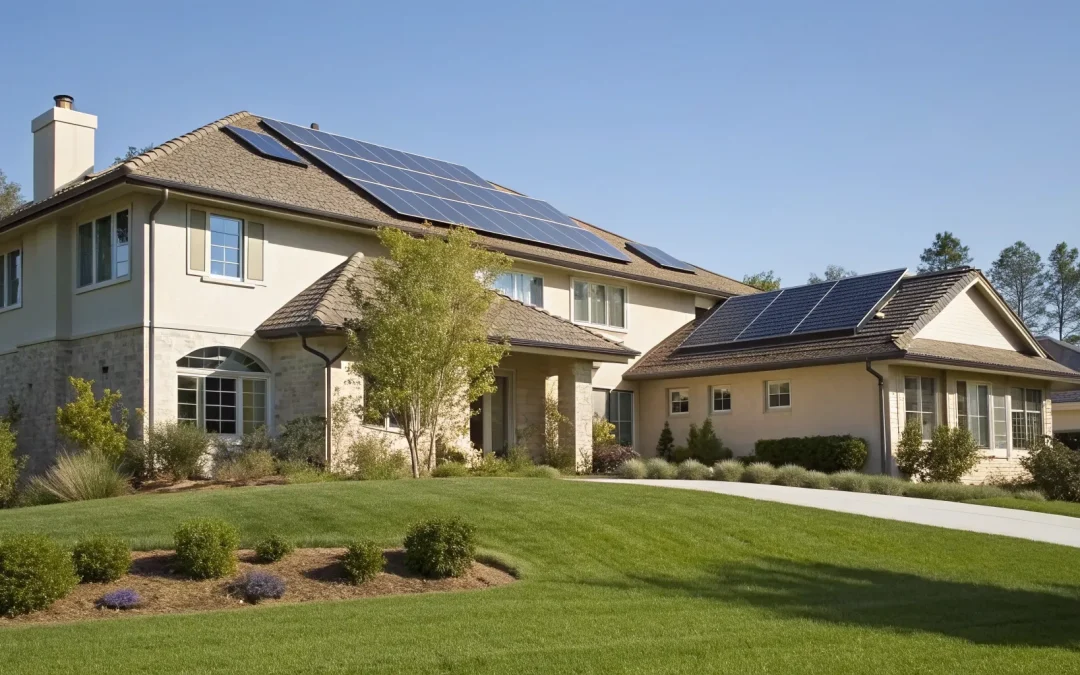
If you’re a homeowner in the Mid-Atlantic, you’re in one of the best regions to go solar. Our local and state governments offer fantastic programs that make the switch to clean energy more affordable than in many other parts of the country. While national figures can give you a general idea of the average cost of solar panels for a house, the incentives available right here in Maryland, Virginia, and the surrounding states can make a huge difference in your final price. We’ll explore these local benefits and show you how they create a faster payback period for your investment.
Key Takeaways
- Understand What Drives the Price: Your final cost isn’t a flat rate; it’s a custom price based on your home’s energy usage, roof condition, and the quality of the equipment you select.
- Look Beyond the Initial Quote: The sticker price is rarely what you pay. The 30% federal tax credit, combined with state and local incentives, can drastically lower your actual out-of-pocket investment.
- Choose a Payment Path That Fits Your Goals: You don’t need cash upfront to go solar. A solar loan lets you own the system and claim all the incentives, often with a monthly payment that’s less than your old utility bill.
How Much Do Solar Panels Really Cost?
Let’s get straight to the point: you want to know how much solar panels will cost. While there isn’t a single price tag for every home, understanding the averages, how system size plays a role, and the impact of incentives gives you a clear picture of the investment. Think of it less like buying a product off the shelf and more like a custom home improvement project. The final cost depends on your specific energy needs and your home’s unique layout, but we can definitely break down what you can generally expect.
A Look at National Averages
On average, a home solar panel system in the U.S. costs around $30,000 before any incentives are applied. However, that’s not the number most homeowners actually pay. After you factor in federal tax credits, that average net cost often drops closer to $21,000. It’s helpful to think of these figures as a starting point. Just like home prices vary by neighborhood, solar costs differ based on your location and the size of your system. These national numbers give you a solid ballpark estimate before you start exploring a personalized quote for your home.
How System Size Affects Price
The biggest factor in your total cost is the size of your solar panel system, which is measured in kilowatts (kW). The more electricity you need to generate, the more panels you’ll install. Installers typically price systems on a per-watt basis, with most projects falling between $2.74 and $3.30 per watt. Since the average home needs about an 11-kilowatt system, you can see how the numbers add up. A professional solar panel installation expert can assess your energy bills to recommend the perfect system size, ensuring you don’t over- or under-build for your needs.
The Impact of Solar Incentives
The initial price of a solar system is rarely what you pay out of pocket. Government incentives are specifically designed to make solar more affordable for homeowners like you. The most significant of these is the federal solar tax credit, which allows you to deduct a large percentage of your installation cost from your federal taxes. On top of that, many states and local utility companies offer their own rebates and programs that can shave thousands more off your final bill. Exploring the benefits of solar in your area is a key step in understanding the true cost and your potential savings.
What Factors Change the Price of Solar?
If you’ve ever asked a friend, “How much did your solar panels cost?” you probably realized quickly that the answer isn’t simple. That’s because a solar energy system isn’t an off-the-shelf product; it’s a custom solution designed specifically for your home, your energy habits, and your location. The final price tag depends on a handful of key variables that can differ significantly from one house to the next, which is why you see such a wide range of prices online.
Think of it like a kitchen remodel—the final cost depends on the size of your space, the quality of the appliances you choose, and the complexity of the installation. Solar is much the same. The main factors that influence your total investment include how much electricity your family uses, the type and quality of the equipment you install, the condition and shape of your roof, and even your zip code. Getting a handle on these elements is the first step to understanding your quote and feeling confident in your decision. It helps explain why your neighbor’s system might have a completely different price tag than yours, and it empowers you to ask the right questions when you’re ready to get an estimate.
Your Home’s Energy Needs
The biggest driver of your solar system’s cost is its size, which is determined by how much electricity you use. Before a solar installer can give you an accurate quote, they need to estimate your home’s annual energy consumption in kilowatt-hours (kWh). The easiest way to do this is by looking at your last 12 months of utility bills. A larger household or one with energy-intensive features, like a pool or a hot tub, will naturally require a larger system. If you plan to add a solar EV charger in the near future, it’s smart to factor that extra usage in from the start. The more power you need, the more panels you’ll need to generate it.
The Quality of Your Panels and Equipment
Just like with cars or appliances, solar equipment comes in a range of brands with varying prices and quality. Panels that are more efficient—meaning they can produce more power in a smaller amount of space—or have a higher output rating typically cost more upfront. However, investing in premium equipment from trusted manufacturers like QCELLS can lead to greater energy production and long-term reliability. Beyond the panels themselves, other essential components like solar panel inverters and optional additions like a solar panel battery backup will also affect your total cost. High-quality components often come with better warranties, giving you peace of mind for decades to come.
Your Roof’s Condition and Complexity
Your roof is the foundation for your solar array, so its condition is a major factor. If your roof is old or needs repairs, it’s best to handle that before the panels go on. Having to remove and reinstall panels later to replace a roof can add thousands to the future project. The shape and material of your roof also play a role. A simple, south-facing asphalt roof is straightforward to work with, but a complex roof with steep pitches, multiple angles, or obstructions like skylights and chimneys can increase labor costs. Our team evaluates every roof to ensure it’s ready for a secure and efficient solar panel installation.
Your Location and Local Labor Rates
Where you live has a surprising impact on the cost of going solar. Labor rates vary from one region to another—for example, an installation in a major metropolitan area often costs more than in a rural town due to differences in the cost of living and local wages. Permitting fees, which are set by your local city or county, also get factored into the final price. As a local company serving the Mid-Atlantic, we have a deep understanding of the specific costs and regulations in Maryland, Virginia, Pennsylvania, and Delaware. This expertise allows us to provide a free solar estimate that accurately reflects all the local variables for your project.
A Breakdown of Your Solar Panel Expenses
When you get a quote for a solar installation, you’re looking at a number that covers much more than just the panels on your roof. The total price is a blend of physical equipment and the many services required to get your system up and running safely and efficiently. It’s helpful to think of it in two main categories: hardware costs and soft costs. While it’s easy to focus on the tangible items like panels and batteries, the soft costs—which include everything from labor and permits to system design—often make up the larger part of your total investment.
Understanding where your money is going gives you a clearer picture of the value you’re receiving and helps you compare quotes with confidence. A lower price might seem appealing at first, but it could mean corners are being cut on installation quality, customer support, or the reliability of the company itself. A detailed quote should give you insight into the quality of the equipment being used and the comprehensive nature of the service. By breaking down the expenses, you can see that you’re not just buying solar panels; you’re investing in a long-term energy solution that includes expert design, professional installation, and ongoing support. Let’s get into what these expenses actually cover.
Equipment vs. Labor Costs
The hardware is the most straightforward part of your solar bill. This includes the solar panels themselves, the solar panel inverters that convert sunlight into usable electricity for your home, and the mounting racks that secure everything to your roof. If you opt for a battery backup system or an EV charger, those will be part of your equipment costs, too. Labor costs cover the skilled team of professionals who design your system, handle the installation, and ensure everything is connected correctly. A professional installation is critical for the safety, efficiency, and longevity of your system, so you’re paying for expertise and peace of mind.
Permit and Inspection Fees
Before a single panel can be installed, your project needs to be approved by your local municipality. This involves securing permits to ensure the system design meets all local building and electrical codes. These permit fees vary depending on where you live. After the installation is complete, a final inspection is required to verify that the work was done to code and is safe to operate. While these steps add to the upfront cost, they are non-negotiable requirements that protect you as a homeowner. Our team handles the entire permitting and inspection process, so you don’t have to worry about the paperwork. You can find more details on our FAQ page.
Understanding “Soft Costs”
“Soft costs” is a term for all the essential expenses that aren’t physical hardware. In fact, research shows that more than half of a project’s total cost can come from these items. This category includes things like system design and engineering, supply chain logistics, and customer support. It also covers the general operational costs of running a business, like insurance, vehicle maintenance, and employee training. When you partner with an established company, you’re investing in a team that will be there to honor warranties and provide support for decades. These costs are what allow a trusted, family-run firm like our team to provide high-quality service from your first call to long after your system is installed.
How Tax Credits and Incentives Lower Your Bill
The sticker price of a solar panel system is just the starting point. A variety of powerful financial incentives are available to homeowners, and they can dramatically reduce the overall cost of your investment. Think of these as a team of discounts working together to make your switch to solar more affordable. From federal credits that slash your tax bill to local programs that put money back in your pocket, these benefits are designed to make clean energy accessible. Understanding how they work is the key to seeing the true, final cost of your solar project and appreciating the long-term financial upside. A knowledgeable local installer can help you identify every single credit and rebate you qualify for.
The Federal Solar Tax Credit
The most significant financial incentive available is the federal solar tax credit, officially known as the Investment Tax Credit (ITC). This isn’t a simple deduction; it’s a dollar-for-dollar credit that reduces what you owe in federal income taxes. Currently, the ITC allows you to claim 30% of the total cost of your solar panel installation project. This includes not just the panels themselves, but also labor, permitting fees, and even a solar panel battery backup system. For example, on a $30,000 system, a 30% credit means you could reduce your federal tax liability by $9,000, which makes a huge impact on your upfront cost.
State and Local Rebate Programs
On top of the federal credit, many states and even local municipalities offer their own incentives to encourage homeowners to go solar. These programs vary widely by location but can include direct cash rebates, grants, and significant tax exemptions. For instance, some areas offer property tax exemptions, which prevent your property taxes from increasing despite the added value of your solar panels. Others might have sales tax exemptions, saving you money on the initial purchase of your equipment. Exploring the specific solar incentives by state is a crucial step, and as a local expert, we can guide you through all the programs available in Maryland, Virginia, and the surrounding areas.
The Benefits of Net Metering
Net metering is a billing arrangement that allows you to get the full value of your solar investment long after it’s installed. Here’s how it works: when your solar panels produce more electricity than your home is using, the excess power is sent back to the utility grid. Your utility company then credits your account for that energy. Later, when your panels aren’t producing enough power (like at night), you can draw electricity from the grid and use those credits to offset the cost. This system ensures no energy you produce goes to waste and can lead to significantly lower—or even nonexistent—monthly electric bills.
Property Tax Exemptions
One common concern for homeowners is whether a major home improvement will cause their property taxes to go up. When it comes to solar, you can often set that worry aside. Many states have enacted property tax exemptions specifically for renewable energy systems. This means that even though a solar panel installation is proven to increase your home’s value, that added value won’t be factored into your property tax assessment. This special exemption makes going solar an even more attractive financial decision, allowing you to enjoy the benefits of a more valuable home without the burden of a higher annual tax bill.
How Much Money Can You Actually Save?
Beyond the environmental perks, switching to solar is one of the smartest financial decisions you can make for your home. It’s not just about trimming a few dollars off your utility bill; it’s a long-term strategy that builds equity and gives you control over your energy costs. From day-to-day expenses to the overall value of your property, installing solar panels creates savings in more ways than one. Let’s break down exactly where that money comes from and how much you can expect back in your pocket.
Lower Your Monthly Electric Bill
The most immediate and satisfying benefit of going solar is watching your monthly electric bill shrink—or even disappear entirely. Instead of paying unpredictable rates to a utility company, you generate your own clean power right from your roof. For the average homeowner, this translates to significant savings, potentially adding up to around $48,000 over 25 years. This isn’t just about saving money; it’s about gaining independence from rising energy costs. Every time local utility rates go up, your savings become even more substantial. You’re effectively locking in your electricity costs for decades, giving you predictable expenses and more financial freedom.
Calculate Your Long-Term Savings
While lower monthly bills are great, the true financial power of solar is realized over the long term. Depending on your system size, energy usage, and local sunshine, homeowners can save anywhere from $37,000 to over $140,000 during the 25-year lifespan of their solar panels. These savings come from two places: eliminating your electricity bill and protecting yourself against the steady rise of energy prices. The best way to understand what this looks like for your specific situation is to get a free solar estimate. A personalized breakdown will show you a clear path to long-term financial security powered by the sun.
Increase Your Home’s Value
Think of solar panels as a major home upgrade, much like a kitchen remodel or a new deck—but one that pays you back. Studies consistently show that homes with solar panels sell for more than those without. On average, a solar installation can increase your home’s resale value by about 4% to 6%, which could mean an extra $15,000 or more in your pocket when it’s time to sell. This is because modern buyers are looking for energy-efficient homes that promise lower utility costs. Adding solar panels not only makes your home more sustainable but also a more attractive and valuable asset on the market, showcasing one of the many benefits of solar energy.
What’s the Payback Period for Solar Panels?
Let’s talk about the big question: when do you start making money from your solar panels? This is what we call the “payback period”—the time it takes for your energy savings to completely cover your initial investment. Think of it as the break-even point. Once you hit it, every bit of energy your panels produce is pure savings, putting money back into your pocket instead of sending it to the utility company. It’s a major milestone on your solar journey, and understanding what goes into it helps you see the full financial picture.
What Affects Your Return on Investment?
Your solar payback period isn’t a fixed number; it’s unique to your home. Several key things influence how quickly you’ll see a return. The final cost depends on your location, how much electricity your family uses, and the size of your system. Even your roof’s shape and sun exposure play a part, as does the type of equipment you choose. But one of the biggest factors is the availability of solar incentives. Many state and local governments offer tax exemptions and rebates that can dramatically lower your upfront cost, which means you’ll break even much sooner.
How Long Until Your Panels Pay for Themselves?
So, what’s a realistic timeline? On average, homeowners in the U.S. recoup their solar panel investment in about 10 to 12 years. After that, you’re generating your own free electricity for the life of the system—which is typically 25 years or more. The long-term financial upside is significant. Beyond just eliminating your monthly bill, going solar can lead to tens of thousands of dollars in savings over the system’s lifespan. It’s not just an upgrade for your home; it’s a powerful investment in your financial future and one of the key benefits of going solar.
Your Guide to Solar Financing Options
Once you have a clear idea of the total cost, the next question is, “How will I pay for it?” The good news is you have options. Going solar is a major home improvement project, and just like renovating a kitchen or finishing a basement, there are different ways to handle the expense. The right path for you really depends on your personal financial situation and long-term goals. You don’t need to have tens of thousands of dollars sitting in the bank to make solar a reality.
The three main ways to finance a solar panel system are taking out a solar loan, signing a lease or Power Purchase Agreement (PPA), or paying with cash. Each route has its own set of pros and cons, from the upfront cost to the total long-term savings. Think about what’s most important to you. Is it minimizing your initial out-of-pocket expense, or is it maximizing your return on investment over the next 25 years? Understanding these financing models is the final step before you can confidently move forward. The best way to see how these options stack up for your specific home is by getting a personalized quote that breaks down the numbers.
Taking Out a Solar Loan
A solar loan is one of the most popular ways to pay for a new system. It works just like any other home improvement loan: you borrow the money to cover the cost of the equipment and installation, then pay it back in monthly installments over a set term. The biggest advantage here is that you own the system from day one, even with zero money down. This means you are eligible for all the valuable tax credits and rebates. The trade-off is that you’ll be paying interest. Over the life of the loan, this can add a significant amount to your total cost, but for many homeowners, the immediate energy savings outweigh the financing costs.
Leasing vs. Power Purchase Agreements (PPAs)
If you want to lower your electricity bills without a large financial commitment, a lease or a Power Purchase Agreement (PPA) might be the right fit. With these options, a solar company installs panels on your home for little to no upfront cost, but they own and maintain the system. With a lease, you pay a fixed monthly amount to use the equipment. With a PPA, you agree to buy the power the system generates at a set price per kilowatt-hour, which is typically lower than what your utility charges. The key takeaway is that you don’t own the panels, so you won’t receive the tax credits or see the same increase in home value.
The Benefits of Paying with Cash
If you have the funds available, paying for your solar panel system with cash is the most financially advantageous route. It’s simple, straightforward, and offers the highest return on your investment. Paying with cash is cheaper because you completely avoid interest payments and loan fees that add to the total cost over time. You own your system outright from the moment it’s installed, giving you immediate access to all the tax credits, rebates, and other incentives. For most homeowners, solar panels are a fantastic investment that saves money and increases home value, and paying upfront maximizes all of those long-term benefits.
Solar Costs in the Mid-Atlantic
Location plays a huge role in the final price tag for your solar panel system, and that’s great news for homeowners in the Mid-Atlantic. This region is packed with state and local programs designed to make going solar more affordable. While the national average gives you a ballpark figure, your actual cost will depend heavily on the incentives available right in your backyard.
Think of it this way: the sticker price is just the starting point. Once you factor in tax credits, grants, and other local perks, the final number you pay can look very different. Let’s break down what you can expect in Maryland and the surrounding states.
A Closer Look at Maryland’s Prices and Incentives
If you live in Maryland, you’re in a great spot to go solar. The state offers some fantastic incentives that can significantly lower your initial investment. Beyond the federal tax credit, Maryland has its own Residential Clean Energy Grant Program, which can shave a flat amount right off your installation cost.
On top of that, Maryland has a strong market for Solar Renewable Energy Certificates (SRECs). Essentially, you earn one SREC for every megawatt-hour of electricity your panels produce. You can then sell these certificates to utility companies, creating an ongoing source of income from your system. When you combine these state-specific programs, the path to owning your power becomes much more accessible. The best way to see how these incentives apply to your home is to get a free solar estimate.
How Virginia, Pennsylvania, and Delaware Compare
The rest of the Mid-Atlantic region also offers compelling reasons to switch to solar. While the specific programs differ, the goal is the same: to help you save money. Virginia has a growing SREC market, similar to Maryland’s, allowing homeowners to earn money back from their energy production.
Pennsylvania’s net metering policy is particularly favorable, ensuring you get full credit for the excess electricity you send back to the grid. Delaware offers its own set of grants and incentives through the state’s Green Energy Program. The Database of State Incentives for Renewables & Efficiency (DSIRE) is a great resource for exploring the specific programs in your state. No matter where you are in the region, there are powerful financial tools available to make your transition to solar smooth and affordable.
Common Myths About Solar Costs
Let’s clear the air about what it really costs to go solar. There’s a lot of confusing information out there, from promises of “free” panels to fears of sky-high prices. The truth is usually somewhere in the middle. Understanding the real costs and savings helps you make a confident decision for your home and your wallet. Let’s walk through some of the most common money myths and set the record straight.
Is Solar Really “Free”?
You’ve probably seen ads for “free” solar panels. While it’s a tempting offer, it’s important to know what it really means. The federal government doesn’t actually offer programs for free home solar panel installations. These “no-cost” deals are almost always solar leases or Power Purchase Agreements (PPAs). With these plans, a company installs panels on your roof, but they own the system. You then pay them a fixed rate for the electricity you use. So, while you avoid the upfront equipment cost, you’re paying a monthly fee instead of owning your power source. It’s a valid option for some, but it’s not the same as getting a system for free.
Can You Afford to Go Solar?
The idea that solar is only for the wealthy is one of the most persistent myths out there. In reality, you don’t need a huge savings account to make the switch. A wide variety of financing options have made solar accessible to more homeowners than ever before. Solar loans, for example, often allow you to get a system with little to no money down. For many people, the monthly loan payment is less than their old utility bill, so they start saving from day one. Don’t let the sticker price scare you away before you explore the payment plans that can fit your budget.
Will You Actually Save Money?
While solar panels can drastically reduce your electricity costs, they probably won’t eliminate your bill entirely. Most homes with solar stay connected to the grid, which means you’ll likely still have a small monthly service fee from your utility company. The real goal is to lower your overall energy spending. The clean energy your panels produce offsets the expensive power you would have bought from the utility. Over the life of the system, these monthly savings add up significantly, making solar a powerful long-term investment that pays for itself over time. You can see what your specific savings might look like by getting a free solar estimate.
How to Get an Accurate Quote and Pick an Installer
Once you’ve done your research and feel ready to move forward, the next step is to find the right team for the job. Getting quotes from a few different solar installers is always a smart move, but comparing them isn’t just about finding the lowest price. A great installer acts as a partner, guiding you through the process with transparency and expertise. The quote they provide should be a clear, comprehensive document that gives you confidence in your investment.
Think of the estimate as the blueprint for your home’s energy independence. It should answer all your immediate questions about cost and equipment while also painting a picture of your long-term savings. A vague or confusing quote is a red flag. You want to work with a company that takes the time to explain every detail, ensuring you understand exactly what you’re getting and why. As Maryland’s oldest family-run solar firm, we believe an informed customer is a happy customer. The right installer will be committed to helping you make the best decision for your home and your budget, not just making a quick sale.
What a Good Estimate Includes
A trustworthy solar quote is much more than a single number. It should be a detailed breakdown that leaves no room for surprises. Look for an itemized list that separates the costs of equipment, labor, and any permit fees. The proposal should specify the exact make and model of the solar panels and other key components like the solar panel inverters. This allows you to research the products and understand their quality and warranties.
Beyond the total price, a good estimate will clearly outline all the financial incentives you’re eligible for, from the federal tax credit to state and local rebates. It should also include a projection of your energy savings over time, showing you how the system will pay for itself. When you’re ready, you can get a free, no-obligation estimate from our team to see what a comprehensive proposal looks like.
Questions to Ask Your Solar Installer
Before you sign any contracts, it’s crucial to have a conversation with your potential installer. This is your chance to vet their expertise and ensure they’re the right fit. Start with the basics: ask about their licensing, insurance, and the warranties they offer on both the equipment and their workmanship. Then, get into the specifics of your project. A great question to ask is about the condition of your roof. If it might need replacing in the next 5-10 years, it’s often more cost-effective to do it at the same time as your solar installation.
Also, press for details on the financial side. Ask them to walk you through every incentive they listed in the quote. Are there local property tax exemptions you can claim? Do they have experience with your specific utility company’s net metering program? Finally, ask about their process and what you can expect. Choosing an installer is about finding a trusted local partner who will be there for you for years to come.
Related Articles
- The Average Cost of Solar Panels in 2025
- Average Solar Panel Costs in MD, VA, PA & Washington D.C.
- Lower energy costs by installing solar panels
- The True Cost of a Home Solar System in 2025
Frequently Asked Questions
Why can’t I get a simple price online? A solar panel system is a custom home improvement, not an off-the-shelf product. The final cost depends on factors unique to your home, like your family’s energy consumption, the size and angle of your roof, and the specific equipment that will work best for you. An instant online price would be a wild guess, whereas a professional estimate is a detailed, accurate plan tailored to your home’s specific needs to ensure you get the best possible return on your investment.
After all the credits and rebates, what does a typical system actually cost? While a system might have a starting price of around $30,000, that’s not the number most people pay. The 30% federal tax credit alone can bring that cost down to about $21,000. When you add in state and local incentives, which are especially strong in the Mid-Atlantic, the final out-of-pocket expense is often significantly lower. Your true cost depends on the programs available in your specific zip code.
What happens if I need to replace my roof after the panels are on? This is a great question to ask. If your roof needs replacing after your panels are installed, a professional team will have to remove the entire system and then reinstall it once the new roof is on. This process can be costly, which is why we always assess your roof’s condition first. If it’s nearing the end of its life, it is far more cost-effective to replace it right before your solar installation.
If I finance my system, will I start saving money right away? For many homeowners, the answer is yes. The goal of a well-structured solar loan is to replace your unpredictable utility bill with a predictable, and often lower, monthly loan payment. This means you can start seeing a net savings on your monthly energy expenses from the moment your system is turned on, even if you start with a zero-down financing option.
Are there any ongoing costs I need to budget for after installation? Modern solar panel systems are designed to be incredibly durable and low-maintenance. Because they have no moving parts and are built to withstand the elements, you shouldn’t expect to budget for regular upkeep. Your main ongoing cost will likely be a small monthly connection fee from your utility company. High-quality equipment from trusted brands also comes with extensive warranties that protect your investment for decades.
Recent Comments